Is Benfotiamine The Same As Vitamin B1?
2025-08-22 14:43:09
Benfotiamine and vitamin B1 are closely related compounds that play crucial roles in human health. While they share similar functions, there are important distinctions between the two. Benfotiamine is a synthetic, fat-soluble form of thiamine (vitamin B1) that has gained attention for its potential health benefits and improved bioavailability compared to standard thiamine supplements. This blog post will explore the relationship between benfotiamine and vitamin B1, addressing common questions and shedding light on the unique properties of benfotiamine powder.

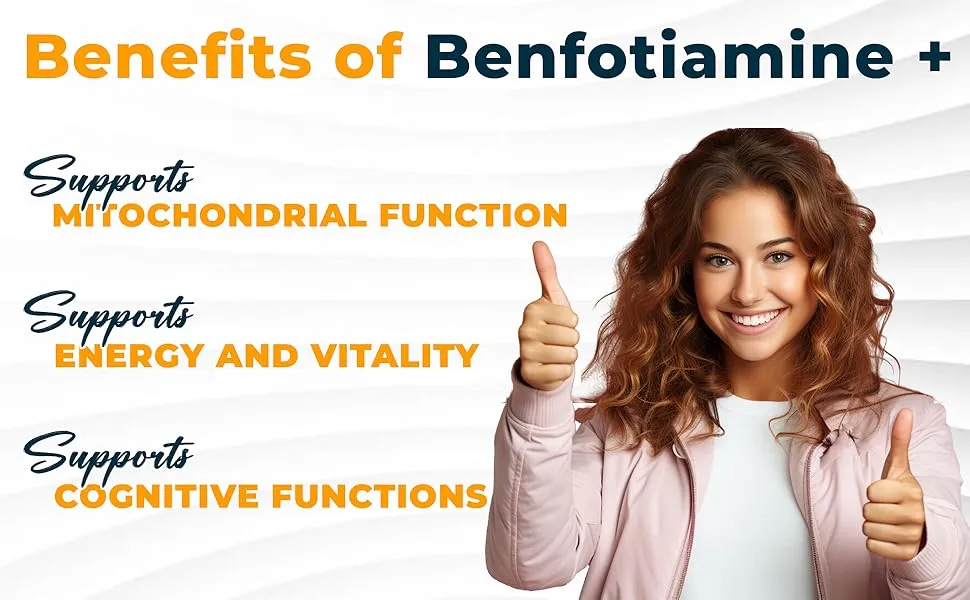
What are the benefits of taking benfotiamine powder?
Benfotiamine powder has garnered interest in the health and wellness community due to its numerous potential benefits. As a more bioavailable form of thiamine, benfotiamine offers several advantages over traditional vitamin B1 supplements:
1. Enhanced absorption: Benfotiamine is fat-soluble, allowing it to pass through cell membranes more easily than water-soluble thiamine. This property enables higher concentrations of thiamine to accumulate in cells and tissues, potentially leading to more significant health benefits.
2. Neuroprotective effects: Research suggests that benfotiamine may help protect nerve cells from damage caused by high blood sugar levels, making it particularly interesting for individuals with diabetes or those at risk of developing diabetic neuropathy.
3. Cardiovascular health support: Some studies indicate that benfotiamine may help reduce the formation of advanced glycation end products (AGEs), which are associated with various age-related diseases and cardiovascular complications.
4. Cognitive function improvement: Preliminary research has shown that benfotiamine supplementation may have positive effects on cognitive function, particularly in older adults or those with mild cognitive impairment.
5. Antioxidant properties: Benfotiamine has demonstrated antioxidant effects, which may help protect cells from oxidative stress and reduce inflammation in the body.
6. Potential pain relief: Some studies suggest that benfotiamine may help alleviate nerve pain associated with conditions such as diabetic neuropathy or sciatica.
7. Support for energy metabolism: As a form of vitamin B1, benfotiamine plays a crucial role in energy production within cells, potentially helping to combat fatigue and improve overall energy levels.
8. Possible mood enhancement: Thiamine is known to play a role in the production of neurotransmitters that regulate mood. Some research suggests that benfotiamine supplementation may have positive effects on mood and mental well-being.
It's important to note that while these benefits are promising, more research is needed to fully understand the long-term effects and optimal dosages of benfotiamine supplementation. As with any supplement, it's advisable to consult with a healthcare professional before incorporating benfotiamine powder into your health regimen.
How does benfotiamine powder differ from regular vitamin B1 supplements?
While benfotiamine and regular vitamin B1 (thiamine) supplements share similar core functions in the body, there are several key differences that set benfotiamine powder apart:
1. Chemical structure: Benfotiamine is a synthetic derivative of thiamine, with a modified molecular structure that enhances its ability to cross cell membranes. This structural difference is the basis for many of benfotiamine's unique properties.
2. Bioavailability: One of the most significant advantages of benfotiamine over regular vitamin B1 supplements is its superior bioavailability. Studies have shown that benfotiamine can achieve much higher blood and tissue levels of thiamine compared to equal doses of standard thiamine supplements. This increased bioavailability means that lower doses of benfotiamine may be needed to achieve the same therapeutic effects as higher doses of regular thiamine.
3. Fat solubility: Unlike water-soluble thiamine, benfotiamine is fat-soluble. This property allows it to pass through cell membranes more easily, leading to higher intracellular concentrations of thiamine and its active metabolites.
4. Absorption mechanism: Regular thiamine is absorbed in the small intestine through active transport mechanisms, which can become saturated at higher doses. In contrast, benfotiamine is passively absorbed through diffusion, allowing for potentially higher absorption rates even at larger doses.
5. Tissue distribution: Due to its fat-soluble nature, benfotiamine can accumulate in certain tissues to a greater extent than regular thiamine. This may lead to more pronounced effects in specific areas of the body, such as nerve tissues.
6. Duration of action: Some research suggests that the effects of benfotiamine may last longer in the body compared to regular thiamine supplements, potentially leading to more sustained therapeutic benefits.
7. Antioxidant capacity: While both forms of vitamin B1 have antioxidant properties, some studies indicate that benfotiamine may have more potent antioxidant effects, particularly in the context of high blood sugar levels.
8. Specific health applications: Research has shown that benfotiamine may be particularly effective in addressing certain health concerns, such as diabetic complications and neuropathy, compared to standard thiamine supplements.
9. Dosage requirements: Due to its enhanced bioavailability, lower doses of benfotiamine may be needed to achieve the same therapeutic effects as higher doses of regular thiamine supplements.
10. Cost: Generally, benfotiamine supplements tend to be more expensive than standard vitamin B1 supplements due to their specialized formulation and potential benefits.
While these differences highlight the potential advantages of benfotiamine powder, it's important to remember that both forms of vitamin B1 play crucial roles in maintaining overall health. The choice between benfotiamine and regular thiamine supplements may depend on individual health needs, goals, and the advice of healthcare professionals.
Can benfotiamine powder help with diabetic neuropathy?
Diabetic neuropathy is a common and often debilitating complication of diabetes, characterized by nerve damage resulting from prolonged exposure to high blood sugar levels. The potential role of benfotiamine powder in managing diabetic neuropathy has been a subject of significant interest in recent years, with several studies suggesting promising results:
1. Mechanism of action: Benfotiamine's potential benefits for diabetic neuropathy stem from its ability to reduce the formation of advanced glycation end products (AGEs) and counteract the negative effects of high glucose levels on nerve cells. By activating the enzyme transketolase, benfotiamine helps shunt excess glucose into less harmful metabolic pathways, potentially reducing the oxidative stress and inflammation associated with diabetic neuropathy.
2. Neuroprotective effects: Research has shown that benfotiamine may help protect nerve cells from damage caused by high blood sugar levels. This neuroprotective effect could potentially slow the progression of diabetic neuropathy or even help reverse some of its symptoms.
3. Pain reduction: Several clinical studies have demonstrated that benfotiamine supplementation may help reduce pain associated with diabetic neuropathy. A study published in the International Journal of Clinical Pharmacology and Therapeutics found that patients with diabetic polyneuropathy experienced significant pain relief after six weeks of benfotiamine treatment.
4. Improved nerve function: Some research suggests that benfotiamine may help improve nerve conduction velocity and other markers of nerve function in individuals with diabetic neuropathy. A study published in Diabetes Care reported improvements in nerve conduction velocity and other neuropathy scores in patients treated with benfotiamine.
5. Antioxidant and anti-inflammatory effects: Benfotiamine's antioxidant properties may help reduce oxidative stress and inflammation in nerve tissues, which are key factors in the development and progression of diabetic neuropathy.
6. Potential for combination therapy: Some studies have explored the use of benfotiamine in combination with other B vitamins or antioxidants, suggesting that such combinations may offer enhanced benefits for managing diabetic neuropathy.
7. Long-term benefits: While more research is needed, some studies suggest that long-term benfotiamine supplementation may help prevent or delay the onset of diabetic neuropathy in individuals with diabetes who have not yet developed neuropathic symptoms.
8. Safety profile: Benfotiamine has generally been found to be well-tolerated, with few reported side effects, making it a potentially attractive option for long-term use in managing diabetic neuropathy.
While these findings are encouraging, it's important to note that the effectiveness of benfotiamine powder for diabetic neuropathy may vary among individuals. Additionally, benfotiamine should not be considered a replacement for proper diabetes management, including blood sugar control and lifestyle modifications.
Individuals with diabetic neuropathy or those at risk of developing it should consult with their healthcare providers before starting any new supplement regimen. Healthcare professionals can provide personalized advice on whether benfotiamine supplementation is appropriate and how it might fit into an overall treatment plan for diabetic neuropathy.

In conclusion, benfotiamine, a synthetic form of vitamin B1, offers unique properties and potential benefits that set it apart from standard thiamine supplements. Its enhanced bioavailability, neuroprotective effects, and potential role in managing conditions like diabetic neuropathy make it an intriguing subject for both researchers and health-conscious individuals. While more studies are needed to fully understand its long-term effects and optimal usage, the current body of research suggests that benfotiamine powder may be a valuable tool in supporting overall health and addressing specific health concerns. As with any supplement, it's crucial to approach benfotiamine use with informed caution and under the guidance of healthcare professionals.
Hongda Phytochemistry Co., Ltd. specializes in OEM/ODM processing and direct factory production, offering customized manufacturing and Packaging solutions. We are dedicated to providing high-quality products and affordable options, including Benfotiamine Bulk Powder, a cost-effective lipophilic derivative of thiamine. As part of our commitment to customer satisfaction, we offer complimentary samples and have recently expanded our operations with a new capsule production facility, enabling tailored capsule solutions. Our global presence is underscored by our regular participation in prominent international Exhibitions such as CPHI Europe, Vitafoods Europe, Food Ingredients Europe (FIE), Functional Food & Health Ingredients (FFHI), and SupplySide East (SSE). For further information or inquiries about our products, please Contact Us at duke@hongdaherb.com.
Hongda Phytochemistry Co., Ltd. stands out for its excellence in product development and comprehensive service offerings tailored to meet diverse market needs.
References
1. Balakumar, P., Rohilla, A., Krishan, P., Solairaj, P., & Thangathirupathi, A. (2010). The multifaceted therapeutic potential of benfotiamine. Pharmacological Research, 61(6), 482-488.
2. Stracke, H., Gaus, W., Achenbach, U., Federlin, K., & Bretzel, R. G. (2008). Benfotiamine in diabetic polyneuropathy (BENDIP): results of a randomised, double blind, placebo-controlled clinical study. Experimental and Clinical Endocrinology & Diabetes, 116(10), 600-605.
3. Hammes, H. P., Du, X., Edelstein, D., Taguchi, T., Matsumura, T., Ju, Q., ... & Brownlee, M. (2003). Benfotiamine blocks three major pathways of hyperglycemic damage and prevents experimental diabetic retinopathy. Nature Medicine, 9(3), 294-299.
4. Pan, X., Chen, Z., Fei, G., Pan, S., Bao, W., Ren, S., ... & Zheng, J. (2016). Long-term cognitive improvement after benfotiamine administration in patients with Alzheimer's disease. Neuroscience Bulletin, 32(6), 591-596.
5. Shoeb, M., & Ramana, K. V. (2012). Anti-inflammatory effects of benfotiamine are mediated through the regulation of the arachidonic acid pathway in macrophages. Free Radical Biology and Medicine, 52(1), 182-190.
6. Volvert, M. L., Seyen, S., Piette, M., Evrard, B., Gangolf, M., Plumier, J. C., ... & Bettendorff, L. (2008). Benfotiamine, a synthetic S-acyl thiamine derivative, has different mechanisms of action and a different pharmacological profile than lipid-soluble thiamine disulfide derivatives. BMC Pharmacology, 8(1), 10.
7. Bitsch, R., Wolf, M., Möller, J., Heuzeroth, L., & Grüneklee, D. (1991). Bioavailability assessment of the lipophilic benfotiamine as compared to a water-soluble thiamin derivative. Annals of Nutrition and Metabolism, 35(5), 292-296.
8. Thornalley, P. J. (2005). The potential role of thiamine (vitamin B1) in diabetic complications. Current Diabetes Reviews, 1(3), 287-298.
9. Schmid, U., Stopper, H., Heidland, A., & Schupp, N. (2008). Benfotiamine exhibits direct antioxidative capacity and prevents induction of DNA damage in vitro. Diabetes/Metabolism Research and Reviews, 24(5), 371-377.
10. Manzardo, A. M., He, J., Poje, A., Penick, E. C., Campbell, J., & Butler, M. G. (2013). Double-blind, randomized placebo-controlled clinical trial of benfotiamine for severe alcohol dependence. Drug and Alcohol Dependence, 133(2), 562-570.