How to Use Naringenin Powder Safely Without Grapefruit-Drug Interactions?
2026-08-06 10:50:33
Anyone who has seen a prescription label warning against grapefruit juice has surely wondered whether Naringenin Powder, the flavonoid primarily associated with grapefruit's citrus flavour, is equally dangerous when consumed alone in supplements or functional foods. Shaanxi Hongda Phytochemistry Co., Ltd. produces a 98% pure Naringenin Powder extracted from grapefruit peel under cGMP conditions, giving formulators a well-documented, consistently tested ingredient rather than a botanical extract of unknown composition, which matters when discussing drug interactions. This article discusses the science behind naringenin's function in the grapefruit-drug interaction, responsible use, and how formulators might create products around it with care and openness.
Understanding Naringenin Powder and the Grapefruit-Drug Interaction Question
Before we get into the safety aspects, it's useful to know what precisely this chemical is and why grapefruit products have such a notorious reputation for interacting with medicines in the first place.
What Naringenin Powder Actually Is
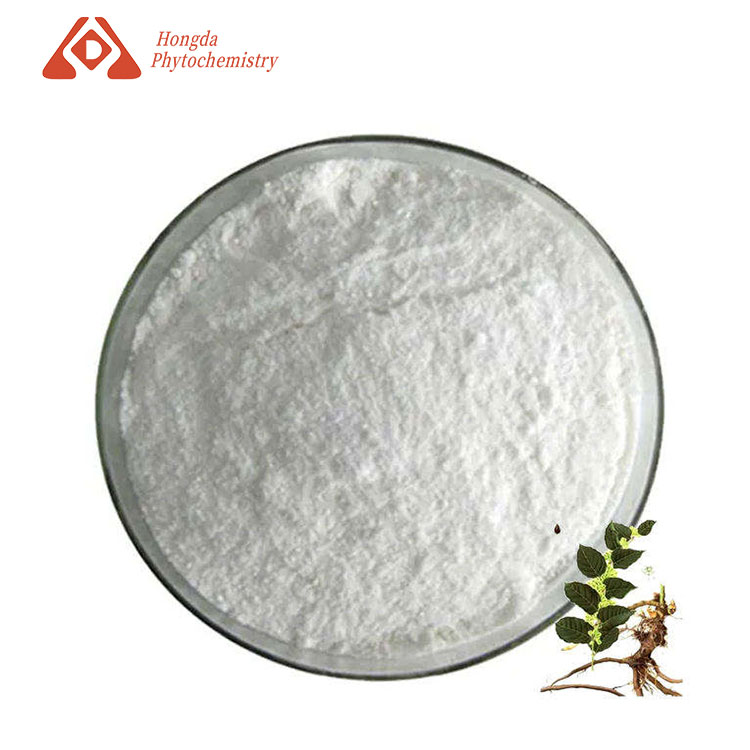
Naringenin Powder is a dihydroflavonoid that is derived mostly from grapefruit peel. It is a white to light yellow powder and has several functions in the food, supplement, and pharmaceutical industries. It is the aglycone form of naringin, which is the substance left after naringin loses its associated sugar molecule, and it has a variety of reported qualities including antioxidant, anti-inflammatory, and lipid-regulating activities. In addition to the physiological advantages, naringenin is noteworthy for its very pleasant nature (in certain modified forms) and is thus useful in culinary applications as well as in health-oriented formulations. Before considering whether it has the same interaction risk that grapefruit juice is known for, it is important to put its dual identity, functional flavonoid and grapefruit-derived chemical, into perspective.
How the "Grapefruit Effect" Works in the Body
This is the well-known " grapefruit juice effect ". There are specific molecules in grapefruit that suppress an enzyme in your intestines called CYP3A4. This enzyme is important for breaking down a lot of popular drugs before they are absorbed into the bloodstream. When this enzyme is blocked, the medication passes through the intestinal wall intact in larger amounts. This basically raises the concentration of the drug in the body above that which the prescribed dosage was meant to achieve. Studies have shown that furanocoumarins, especially bergamottin and 6,7-dihydroxybergamottin, are responsible for this impact, acting via reversible and irreversible inhibitory mechanisms that might influence enzyme function for some time after ingestion. This is the mechanism behind grapefruit-drug warnings and sets the stage for the key issue of where naringenin, as a separate chemical from these furanocoumarins, comes into this scenario.
Specification Table for Reference
Knowing the particular specification of Naringenin Powder, formulators and researchers may determine any safety discussion against a consistent, verifiable baseline rather than assumptions about “grapefruit extract” in general.
|
ITEMS
|
SPECIFICATIONS
|
TEST RESULTS
|
|
|
Appearance
|
Off-white powder to white powder
|
white powder
|
|
|
Identification
|
There was a positive response
|
Complies
|
|
|
Odor
|
Characteristic
|
Complies
|
|
|
Taste
|
Characteristic
|
Complies
|
|
|
Assay
|
≥ 98%
|
98.32%
|
|
|
Loss on drying
|
≤5.0%
|
2.61%
|
|
|
Ash
|
≤5.0%
|
1.42%
|
|
|
Particle size
|
95% through 80 mesh
|
100%
|
|
|
Heavy metal
|
≤10ppm
|
<5ppm
|
|
|
Lead(Pb)
|
≤2ppm
|
<2ppm
|
|
|
Arsenic(As)
|
≤1ppm
|
<1ppm
|
|
|
Cadmium(Cd)
|
≤1ppm
|
<1ppm
|
|
|
Mercury(Hg)
|
≤0.5ppm
|
<0.5ppm
|
|
|
Total Plate Count
|
≤1000CFU/g
|
<100cfu/g
|
|
|
Total Yeast & Mold
|
≤100CFU/g
|
<10cfu/g
|
|
|
E.Coli
|
Negative
|
Not Detected
|
|
|
Salmonella
|
Negative
|
Not Detected
|
|
|
Staphylococcus
|
Negative
|
Not Detected
|
|
|
Statement
|
Non-Irradiated, Non-BSE/TES, Non-GMO, Non-Allergen
|
||
|
Conclusion
|
Conforms with the specification.
|
||
|
Storage
|
Closed keep in cool,dry and dark place ;keep from heat and strong light
|
||
Separating Fact from Assumption: Does Naringenin Powder Cause the Same Risk?
With the mechanism now in place, the next natural step is to look at what science has to say about naringenin's own function, rather than presuming that each chemical obtained from grapefruit acts the same way.
What Research Says About Naringenin's Role in CYP3A4 Inhibition
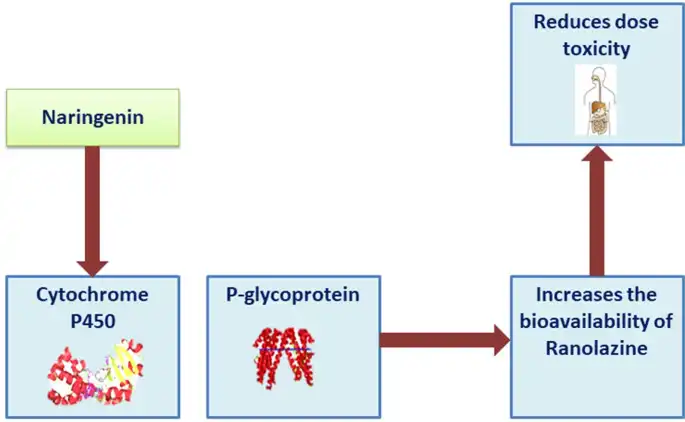
There is published research that has looked precisely at whether naringin and naringenin are the major chemicals responsible for the grapefruit juice effect, and the conclusions are more complicated than people appreciate. However, in people, naringin was shown not to significantly decrease intestinal CYP3A4 activity, but it did inhibit in a petri dish assay, indicating that it is not the active agent responsible for the clinically observed effect. This difference is of major importance to any assessment of Naringenin Powder itself, as the chemicals most closely associated with the clinical grapefruit effect are furanocoumarins, not flavonoids such as naringenin itself. However, some more recent work utilising molecular docking methods has indicated naringenin does exhibit observable interactions with CYP3A4 and relevant metabolic pathways, suggesting the picture is still an active field of scientific exploration rather than a totally established subject.
Why Grapefruit Juice Itself Is More Complex Than a Single Compound
Whole grapefruit juice is a complex mixture of naringin, naringenin, bergamottin, dihydroxybergamottin, and a host of other compounds all working in concert. It makes it genuinely difficult to determine with certainty the contribution of any one ingredient to the overall interaction. This intricacy also gives important background for analysing Naringenin Powder as a single ingredient, because a purified single-compound product acts differently in the body than the whole spectrum of substances found in juice or whole fruit extract. But this complexity is a reason for caution rather than dismissal. The scientific community has not fully closed the door on naringenin’s potential contribution to metabolic enzyme interactions, especially at higher concentrated doses than would typically be consumed through juice alone.
Why Concentrated Naringenin Powder Still Warrants Caution
Research indicates that furanocoumarins are the main contributors to the classic grapefruit juice effect, but a concentrated, high-purity ingredient such as Naringenin Powder should still be handled carefully in formulation and use. This is simply because concentrated supplement doses can differ meaningfully from the amounts that are naturally present in food. The flavonoid so isolated from grapefruit should be approached with informed regard by formulators and consumers alike and not presumed to be free of any interaction potential by virtue of purification. This is exactly the reason responsible usage of Naringenin Powder emphasises transparency, appropriate labelling, and recommending that anyone taking prescription medications consult with a healthcare provider before adding it to their routine, not using studies of the general population to claim the ingredient is completely safe in all circumstances.
Practical Safety Guidelines for Using Naringenin Powder
Understanding the science sets the foundation, but practical, actionable guidance is what actually helps both formulators and end users approach this ingredient responsibly.
Consulting a Healthcare Provider Before Combining with Medication
The single most important safety guideline for anyone using Naringenin Powder alongside prescription medication is speaking with a doctor or pharmacist beforehand, particularly for medications known to interact with grapefruit-family compounds. Healthcare providers can review a person's specific medication list against known interaction profiles far more accurately than general product labeling ever could, since individual factors like dosage, other medications, and underlying health conditions all influence actual risk. This guidance applies broadly regardless of what current research suggests about naringenin specifically, since erring toward professional consultation costs little and meaningfully reduces any uncertainty around individual medication interactions.
Medication Classes That Warrant Extra Caution
Certain broad medication categories have historically shown sensitivity to grapefruit-family compounds through CYP3A4-related pathways, and awareness of these categories helps frame when extra caution and professional consultation are especially warranted.
|
Medication Class
|
Reason for Caution
|
|---|---|
|
Certain statins
|
CYP3A4-mediated metabolism
|
|
Some calcium channel blockers
|
Increased bioavailability risk
|
|
Certain immunosuppressants
|
Narrow therapeutic window
|
Timing and Dosage Considerations
A common misconception is that if you time the doses of the medication and the compounds found in grapefruit apart, you will avoid the risk of an interaction, but studies show that the inhibition of CYP3A4 by the compounds found in the grapefruit family can persist for a long time, and thus timing the doses apart does not reliably prevent an interaction. For formulators using Naringenin Powder, this highlights why dose transparency and proper product labelling are more important than assumptions about suitable time gaps. Never provide exact dose thresholds; they should always be determined by a trained healthcare practitioner who knows all of the drugs that a person is taking. Education on the products should always direct the user to consult with a healthcare expert when prescription medication is involved.
Who Should Avoid Naringenin Powder Altogether
Extra caution or avoidance of Naringenin Powder altogether should be exercised by some groups without medical supervision, including users taking medications with a narrow therapeutic window, users on complicated multi-drug regimens, and pregnant or breastfeeding women for whom limited safety data is available. Formulators creating goods with this ingredient should include unambiguous labelling identifying this ingredient as grapefruit-derived since this single piece of information helps consumers who are already aware of grapefruit-drug warnings to instantly recognise the applicable warning. Such obvious disclosure is a basic requirement in responsible product design, not an optional add-on, especially since the overall grapefruit interaction notion is already so far from the consumer consciousness of those managing chronic health issues.
Formulating Responsibly with Naringenin Powder
Beyond individual safety guidance, brands and manufacturers formulating with this ingredient carry their own responsibility to support safe, informed use across their customer base.
Clear Labeling and Consumer Education
Any finished product containing Naringenin Powder should clearly identify the ingredient's grapefruit origin on its label, along with a straightforward recommendation to consult a healthcare provider before use if the consumer takes prescription medication. This kind of proactive disclosure builds trust with consumers and reduces the likelihood of an uninformed interaction, particularly since many people already associate grapefruit generally with medication warnings even if they aren't familiar with the specific compound involved. Brands that treat this labeling as a genuine educational opportunity, rather than fine print buried in an ingredient list, tend to build stronger long-term credibility with health-conscious consumer bases.
Working with a Quality-Verified Supplier
Sourcing Naringenin Powder from a manufacturer with verified purity, consistent specifications, and full documentation gives formulators the confidence needed to make accurate safety and dosing decisions, since inconsistent raw material quality only adds uncertainty to an already nuanced safety conversation. If your formulation project needs a specific purity grade, particle characteristic, or additional documentation to support your safety labeling, it's worth reaching out directly, since experienced manufacturers can typically provide detailed compositional data beyond a standard specification sheet — you can send your requirements to duke@hongdaherb.com and receive documentation and formulation guidance suited to your specific product and target market. Working with a supplier willing to support this level of technical transparency makes it considerably easier to formulate responsibly around an ingredient with genuine, if nuanced, interaction considerations.
Combining Naringenin with Other Ingredients Safely
Formulators sometimes combine Naringenin Powder with other bioactive compounds to create multi-functional products, and this practice introduces its own consideration: understanding whether co-formulated ingredients might compound any metabolic enzyme interaction rather than simply adding independent benefits. Reviewing the interaction profile of every active ingredient in a combination formula, not just naringenin in isolation, gives a more complete safety picture for the finished product. This is particularly relevant for formulations targeting consumers already managing chronic health conditions, where multiple bioactive ingredients working through overlapping metabolic pathways deserve careful evaluation before a product reaches the market.
Where Naringenin Powder Fits in Safe, Well-Formulated Products
Now that safety is out of the way, it is worth ending with where this chemical really brings value when utilised intelligently and openly.
Nutraceutical and Functional Food Applications
Naringenin Powder is employed in a broad array of nutraceuticals for antioxidant, cardiovascular, and general wellbeing, where proven anti-inflammatory and lipid-lowering effects may give real functional benefit when delivered at suitable, well-labeled levels. Its natural tale of origin also makes it ideal for functional food applications, especially for customers who are interested in plant-sourced ingredients rather than synthetic. In each case, responsible formulation requires marrying the true advantages of the ingredient with clear, honest disclosure about its grapefruit origins, so that the customer may make an educated decision, rather than learning about the relationship after an unanticipated contact.
Sweetener and Flavor Applications
Besides the use in the healthcare industry, Naringenin Powder and its derivatives may also be utilised as natural sweetening agents in several culinary applications, due to sweetening strength many times more than sucrose, without the caloric burden of conventional sugar. However, this type of use usually requires lower concentrations than those used in health supplements, which may alleviate practical interaction issues, but the same principles of labelling transparency still apply whenever a product contains compounds derived from grapefruit, regardless of the primary reason for their inclusion within the formula.
Building Trust Through Transparency and Testing
Ultimately, the most profitable and safest products produced on Naringenin Powder are those that consider openness to be a basic value, not an afterthought to regulation. That involves investing in verifiable purity testing, clear labelling and accessible consumer education on possible interactions, and procuring from producers that can back that openness with genuine data. Those that use this strategy routinely establish more enduring customer trust than those that either ignore the issue totally or misrepresent the risk profile of the substance without admitting the subtlety the current research really supports.
Conclusion
Naringenin Powder does provide real functional advantages, but its grapefruit origin implies that formulators and consumers should approach drug interactions with educated care rather than dismissiveness. With Hongda’s tested 98% purity Naringenin Powder, comprehensive documentation, and formulation assistance, companies have the basis to ethically and transparently employ this ingredient.
FAQQ1: Does Naringenin Powder carry the same risk as grapefruit juice?
Research suggests furanocoumarins, not naringenin, are the primary drivers of the classic effect, though caution is still warranted.
Q2: Should I avoid Naringenin Powder if I take prescription medication?
Consult your healthcare provider before use, especially with medications known for grapefruit sensitivity.
Q3: Does timing my dose separately from medication reduce risk?
Not reliably, since CYP3A4 inhibition from grapefruit-family compounds can persist for an extended period.
Q4: What purity grade does Hongda offer?
Hongda supplies 98% pure Naringenin Powder with full certification and testing documentation.
Q5: Should products containing this ingredient carry special labeling?
Yes, clear disclosure of grapefruit origin and a consult-your-doctor note is strongly recommended.
Formulate Responsibly with Hongda's Naringenin Powder
Looking for a verified, well-documented Naringenin Powder to formulate responsibly? Hongda Phytochemistry provides 98% purity, full certification, and technical support to help you label and market your product transparently. Contact our team at duke@hongdaherb.com for samples, documentation, or formulation guidance today.
References
1. Bailey, D.G., Dresser, G., & Arnold, J.M.O., "Grapefruit-Medication Interactions: Forbidden Fruit or Avoidable Consequences?" Canadian Medical Association Journal.
2. Ho, P.C., Saville, D.J., & Wanwimolruk, S., "Content of CYP3A4 Inhibitors, Naringin, Naringenin and Bergapten in Grapefruit and Grapefruit Juice Products," Pharmaceutical Sciences.
3. Ameer, B. & Weintraub, R.A., "Drug Interactions with Grapefruit Juice," Clinical Pharmacokinetics.
4. Fuhr, U., "Drug Interactions with Grapefruit Juice: Extent, Probable Mechanism and Clinical Relevance," Drug Safety.
5. Malhotra, S., Bailey, D.G., Paine, M.F., & Watkins, P.B., "Seville Orange Juice-Felodipine Interaction: Comparison with Dilute Grapefruit Juice and Involvement of Furanocoumarins," Clinical Pharmacology & Therapeutics.
6. Kane, G.C. & Lipsky, J.J., "Drug-Grapefruit Juice Interactions," Mayo Clinic Proceedings.





YOU MAY LIKE