How To Take Magnesium Glycinate Powder?
2025-08-13 16:53:13
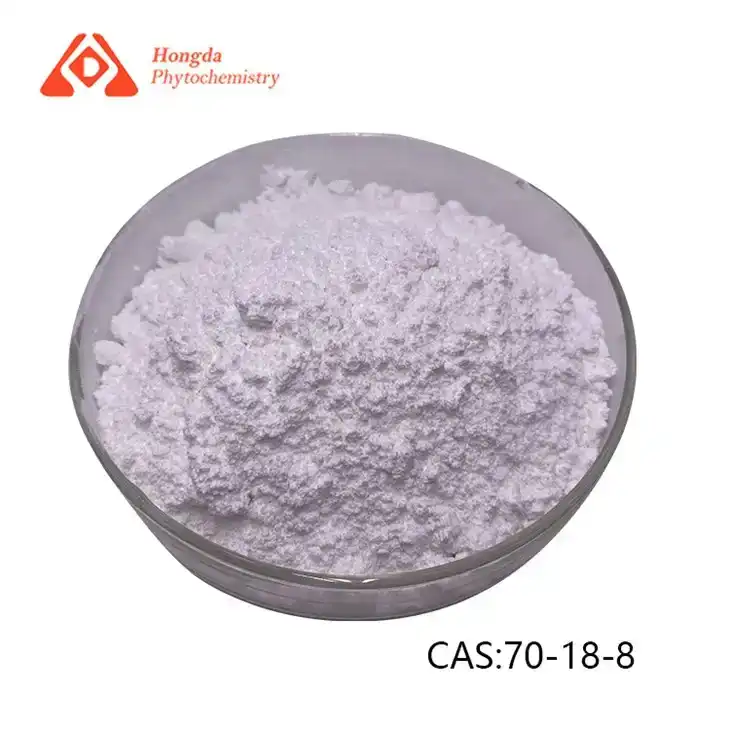
Magnesium Glycinate Powder is a popular dietary supplement known for its high bioavailability and gentle effect on the digestive system. This form of magnesium is bound to the amino acid glycine, making it easier for the body to absorb and utilize. If you're considering adding magnesium glycinate powder to your daily routine, it's essential to understand the proper methods of consumption to maximize its benefits. This blog post will guide you through the process of taking magnesium glycinate powder effectively and address some common questions about its usage.
What is the recommended dosage for magnesium glycinate powder?
Determining the appropriate dosage of magnesium glycinate powder is crucial for reaping its benefits while avoiding potential side effects. The recommended daily allowance (RDA) for magnesium varies depending on age, sex, and other factors. For adult men, the RDA is typically around 400-420 mg per day, while for adult women, it's about 310-320 mg per day. However, it's important to note that these recommendations are for total magnesium intake from all sources, including food and supplements.
When it comes to magnesium glycinate powder specifically, dosages can range from 200 to 400 mg per day. It's generally advisable to start with a lower dose and gradually increase it as needed. This approach allows you to gauge your body's response and minimize the risk of digestive discomfort.
Keep in mind that the actual amount of elemental magnesium in magnesium glycinate powder can vary. For example, a product labeled as 500 mg of magnesium glycinate may contain only 100 mg of elemental magnesium. Always check the product label or consult with the manufacturer to determine the exact amount of elemental magnesium per serving.
Factors that may influence your optimal dosage include:
1. Current magnesium levels: If you have a deficiency, you may need a higher dose initially.
2. Medical conditions: Certain health issues may require higher or lower magnesium intake.
3. Medications: Some drugs can interact with magnesium or affect its absorption.
4. Dietary habits: Your regular diet may already provide significant amounts of magnesium.
It's crucial to consult with a healthcare professional before starting any new supplement regimen. They can help you determine the most appropriate dosage based on your individual needs and health status. Additionally, they may recommend blood tests to monitor your magnesium levels and adjust the dosage accordingly.
Remember that more isn't always better when it comes to supplements. Excessive magnesium intake can lead to side effects such as diarrhea, nausea, and abdominal cramping. In rare cases, very high doses can cause more serious complications. Always adhere to the recommended dosage on the product label or as advised by your healthcare provider.
When is the best time to take magnesium glycinate powder?
The timing of magnesium glycinate powder consumption can influence its effectiveness and how well you tolerate it. While there's no one-size-fits-all answer, certain considerations can help you determine the optimal time for your needs.
Many people find that taking magnesium glycinate powder in the evening or before bedtime is beneficial. This timing aligns with several potential benefits of magnesium:
1. Sleep promotion: Magnesium is known to support relaxation and may help improve sleep quality. Taking it in the evening can contribute to a more restful night's sleep.
2. Muscle relaxation: If you're using magnesium to alleviate muscle tension or cramps, evening consumption may provide relief as you rest.
3. Stress reduction: Magnesium plays a role in regulating the nervous system. An evening dose might help calm your mind after a busy day.
However, some individuals prefer to take magnesium glycinate powder in the morning or with meals. Reasons for this approach include:
1. Consistent routine: Morning supplementation can be easier to remember and integrate into your daily habits.
2. Energy support: While magnesium is often associated with relaxation, it's also crucial for energy production at the cellular level. Some people report feeling more energized when taking it earlier in the day.
3. Improved absorption: Taking magnesium with food can enhance its absorption and reduce the likelihood of digestive discomfort.
If you're using magnesium glycinate powder for specific health concerns, the timing may vary. For example:
- For migraine prevention: Some studies suggest taking magnesium supplements daily, regardless of the time.
- For exercise recovery: Consider taking magnesium after your workout or in the evening on training days.
- For regularity: If using magnesium for its mild laxative effects, an evening dose might be preferable.
Experimentation may be necessary to find the best timing for your body and needs. Pay attention to how you feel and any changes in symptoms or sleep quality when adjusting your supplementation schedule.
It's also worth noting that consistency is often more important than exact timing. Aim to take your magnesium glycinate powder at approximately the same time each day to maintain steady levels in your body.
If you're taking other medications or supplements, consider potential interactions. For instance, magnesium can interfere with the absorption of certain antibiotics and osteoporosis medications. In such cases, it's best to separate the doses by at least two hours.
How should magnesium glycinate powder be mixed and consumed?
Proper mixing and consumption of magnesium glycinate powder are essential for ensuring optimal absorption and minimizing potential side effects. Here are some guidelines to help you incorporate this supplement into your routine effectively:
1. Choose the right liquid:
Magnesium glycinate powder is generally easily soluble in water. However, you can also mix it with other liquids such as juice, smoothies, or herbal tea. Avoid mixing it with milk or other calcium-rich beverages, as calcium can compete with magnesium for absorption.
2. Use the correct amount of liquid:
Start with about 4-6 ounces (120-180 ml) of liquid for every serving of magnesium glycinate powder. This ratio usually provides a good balance for proper dissolution without making the drink too diluted or concentrated.
3. Measure accurately:
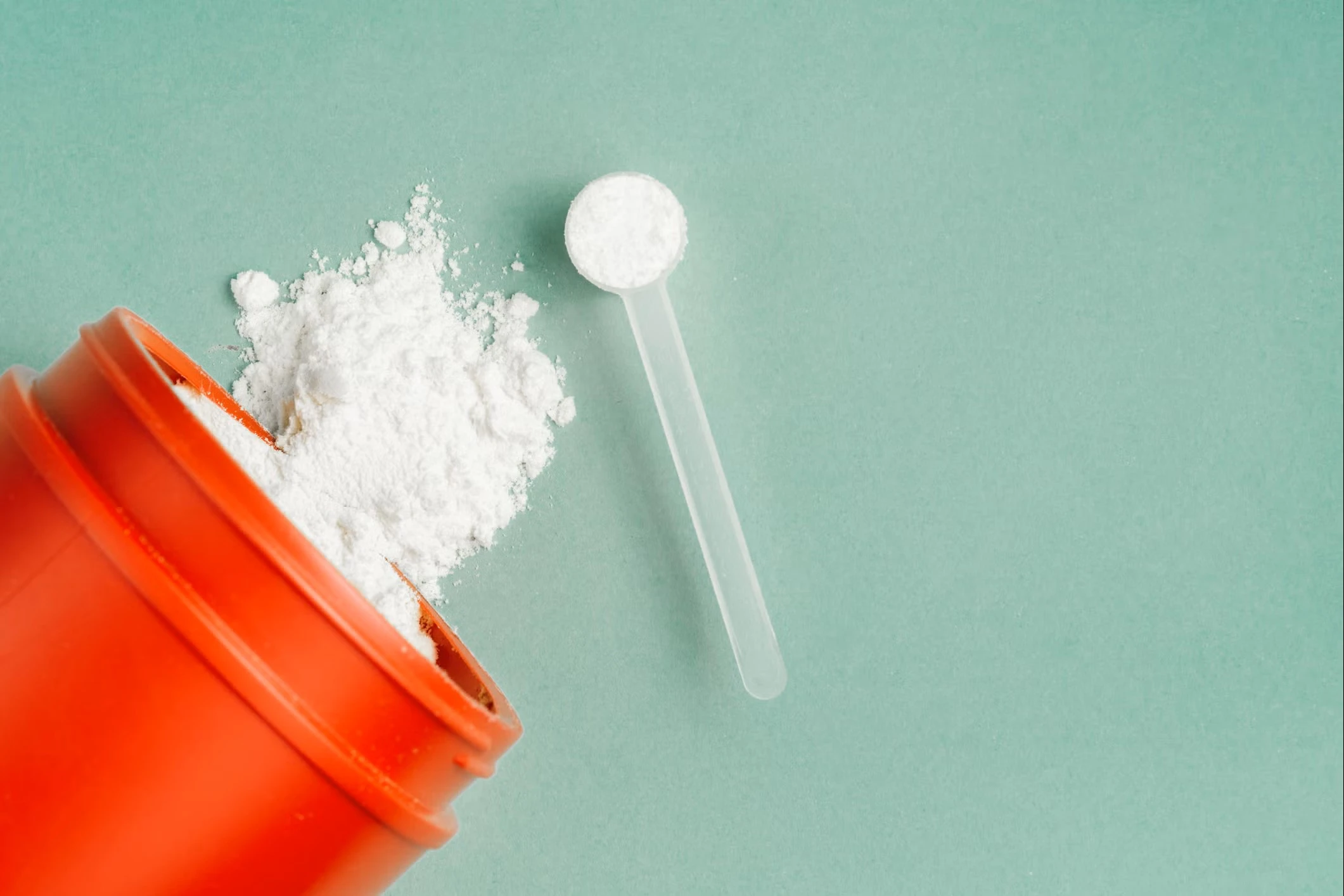
Use the scoop provided with your supplement or a precise measuring spoon to ensure you're taking the correct dosage. Avoid estimating or using regular kitchen spoons, as this can lead to inconsistent intake.
4. Mix thoroughly:
Add the powder to your chosen liquid and stir vigorously until it's completely dissolved. Some people prefer to use a shaker bottle or blender for more efficient mixing, especially if combining it with other ingredients.
5. Consume immediately:
Once mixed, it's best to drink the solution right away. This ensures that the magnesium doesn't settle at the bottom and that you're getting the full dose.
6. Consider temperature:
While room temperature water is usually fine, some people find that warm water helps the powder dissolve more easily. Avoid using very hot water, as this may affect the supplement's stability.
7. Flavoring options:
If you find the taste of magnesium glycinate powder unpleasant, consider adding natural flavorings like lemon juice, stevia, or a small amount of honey. However, be cautious with sweeteners if you're monitoring your sugar intake.
8. Gradual introduction:
If you're new to magnesium supplementation, start with a smaller dose and gradually increase it over time. This can help your body adjust and reduce the likelihood of digestive side effects.
9. Timing with meals:
While magnesium glycinate can be taken on an empty stomach, some people find that taking it with food helps prevent any potential gastrointestinal discomfort.
10. Stay hydrated:
Drink plenty of water throughout the day when taking magnesium supplements. Proper hydration supports overall mineral balance and can help prevent constipation, a possible side effect of magnesium supplementation.
11. Consider splitting the dose:
If you're taking a higher dose of magnesium glycinate, consider splitting it into two or three smaller doses throughout the day. This can improve absorption and reduce the risk of digestive issues.
12. Be consistent:
Try to take your magnesium glycinate powder at the same time each day to maintain consistent levels in your body.
13. Storage:
Keep your magnesium glycinate powder in a cool, dry place, away from direct sunlight. Ensure the container is tightly sealed when not in use to prevent moisture from affecting the powder's quality.
14. Check for interactions:
If you're taking other supplements or medications, consult with a healthcare professional about potential interactions. Some compounds may need to be taken separately from magnesium for optimal absorption.
By following these guidelines, you can ensure that you're getting the most out of your magnesium glycinate powder supplement. Remember that individual responses can vary, so pay attention to how your body reacts and adjust your routine as needed. If you experience any persistent side effects or concerns, consult with a healthcare provider for personalized advice.
Hongda Phytochemistry Co., Ltd. boasts an impressive array of Certifications including FSSC, cGMP, BRC, ORGANIC (EU), ORGANIC (NOP), ISO22000, ISO9001, FDA, HALAL, KOSHER, and national certification as a high-tech innovative enterprise. With over 30 years of experience in ingredient manufacturing, Shaanxi Hongda factory is renowned for its expertise. Our facility spans 20,000 square meters and features advanced extraction equipment along with our own SGS Certified laboratory. Specializing as a Magnesium Glycinate Powder Manufacturer, we offer products designed to promote longevity, enhance bodily nourishment, and support skincare. For more details about our offerings, please Contact Us at duke@hongdaherb.com. Hongda Phytochemistry Co., Ltd. is committed to delivering excellence through superior quality and innovation in every aspect of our operations.
References:
1. National Institutes of Health. (2021). Magnesium: Fact Sheet for Health Professionals. Office of Dietary Supplements.
2. Schwalfenberg, G. K., & Genuis, S. J. (2017). The Importance of Magnesium in Clinical Healthcare. Scientifica, 2017, 4179326.
3. Abbasi, B., Kimiagar, M., Sadeghniiat, K., Shirazi, M. M., Hedayati, M., & Rashidkhani, B. (2012). The effect of magnesium supplementation on primary insomnia in elderly: A double-blind placebo-controlled clinical trial. Journal of Research in Medical Sciences, 17(12), 1161-1169.
4. Boyle, N. B., Lawton, C., & Dye, L. (2017). The Effects of Magnesium Supplementation on Subjective Anxiety and Stress-A Systematic Review. Nutrients, 9(5), 429.
5. Guerrera, M. P., Volpe, S. L., & Mao, J. J. (2009). Therapeutic uses of magnesium. American Family Physician, 80(2), 157-162.
6. Rosanoff, A., Weaver, C. M., & Rude, R. K. (2012). Suboptimal magnesium status in the United States: are the health consequences underestimated? Nutrition Reviews, 70(3), 153-164.
7. DiNicolantonio, J. J., O'Keefe, J. H., & Wilson, W. (2018). Subclinical magnesium deficiency: a principal driver of cardiovascular disease and a public health crisis. Open Heart, 5(1), e000668.
8. Gröber, U., Schmidt, J., & Kisters, K. (2015). Magnesium in Prevention and Therapy. Nutrients, 7(9), 8199-8226.
9. Kirkland, A. E., Sarlo, G. L., & Holton, K. F. (2018). The Role of Magnesium in Neurological Disorders. Nutrients, 10(6), 730.
10. Razzaque, M. S. (2018). Magnesium: Are We Consuming Enough? Nutrients, 10(12), 1863.