How to Source Liposomal Vitamin C Powder in Bulk Efficiently?
2026-04-24 15:03:03
To easily find Liposomal Vitamin C Powder Bulk, you need to know about modern encapsulation technology, check the Certifications of suppliers, and negotiate the best shipping terms. Partnering with makers that can consistently achieve Packaging efficiency above 85%, hold cGMP certification, and offer fast delivery windows of 3–7 working days is key. Teams in charge of buying things should give more weight to sellers that have a track record of research and development, strict testing procedures, and working with the cosmetics, nutraceuticals, and pharmaceutical industries in controlled regions like North America and Europe.
Understanding Liposomal Vitamin C Powder and Its Market Value
The Science Behind Enhanced Bioavailability
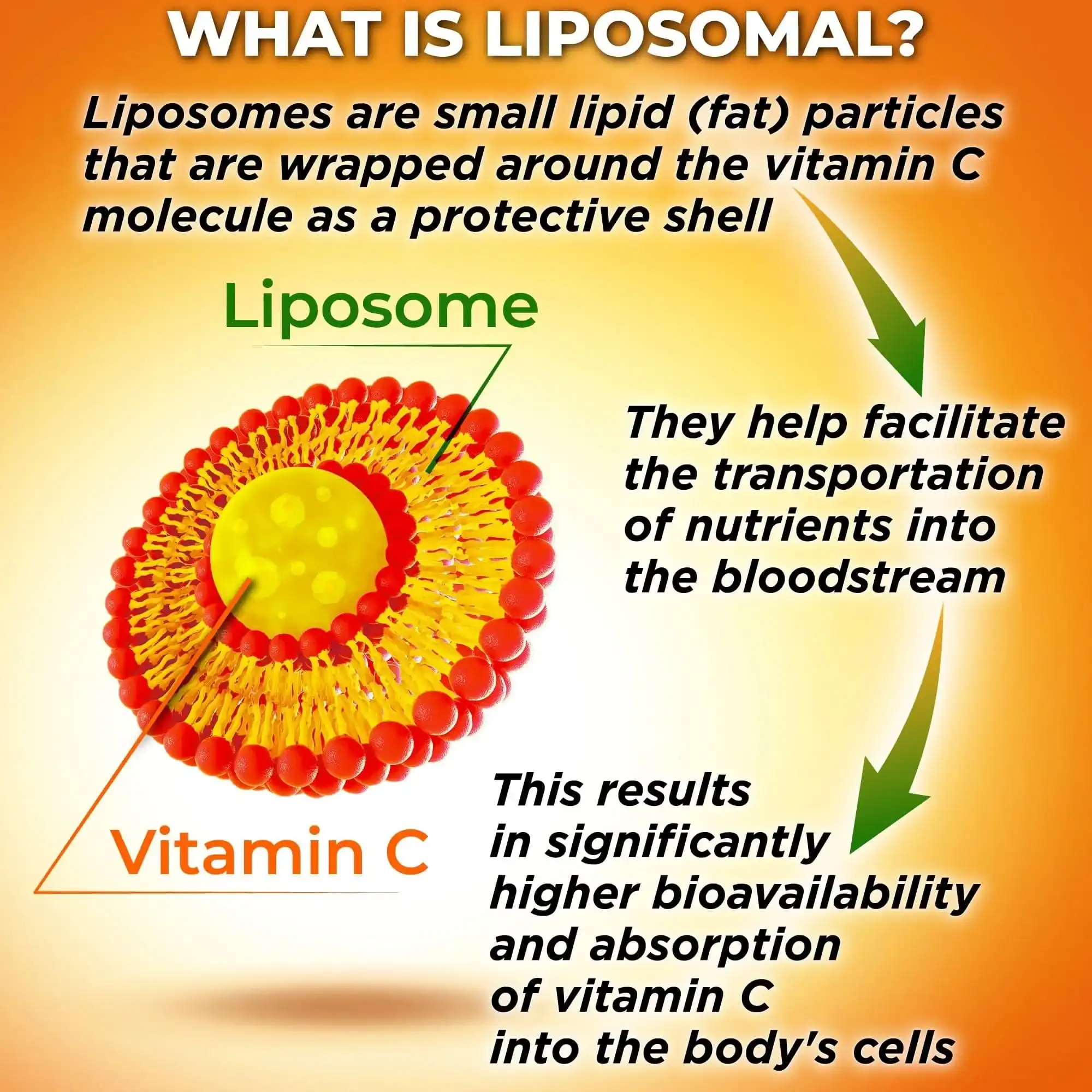
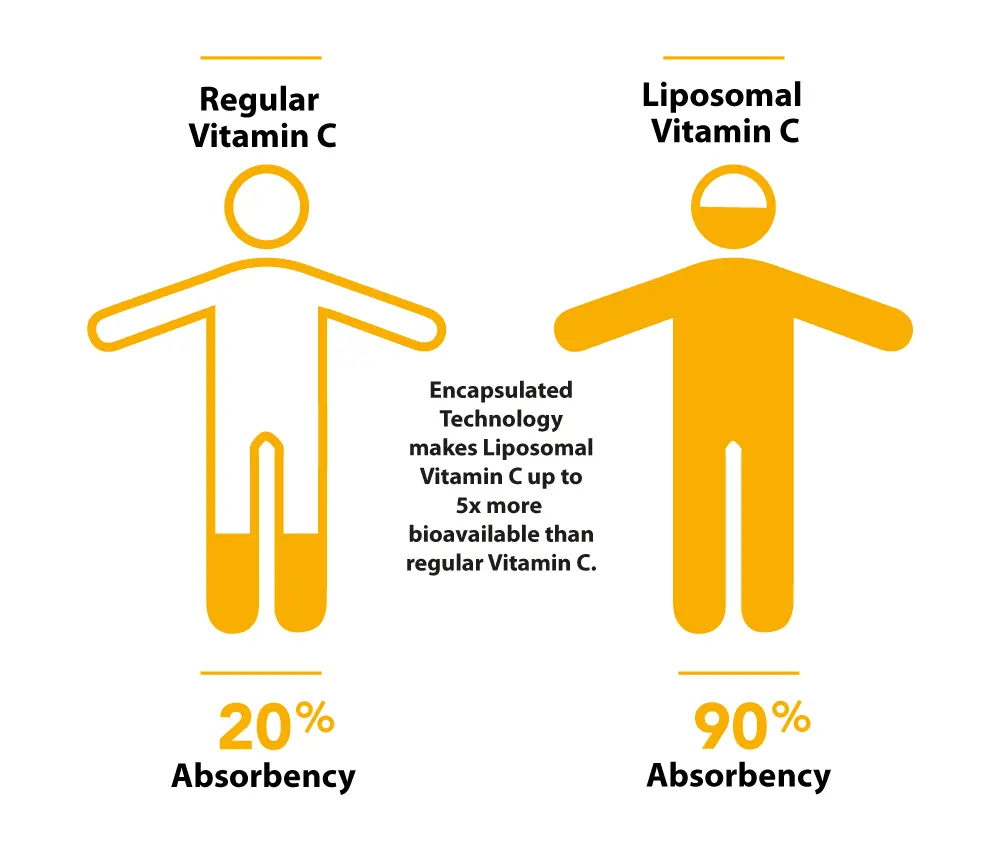
The phospholipid coating structure of Liposomal Vitamin C Powder Bulk makes it fundamentally different from regular ascorbic acid. Traditional vitamin C is not absorbed fully at amounts above 200 mg because the SVCT1 transporter in the gut walls is not very strong. The liposomal transport method gets around this problem by enclosing vitamin C molecules in phospholipid bilayers made from sunflower or soy lecithin that is not genetically modified. These circular structures on the nanoscale level look like natural cell membranes. This lets them directly fuse with intestinal cells through endocytosis instead of active transport. Liposomal versions reach plasma amounts that are 5–6 times higher than regular supplements, according to clinical studies. Premium-grade bulk powder usually encapsulates between 85 and 90% of its contents, with particle sizes that are best between 100 and 400 nm and a polydispersity index that is less than 0.3. These factors make sure that the product works the same way in all situations and doesn't cause stomach problems like high-dose ascorbic acid supplements often do.
Market Growth Drivers and Application Sectors
The global market for advanced nutrient delivery systems has grown a lot because people want health products that really work. Liposomal Vitamin C Powder Bulk is mostly used in high-end hard-shell capsules because it is very stable and can stay there for 24 to 36 months at room temperature without needing to be refrigerated. This is very different from liquid liposomal goods, which go bad within 6 to 12 months and need to be shipped in a cold chain. More and more, contract makers that work with Liposomal Vitamin C Powder Bulk in the nutraceutical industry ask for Liposomal Vitamin C Powder Bulk to be used in quick functional beverage mixes and electrolyte packs. The powder's ability to self-emulsify means that liposomes can reform on their own when they come in touch with water. This means that when you eat them, you get the benefits of fresh liposomes instead of damaged liquids from the store. The cosmetics industry has also started using this chemical in topical products that aim to brighten the skin and help collagen production. This is especially true in the European and North American markets, where demands for clean labels meet performance standards.
Technical Specifications That Define Quality
When purchasing in bulk, procurement workers should look at three important factors besides the basic vitamin C level. The encapsulation efficiency (EE) measure shows how much vitamin C is actually stuck in lipid bilayers and how much is moving around. Laboratory tests that separate encapsulated from non-encapsulated parts show that high-quality bulk powder keeps EE above 80%. The active load ranges from 15 to 30 per cent pure vitamin C by weight, and the amount of phosphatidylcholine determines how well the membranes stay intact and how well cells can fuse together. When you look at the shape of particles under an electron microscope, you should see uniform spherical vesicles instead of random lumps that show bad manufacturing methods. The way the powder reforms in water-based liquids is useful proof that the liposomes are intact. The best grades break down easily and don't clump, making milky solutions that don't change for hours. The taste and smell of these vitamins are very different from acidic crystalline vitamin C. They have neutral or slightly nutty qualities because the fats inside them cover up the sharp tastes.
Key Considerations When Sourcing Liposomal Vitamin C Powder in Bulk
Certification Requirements for Regulatory Compliance
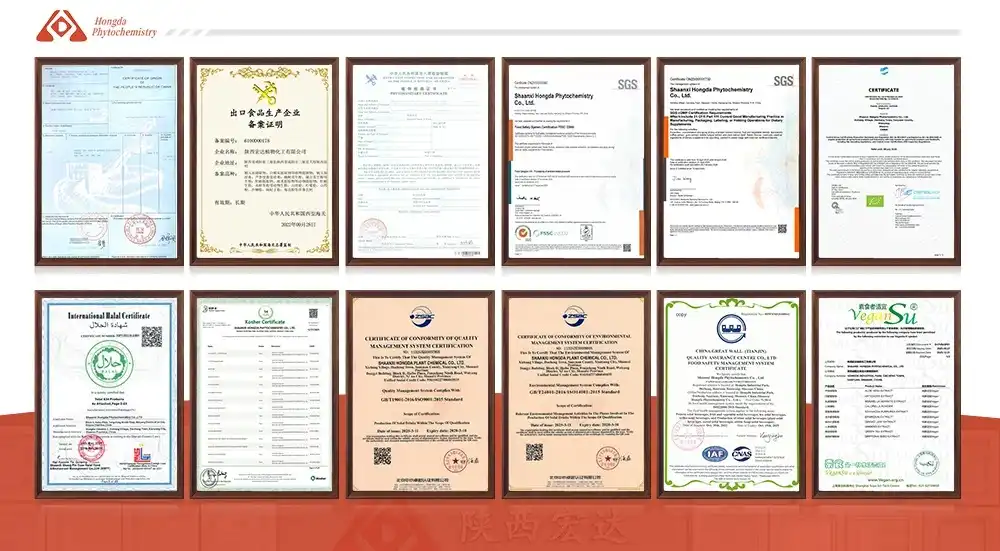
When you work in the controlled pharmaceutical and nutraceutical markets, you need bulk ingredient providers with full certification portfolios. Current Good Manufacturing Practices (cGMP) approval is the first step. This makes sure that production areas meet standards for keeping surfaces clean, calibrating equipment, and keeping records for each batch. For companies that want to sell to people in North America, FDA approval is an extra way to make sure that their facilities follow US rules. International buyers should check the qualifications of the seller through a third-party audit. For example, the SGS laboratory approval confirms that the lab can do analytical testing for strength, purity, and contaminant screening. Certifications for religious food requirements, like HALAL and KOSHER, help brands reach more customers in certain groups. Organic approval from reputable organisations proves that the lecithin comes from non-GMO sources and doesn't contain any artificial processing aids. The most trustworthy providers keep several certifications at the same time, such as ISO9001 for quality control systems, ISO22000 for food safety, FSSC22000, and BRC (Brand Reputation Compliance) standards. These certificates show a long-term dedication to quality, not just one-time attempts to follow the rules.
Evaluating Manufacturing Capabilities and Technical Support
In addition to looking at licenses, procurement teams must also look at the physical factory equipment that makes bulk production possible. High-pressure microfluidization technology is used by advanced suppliers to make liposomal structures that are all the same size and shape. This process guarantees consistent encapsulation efficiency across production runs, stopping the variation from batch to batch that affects the stability of the mixture further down the line. The fact that there are unique low-temperature spray drying systems shows that the technology used to keep liposomes intact during powder conversion is very advanced. Adding cryoprotectants during this important stage keeps the structure together, which is what sets premium goods apart from simple vitamin C and lecithin mixes. Suppliers with SGS-certified labs can give you a lot of scientific information, like tests on how well the capsules seal, studies on how stable the capsules are at different temperatures, and data on how well the capsules reconstitute. When planning a large-scale launch, production capacity is very important. Facilities with multiple natural extract production lines show that they can increase numbers while still keeping quality standards.
Specification Adherence and Quality Control Protocols
To make sure everyone knows what to expect with delivery, procurement deals should be based on detailed product specs. For Liposomal Vitamin C Powder Bulk, requirements must include the amount of vitamin C (usually 50–55%), how it should look (light yellow fine powder), how the particles are distributed when it is reconstituted, and the maximum amount of wetness that can affect how it flows and stays stable. Specifications for packing affect transportation planning; standard layouts like 12 kg drums with 27 drums per box make it easier to load containers and move things around in the warehouse. Guaranteed shelf lives of three years at -20°C show that the product is stable, and studies of fast ageing back this up. As part of their Certificate of Analysis (COA) paperwork, suppliers should include tests for microbes, heavy metals, pesticide residues, and solvent residues for each batch. Suppliers are confident in the quality claims Liposomal Vitamin C Powder Bulk they make because they are willing to send goods to a third party for testing and keep samples for tracking purposes. In purchase deals, accepted tolerance ranges for key specifications should be made clear, as well as clear rules for how to handle batches that don't meet the specifications.
Comparing Sourcing Options: Powder vs. Other Forms and Supplier Types
Form Factor Comparison for Operational Efficiency
Choosing between powder, liquid, and pill types has a big effect on how things are made and how much they cost overall. Liposomal Vitamin C Powder Bulk has clear benefits for contract makers who use production lines that don't need water. The dry format gets rid of worries about moisture moving, leaks happening during filling, and the need for preservatives, which makes liquid formulas harder to make. Powder doesn't need to be refrigerated, so it saves a lot on storage and shipping costs. This is because liquid goods can have cold chain handling costs that add 15-20% to landed costs. Putting powder into hard-shell capsules keeps the liposome structure until it dissolves in the stomach. This protects the delivery system in a way that liquid-filled softgels can't. Because it's hard to keep liquids from oxidising, many formulators are moving toward powder specs. When the powder is mixed with water to make a drink, its self-emulsifying properties form new liposomal suspensions at the point of consumption. This solves the problem of ready-to-drink goods going bad during shipping and storage. Because of their high bulk density, premium powder grades can be used to fill size 0 or 00 capsules effectively without the need for special machine changes.
Organic Versus Conventional Sourcing Considerations
The source material for phospholipids has a big impact on both function and market standing. Non-GMO sunflower lecithin is now the standard for brands that want to reach high-end customers, because it doesn't have to be labelled as an allergen and doesn't raise estrogenic issues as soy-derived phospholipids do. Organic certification comes with price increases of 20% to 35%, but it gives you access to natural goods stores and customers who are willing to pay more for approved, clean ingredients. Conventional (non-organic) types from reputable makers can provide the same encapsulation performance at lower costs, making them a good choice for value-oriented product lines or pharmaceutical uses where organic claims don't give a legal benefit. For practical effectiveness, the amount of phosphatidylcholine (PC) in lecithin sources is more important than their organic state. Specifications should call for minimum PC percentages to make sure that liposomal membranes form properly. Instead of thinking that organic status immediately supports higher prices in all channels of distribution, procurement choices should align ingredient sourcing strategies with positioning and price point goals for target markets.
Brand Manufacturers Versus Private Label Opportunities
Well-known ingredient brands provide complete packages that come with a lot of technical information, are accepted by regulators, and have consistent quality that is backed up by the resources of a global company. The minimum order quantity from these sellers is usually higher, and they have firm price structures that make it hard to negotiate. The trade-off lowers risk by providing a reliable supply chain and full expert support, such as help with preparation and advice on how to test for stability. Private label manufacturing relationships let you make more changes to specs, package layouts, and formulas to fit the needs of your own product development. Custom development service providers can change the goals for encapsulating efficiency, change the ratios of the lipids, or add more useful ingredients to the liposomal matrix. This adaptability helps make products stand out in ways that finding common ingredients can't. A good way to buy things is to weigh the safety of well-known names against the benefits of custom specs, taking into account things like the company's own research and development (R&D) skills, its knowledge of regulations, and its schedule for entering new markets.
Step-by-Step Guide to Efficient Bulk Procurement of Liposomal Vitamin C PowderDefining Requirements and Procurement Parameters
To do bulk sourcing right, you need to be clear about your needs in three areas: number, quality, and price. Planning quantities should take into account expected production over the next 12 to 18 months, with 15-20% safety stock added to account for changes in demand and possible supply problems. Liposomal Vitamin C Powder Bulk usually has a minimum order size of 100 kg, but if you can get a deal for 500 kg or more, you can get better prices that can cut the cost per kilogram by 18 to 25 per cent. Specific technical factors must be included in the quality requirements. These should include encapsulation efficiency levels (at least 80%), particle size distribution upon reconstitution, and acceptable look standards. When making a budget, you should include all landed costs, such as foreign freight, customs taxes, warehouse handling, and tests for quality control. When you compare FOB (Free On Board) and CIF (Cost, Insurance, and Freight) price structures, you can see how they affect total costs. For example, sellers who offer delivery windows of 3–7 working days are cheaper to deal with than those who offer 30-45-day ocean freight timelines.
Supplier Vetting Through Samples and Evaluation
To fully evaluate a provider, you need to look beyond what they say on their website and see real proof that they can make things. Comparative evaluation starts with asking for examples that come with full analytical paperwork. The procedure for evaluating samples should include third-party testing in the lab to confirm the stated encapsulation efficiency, reconstitution tests in production settings, and stability tracking for 30 to 60 days at room temperature. Facility checks are part of due diligence for partnerships with high-value suppliers. Virtual plant tours are now commonplace and let purchasing teams check out the state of equipment, cleanliness standards, and systems for keeping track of batches. Asking for customer examples from well-known brands in your target market can give you information about how well you deliver on time, communicate, and solve problems. When suppliers show that their R&D teams are strong and include teachers from well-known universities, it means that their scientific know-how goes beyond basic contract manufacturing.
Negotiation Strategies and Contract Structuring
To negotiate well, you must first understand how suppliers set their prices and how the competition works. 45 to 55 per cent of the cost of making lecithin and pharmaceutical-grade vitamin C comes from the raw materials. Other costs include testing, packing, and processing. By asking for thorough price breakdowns, you can find ways to lower costs by changing specifications or using different packing arrangements. When there aren't enough supplies, special prices and allocation promises are okay as long as there are volume commitments over 12 to 24 months. Negotiating payment terms should strike a balance between managing cash flow and reducing source risk. Letters of credit offer security for foreign transactions, and 30 to 60-day payment terms may allow small price cuts. Quality assurance terms should spell out clear criteria for acceptance, sampling procedures for inbound inspection, and ways to handle packages that don't meet specifications, such as who is responsible for replacing the goods and paying for the shipping costs.
Managing Logistics and Regulatory Documentation
When doing business internationally, you need to pay close attention to trade rules and customs paperwork. Liposomal Vitamin C Powder Bulk is usually put into HS codes for vitamin preparations or food supplements, based on what the product says it is used for. Suppliers who have experience with exporting offer complete paperwork packages that include business bills, packing lists, certificates of origin, and any product-specific certifications that the target country Liposomal Vitamin C Powder Bulk needs. If you choose transportation partners that have experience with pharmaceuticals and nutraceuticals, you can avoid temperature changes and damage from handling that could lower the quality of your products. The insurance should cover both total loss and partial damage to the shipment. Coordinating customs clearance with brokers who know the rules about dietary supplements speeds up the border process and keeps you from having to pay expensive storage fees at ports. Setting up regular ways to talk to suppliers about production schedules, shipping status, and projected arrival dates makes it possible to handle inventory and plan output ahead of time.
Common Challenges and Solutions in Bulk Sourcing Liposomal Vitamin C Powder
Addressing Quality Inconsistencies and Batch Variability
Quality variation is the biggest risk when buying bulk ingredients. It can show up as changes in how well the ingredients are encapsulated, how they reconstitute, or how they taste and smell between production runs. Some of the main reasons for this problem are bad process controls during microfluidization, inconsistent quality of lecithin in the raw materials, or wrong spray drying parameters. Using strong incoming checking methods and statistically sound sampling plans can find problems with materials before they get into the production process. Setting up accepted seller lists with a number of qualified sources creates competition that keeps quality standards high and gives you options in case something goes wrong. Long-term supply deals should include business reviews every three months that look at batch-to-batch accuracy data and help both parties find ways to make things better. Some teams in charge of buying things need suppliers to keep a certain amount of finished powder in stock for each account. This is done to make sure that the quality is uniform from campaigns that are only made for that account and not from batches that are mixed and used for multiple customers.
Navigating Price Volatility and Market Dynamics
Changes in the prices of lecithin and pharmaceutical-grade vitamin C as raw materials cause unpredictable cost increases in bulk buying. The price of sunflower lecithin changes a lot depending on the yields of oilseed crops around the world and the demand from food preparation businesses. Some strategic ways to buy things are to negotiate fixed-price contracts for 6 to 12 months based on how the market is doing at the time, and to be willing to pay small extras in exchange for price security that keeps the price of the final product stable. Strategies for optimising inventory weigh the costs of holding items against the benefits of protecting prices by buying in advance when market conditions are good. Diversifying your relationships with suppliers in different parts of the world can help you take advantage of price differences between areas. Forecasting together with suppliers lets you plan production in a way that takes advantage of economies of scale and keeps you from having too much inventory on hand. Some smart buyers set up indexed pricing models that are linked to publicly available product benchmarks. This way, when the markets for raw materials change, the purchase prices stay within the agreed-upon ranges.
Overcoming Supply Chain Disruptions and Regulatory Hurdles
Global supply chain stability has become an important skill for buyers to have. Dependence on a single source makes you vulnerable to problems with quality, production, or capacity when demand goes up. Creating networks of qualified suppliers in various production areas helps spread out problems caused by things like natural disasters, government actions, or unstable political situations. Problems with following the rules at places where goods are imported mean that paperwork needs to be managed proactively. Changes to lists of allowed ingredients, marking rules, or testing procedures can cause shipments to be delayed or require expensive efforts to be reformulated. Keeping in touch with regulatory experts and customs brokers on a regular basis lets you know about upcoming changes to regulations early. Suppliers who have already exported to your target markets can help you figure out how to meet the needs of each country. Building up a buffer stock of 60 to 90 days' worth of essential ingredients protects production plans from sudden supply problems while the process of vetting alternative sources continues.
Conclusion
To get Liposomal Vitamin C Powder Bulk in bulk efficiently, you need to know a lot about technology, carefully evaluate suppliers, and handle your relationships with them. This article's procurement framework, which covers everything from understanding the basics of encapsulation technology to managing foreign operations, gives workers looking for this specific ingredient useful information they can use. To be successful, you need to stop buying things based on price and start looking at them based on their overall value, which includes things like quality, stability, expert help, and the reliability of the supply chain. Long-term value comes from providers with a wide range of certifications, modern production facilities, and collaborative partnership models. As long as markets want bioavailable nutrient solutions, procurement teams that learn these buying skills will have a competitive edge thanks to better ingredient quality and supply chain stability.
FAQ1. What minimum order quantities should I expect for bulk liposomal vitamin C powder?
For first sales, most makers set MOQs between 100 kg and 500 kg. For custom production efforts to make sense, established providers with specific production lines may need at least 1,000 kg of commitments. The MOQ structures take into account the costs of setting up specialised production equipment and following strict quality testing processes for each batch. If a procurement team is planning to buy less, they might want to look into working with wholesalers who combine orders from several buyers. However, this method gives up the ability to customise and directly connect with manufacturers.
2. How does liposomal vitamin C compare to standard ascorbic acid for bioavailability?
Standard vitamin C absorption stops at around 200 mg amounts because intestinal transport systems are full. Higher doses achieve 15-20% bioavailability. Liposomal encapsulation gets around these problems by using membrane fusion to give plasma amounts that are 5–6 times higher than the same doses of regular supplements. This means that there are practical benefits in the way the vitamin C is made that make it possible to use smaller doses while still reaching therapeutic plasma levels or to use mega-dosing procedures without causing stomach problems that are a problem with regular vitamin C tolerance.
3. What storage conditions maintain liposomal powder stability and shelf life?
At -20°C, premium Liposomal Vitamin C Powder Bulk stays stable for three years. However, at room temperature (15–25°C) in covered cases, it stays stable for 18–24 months, which is better for most uses. The powder form is much more stable than liquid liposomal goods, which need to be kept cold. Moisture exposure is the main way that things break down. Keeping the relative humidity below 60% while storing things stops them from sticking and keeps them flowing. Flushing storage tanks with nitrogen adds extra protection against oxidation for very sensitive uses.
Partner with Hongda for Premium Liposomal Vitamin C Powder Bulk Supply
Shaanxi Hongda Phytochemistry has manufactured high-purity plant extracts since 2001, earning national high-tech enterprise recognition and serving nutraceutical, pharmaceutical, and cosmetic industries across North America, Europe, and Asia. Our Liposomal Vitamin C Powder Bulk achieves 85-90% encapsulation efficiency through advanced microfluidization technology and controlled spray drying processes, delivering particle sizes optimised at 100-400nm with a polydispersity index below 0.3. With comprehensive certifications including cGMP, SGS, FDA, HALAL, KOSHER, BRC, ISO9001, ISO22000, and ORGANIC standards, we provide the quality assurance and regulatory compliance your formulations demand. Our R&D team of over 20 professors supports custom formulation development, while our 20,000 square meter facility, equipped with 10 natural extract production lines, ensures reliable supply with 3-7 working day delivery. Contact our technical team at duke@hongdaherb.com to request samples, discuss your specific requirements, and discover how partnering with an experienced Liposomal Vitamin C Powder Bulk supplier can elevate your product portfolio.
References
1. Davis, J.L., Paris, H.L., Beals, J.W., Binns, S.E., Giordano, G.R., Scalzo, R.L., Schweder, M.M., Blair, E., and Bell, C. (2016). "Liposomal-encapsulated Ascorbic Acid: Influence on Vitamin C Bioavailability and Capacity to Protect Against Ischemia-Reperfusion Injury." Nutrition and Metabolic Insights, Vol. 9, pp. 25-30.
2. Hickey, S., Roberts, H.J., and Miller, N.J. (2008). "Pharmacokinetics of Oral Vitamin C." Journal of Nutritional & Environmental Medicine, Vol. 17, No. 3, pp. 169-177.
3. Łukawski, M., Dałek, P., Borowik, T., Foryś, A., Langner, M., Witkiewicz, W., and Przybyło, M. (2020). "New oral liposomal vitamin C formulation: properties and bioavailability." Journal of Liposome Research, Vol. 30, No. 3, pp. 227-234.
4. Padayatty, S.J., Sun, H., Wang, Y., Riordan, H.D., Hewitt, S.M., Katz, A., Wesley, R.A., and Levine, M. (2004). "Vitamin C pharmacokinetics: implications for oral and intravenous use." Annals of Internal Medicine, Vol. 140, No. 7, pp. 533-537.
5. Panche, A.N., Diwan, A.D., and Chandra, S.R. (2016). "Flavonoids: an overview." Journal of Nutritional Science, Vol. 5, e47.
6. Szeto, B., Valentini, C., Lalani, S., Ding, M.Y., and Teng, H. (2021). "Vitamin C in Cosmetics: A Review Focusing on Delivery Systems." Antioxidants, Vol. 10, No. 9, Article 1421.