How to Choose the Best Astaxanthin Softgels Capsules?
2026-04-17 10:59:30
It's important to carefully look at source validity, bioavailability, Astaxanthin Softgels Capsules engineering, and seller compliance frameworks when picking the right Astaxanthin Softgels Capsules for your product line. The antioxidant power of natural astaxanthin from Haematococcus pluvialis microalgae is higher than that of manmade options, so make sure you check the source first. Aside from the quality of the raw materials, you should also look at the Packaging technology. In particular, you should check to see if vacuum packing stops oxidation and if lipid carriers like MCT or olive oil help absorption. To get goods that meet both legal standards and customer expectations in the competitive nutraceutical market, purchasing managers have to find a balance between concentration levels (4mg to 12mg per pill on average), the openness of third-party testing, and company licenses.
Understanding Astaxanthin Softgels Capsules: Key Benefits and Properties
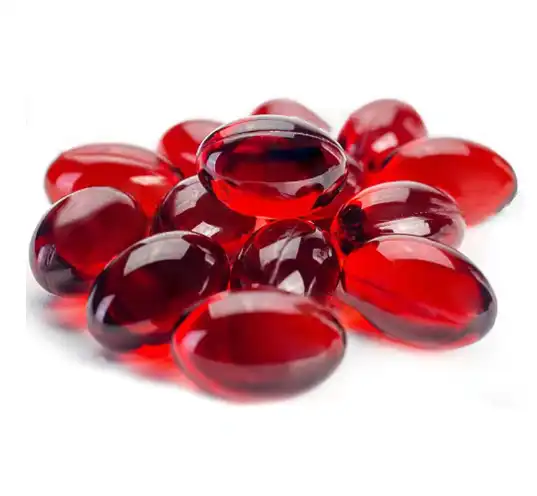
It is difficult for this powerful keto-carotenoid to stay stable, but Astaxanthin Softgels Capsules are an improved way to give it. Unlike powders or pills, softgel capsules have a hermetic seal that keeps the active ingredient from breaking down in the environment and dissolves it in lipid structures before it goes into the gut.
Natural vs. Synthetic Astaxanthin: Quality Distinctions That Matter
The difference between natural and manufactured astaxanthin is not just about marketing claims; it has a big impact on how well medicines work and whether they are approved by regulators. Astaxanthin that comes from Haematococcus pluvialis microalgae is mostly in the 3S,3'S stereoisomer configuration, which, according to a clinical study, has a lot more biological activity than the racemic mixes found in versions that come from petrochemicals. Astaxanthin can also be found in its esterified form in natural sources. This form is more stable when stored and processed. Even though synthetic versions are cheaper, they don't have the carotenoid matrix and fatty acid esters that help explain the overall health benefits seen in clinical studies. When buying things for high-end markets, teams should focus on sources that can do isotope testing or HPLC analysis to prove that the products come from natural algae. This helps with brand positioning and meets the needs of consumers who want cleaner labels.
Bioavailability Advantages of Softgel Delivery
Because astaxanthin is lipophilic, it needs to be carefully mixed with other ingredients to be bioavailable. This problem can be solved in several ways by softgel technology. The substance is already mixed with refined oils, usually extra virgin olive oil or medium-chain triglyceride (MCT) oil. This makes an emulsion that is similar to the gut environment needed for carotenoids to be absorbed. According to research, this lipid carrier method can make absorption rates about 3.5 times higher than dry powder versions. Because softgels are made without any seams, they don't have the capsule joints that hard capsules do. This keeps wetness out and keeps volatile components from being lost. This better sealing keeps the product's potency throughout its shelf life, which is very important when making goods for foreign marketing, where delivery times can change a lot.
Documented Health Benefits and Therapeutic Applications
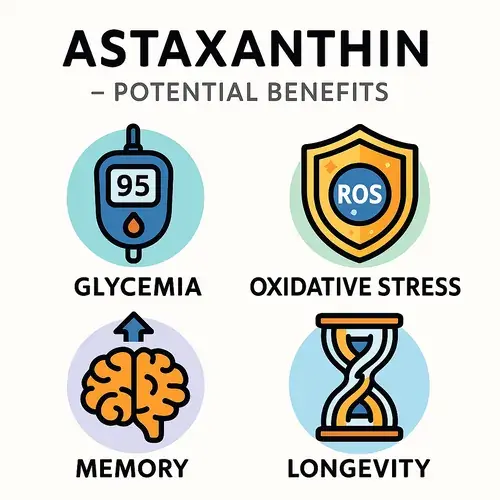
There is clinical proof that astaxanthin plays a part in many physiological systems, which makes it a good choice for many product positioning strategies. Its use in dermatology depends on its ability to build up in skin tissue and protect against UV damage by stopping matrix metalloproteinase-1 (MMP-1), an enzyme that breaks down collagen. Studies show that taking a vitamin every day in doses of 4mg to 6mg can help the skin keep its moisture and reduce the look of fine lines and wrinkles within eight to twelve weeks. Astaxanthin has a special ability to cross the blood-retinal barrier. It protects photoreceptor cells from oxidative stress that comes from long-term screen contact and eye problems that come with getting older. Higher amounts (8mg to 12mg) are often used in athletic performance products to support mitochondrial function and lower inflammation markers caused by exercise. These uses, based on evidence, give buying teams clear positioning possibilities in the sports nutrition, dermocosmetics, and nutraceutical areas.
Core Selection Criteria for Astaxanthin Softgels: What Procurement Managers Should Know
Strategic sourcing needs Astaxanthin Softgels Capsules to be evaluated in a planned way across a number of quality factors. We've found the important differences between generic products and pharmaceutical-grade Astaxanthin Softgels Capsules that can help you build long-term brand value.
Source Material Quality and Certification Standards
Where the raw materials come from has a direct effect on both following the rules and being genuine when selling them. Suppliers who use controlled photobioreactor farming methods make astaxanthin oleoresin that is always very pure, without the risks of contamination that come with growing it in open ponds. This closed-system method lets you precisely control the amount of light, the ratios of nutrients, and the temperature so that Haematococcus pluvialis can grow from a green growing state to a red cyst stage that is high in astaxanthin. Chemical agents are not used in the extraction process, so it meets the clean-label standards that markets in North America and Europe are increasingly demanding. Organic approval (USDA Organic, EU Organic), non-GMO documents, and third-party tests proving the lack of heavy metals, pesticide residues, and microbiological contaminants should all be required for verification. Lab reports from SGS or Eurofins give the independent proof that is needed for regulatory applications and quality assurance processes.
Concentration Levels and Formulation Considerations
Astaxanthin content has a big effect on both how well a product works and how much it costs. Standard commercial versions run from 4mg to 12mg per capsule, and the choice depends on the intended use and placement in the market. Supplements for general health and antioxidant support usually come in doses of 4mg to 6mg, which makes them affordable for mass spread. Premium dermatological and sports performance formulas have 10mg to 12mg doses, which are worth the extra money because they have better healing potential. Check out the makeup of the transport oil as well as the main active ingredient. MCT oil is quickly absorbed and has a neutral flavor. Olive oil, on the other hand, has more polyphenol vitamins that may work better together. To improve bioavailability or give extra useful benefits, some formulas use complementary ingredients like tocopherols, phosphatidylcholine, or krill oil. Specifications for buying things should make it clear what concentration limits there are (usually ±10%), and they should demand Certificates of Analysis that prove the product is still effective after the given shelf life.
Manufacturing Certifications and Quality Management Systems
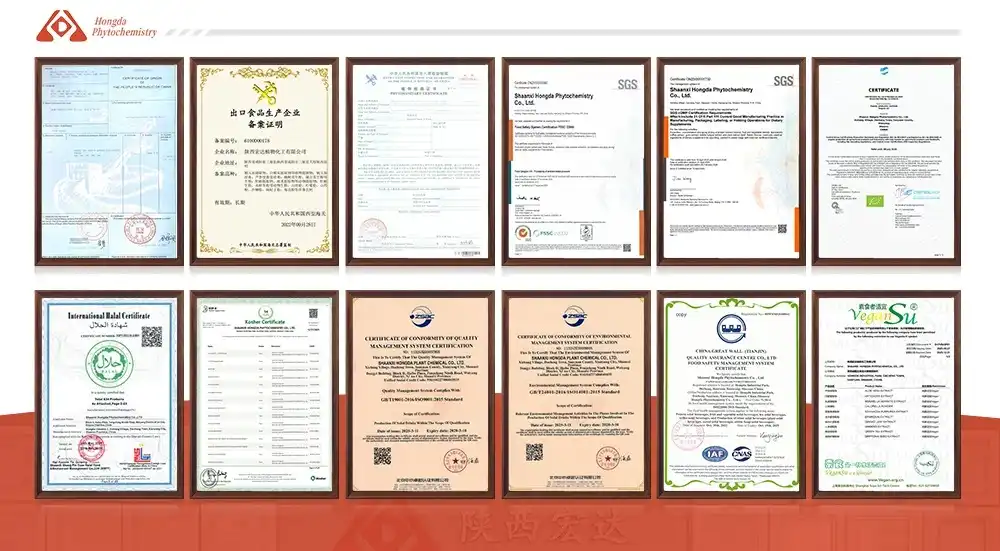
Supplier certification profiles show how mature operations are and how ready a company is for legal changes. cGMP (current Good Manufacturing Practices) approval shows that production standards for pharmaceuticals are being met. These standards include validated cleaning methods, environmental monitoring, and batch tracking systems. With ISO 22000 and FSSC 22000 certificates, you can be sure that food safety is managed throughout the whole supply chain, from getting the ingredients to distributing them. The HALAL and KOSHER Certifications make it easier for goods that are meant to meet special nutritional needs to reach more customers. Brand Reputation Compliance (BRC) approval gives stores that need suppliers to be pre-qualified even more peace of mind. Check the supplier's testing skills in addition to their licensing skills. With HPLC analysis, peroxide value tests, and microbial identification available in-house, quality can be checked quickly and without having to rely on outside labs. Suppliers who offer third-party testing for every production batch show a strong dedication to quality and provide the proof needed for regulatory applications in multiple countries.
Private Label Capabilities and Customization Flexibility
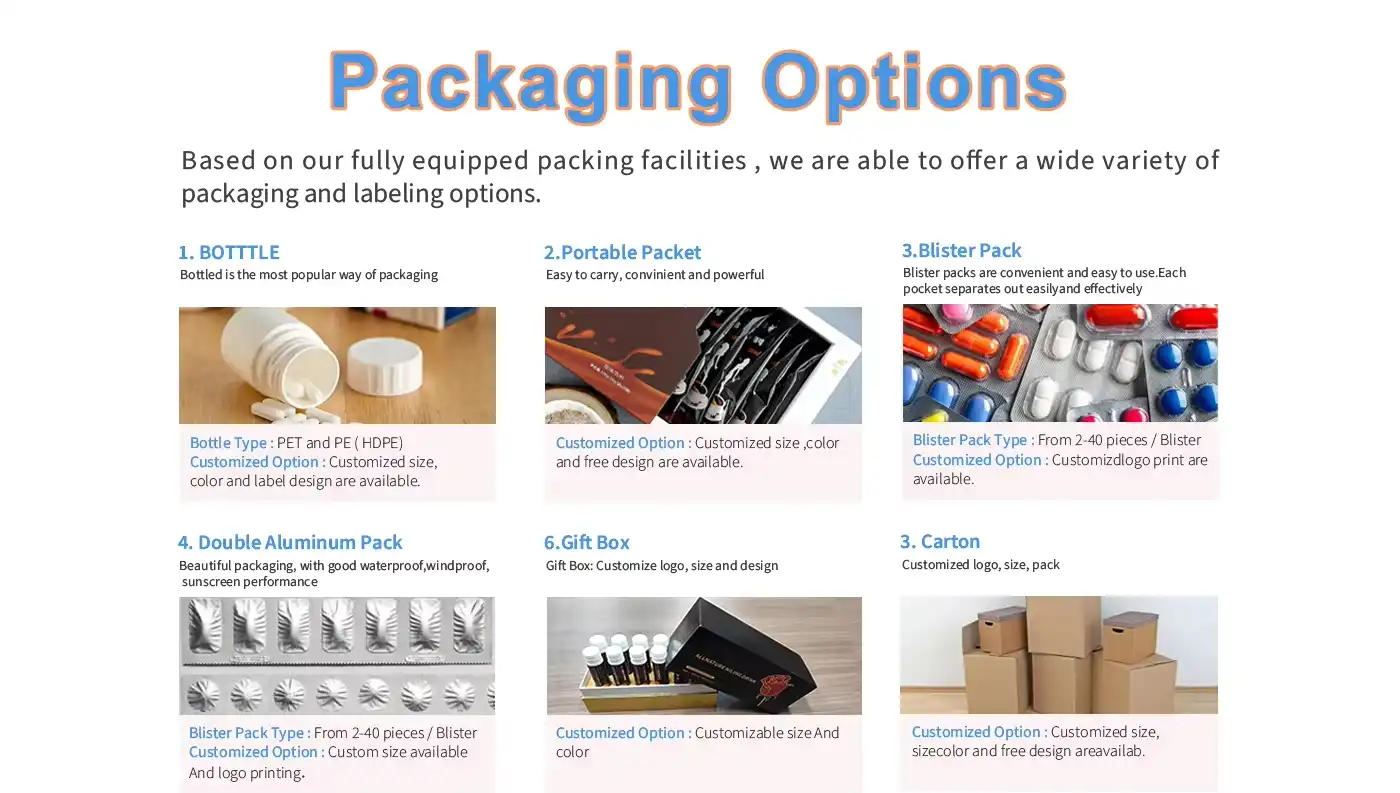
OEM partnerships need suppliers who can turn brand ideas into goods that are ready for the market. Formula changes, package design, and label compliance across target markets should all be part of full customization choices. Formula flexibility means changing the amount of astaxanthin in the formula, choosing the carrier oils, adding ingredients that work well together, and coming up with new combinations that set your product apart from the competition. Customization of packaging goes beyond label design and includes choosing the right bottle (from standard clear glass to high-end UV-protective materials), cap style, and unit count based on what the market wants. Being able to make both 60-count and 120-count packs lets you cater to different retail outlets and price point plans. Minimum order numbers (MOQs) have a big effect on planning your inventory and your cash flow. Competitive suppliers offer MOQs that are a good mix between making production more efficient and making sure customers can get what they need. Transparency in lead times for formula development, stability testing, production scheduling, and foreign shipping makes it possible to plan launches accurately and keep track of supplies.
Comparing Popular Astaxanthin Softgel Brands and Products
Understanding how the competition environment changes Astaxanthin Softgels Capsules over time helps procurement teams set standards for quality and find new market possibilities. While well-known names are most common in retail, for B2B sourcing, you need to look at makers whose Astaxanthin Softgels Capsules are both excellent and flexible in terms of how they work with you.
Market Leaders and Their Unique Value Propositions
Several brands have built strong market positions by focusing on quality and placement. Nature's Bounty focuses on ease and pharmaceutical history by providing standard 5mg formulations that are widely sold in stores. Value and purity verification are important to NOW Foods, and they offer a lot of testing paperwork that customers and retailers who care about quality like. Source Naturals works on improving solubility through their own lipid complexes, which they say allows them to charge higher prices because the products are better absorbed. Nutrex Hawaii uses Hawaiian farming origin stories to make stories about geographic accuracy that natural product fans can relate to. These positioning tactics show how source trustworthiness, open testing, and new formulations can set a product apart from competitors in ways other than just comparing concentrations.
Evaluating Supplier Claims Through Evidence-Based Analysis
Due diligence in procurement means telling the difference between claims that can be backed up and marketing hype. Ask for proof that bioavailability claims are true, such as comparing absorption studies done by separate labs. Look at stable data that shows how well the drug stays potent even when it's aged quickly. This can help you guess how long it will last in real life. Check that reports of natural sources are true by using stereoisomer analysis to confirm the 3S,3'S structure of astaxanthin from algae. Read about the production process, especially the part about keeping air out during encapsulation. Vacuum filling technology stops oxidation, which lowers the effectiveness of the product. Suppliers who are ready to send test runs to outside parties show that they are confident in their quality systems and allow customers to try them out without any risk before placing large orders.
Procurement and Ordering Guide for Astaxanthin Softgels Capsules
The total cost of ownership and supply chain resiliency of Astaxanthin Softgels Capsules are both affected by operational factors in a big way. We have come up with smart methods that strike a balance between cutting costs, ensuring quality, and making sure deliveries are always on time.
Supplier Selection: Balancing Cost, Quality, and Partnership Value
When it comes to promises of more than 10,000 units per month, direct producer ties are usually more valuable than distributor networks. Manufacturers can change the ingredients, the size and shape of the packages, and offer technical help that you can't get from middlemen. Logistics costs and wait times are affected by where the goods are being shipped to. For example, sellers who have bonded warehouses in the places where the goods are going can avoid customs delays and save money on shipping costs. Different sellers offer very different payment terms. Well-known brands usually accept letters of credit or longer payment terms that help with managing working capital. When choosing a shipping method, you have to weigh speed against cost. Express carriers like DHL, FedEx, and TNT can deliver within three to five days, but they charge more, so they're best for urgent shipments like samples or replacements. Sea freight, on the other hand, has lower per-unit costs for large orders, but it takes longer to get there (usually three to six weeks), which works with inventory planning cycles.
Sample Evaluation Protocols and Quality Verification
Costly problems in the supply chain can be avoided with systematic sample evaluation. Ask for samples that are more like regular production runs instead of versions that were made just for the show. Do an organoleptic evaluation by checking the color uniformity (it should look like a deep red to almost black color), the integrity of the capsule (it shouldn't leak, stick, or bend), and the smell (a minimal marine smell means the capsule is properly sealed). Set up separate lab tests to check the amount of astaxanthin in the sample using HPLC analysis, the safety of the sample against oxidation using peroxide value analysis, and the lack of pathogens using microbiological testing. Compare the test results to the requirements set by the provider and to USP, EP, or house specs. Check the quality of the seals, the accuracy of the labels, and the thoroughness of the paperwork (Certificates of Analysis, ingredient statements, and letters of regulatory compliance). This thorough review usually takes two to three weeks, but it's necessary to lower risks before committing to a number.
Negotiation Strategies for Favorable Commercial Terms
When you make a volume promise, you can get better prices and better care. Suppliers usually use tiered pricing, which means that the price per unit goes down at certain levels. Knowing these breakpoints lets you place orders strategically to save the most money. Annual purchase deals get producers better prices and let them see how much demand there is, which helps them plan their production and buy more raw materials. Negotiating payment terms is a way to control cash flow and take advantage of price incentives. For example, many sellers offer small discounts (usually 2% to 3% off) for early payment and are flexible with net-30 or net-60 terms for long-term customers. When buyers agree to only buy from one source within certain areas, this is called exclusivity. It can be a good reason for extra price cuts and priority placement when supplies are low. Quality guarantee terms that protect buyers against failures, Astaxanthin Softgels Capsules to meet specifications or regulatory noncompliance, are an important way to reduce risk, and reputable sellers will often include product replacement and harm coverage in supply agreements.
Customization and Private Label Development Process
Structured development processes are needed to turn ideas into goods that are ready for the market. Formulation advice starts with figuring out what the target market wants, how to place the company in the market, and what the rules are. Suppliers with a lot of experience can help you figure out how to get the best concentration, choose the right carrier oil, and find chances for additional ingredients that make your product stand out. Developing packaging includes choosing bottles (made of glass or PET, in amber or custom colors), designing labels that meet FDA or local law requirements, and making secondary packing that can be used for store display or online shipping. According to ICH standards, stability testing verifies promises about shelf life and finds the best storage conditions. Making regulatory paperwork is different depending on the market you want to sell to. For example, for U.S. sales, you need FDA facility registration and product listing; for European sales, you need novel food notices; and for Australian sales, you need TGA listing. Production lead times usually range from eight to twelve weeks from approval of the formulation to delivery. This includes getting the raw materials, planning the production schedule, checking the quality, and sending the product internationally. Clear contact between project managers during this time frame stops launch delays and makes it easier to prepare for marketing together.
Conclusion
To choose the best Astaxanthin Softgels Capsules, you need to carefully look at the source's legitimacy, the technology used to make the capsules, the concentration levels, and the supplier's certification history. Natural formulations derived from algae regularly beat manufactured options in terms of both therapeutic effectiveness and market acceptance. This is why it is important to do the research needed to back up claims of origin through analytical testing. Softgel delivery methods are the best choice for quality-focused brands because they offer better bioavailability and stability protection than other forms. In order for supplier partnerships to work well, they need to weigh short-term price concerns against long-term value factors such as expert help, customization options, and regulatory compliance infrastructure. The choice matrix method explained in this guide helps procurement teams easily find manufacturing partners that can support long-term growth even as market needs change.
FAQ
1. What concentration of astaxanthin should I choose for different market segments?
General health and antioxidant support goods usually use 4mg to 6mg doses, which offer effective daily supplements at prices that most people can afford. Premium skincare formulas that aim to improve skin health and protect it from the sun work best at doses of 6mg to 8mg. For sports performance and heavy therapeutic uses, 10mg to 12mg may be needed. According to clinical research, the dose should match certain health claims and the needs of the target population.
2. How can I verify whether astaxanthin is natural or synthetic?
How can I tell if astaxanthin is made in a lab or not? Ask for an HPLC study to prove the stereoisomer composition. Natural sources have mostly 3S,3'S configuration, while synthetic versions have racemic mixes. Carbon isotope testing is the only way to be sure that something came from living things and not a chemical reaction. Reliable sellers will easily give you this paperwork along with certificates that show Haematococcus pluvialis as the source organism.
3. What shelf life should I expect from quality Astaxanthin Softgels Capsules?
How long should I expect good Astaxanthin Softgels Capsules to last? When these capsules are made correctly, with vacuum encapsulation and UV-protective covers, they stay effective for twenty-four to thirty-six months as long as they are kept in a cool, dry place out of direct sunlight. Ask for stable studies that were done according to ICH standards and show that the drug's effectiveness decreased by less than 10% over the stated shelf life.
4. What minimum order quantities should I anticipate?
What minimum order amounts should I expect? MOQs are very different between sellers, but they are usually between 5,000 and 50,000 capsules, based on how complicated the customization is. When it comes to minimum order quantities (MOQs), standard formulations with stock packaging tend to have lower MOQs. On the other hand, fully customized formulations with special ingredients and unique packaging need larger pledges to cover the costs of tooling and setup.
Choosing Hongda as Your Astaxanthin Softgels Capsules Supplier
You need to look at more than just the product details when choosing a manufacturing partner. You also need to look at their professional skills, quality systems, and service commitment. Shaanxi Hongda Phytochemistry Co., Ltd. has been making natural plant extracts for more than 20 years and has a processing facility that is pharmaceutical-grade and the ability to make Astaxanthin Softgels Capsules to meet the needs of different markets. In the production of our Astaxanthin Softgels Capsules, we use fully enclosed glass tubular photobioreactors that exactly control the growth conditions so that Haematococcus pluvialis can finish its natural change in a clean environment. This controlled climate makes algal oil that is much purer and more powerful as an antioxidant than oil from pond-cultured algae or synthetic replacements. Using vacuum microencapsulation technology gets rid of any oxygen that might be left in each pill. This directly fixes the problem with oxidation that affects competing goods. The refined extra virgin olive oil or MCT oil carriers we use create the best conditions for bioavailability, which means that 3.5 times as much of the powder is absorbed as with normal powder formulas. Customized dark gelatin or veggie pill shells block UV rays physically, keeping color loss to less than 3% over a two-year shelf life.
Customization includes changes to the mixture, the packing, Astaxanthin Softgels Capsules, and the labels. An R&D team of more than twenty professors from top colleges works with clients to create custom formulas that include desired concentration levels, carrier oils, and mixtures of ingredients that work well together. Bottled package choices meet legal standards for each market and meet brand-name needs. You can pay with T/T, VISA, XTransfer, or Alipay, and you can get your items quickly through DHL, FedEx, TNT, EMS, or sea freight. This makes sure that the transaction goes smoothly and that the arrival time fits with your inventory planning. We can safely meet both small test orders and large business promises thanks to our ten natural plant extract lines and 20,000 square meters of manufacturing space. You can email duke@hongdaherb.com to get samples, talk about private labeling requirements, or look into volume pricing models that will help you make the most of your anxiety supplement line in the competitive North American and European markets.
References
1. Guerin, M., Huntley, M.E., and Olaizola, M. (2003). Haematococcus astaxanthin: applications for human health and nutrition. Trends in Biotechnology, 21(5), 210-216.
2. Tominaga, K., Hongo, N., Karato, M., and Yamashita, E. (2012). Cosmetic benefits of astaxanthin on human subjects. Acta Biochimica Polonica, 59(1), 43-47.
3. Satoh, A., Tsuji, S., Okada, Y., et al. (2009). Preliminary clinical evaluation of toxicity and efficacy of a new astaxanthin-rich Haematococcus pluvialis extract. Journal of Clinical Biochemistry and Nutrition, 44(3), 280-284.
4. Brendler, T., Williamson, E.M. (2019). Astaxanthin: How much is too much? A safety review. Phytotherapy Research, 33(12), 3090-3111.
5. Capelli, B., Bagchi, D., and Cysewski, G.R. (2013). Synthetic astaxanthin is significantly inferior to algal-based astaxanthin as an antioxidant and may not be suitable as a human nutraceutical supplement. Nutrafoods, 12(4), 145-152.
6. Kidd, P. (2011). Astaxanthin, cell membrane nutrient with diverse clinical benefits and anti-aging potential. Alternative Medicine Review, 16(4), 355-364.





_1764835077059.jpg "Luteolin Extract")