How Is Liposomal Resveratrol Powder Manufactured?
2026-05-20 16:05:00
Liposomal resveratrol powder is manufactured through a sophisticated multi-stage process that encapsulates trans-resveratrol within phospholipid bilayers, converting it into a stable, dry powder form via freeze-drying or spray-drying. This advanced formulation solves the fundamental challenge of conventional resveratrol's poor oral bioavailability—typically less than 1%—by protecting the active compound from first-pass hepatic metabolism and enhancing cellular uptake. The manufacturing process integrates precise raw material selection, controlled liposome formation, rigorous quality testing, and pharmaceutical-grade drying to achieve encapsulation efficiencies exceeding 85%, particle sizes between 100 and 300 nm, and significantly improved absorption rates for nutraceutical and pharmaceutical applications.

Understanding Liposomal Resveratrol Powder and Its Manufacturing Challenges
It's difficult for the body to absorb resveratrol from natural sources like Polygonum cuspidatum. One study found that regular solid resveratrol has "brick dust" solubility, which means it doesn't mix well with water and is therefore difficult for the body to take. Even worse, resveratrol that is taken by mouth is quickly broken down in the liver through sulfation and glucuronidation. This takes away most of the active ingredient before it can get to the rest of the body's bloodstream. Liposome technology can address these issues because it encases resveratrol molecules in safe phospholipid packets. This coating does a few things: it keeps stomach acid from breaking down the bioactives; it also makes the membranes more permeable; and it makes lymphatic transfer easier, so the first processing doesn't have to happen in the liver. This makes it 15–20 times more systemically solubilizing than with regular forms.
Critical Manufacturing Obstacles
Some scientific problems need to be solved before pharmaceutical-grade liposomal resveratrol powder can be made. It is easy for resveratrol to change from its active trans-isomer to its less bioactive cis-form when it comes into contact with air or UV light. To keep the structure's integrity during the making process, the surroundings must be controlled, and the materials must be handled safely. You need to carefully control many things in order for all of your production runs to have the same level of encapsulation efficiency. These include the phospholipid-to-resveratrol ratio, the hydration temperatures, the homogenization pressures, and the particle size distribution. It gets harder to keep vesicle formation and stability steady as batch sizes get bigger, so it gets trickier to go from lab-scale to industrial-scale production.
Stability and Shelf-Life Considerations
To turn liquid liposomal solutions into stable dust without damaging the structure of the vesicles, you need to use specific drying technologies. Normal ways of drying that use heat can break up liposomal structures, letting out resveratrol that was inside and removing any benefits of absorption. This problem can be resolved with pharmaceutical-grade freeze-drying, but it is very expensive and needs to be tweaked so that ice crystals don't break when they melt. Quality control plays a very important role when making things that are used in medicine or food. If a business wants to buy a product, they need stable data that stays the same for the whole product's shelf life, predicted encapsulation rates, and random particle sizes. To meet these standards and keep prices low, you need to find a way to make money while still using cutting-edge technology.
Core Manufacturing Process of Liposomal Resveratrol Powder
A carefully planned method is used to make high-quality liposomal resveratrol powder. The process starts with making sure the raw materials are safe and ends with making the powder. All of these steps change how bioavailable and stable the result is.
Raw Material Selection and Preparation
To make great goods, you first need to find high-purity trans-resveratrol. Usually, HPLC testing shows that this kind of resveratrol is at least 98% pure. Pharmacopeial standards say that the raw material for resveratrol has to be carefully checked for heavy metals, chemical leftovers, and bacterial contamination. It doesn't matter if it comes from Japanese knotweed, grape skins, or a lab. The choice of phospholipid has the same effect on how well the final result works. Shaanxi Hongda Phytochemistry and other phytochemistry facilities like it better than soy-based choices at making vesicles because it is made from non-GMO sunflower lecithin that has a lot of phosphatidylcholine (PC). The phospholipid is cleaned to get rid of any oils that are still there and make sure that the amount of phosphatidylcholine is the same from batch to batch. Cryoprotectants, such as trehalose, help liposomes keep their shape while they are freeze-drying. Antioxidants, such as tocopherols, stop oxidation, and buffering agents make sure that pH levels stay at the right level during processing.
Liposome Formation Methodologies
Making liposomal spheres can be done in a number of ways, and each has its own advantages for commercial use. Many people still use thin-film hydration. Organic solvents are used to break down resveratrol and phospholipids. A thin film of lipids is then formed on the sides of the jar by rotating evaporation. When you add water to a material, vesicles form on their own. However, the multilamellar vesicles that form often need to be broken down to make them smaller. You can better control how the particles are spread out and how well they are encapsulated when you use high-pressure homogenization. In this method, liposomal solutions that have already been made are pushed through small holes with high pressure. In a physical sense, this breaks up bigger vesicles into smaller, more solid structures that are more regular. The process can handle a lot of work and keep results that can be used again and again. A more advanced way is microfluidization, which makes liposomes of uniform size by crashing high-speed fluid streams into each other. This method can be used on a large scale and creates vesicles with low polydispersity indices (PDI <0.3). This means that all of the particles are the same, which improves the accuracy of forecasts about absorption.
When ethanol injection methods are used, lipids and resveratrol are mixed with ethanol. The solution is then quickly inserted into a water-based medium while the temperature and stirring are controlled. The fast loss of the liquid makes liposomes form on their own. For this method to work, you need to carefully manage the speed of the input, the changes in temperature, and the mixing dynamics in order to get consistent encapsulation rates.
Process Parameters and Optimization
How the temperature is managed while liposomes are being made has a big effect on how solid the bubbles are and how much drug they can hold. For the bilayer to be flexible and the vesicles to form correctly, the hydration temperature needs to be higher than the phospholipid's phase transition temperature. For phosphatidylcholine, this is usually between 50°C and 60°C. But too much heat breaks down resveratrol, so keep a close eye on the temperature. How well they hold things and how much they can hold depends on the molar ratio of resveratrol to phospholipids. Most of the time, the best ratios are between 10:1 and 20:1. This is because they give you the most drug loading and the most stable structure. Not enough phospholipids could hurt the structure of the vesicles, and too many of them make production more expensive for no reason. You can tell how well and how fixed particles are inside cells by how big they are. Vesicles that are 100 to 300 nm in size are the best at getting through the gut barrier and lymphatic transport. Dynamic light scattering and laser diffraction monitors measure particle size in real time, while the product is being made. This way, changes can be made right away to meet needs.
Conversion to Powder Form
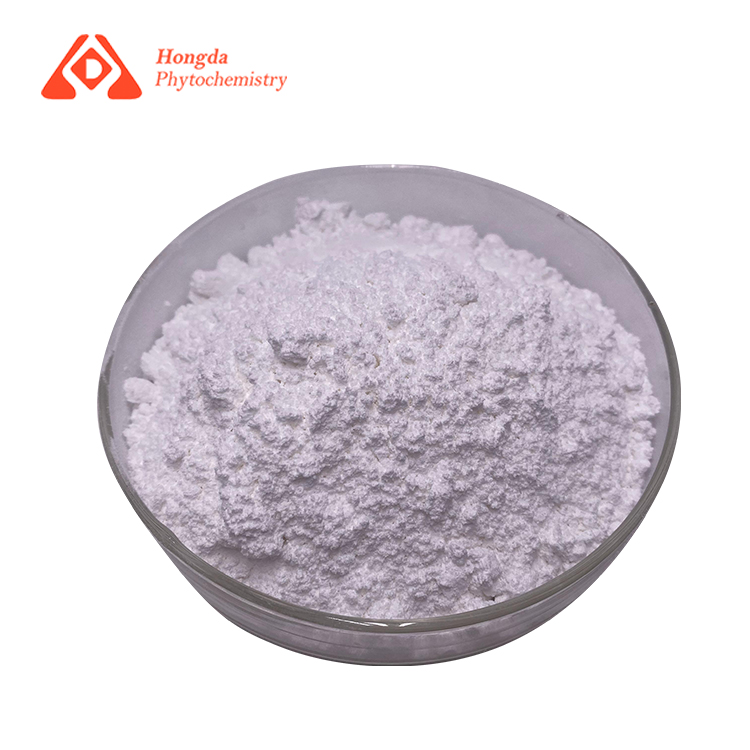
Transforming liquid liposomal solutions into stable powders requires specialized drying techniques that preserve vesicle architecture. Freeze-drying, or lyophilization, represents the gold standard for pharmaceutical applications. For this method to work, the liposomal fluid must be frozen below -40°C. A vacuum is then used to push the ice directly from the solid to the vapor phase. This leaves behind a powder that has been dried but still has the shape of the liposomes. Compared to freeze-drying, spray-drying is easier to work with and costs less. In a warm room, the method breaks up the liposomal fluid into tiny drops. The water leaves quickly because the lipid droplets harden around the resveratrol core. It is possible to avoid heat damage and get the powder properties you want by fine-tuning the feed rates, temperatures, and atomization pressures. Spray-drying, on the other hand, might not keep the Packaging as well as freeze-drying.
To keep the liposomes from breaking when the water is taken away, cryoprotectants are added before they are dried. These can be trehalose, mannitol, or sugar. These molecules work together to make a barrier that keeps the vesicles' shape and spacing stable while they dry. This keeps the powder's bioavailability and makes it last a lot longer.
Quality Control and Testing in Manufacturing
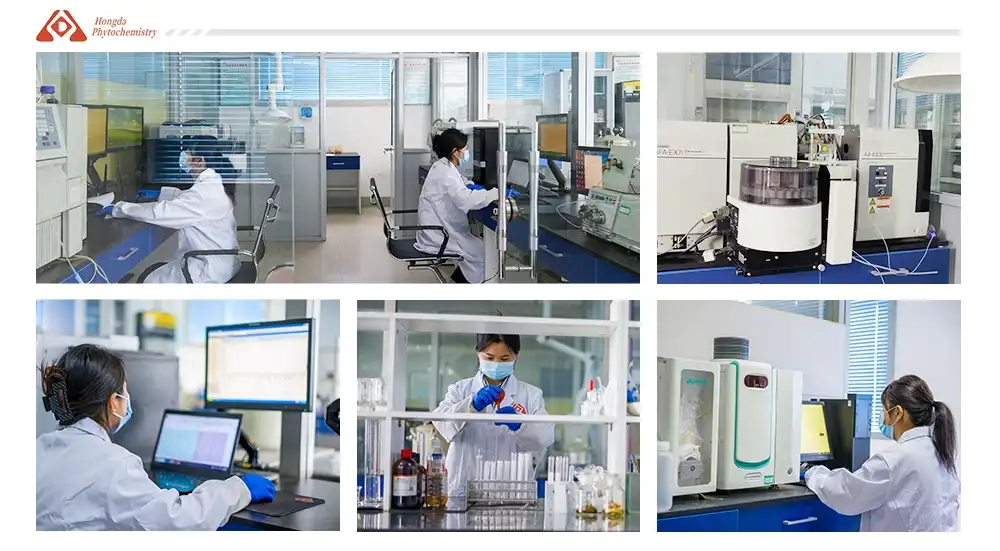
Goods that haven't been through many tests differ from pharmaceutical-grade liposomal resveratrol powder. Business-to-business buyers need proof of consistent quality measures that can tell them if something will work with living things and follow the rules.
Analytical Testing Protocols
People who study particle size distribution use dynamic light scattering or laser diffraction to find out how big vesicles are. The D50 number should be between 100 and 300 nm, and the polydispersity index should be less than 0.3. This means that all of the particle populations should be the same. These factors must stay the same from one batch to the next so that absorption rates are the same across all lots. Zeta potential studies look at how surface charges change the stability of a solution and the way cells talk to each other. Values between -20 and -40 mV show enough electrical resistance to keep vesicles from sticking together while being stored. This keeps cells working and makes the output last longer.
Testing the effectiveness of encapsulation compares the amount of resveratrol that is successfully incorporated into liposomal structures to the amount of medicine that is floating around freely. One way to do this is to separate unencapsulated material from liposomes that are still whole using ultracentrifugation or gel filtration chromatography. Then, spectrophotometry is used to find out how much of each group there is. The benefits of solubility are at their highest when premium things have uptake rates higher than 85%. The quality and amount of trans-resveratrol are checked using high-performance liquid chromatography (HPLC) with UV detection. It also looks for signs that it may be breaking down into cis-resveratrol or oxidation products. Most of the time, standards call for at least 90% trans-resveratrol and no more than 2% breakdown products.
Stability and Shelf-Life Validation
A lot of heat and humidity (40°C/75% RH) and fast, stable tests can tell you how well something will store for a long time. Over the course of 6 months, measuring particle size, pill effectiveness, and resveratrol content at set times can help you figure out what to throw away and how long to keep it. Hongda and other modern manufacturers make goods that can be kept at room temperature for 24 months. The results of quick tests are backed up by real-time stability studies carried out at the recommended storage temperatures. These studies also meet legal standards. Over the course of these long-term studies, the look, amount of wetness, resistance to microbes, and ability to stay useful throughout its entire shelf life are all tracked.
To find out how much something breaks down in light, a test called photostability is used. This is important because resveratrol is affected by UV light. Light that is controlled shines on the goods at the same level of brightness that they would be exposed to when they are usually kept and handled. They are also regularly checked to see how fast the trans-to-cis isomerization rates and antioxidant capacities stay the same.
Regulatory Compliance and Certification
There are many rules you must follow to enter foreign markets. Good Manufacturing Practice (cGMP) certification makes sure that companies have the right tools, keep an eye on their settings, keep good records, and train their workers. At accepted sites like Hongda, the 100,000-level filter workshop makes sure that the work areas are clean and meet international standards. The product's specs are checked by SGS or other approved labs that are not connected with the company. This makes people more likely to believe the claims about quality. Heavy metal testing, herbicide residue analysis, and bacterial tests all show that the substance is safe enough to be used as medicine.
Some markets need certificates that are only good for those places. The HALAL and KOSHER Certifications make it easy for people who have to follow religious food rules to get to the market. If a product has the ORGANIC approval, it means that it was made and sourced from natural sources. It is easier to get into the U.S. market if you are registered with the FDA, and BRC, ISO22000, and FSSC22000 standards prove that a food safety management system is working well for healthy uses. Full lot traceability systems let you quickly answer quality questions and meet audit standards from pharmaceutical buyers and regulatory authorities. These systems show you where the raw materials come from and how they are packaged at the end.

How Does Manufacturing Quality Impact Performance and Procurement Decisions?
Precision in production directly affects how well healthcare works and how much money a business makes. If you understand these links, you can make smart decisions about buying that balance the need for efficiency with the need to save money.
Bioavailability and Therapeutic Efficacy
If you make liposomal resveratrol the right way, it can reach levels in your blood that are 15 to 20 times higher than the same doses of regular powder. There are several reasons for this huge improvement: stomach acid keeps the substance stable, phospholipid layers make absorption easier in the intestines, and lymphatic uptake skips the first step of processing in the liver. When treatment fails, big things happen. Anti-aging drugs need to keep resveratrol levels in the blood high to keep antioxidant activity high in cells and to activate SIRT1 and other pathways for aging. Applications in heart health depend on a stable intake to improve the function of arteries and lower inflammation. Some products don't give these benefits even though the box says they have the same amount of resveratrol. This is because they weren't made well or weren't encapsulated well.
How close the particle sizes are changes how regularly they absorb. Products with small size ranges have pharmacokinetic profiles that are easy to predict. This lets doctors give the right dose advice. Because the product wasn't made well, particles of different sizes are absorbed in different ways. This makes practical use harder and could cause changes in how well different groups work.
Cost-Performance Analysis
It costs more to make than simple resveratrol powders because of more complex production methods. There needs to be a lot of money spent on high-pressure blending tools, freeze-drying equipment that is safe for pharmaceuticals, and a full system for quality tests. Because of these fees, the cost of liposomal goods has increased. On the other hand, when absorption is high, smaller amounts can do the same job in the body. Formulas with only 20% of the resveratrol amount can still work just as well as the original ones, with the help of a product that makes absorption 20 times better. It may be easier for people to take smaller pills or tablets, so this lower amount can help make up for the higher cost of the ingredients.
How the company is positioned can also change how much it is worth. Since high-end anti-aging and life products cost more, it's more important that the ingredients work well than how much they cost. Bioavailability benefits that have been proven back up marketing promises and top placement. This could mean that even though ingredients cost more, the company makes more money overall.
Supplier Evaluation Criteria
In the business-to-business market, buyers should give top consideration to companies that have full quality systems. Current cGMP approval proves that the building was built properly, the equipment was checked out, and the process was put to the test. ISO standards make sure that methods for quality control help keep work uniform. Independent confirmation of standards comes from checking papers made by a third party. Advanced makers are different from basic sellers because they have technical skills. In-house testing labs with HPLC, particle size monitors, and zeta potential tools make it possible to check quality in real time. Formulation experts on R&D teams help with private development projects that need a unique set of ingredients. This gives companies an edge over their competitors.
How easy it is to buy things and how well inventory is handled are both affected by minimum order quantities. Manufacturers with a good name, like Hongda, offer 1 kg MOQs. This means that samples and small amounts can be made at the start while still meeting quality standards. This gives you more choices, which lowers the risk to your money while the product is being made. Dependability in the supply line is very important for big projects. There will always be enough because they can make 3,000 tons per year, even if demand goes up. It is easier to move goods between countries when there are public foreign warehouse names. Customers in North America and Europe also have shorter wait times.
Being honest about where the data comes from, how it is handled, and its quality builds trust, which is important for relationships that last. Providers who are willing to provide full certificates of analysis, data on stability, and formal paperwork show that they care about their clients' success and play by the rules.
Future Trends in Liposomal Resveratrol Powder Manufacturing
As the market changes and new tools come out, they change how things are made and how competition works. Plans that look to the future take these changing trends into account when you buy something.
Next-Generation Encapsulation Technologies
When targeted proteins are added to new phospholipid formulations, they may help get the drugs to cells more efficiently. Adding peptides or antibodies to liposomes that bind to certain cell surface receptors could make it much easier for them to gather in certain tissues. This is very helpful for medical uses that need to target certain areas or cell types. When extra protective layers are added to liposomal structures, the security of the mixed encapsulation systems improves. By adding chitosan or other materials to liposomes, you can make multi-barrier systems that don't break down in the environment but still help with absorption. With these new ideas, things can be kept on the shelf longer and added to foods or drinks that are hard to make. Chemical solvents are bad for the earth, but supercritical fluid methods that use carbon dioxide are better. These methods make liposomes that are all the same and don't leave behind any fluids. This is better for the environment and could lower costs by making it easier to clean up.
Sustainable Sourcing and Green Manufacturing
More people want to protect the earth, so the need for organic and non-GMO phospholipid sources is rising. Because it has more phosphatidylcholine and doesn't come from soy, sunflower lecithin is better than soy-based choices. All parts of the supply chain must be certified organic, from the ingredients used to make resveratrol to the phospholipids that carry it. This helps goods have clean labels, which more and more health-conscious customers want. The carbon impact of a business is smaller when it uses less energy to process things. More up-to-date freeze-drying machines with better cycle times and heat return methods use less energy per kilogram of output. It is better to use resources and make less trash when you use continuous processing methods instead of batch processes. Structures and gadgets that recycle water and chemicals are good for the environment and save money. Businesses can meet their green goals and cut costs at the same time with closed-loop processes. This gives environmentally friendly businesses an edge in the market.
Automation and Digital Process Control
Industry 4.0 technologies change how production is tracked and quality is checked. Real-time particle size monitors are built into production lines. They let changes be made to the process right away, so tight specifications can be met without any batch failures. People make more mistakes when they test and sample things by hand. Automated systems speed up quality checks, shorten production cycles, and increase output. Blockchain-based tracking and digital batch records make the supply chain more open and help businesses follow the rules. Full digital records are kept from the raw materials to the final package. These records meet audit standards and make it easy to look into quality problems quickly. This technology framework will be great for people in the pharmaceutical business who need strong quality systems. When sensor data and machine learning are used in predictive maintenance systems, equipment failure is cut down and quality doesn't go down because of technical issues. These skills help make sure that production is steady and dependable, which is important for strict uses in pharmaceuticals and nutrition.
Market Growth Drivers
Because people in developed markets are living longer, more of them want anti-aging and life extension. People in Europe and North America want to age in a healthy way that has been proven by science. This opens up new business opportunities for soluble resveratrol mixtures that have been shown to work. A new area of use is in the useful food and drink business. Powders that dissolve in water can be used to add resveratrol to drinks, protein powders, and snack foods. This means that vitamins can be taken in more than just pill form. Now that the market is bigger, people who sell ingredients have more ways to make a lot of money. Personalized diets are making it important to have recipes that can be changed and the freedom to make goods under one's own brand name. Contract manufacturers that offer custom specs, white-label services, and flexible production amounts are capitalizing on the growth opportunities in the supplement channels that are sold directly to consumers and by doctors.
Harmonization attempts in regulations make it easier for well-known companies with full certification packages to enter foreign markets. On the world market, suppliers who have FDA, EFSA, or other regional certifications are more competitive. This helps business plans that focus on exports.
Conclusion
For the high price of liposomal resveratrol powder to work, it needs to be made with cutting-edge technology, strict quality control systems, and full compliance with all regulations. The process of making the product is very important. It involves picking the right raw materials, managing the formation of liposomes, drying them in a way that is safe for medicinal use, and conducting numerous scientific tests. Brands that can show they have cGMP approval, a stable supply chain, and the technical know-how to support custom development should be given more weight by business-to-business buyers. As the market for anti-aging products backed by science grows, brands can be more competitive in the growing nutraceutical markets by working with providers who are on the cutting edge of technology and offer clear quality paperwork and a range of production choices.
FAQWhat differentiates liposomal resveratrol from standard resveratrol powder?
Liposomal forms have resveratrol in the form of phospholipid vesicles, which makes it much easier for the body to absorb, going from less than 1% to 15-20 times higher bloodstream levels than with regular solid powder. Resveratrol doesn't break down in the gut because of the phospholipid membrane. This makes it easier for the body to receive it through the lymphatic system. In this way, it stays away from the first-pass liver metabolism that breaks down most resveratrol. Low amounts of the drug work better because of this change in molecules.
Which manufacturing controls most influence encapsulation efficiency?
Phospholipid-to-resveratrol molar ratios, hydration temperatures, homogenate pressures, and particle size control are some of the most important factors. Ratios between 10:1 and 20:1 are best because they fit the need to load with the safety of the vesicle. Care must be taken to keep the water temperatures above the points at which the phospholipid phases change so that the resveratrol does not break down. You get drops that are all the same size when you use high-pressure homogenization at least 15,000 psi. As long as the full process is checked and approved, all production runs will have the same closing rates of more than 85%.
What certifications indicate reliable liposomal resveratrol powder suppliers?
This cGMP license makes sure that the places where the products are made and the quality control methods used are up to par. The standards ISO9001 and ISO22000 show how to deal with quality and food safety. The guidelines are confirmed by testing by a third party outside of SGS. To get into the U.S. market, you need to get FDA permission. Some areas need certifications like HALAL, KOSHER, and ORGANIC. Suppliers with a lot of different certificates show that they care about quality and follow the rules. This is important for pharmaceutical and nutritional uses that need products to meet strict standards.
Partner with a Certified Liposomal Resveratrol Powder Manufacturer
Shaanxi Hongda Phytochemistry Co., Ltd. sells wholesale resveratrol powder that is safe for use in medicine. This powder is meant to be more soluble and equal in quality. From 2001 to now, our cGMP-certified plant has been making pure herbal goods for the pharmaceutical, nutraceutical, and skincare industries all over the world. Our improved packaging method works more than 85% of the time, and the particles are the right size, between 100 and 300 nm, so cells can take them all in. Our numerous approvals, including FDA, ISO, HALAL, KOSHER, and ORGANIC, allow us to sell our products worldwide. Also, our minimum order size of 1 kg means that we can help with both product creation and mass production. The research and development team at our company is very skilled and can help with making new formulas. Our lab is also SGS-certified. You can email our technical experts at duke@hongdaherb.com to discuss your needs for selling liposomal resveratrol powder and to ask for specific certificates of analysis that show how committed we are to quality.
References
1. Amri, A., Chaumeil, J.C., Sfar, S., & Charrueau, C. (2012). Administration of resveratrol: Oral bioavailability and pharmacokinetics. Molecular Nutrition & Food Research, 56(1), 159-170.
2. Davidov-Pardo, G., & McClements, D.J. (2015). Nutraceutical delivery systems: Resveratrol encapsulation in biopolymer particles. Food Chemistry, 167, 325-332.
3. Frozza, R.L., Bernardi, A., Paese, K., Hoppe, J.B., da Silva, T., Battastini, A.M., Pohlmann, A.R., Guterres, S.S., & Salbego, C. (2010). Characterization of trans-resveratrol-loaded lipid-core nanocapsules and tissue distribution studies in rats. Journal of Biomedical Nanotechnology, 6(6), 694-703.
4. Pandit, J., Sultana, Y., & Aqil, M. (2017). Chitosan-coated PLGA nanoparticles of bevacizumab as novel drug delivery to target the retina: Optimization, characterization, and in vitro toxicity evaluation. Artificial Cells, Nanomedicine, and Biotechnology, 45(7), 1397-1407.
5. Sessa, M., Balestrieri, M.L., Ferrari, G., Servillo, L., Castaldo, D., D'Onofrio, N., Donsi, F., & Tsao, R. (2014). Bioavailability of encapsulated resveratrol in nanoemulsion-based delivery systems. Food Chemistry, 147, 42-50.
6. Zu, Y., Zhang, Y., Zhao, X., Zhang, Q., Liu, Y., & Using response surface methodology, we optimized the preparation process of vinblastine sulfate (VBLS)-loaded folate-conjugated bovine serum albumin (BSA) nanoparticles for tumor-targeted drug delivery. International Journal of Nanomedicine, 7, 1589-1602.