How Is Liposomal Iron Powder Manufactured for High Stability?
2026-06-23 14:40:42
Liposomal iron powder is made using advanced Packaging technology that surrounds iron particles in phospholipid bilayers. This forms a shield that protects the powder and makes it more stable and bioavailable. The process includes choosing high-purity iron sources, making nano-sized liposomes using thin-film hydration or microfluidization, and using controlled drying methods like spray or freeze-drying to keep the iron's structure intact during storage and shipping.
Understanding Liposomal Iron Powder and Its Stability
One important question has always been central to iron supplementation: how can we get iron to people without making them feel bad? This balance has been hard for traditional iron supplements, but liposomal iron powder capsule technology has completely changed the game.
What Makes Liposomal Technology Different?
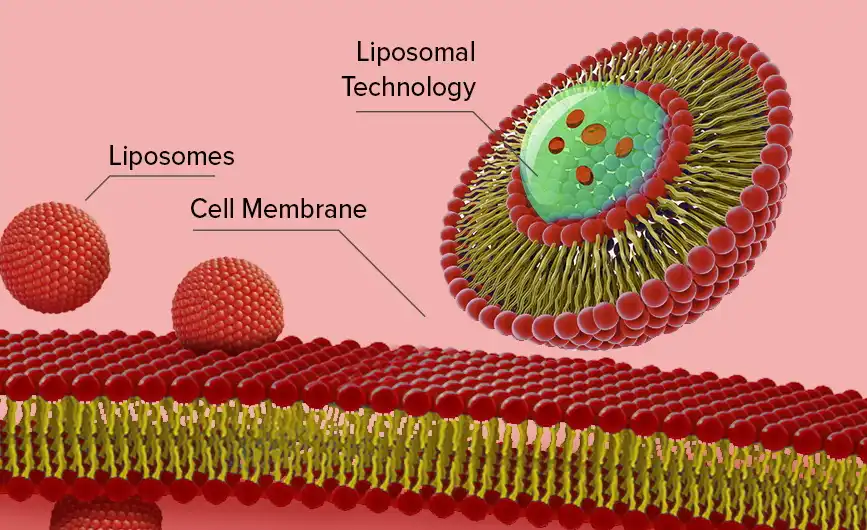
Liposomal technology uses phospholipid bilayers to hold active ingredients inside, just like the body's natural cell walls. This method, when used for iron supplements, creates tiny spheres that prevent iron molecules from breaking down or oxidizing. The phospholipid structure, which is usually made from non-GMO soy or sunflower oils, protects the iron particles by keeping them from coming into direct touch with the walls of the digestive tract. This keeps side effects like nausea and constipation to a minimum.
The Stability Challenge
Stability is the most important thing for making liposomal formulas work. When iron is introduced to air, water, or changes in pH levels, it naturally oxidizes. This oxidation not only makes the formula less effective, but it can also cause other formula ingredients to interact with each other. Liposomal encapsulation fixes this weakness by building a lipid-based wall that protects iron from different weather circumstances. At Shaanxi Hongda Phytochemistry, we keep the packaging efficiency above 85%, which makes sure that the product works the same way throughout its shelf life.
Why Does Stability Matter for B2B Procurement?
When B2B clients buy products on an industrial scale, they can't afford for them to be inconsistent. As a product is stored, it breaks down, which can cause batch differences, problems with regulations, and finally, risks of pulling the product from the market. High-stability liposomal iron powder keeps its bioavailability and safety profile from the time it is made until it is used. This gives buying teams accurate specs that meet international standards. The ability to be consistent is especially helpful when making goods for sensitive groups, like pregnant women and kids.
Core Steps in the Manufacturing Process of Liposomal Iron Powder
From the raw materials to the finished Liposomal Iron Powder, the process is very carefully controlled and has many steps. Each step helps make the end product stable and effective.
Raw Material Selection and Quality Standards
The first step in making something is getting pharmaceutical-grade phospholipids and premium-grade iron molecules. We use iron sources with the CAS number 334-50-9, which are carefully checked by SGS-certified labs as a third party. To make sure the bilayers form properly, the phospholipids must be pure and contain at least 65% phosphatidylcholine. Before going into production, every batch of new materials goes through a series of tests to check for heavy metals, bacterial contamination, and chemical purity.
The quality of the phospholipids has a direct effect on how well they encapsulate and how stable they are over time. Non-GMO sunflower phospholipids that meet FDA GRAS standards and EU EFSA nutritional supplement rules are where Hongda gets them. This careful selection process makes sure that all of our main sales channels—in North America, Europe, and Asia—are in line with the rules.
Liposome Formation and Encapsulation Optimization
The method of encapsulation affects both how stable the end product is and how bioavailable it is. Industrial production is mostly based on two main methods:
Thin-Film Hydration: This method breaks down phospholipids in organic solvents. The phospholipids are then evaporated under pressure to leave behind a thin film of lipids on the sides of the vessels. When a liquid iron solution is added, the film gets wet and forms multilamellar vesicles. Thereafter, sonication or extrusion lowers the particle size to the best range of 100–200 nm, which allows for the best absorption through M-cells in the small intestine while keeping the structure stable.
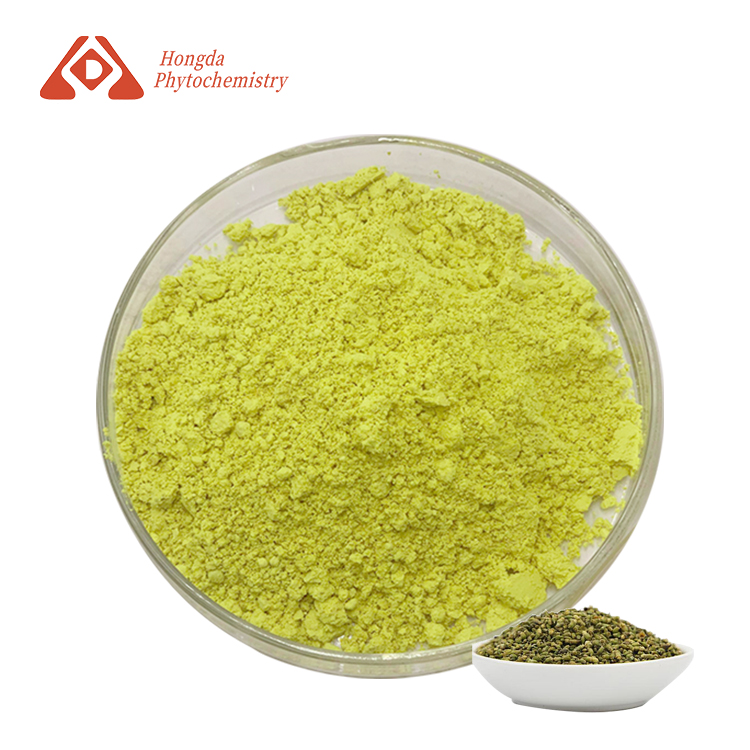
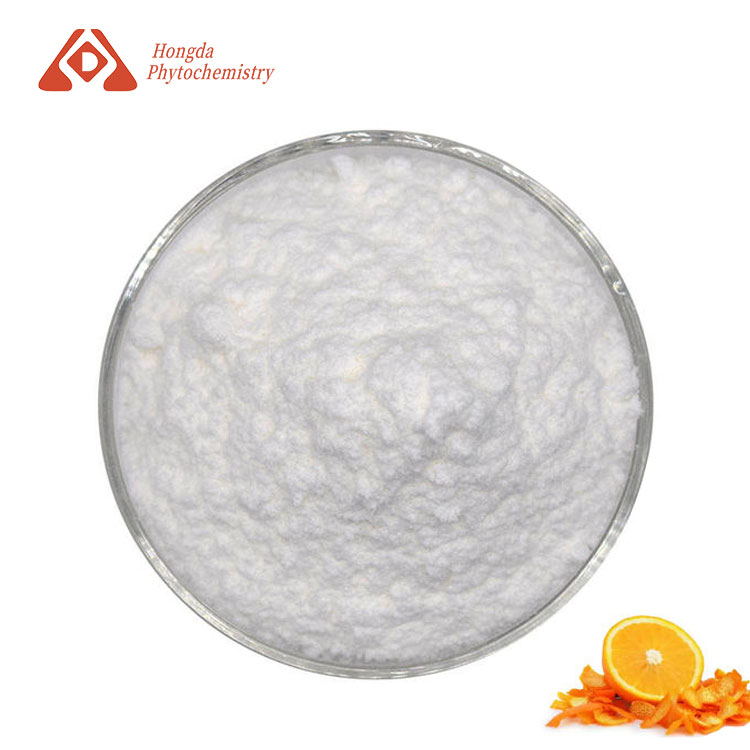
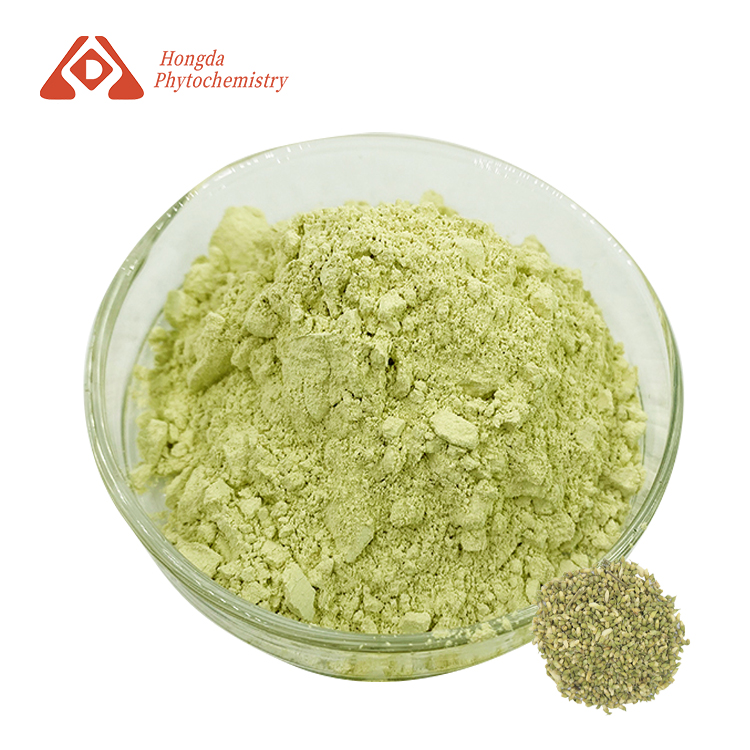
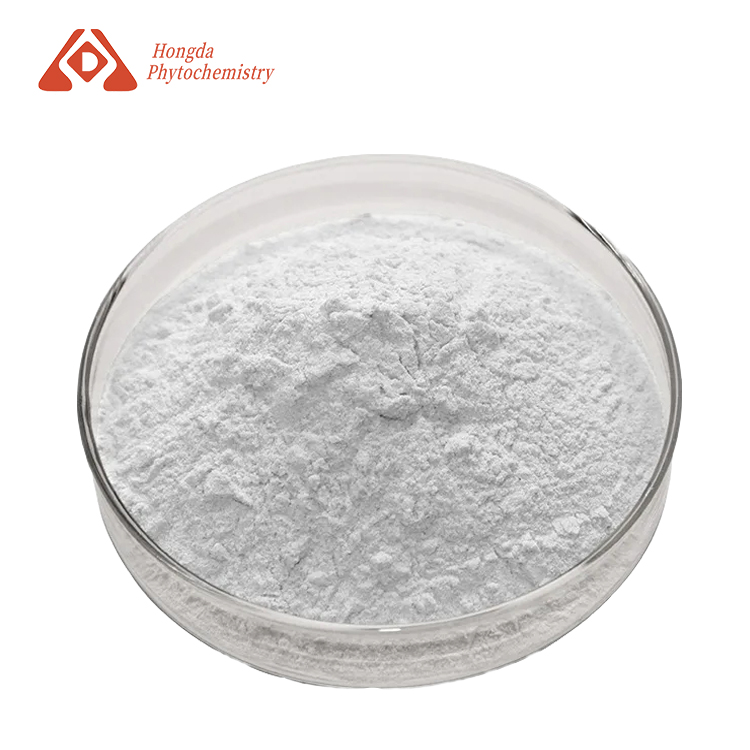
Microfluidization: This high-pressure method pushes iron solutions and lipid droplets through very small tubes. The shear forces create liposomes that are all the same size. Compared to other ways, microfluidization gives you better control over how particles of different sizes are distributed and how well they are encapsulated. This technology is used by our plant to make sure that our off-white to light yellow powder always has the required 50% iron content.
The encapsulation step requires precise control of temperature, pH, and mixing speeds. We keep the production temperatures between 40°C and 60°C to keep the phospholipids flexible and to keep the iron compounds from breaking down at high temps. The pH is carefully set to a neutral level so that the iron stays safe in the liposomal core and doesn't start any oxidation processes.
Advanced Drying Techniques for Powder Stability
A lot of technical work goes into turning liquid liposomal solutions into stable powders. The drying method has to keep the liposomes' structure while getting rid of any water that could cause iron to oxidize.
Spray Drying: This quick method breaks down liposomal solution into tiny drops that come into contact with hot air and evaporate water within seconds. The quick process keeps the iron content and phospholipid bilayers from being damaged by heat. Spray drying makes powders that are easy to mix back together, but it needs safe carriers like trehalose or maltodextrin to keep liposomes from collapsing during the process.
Freeze Drying: This method freezes the liposomal solution and removes the water through sublimation under pressure. It is also called lyophilization. Freeze drying is the best way to keep the structure and effectiveness of liposome encapsulation, often topping 90% retention rates. The process takes longer and costs more than spray drying, but it gives better stability, which is important for medicinal uses.
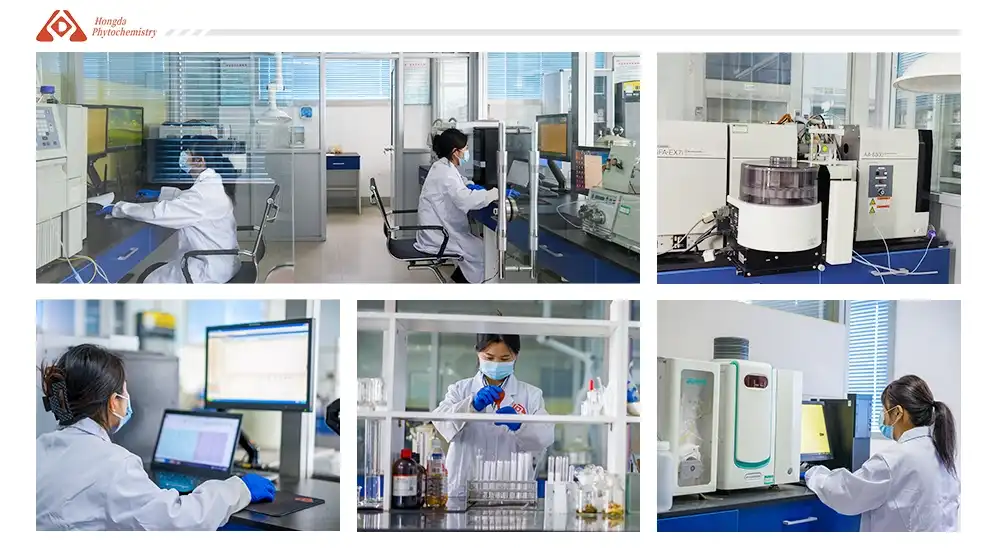
We use both methods at our 20,000-square-meter cGMP-certified plant, based on what the client wants and how it will be used. Our production lines have high-tech tracking systems that keep an eye on important factors during the drying process. This makes sure that all 27 drums on each production tray are the same from batch to batch.
Liposomal Iron Powder Specification
|
Parameter
|
Specification
|
|---|---|
|
Product Name
|
Liposome Iron Powder
|
|
Iron Content
|
50%
|
|
Appearance
|
Off-white to Light yellow fine powder
|
|
CAS Number
|
334-50-9
|
|
Particle Size (D90)
|
<10μm to <30μm
|
|
Encapsulation Efficiency
|
≥85%
|
|
pH Stability
|
Stable at pH 1.2-7.4
|
|
Solubility
|
Water-dispersible
|
|
Packaging
|
12kg/drum, 27 drums/tray
|
|
Shelf Life
|
24 months
|
|
Storage
|
Cool, dry place
|
Comparing Traditional Iron Supplements with Liposomal Iron Powder
Knowing the differences between regular iron formulas and liposomal iron powder options can help you understand why procurement experts are favoring advanced delivery systems more and more.
Bioavailability and Absorption Efficiency
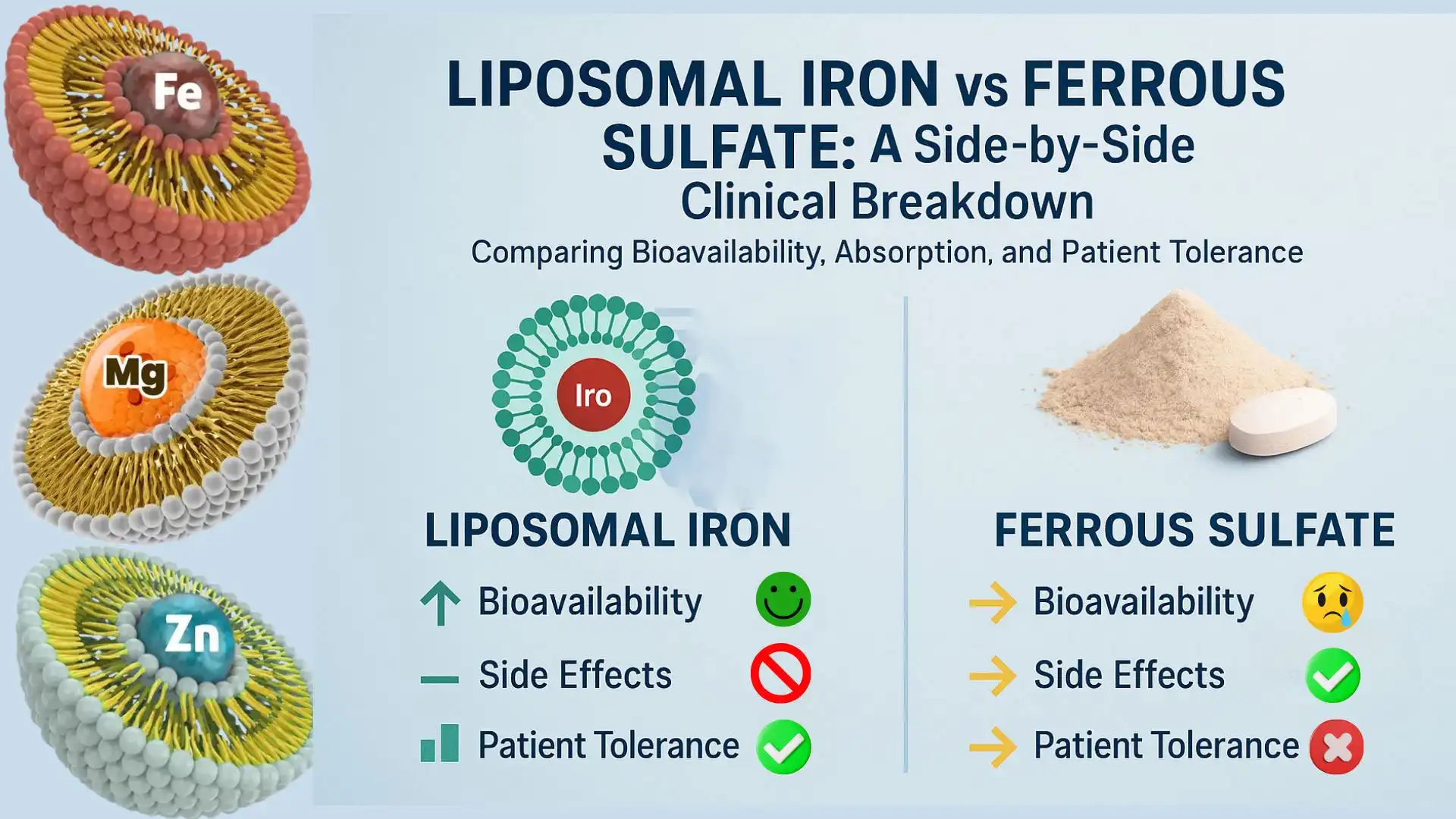
In ideal settings, traditional iron salts like ferrous sulfate or ferrous fumarate show uptake rates below 10%. Iron absorption is slowed down by stomach acid, food components, and fully saturated DMT-1 transport proteins. Liposomal encapsulation gets around these problems by directly absorbing the drug through lymphatic routes in the intestines. This makes the drug 3.5 to 5 times more bioavailable than with normal formulations. Because of this better absorption, smaller doses can still be used while still being effective, which saves makers money on raw materials.
Gastrointestinal Tolerance Profile
The most important improvement that liposomal technology brings is much better tolerance. Because iron ions directly touch and upset the digestive mucosa, traditional iron supplements often make people sick, have stomach pain, and have trouble going to the bathroom. The phospholipid barrier in liposomal products stops this direct touch, which makes stomach problems almost impossible. This benefit opens up more market possibilities for goods that are aimed at groups that often have trouble taking iron supplements as directed.
Manufacturing and Formulation Flexibility
Traditional iron compounds are hard to make because they taste rusty, stain teeth easily, and combine badly with other ingredients like vitamin C or omega-3 fatty acids. These restrictions limit the types of products that can be made and take a lot of work to hide the taste. Liposomal iron powder can be easily mixed into useful foods, drinks, tablets, and capsules without changing the taste or breaking down the ingredients. Because of this, product makers can come up with new formulas that appeal to a wide range of tastes in global markets.
The power of liposomal forms to resist oxidation also makes them last longer and makes keeping them easier. To keep them from going bad, regular iron supplements need to be stored in climate-controlled environments and protected in safe packages. Liposomal products work well at different pH levels and temperatures, which makes logistics and delivery easier for global supply lines.
Quality Control and Assurance for High-Stability Liposomal Iron Powder
To consistently deliver high-quality goods, you need to follow strict testing methods and foreign certification standards for liposomal iron powder.
Stability Testing Protocols
A stability study includes several external stress tests that mimic the conditions of storage and distribution. Temperature cycling tests put samples through changes in temperature and cold to see how well they keep their packaging over time. Moisture protection, which is important for keeping iron from oxidizing, is tested by exposing it to humidity. Light stability tests tell us what kind of packaging is needed to keep sensor parts safe.
Our testing procedures check several important factors. Using dynamic light scattering to look at particle size distribution shows that liposomes stay in the best size range of 100–200 nm for the whole shelf life. Testing the iron content to see how well the encapsulation works confirms that at least 85% of the iron stays inside the phospholipid bilayers. These methods of analysis give us numbers that back up claims of steadiness and regulatory submissions.
Regulatory Compliance and Certification
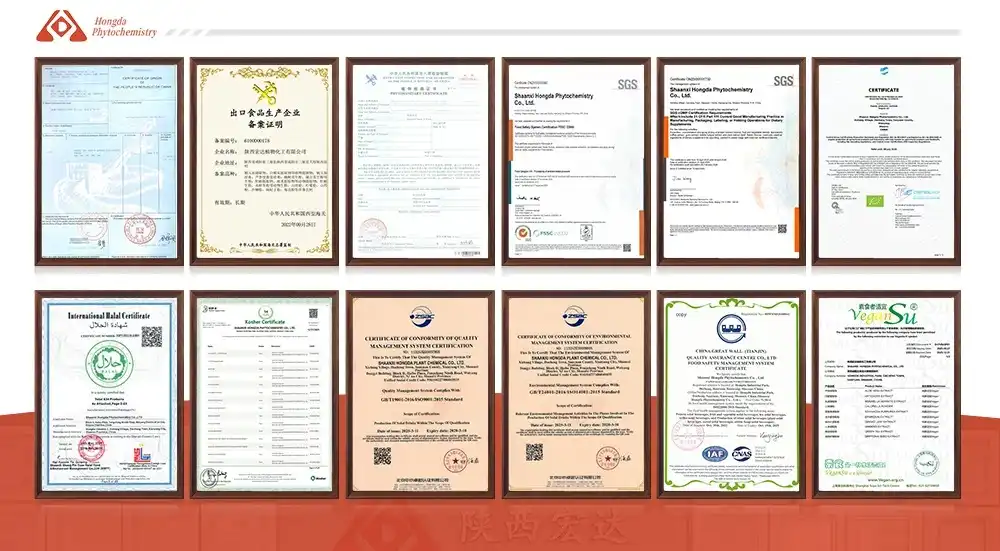
When doing business around the world, sellers have to show that they follow a lot of different rules. Some of the licenses that Shaanxi Hongda Phytochemistry keeps up to date are ISO9001 for quality management systems, ISO22000 for food safety management, and FSSC22000 for all-around food safety. Our plant has FDA registration for entry to the U.S. market and BRC certification for distribution in Europe, along with cGMP certification that shows pharmaceutical-grade production practices.
Specialized Certifications open up more job possibilities. With HALAL and KOSHER approvals, products can be sold in places where certain religious diets are followed. ORGANIC certification is appealing to people who buy green goods. These credentials come from thorough third-party checks carried out by independent certification groups. They give procurement teams confirmed proof of the quality of the making.
Supplier Transparency and Documentation
Business-to-business buyers need a lot of proof to back up promises about product quality and specs. We give full Certificates of Analysis for each batch, which include test results for heavy metals, strength, cleanliness, and the number of microbes that can be present. Records of manufacturing batches show that verified production methods are being followed. Claims about shelf life are backed up by data from stability studies.
Traceability in the supply line is part of transparency. We keep full records that show where the raw materials come from and how they are used until the finished product is shipped. This lets us quickly answer questions about quality and meet legal requirements in highly regulated markets like North America and Europe. This framework for documentation gives procurement workers more trust as they look at possible sellers.
Procurement Considerations for Bulk Liposomal Iron Powder
To ensure the supply chain works well in the long term, sourcing choices for liposomal iron powder need to take into account more than just price.
Evaluating Manufacturing Capacity and Technical Expertise
When setting up solid ingredient sources, production scale is important. Facilities must show that they have the space to handle both present order amounts and future growth. With ten natural plant extract production lines, we can adjust production to meet customer needs. Typical wait times for order delivery are three to seven business days. This quick turnaround helps just-in-time stocking tactics that cut down on the cost of storage.
Technical skills set experienced makers apart from commodity sellers. Our research and development team is made up of more than 20 professors from well-known universities who work together to create custom formulations. This knowledge is useful for clients who need secret specs or help making liposomal formulas work better for certain uses. Time-to-market for new formulations is sped up by being able to offer expert help during product creation.
Negotiating Specifications and Commercial Terms
Clear specs are the first step to building good buying relationships. The normal size of our liposomal iron powder is 12 kg, and it comes in 27 drums per tray. It has a 50% iron content and is an off-white to light yellow powder. These specs are good for most uses, but we can also meet special requests for things like different iron concentrations, different packing arrangements, or unique quality standards.
Minimum order amounts make sure that both customer wants and production efficiency are met. Understanding the reasoning behind MOQ helps customers decide how much product to keep to get the best deal on costs and meet their working capital needs. Pricing based on volume rewards bigger promises while keeping prices low enough for new brands to test market ideas. Clear talks about prices that take into account the costs of raw materials, the difficulty of production, and certification needs help businesses work together in a way that benefits both parties.
Ensuring Product Integrity During Distribution
For the supply chain to stay stable, the right way to package and move goods is essential. The usual drum packaging we use keeps the goods safe from water, light, and damage while they're being shipped. The 12 kg drum size is the best compromise between ease of handling and material safety, and the 27-drum tray arrangement makes the best use of shipping containers.
Temperature control during shipping protects the quality of the product, but liposomal iron powder that has been made correctly stays stable in normal shipping circumstances. Shipments come with paperwork that includes specific storage directions, suggested shelf lives for different conditions, and safety tips for handling. This information helps receiving centers set up the right storage rules to keep the integrity of the product until it is used for the last time.
When sending goods internationally, there are extra things to think about. Because we've worked with customers in North America, Europe, Asia, Vietnam, and Switzerland, we know what customs paperwork is needed, what the rules are for importing goods, and how to make the best use of resources for each location. We take care of the export paperwork and work with our freight partners to make sure that deliveries to clients in other countries go smoothly.
Conclusion
To make high-stability liposomal iron powder, you need advanced technology, strict quality control, and a lot of technical know-how. The encapsulation process changes the way iron supplements are usually made by increasing bioavailability and getting rid of stomach problems. This makes goods that meet the needs of health-conscious customers and regulatory bodies. When looking at possible providers, B2B buying teams can better evaluate them if they know about manufacturing basics, security factors, and quality assurance procedures. Partnering with companies that have a history of producing high-quality goods, clear quality systems, and full certifications is the best way to make sure that you have a steady supply of ingredients for new products and continued market growth.
FAQWhat particle size range provides optimal stability in liposomal iron powder?
When particles are between 100 and 200 nanometers in size, liposomal iron powder formulas are most stable and bioavailable. This size makes it easier for the body to absorb the drug through M-cells in the intestines while keeping the structure strong during storage. Smaller particles may break down quickly, while larger particles make absorption less effective and may settle during the keeping of a liquid mixture.
How does encapsulation efficiency affect product quality?
Encapsulation efficiency above 85% keeps iron safe inside phospholipid bilayers, stopping oxidation and keeping absorption all the way through the shelf life. When effectiveness is lower, there is more free iron outside of liposomes. This iron can cause side effects, combine with other ingredients in the formula, and break down more quickly. High sealing rates are directly linked to stable products and market acceptance.
What certifications should B2B buyers prioritize when sourcing liposomal iron powder?
International buyers should check for cGMP certification, which shows that the product meets standards for making medicines, ISO certifications for food and quality management systems, and market-specific registrations, such as FDA for sales in the U.S. or BRC for sales in Europe. Certifications like HALAL, KOSHER, or ORGANIC open up more business possibilities. An additional quality guarantee comes from SGS laboratory testing by a third party.
Partner with a Trusted Liposomal Iron Powder Manufacturer
Over the past twenty years, Shaanxi Hongda Phytochemistry has been improving the way natural extracts are used in making them. Our cutting-edge liposomal encapsulation technology makes Liposomal Iron Powder that is 85% or more bioavailable and 3.5 to 5 times more effective than standard formulas. We keep the highest quality standards at all stages of production in our 20,000-square-meter cGMP-certified building, which has SGS-verified labs. Our wide range of certifications, such as FDA registration, ISO9001, FSSC22000, HALAL, and KOSHER, makes it easy for us to sell our products in North America, Europe, and Asia. We give B2B clients the dependability and knowledge they need by offering open custom formulations, fast delivery times of 3–7 days, and a dedicated technical support team. Email our team at duke@hongdaherb.com to talk about your needs for liposomal iron powder and to get free samples to try.
References
1. McClements, D.J. (2020). "Advances in nanoparticle and microparticle delivery systems for increasing the bioavailability of nutraceuticals." Current Opinion in Food Science, 35: 217-229.
2. Akbarzadeh, A., Rezaei-Sadabady, R., Davaran, S., et al. (2013). "Liposome: classification, preparation, and applications." Nanoscale Research Letters, 8(1): 102-118.
3. Wang, J., Zhao, X., & Yang, M. (2019). "Recent advances in liposomal drug delivery: stability, formulation, and bioavailability." International Journal of Pharmaceutics, 568: 118455.
4. Patel, V.R. & Agrawal, Y.K. (2011). "Nanosuspension: An approach to enhance solubility of drugs." Journal of Advanced Pharmaceutical Technology & Research, 2(2): 81-87.
5. Müller, R.H., Mäder, K., & Gohla, S. (2000). "Solid lipid nanoparticles (SLN) for controlled drug delivery—a review of the state of the art." European Journal of Pharmaceutics and Biopharmaceutics, 50(1): 161-177.
6. Torchilin, V.P. (2005). "Recent advances with liposomes as pharmaceutical carriers." Nature Reviews Drug Discovery, 4(2): 145-160.