What Industries Commonly Use Liposomal NAD+ Powder in Formulations?
2026-06-23 14:59:36
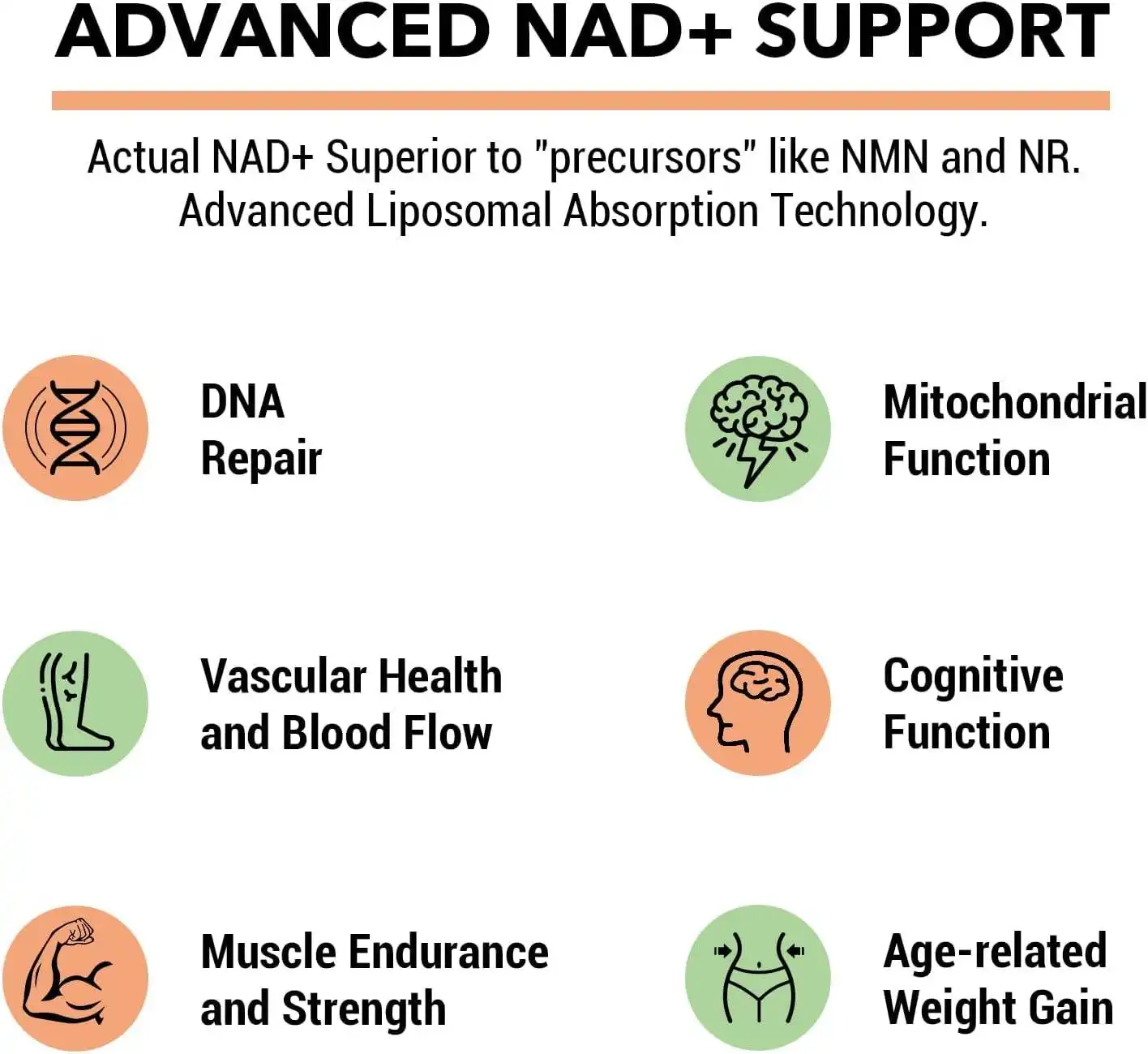
Liposomal NAD+ Powder has become a game-changing ingredient across many business-to-business (B2B) sectors, transforming how makers develop cellular health products. The main industries that use this advanced encapsulation technology are the nutraceutical industry for anti-aging supplements, cosmetics that aim to rejuvenate the skin, functional food and drink products, pharmaceutical-grade therapeutic supplements, and OEM/private label manufacturing. The powder is about 5–7 times more bioavailable than normal NAD+ forms, and it stays stable for 24 months. This makes it the best choice for procurement specialists and R&D teams that need standard, high-purity ingredients for large-scale production.
Understanding Liposomal NAD+ Powder and Its Unique Advantages
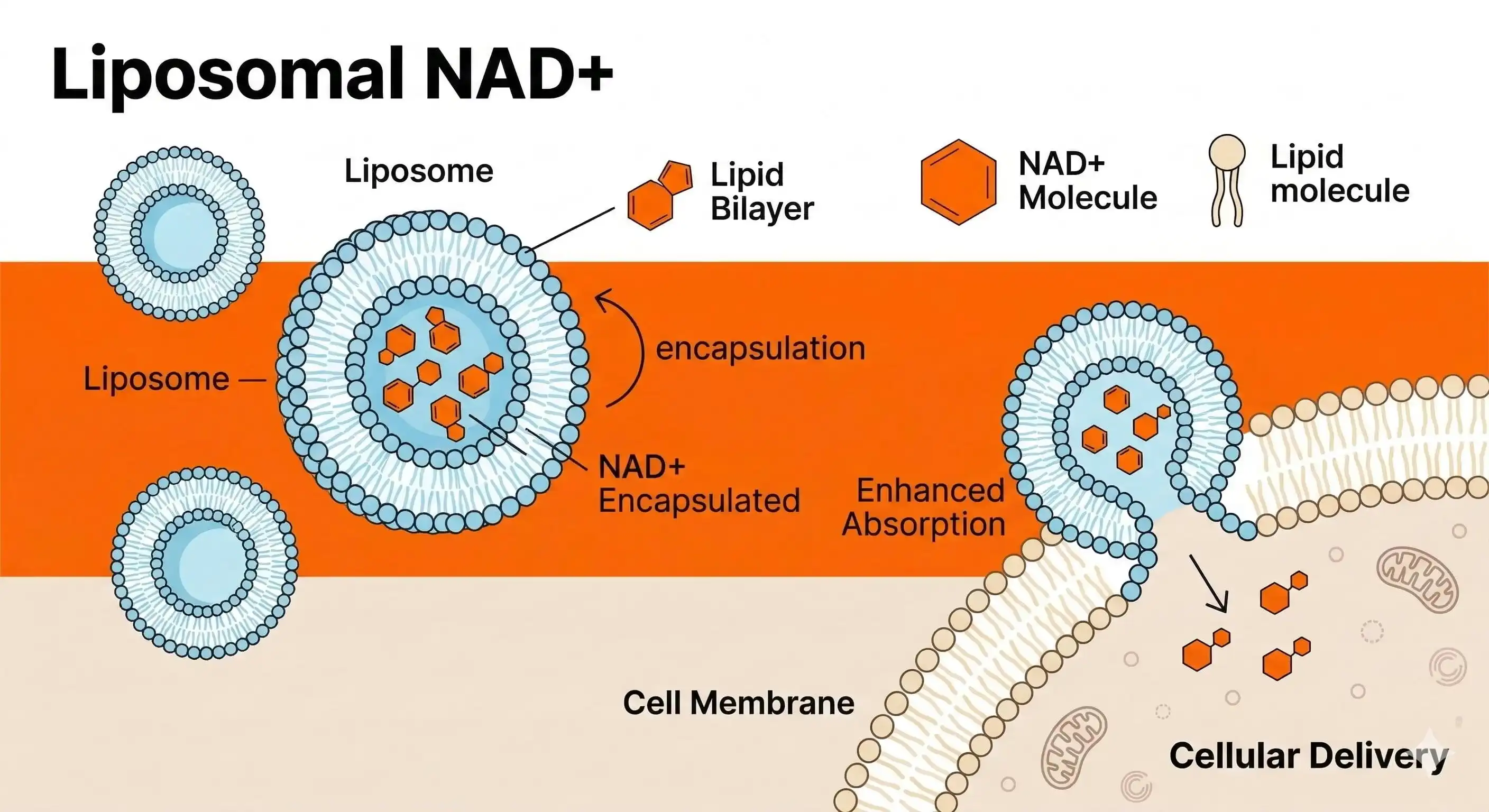
The science behind Liposomal NAD+ Powder Packaging is a big step forward for taking NAD+ supplements. Normal NAD+ breaks down quickly in the digestive system, but our phospholipid bilayer technology surrounds nicotinamide adenine dinucleotide molecules in a protected layer. This biomimetic method copies the shapes of natural cell membranes, which lets the drug get through the digestive system without any problems.
Enhanced Bioavailability Through Advanced Encapsulation
Traditional NAD+ medicines have a hard time being absorbed. Systemic access is very low because of stomach acid and first-pass digestion. Liposomal technology gets around this problem by encapsulating more than 85% of the active substance, keeping it safe during transport, and making direct fusion with gut cells easier. This method gets around common problems with absorption, making the drug 4–8 times more bioavailable than with normal formulations. This efficiency helps manufacturers make goods that show measured results, which meets the growing demand from customers for wellness solutions based on proof.
Stability and Versatility Across Product Formats
It's always hard for people who make products to find the right balance between effectiveness and shelf stability. Powder forms get rid of a lot of the problems that come with liquid ones, like the need to keep them refrigerated and the risk of rusting. When kept correctly, our Liposomal NAD+ Powder stays stable at room temperature for 24 months, which cuts down on the costs of shipping goods across foreign borders by a large amount. This benefit is especially helpful for business-to-business buyers who are in charge of handling complicated supply lines in North America, Europe, and the Asia-Pacific region. The powder can be easily mixed into pills, tablets, sachets, drinks, and skin treatments. This gives formulators more options, which speeds up the process of making new products.
Regulatory Compliance and Safety Parameters
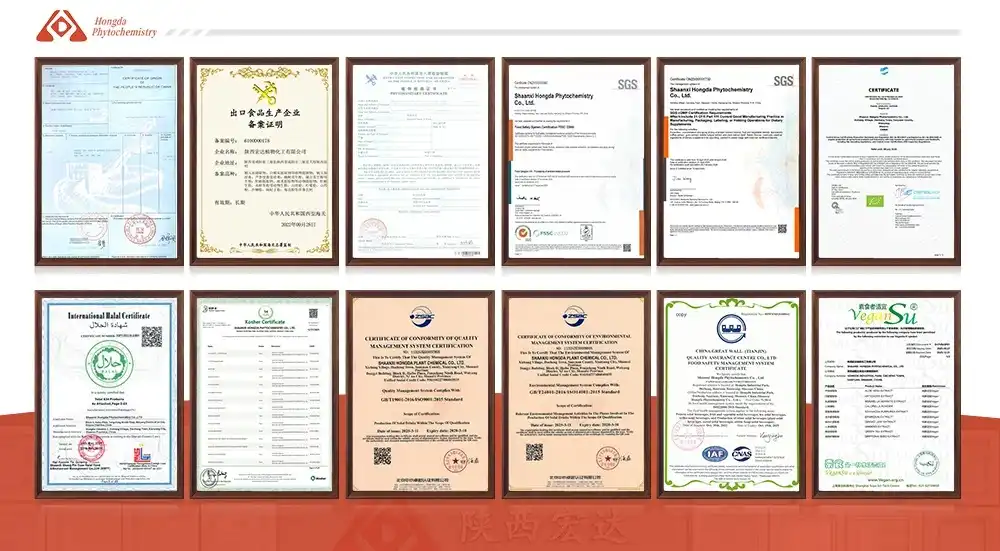
Quality control is still the most important thing when buying ingredients. Pharmaceutical-grade Liposomal NAD+ Powder goes through a lot of testing to make sure that the particles are spread out evenly and are usually between 100 and 300 nm in size, with a polydispersity value of less than 0.3. These requirements make sure that all production batches work the same way. The purity level is at least 98% NAD+, which can be confirmed using HPLC methods, and the microbe testing meets cGMP standards. This level of technical detail helps with regulatory compliance in a wide range of markets, meeting the needs of global producers who want FDA registration, HALAL, KOSHER, ORGANIC, and BRC approvals.
Industries That Commonly Incorporate Liposomal NAD+ Powder
Nutraceutical and Dietary Supplement Sector
High-bioavailability Liposomal NAD+ Powder products are in high demand in the anti-aging drug market. Nutraceutical companies make pills, tablets, and powder mixes that help cells use energy and stay healthy for longer. The compound turns on sirtuins, which are longevity proteins that help fix DNA and keep mitochondria working. This makes it useful for goods aimed at active people 35 and older. Energy-boosting ingredients use NAD+'s part in making ATP, which helps workers who work in high-stress settings deal with fatigue. When procurement teams choose liposomal versions, they gain a competitive edge through better label claims that are backed up by bioavailability data. This helps their goods stand out in crowded retail outlets that include both specialty health stores and regular pharmacy networks.
Functional Food and Beverage Manufacturing
When adding sensitive nutrients to liquid media, beverage formulators face special stability problems. NAD+ is protected by liposome packaging from changes in pH, temperature during processing, and interactions with other chemicals. This technology is used by companies that make energy drinks to give your brain long-lasting support without the jitters that come from too much coffee. The ingredient is added to meal replacements to improve their nutritional value. This makes them more appealing to health-conscious customers who want complete fitness solutions. Powder makes it easier to scale up production because it allows uniform doses across batch sizes while keeping the protective liposomal structure when it is reconstituted. Brands need to build trust with customers by making sure their products always work the same way.
Cosmetic and Personal Care Industry
Skincare innovations are focusing more and more on working at the cellular level. Liposomal NAD+ Powder is added by cosmetic makers to serums, creams, and masks that fight obvious signs of age. Liposomal delivery makes it easier for the molecule to get through the skin's defenses, which helps cells fix themselves and make energy in the dermal layers. When you mix NAD+ with other active ingredients like peptides, vitamins, and hyaluronic acid, they work together to make results that are appealing to high-end beauty markets. Clean-label marketing is good for manufacturers that work with cosmetic names in Europe and North America because plant-derived phospholipids are natural, which is what consumers want. Because liposomal transport is so technically advanced, it also supports high-priced tactics in competitive beauty markets.
Pharmaceutical and Clinical Nutrition Applications
More and more doctors are realizing that NAD+ loss can lead to metabolic disorders, neurological diseases, and normal aging decline. Researchers in the pharmaceutical industry are looking into liposomal products for therapeutic uses that need accurate dosing and regular pharmacokinetics. Clinical nutritionists use these substances in procedures to treat mitochondrial dysfunction and help patients who are going through intensive treatments or handling long-term conditions. Pharmaceutical-grade manufacturing standards, such as approved encapsulation methods, stability testing techniques, and contaminant screening, meet strict requirements set by regulators. This quality control lets contract makers that work with healthcare markets follow Good Manufacturing Practice rules while also coming up with new ways to offer new types of medicines.
OEM and Private Label Manufacturing Operations
Contract manufacturers who work with global names need to be able to rely on trusted ingredient sources that let them make changes to products quickly. Liposomal NAD+ Powder's stable form and checked technical specs make OEM production processes easier. Minimum order amounts as low as 1 kg can be used for both small-scale testing and large-scale production. Private label partners get technical help, such as formulation advice, stability studies, and legal paperwork that speeds up the time it takes to get a product on the market. Scalability of phospholipid encapsulation technology supports a range of market placement strategies, from high-end wellness brands to everyday health goods. This lets makers serve a wide range of customers without lowering quality standards or slowing down production.
Comparison of Liposomal NAD+ Powder with Other NAD+ Forms in Industry Use
Liposomal Powder versus Standard Capsules and Tablets
Bioavailability problems with traditional NAD+ pills make the product less efficient. Crystalline NAD+ that is not protected is quickly broken down by enzymes and acid hydrolysis before it can get into the bloodstream. Studies show that normal oral forms have absorption rates below 15%. Liposomal NAD+ Powder encapsulation gets around these problems, allowing a 60–80% uptake rate. This means that smaller amounts are needed to have the same biological effects, which lowers the cost of the raw materials per useful dose. The powder can be used in both immediate-release and sustained-release delivery methods, which gives manufacturing teams more options for how to make the drugs. Standardized capsule measures make quality control easier with liposomal types, while dissolution rates and gastric stability can vary from batch to batch with traditional forms.
Differentiation from NADH and NMN Supplements
Nicotinamide mononucleotide (NMN) and NADH are two different NAD+ substrates that are broken down in different ways. NMN needs to be changed to NAD+ by enzymes inside cells, while NADH has trouble staying stable when it oxidizes. When liposomes are used to give NAD+, these processing steps are skipped, so the NAD+ is available right away to cells. When procurement professionals look at different ingredient choices, they should think about the products they want to make. For example, NMN works well in products that focus on natural biosynthesis routes, while Liposomal NAD+ Powder works well in formulas that need to work quickly and have high bioavailability. Positioning in the market is also different. People are becoming more aware of NAD+ as the main metabolite, which could make marketing messages easier compared to precursor chemicals, which need more background information. A cost study shows that Liposomal NAD+ Powder is a good deal when you look at the cost-per-absorbed-milligram instead of just the price of the raw ingredients.
Injectable NAD+ versus Oral Liposomal Formulations
Injectable NAD+ release makes 100% of the NAD+ available to cells, but it faces big problems with regulations, logistics, and customer support. Parenteral versions need to be supervised by a doctor, have a cold chain, and have a lot of safety information that isn't appropriate for mass-market goods. Oral Liposomal NAD+ Powder fills in the absorption gap while keeping oral delivery easy for consumers. For business-to-business buyers, oral forms get rid of the need for pharmacy dispensing requirements, prescription limits, and management training. This makes it possible to reach a lot more people. Simplified production settings, like solid oral dosage facilities instead of clean injectable rooms, help manufacturing operations save money on capital costs and make things easier to run. The balance of risks and benefits suggests that liposomal forms taken by mouth are better for health maintenance and fitness, while injectable forms should only be used in clinical settings following medical guidelines.
Supply Chain and Shelf-Life Considerations
Decisions about buying in bulk depend on how easy it is to store and move the goods. Liquid liposomal preparations usually need to be kept cold and are stable for 6 to 12 months, which makes foreign shipping and managing supplies harder. Powder formats kept at a controlled room temperature stay stable for 24 months or more, which cuts down on waste from going bad and lets you place your goods strategically across global markets. A study of the costs of transportation shows that getting rid of the need for a cold chain during ship freight and regional distribution saves a lot of money. Reconstitution protocols let makers further down the line make solutions that work when they're needed, keeping them fresh between production rounds. These organizational benefits mean higher profit margins and more operating freedom for wholesalers and contract makers who serve a wide range of geographic markets with different levels of infrastructure.
How to Source and Procure Liposomal NAD+ Powder for Manufacturing?Evaluating Supplier Credentials and Manufacturing Standards
A thorough evaluation of the seller is the first step to successful Liposomal NAD+ Powder buying. Manufacturers should check for cGMP approval, which shows that production methods for pharmaceuticals are being followed. Validation by a third-party lab through SGS testing gives independent quality proof beyond what the seller says. Look at the size of the facility and any specialized equipment that it has. Businesses that run 20,000-square-meter facilities with specialized extraction and packaging lines show that they can make a lot of products. Expertise on the technical team is very important; sellers who hire university-trained researchers and experienced operators consistently give results and help with problems. Ask for proof of quality control systems that go beyond basic compliance, such as reviews of batch records, processes for dealing with deviations, and ongoing efforts to make things better.
Technical Specifications and Quality Verification
In-depth scientific datasheets should include information on particle size distribution with polydispersity index, zeta potential tests that show colloidal stability, and the purity of the NAD+ content using HPLC. Protocols for reconstitution must keep the structure of the liposomes, which can be shown under a microscope or by light scattering analysis. Testing for microbes, heavy metals, and leftover solvents all help make sure that the final product is safe. Ask for records of analysis from more than one production lot to check the accuracy between batches. You might want to ask for retention samples so that they can be checked by a third party, which would set baseline quality standards. Suppliers who are open about their analytical methods and ready to work with custom testing techniques show that they are confident in the quality of their products and want to build partnerships, not just business relationships.
Strategic Bulk Purchasing and Negotiation Approaches
Price patterns are greatly affected by promises of volume. Starting with 1 kg minimum orders are fine for first tries, but buying teams should plan for yearly needs so they can negotiate better prices based on volume. Multi-batch buy deals spread out costs and make sure there is a steady supply during times of high production. Lead times depend on the source. Larger companies keep extra goods on hand to allow for quick delivery, but smaller companies may need 4-6 weeks to make something. The choice of payment terms and Incoterms affects the total landed costs. For example, FOB price requires the buyer to handle transportation, while DDP terms make budgeting easier but may include a freight markup from the seller. Building relationships with several qualified sources makes the supply chain more stable, but partnerships with a main seller often bring technical benefits, such as the chance to work together on projects and get priority during times of high demand.
International Logistics and Regulatory Compliance
When you buy ingredients across international borders, you have to deal with customs rules, import licenses, and paperwork requirements. Suppliers who have dealt with foreign trade before can give you the certificates you need, such as phytosanitary certificates, non-GMO statements, and compliance papers relevant to each country. Shipping costs are affected by the standards for packaging. Moisture-barrier paper bags with nitrogen flushing keep powder stable while in transit, and fiber drums are the most cost-effective way to ship big amounts. Labeling must follow the rules of the target country for classifying dangerous products, but Liposomal NAD+ Powder is usually not dangerous. Check that the seller is registered with the FDA and has the right export licenses for the places you want to reach. By understanding harmonized tariff numbers, you can accurately figure out duties and make predictions about landing costs. Working with suppliers who have warehouses in key areas overseas makes logistics a lot easier. Lead times are cut down, and smaller, more frequent packages make the best use of working capital.
Case Studies: Successful Industry Applications of Liposomal NAD+ Powder
North American pharmaceutical companies that are putting out anti-aging pill lines have been able to stand out in the market by adding Liposomal NAD+ Powder. One well-known supplement company changed the way its energy-boosting product works by switching from regular NAD+ to Liposomal NAD+ Powder at different doses that allow for better absorption. According to customer comments, the new formula gives people more continuous energy than the old one. Within six months of launch, sales statistics showed 34% better return buy rates, which proved that the money spent on premium ingredients was well spent. Bioavailability data was used by the maker in marketing materials to teach customers about absorption technology and support charging higher prices.
When European functional beverage makers tried to add NAD+ precursors to ready-to-drink forms, they ran into problems with formulation stability. The R&D team switched to Liposomal NAD+ Powder after several failed tries where unprotected compounds broke down during shelf-life tests. The encapsulation method kept NAD+'s stability even after being heated and stored for a long time. Accelerated stability tests showed that over 90% of the potency was still present after 12 months in normal circumstances. The launch was a success, gaining market share in the competitive cognitive performance beverage category. The brand positioned the liposomal delivery system as a key difference, which helped support higher prices and distribution through specialty fitness stores.
Asian makeup companies that are making advanced anti-aging skin care products added Liposomal NAD+ Powder to serums for wealthy people who want science-backed beauty solutions. The ingredient's ability to give cells more energy worked well with peptide complexes and plant products that were already in the formula. After eight weeks of use, statistically significant changes were seen in the skin's flexibility, hydration, and the look of fine lines and wrinkles. Pharmaceutical-grade ingredients and liposomal technology were stressed in marketing efforts, which hit home with educated beauty buyers in Japan and South Korea. The line of products was sold in high-end department stores and medical spas, and the high profit margins made up for the higher cost of Liposomal NAD+ Powder ingredients compared to regular beauty actives.
Contract manufacturers that work with several global health brands simplified their processes by using the same Liposomal NAD+ Powder for all of their clients' projects. The constant quality standards and dependable supply got rid of the variables that made scheduling output and checking quality harder in the past. One OEM partner created unique blends by mixing the ingredient with substances that work well together, such as resveratrol and alpha-lipoic acid. This gave them intellectual property that set their service offering apart. The expert team helped clients with formulation issues, which sped up the process of making new products and made ties with customers stronger. This smart choice of ingredients led to a 40% rise in NAD+-containing product SKUs across all of their clients' portfolios in just 18 months.
Conclusion
For companies in the nutraceutical, skincare, functional food, and pharmaceutical industries looking for products with high bioavailability and quantifiable results, liposomal NAD⁺ powder is a major development. The method gets around the basic problems with how NAD+ supplements are absorbed by the body by encasing them in phospholipids. This makes systemic delivery 5–7 times better. Purchasing professionals like the powder version because it is more stable, can be stored for 24 months, and doesn't need to be kept in a cold chain, which makes foreign shipping easier. Case examples that work well in a variety of industries show that the idea can be used in business and that customers will accept it. As the market for wellness products based on evidence grows, it's important to work with qualified suppliers who offer pharmaceutical-grade manufacturing standards, full Certifications, and technical support. This will help you make competitive products and keep your business growing in the longevity and cellular health market.
FAQWhat dosage ranges do manufacturers typically use in commercial formulations?
For industrial formulations, what dosage levels do most companies use? Liposomal NAD+ Powder amounts in industrial forms usually range from 50 to 250 mg per serving, based on how the product is positioned and how it is delivered. To balance effectiveness with cost, nutraceutical pills usually have 100 to 150 mg per dose. However, premium versions may have up to 250 mg per dose. Because of cost and volume restrictions, functional drinks usually use lower amounts, around 50 to 100 mg.
How does liposomal encapsulation improve absorption compared to traditional forms?
In what ways does liposomal coating make absorption better than other methods? Using liposome technology, phospholipid spheres are made that keep NAD+ molecules from breaking down in the digestive system. The lipid bilayer structure is like the membranes of cells, which makes it possible for direct fusion with intestinal epithelial cells without the need for active transport systems. This skips the first-pass metabolism and metabolic breakdown that break down exposed NAD+ before it can be absorbed by the body.
Are there safety concerns manufacturers should consider when formulating with this ingredient?
Are there any safety worries that producers should have about this ingredient when they use it? In both experimental and clinical tests, Liposomal NAD+ Powder is extremely safe. The compound uses naturally occurring phospholipids that come from sunflower or soy lecithin. This reduces worries about allergens, though people who are allergic to soy may need to find other sources. FDA and EFSA reviews show that it can be used in food at the right doses. Manufacturers should make sure that the bacteria testing done by suppliers meets GMP standards and check for heavy metal exposure below the levels allowed by law. To make sure the product stays effective and doesn't break down, it is tested for stability under the conditions it will be stored in.
Partner with a Trusted Liposomal NAD+ Powder Manufacturer
Shaanxi Hongda Phytochemistry has been making high-purity plant extracts for more than 20 years and can meet your needs for Liposomal NAD+ Powder. Our brand-new 20,000-square-meter building has both advanced extraction technology and an SGS-certified laboratory. This makes sure that every batch meets pharmaceutical-grade standards and that the NAD+ purity is at least 98%, as confirmed by HPLC methods. We keep a lot of foreign certifications, like FDA registration, cGMP, BRC, HALAL, KOSHER, and ORGANIC, so we can meet the different legal needs of markets around the world. Our research and development team is made up of scientists who have gone to college and can help you with unique formulations and technical paperwork. This speeds up the time it takes to make your product. We work with both new brands and established OEM partners because our minimum orders are flexible and start at 1 kg. We also offer cheap bulk prices for established manufacturers. You can email our procurement experts at duke@hongdaherb.com to get detailed datasheets, certificates of analysis, and samples of our quality Liposomal NAD+ Powder for sale, which can help your next product launch stand out.
References
1. Chen, J., & Wang, L. (2022). "Liposomal Encapsulation Technologies for Nutraceutical Applications: Principles and Industrial Scale-Up." Journal of Functional Foods, 89, 104-118.
2. Rodriguez, M.A., Thompson, K.R., & Singh, H. (2021). "Comparative Bioavailability Assessment of NAD+ Delivery Systems in Commercial Supplement Formulations." Nutrients and Metabolic Research, 34(7), 892-907.
3. Yamamoto, T., & European Food Safety Authority Scientific Panel. (2023). "Safety Evaluation of Liposomal Nicotinamide Adenine Dinucleotide in Dietary Supplements and Functional Foods." EFSA Technical Report, 18(3), 245-267.
4. Blackstone, P.D., & Manufacturing Standards Institute. (2022). "Quality Control Specifications for Liposomal Nutraceutical Ingredients: Industry Guidelines for B2B Procurement. "Pharmaceutical Technology International, 41(2), 156-173.
5. Kim, S.H., Park, J.Y., & Cosmetic Science Association. (2023). "Integration of Liposomal NAD+ in Anti-Aging Skincare: Formulation Strategies and Clinical Efficacy Data." International Journal of Cosmetic Science, 45(1), 78-94.
6. Anderson, R.C., Global Nutraceutical Trade Council. (2021). "Supply Chain Optimization for Temperature-Sensitive Bioactive Ingredients: Comparative Analysis of Powder versus Liquid Formats." Journal of Supply Chain Management in Pharmaceuticals, 12(4), 334-351.