Dosage Recommendations and Safety of Green Tea Extract Polyphenols
2025-10-28 16:38:52
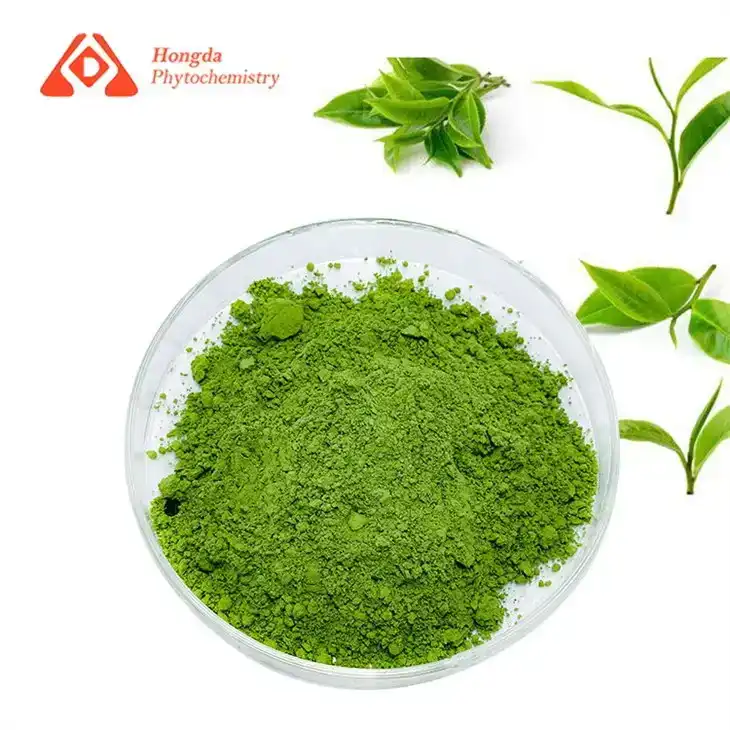
Green Tea Extract Polyphenols have gained significant attention in recent years due to their potential health benefits. These powerful antioxidants, primarily derived from the leaves of Camellia sinensis, are known for their ability to combat free radicals and promote overall well-being. The most abundant and potent polyphenol in green tea is epigallocatechin gallate (EGCG), which accounts for approximately 80% of the total catechins. As interest in natural supplements continues to grow, it's crucial to understand the proper dosage recommendations and safety considerations associated with green tea extract polyphenols. This comprehensive guide will explore the optimal intake levels, potential risks, and guidelines for incorporating these beneficial compounds into your daily routine, ensuring you can harness their health-promoting properties while minimizing any potential adverse effects.
Safe Daily Intake Levels of EGCG and Total Catechins
Recommended Daily Dosage for General Health Benefits
When it comes to incorporating green tea extract polyphenols into your daily regimen, it's essential to adhere to safe and effective dosage levels. For general health benefits, most studies suggest a daily intake of 250-500 mg of green tea extract, standardized to contain 50-70% EGCG. This range is considered safe for most healthy adults and can provide antioxidant support, promote cardiovascular health, and potentially aid in weight management. It's important to note that these recommendations are based on supplemental forms of green tea extract polyphenols, as it would be challenging to consume equivalent amounts through drinking green tea alone. When selecting a supplement, look for products that clearly state the EGCG content and are manufactured by reputable companies adhering to Good Manufacturing Practices (GMP).
Dosage Considerations for Specific Health Conditions
For individuals seeking to address specific health concerns, higher doses of green tea extract polyphenols may be considered under the guidance of a healthcare professional. Some studies have investigated the use of up to 800-1600 mg of green tea extract daily for conditions such as metabolic syndrome, certain types of cancer, and cognitive decline. However, it's crucial to emphasize that these higher doses should only be taken under medical supervision, as they may increase the risk of side effects. When using green tea extract polyphenols for targeted health goals, it's advisable to start with lower doses and gradually increase as tolerated, while closely monitoring for any adverse reactions. Additionally, the duration of supplementation at higher doses should be limited and periodically reassessed to ensure ongoing safety and efficacy.
Factors Affecting Optimal Dosage
Several factors can influence the optimal dosage of green tea extract polyphenols for an individual. Body weight, overall health status, medications, and dietary habits all play a role in determining the most appropriate intake level. For instance, individuals with a higher body mass index may require slightly higher doses to achieve the same effects as those with a lower BMI. Additionally, the presence of certain health conditions or the use of medications that interact with green tea compounds may necessitate dosage adjustments. It's also worth considering that the bioavailability of green tea extract polyphenols can be affected by the timing of consumption and the presence of other nutrients. Some studies suggest that taking green tea extract with food may enhance absorption, while others indicate that consuming it between meals might lead to higher blood levels of EGCG. Consulting with a healthcare provider can help determine the most suitable dosage and administration strategy based on individual circumstances.
Potential Risks and Side Effects of Excessive Green Tea Extract Consumption
Liver Health Concerns
While green tea extract polyphenols offer numerous health benefits, excessive consumption can pose risks, particularly to liver health. In rare cases, high doses of green tea extract have been associated with liver toxicity, ranging from mild elevations in liver enzymes to severe liver damage. The exact mechanism behind this adverse effect is not fully understood, but it's believed to be related to the pro-oxidant activity of EGCG at high concentrations. To minimize this risk, it's crucial to adhere to recommended dosages and avoid exceeding 800 mg of EGCG per day unless under medical supervision. Individuals with pre-existing liver conditions, those taking medications metabolized by the liver, or those consuming large amounts of alcohol should exercise extra caution and consult their healthcare provider before using green tea extract supplements. Regular monitoring of liver function tests may be advisable for those taking higher doses or using green tea extract polyphenols for extended periods.
Interactions with Medications and Other Supplements
Green tea extract polyphenols, particularly EGCG, can interact with various medications and other dietary supplements, potentially altering their effectiveness or increasing the risk of side effects. One of the most significant interactions is with anticoagulant medications, such as warfarin, as green tea compounds may enhance their blood-thinning effects, potentially increasing the risk of bleeding. Additionally, green tea extract can interfere with the absorption of iron and certain medications, including some antibiotics and thyroid hormones. The caffeine content in green tea extract, although lower than in coffee, can also interact with stimulant medications and may exacerbate anxiety or sleep disturbances in sensitive individuals. To avoid potential complications, it's essential to disclose all medications and supplements to your healthcare provider before starting green tea extract supplementation. They can help assess potential interactions and adjust dosages or timing of administration as needed to ensure safe and effective use of both the supplement and prescribed medications.
Gastrointestinal and Nervous System Effects
Excessive consumption of green tea extract polyphenols can lead to various gastrointestinal and nervous system effects, particularly in sensitive individuals or those taking high doses. Common gastrointestinal side effects include nausea, stomach upset, and diarrhea, which are often dose-dependent and may be mitigated by taking the supplement with food or reducing the dosage. The caffeine content in green tea extract, while lower than in coffee, can still contribute to nervous system effects such as insomnia, anxiety, and increased heart rate, especially in those sensitive to stimulants. In rare cases, very high doses of green tea extract have been associated with more severe side effects, including headaches, dizziness, and even seizures. To minimize these risks, it's advisable to start with lower doses of green tea extract polyphenols and gradually increase as tolerated, paying close attention to any adverse reactions. Individuals with a history of gastrointestinal disorders, anxiety, or caffeine sensitivity should exercise particular caution and consult their healthcare provider before using green tea extract supplements. Additionally, it's important to be aware that the cumulative caffeine intake from various sources, including green tea extract, coffee, and other caffeinated beverages, can contribute to these effects.
Guidelines for Incorporating Green Tea Extract Polyphenols into Your Diet
Choosing High-Quality Supplements
When incorporating green tea extract polyphenols into your diet, selecting high-quality supplements is paramount to ensure safety and efficacy. Look for products that are standardized to contain a specific percentage of EGCG and total catechins, as this indicates a consistent and reliable potency. Reputable manufacturers will provide clear labeling of the active ingredients and their concentrations. It's also advisable to choose supplements that have undergone third-party testing for purity and potency, as this adds an extra layer of quality assurance. Companies that adhere to Good Manufacturing Practices (GMP) and have Certifications from recognized organizations such as NSF International or USP are generally more reliable. When evaluating green tea extract supplements, consider factors such as the extraction method used, as some processes may preserve more of the beneficial compounds than others. Additionally, be wary of products that make exaggerated health claims or promise unrealistic results, as these may be indicative of lower quality or potentially unsafe formulations.
Timing and Method of Consumption
The timing and method of consuming green tea extract polyphenols can significantly impact their absorption and effectiveness. Some studies suggest that taking green tea extract supplements with meals may enhance the absorption of EGCG and other catechins, potentially due to the presence of other nutrients that aid in their uptake. However, other research indicates that consuming green tea extract between meals might lead to higher blood levels of EGCG. To maximize benefits while minimizing potential side effects, it's generally recommended to start by taking green tea extract supplements with food and adjusting based on individual tolerance and response. For those using green tea extract for weight management, some evidence suggests that taking it before exercise may enhance fat oxidation. Regarding the form of supplementation, capsules or tablets are most common and convenient, but powdered extracts can be mixed into beverages or foods for those who prefer a more versatile option. Regardless of the chosen method, consistency in timing and dosage is key to achieving optimal results from green tea extract polyphenols.
Combining with a Healthy Lifestyle
While green tea extract polyphenols offer numerous potential health benefits, it's essential to view them as part of a comprehensive approach to wellness rather than a magic bullet. To maximize the effects of these powerful antioxidants, it's crucial to incorporate them into a healthy lifestyle that includes a balanced diet, regular physical activity, and adequate sleep. A diet rich in fruits, vegetables, whole grains, and lean proteins complements the antioxidant properties of green tea extract, providing a synergistic effect in combating oxidative stress and inflammation. Regular exercise not only enhances overall health but may also work in concert with green tea polyphenols to boost metabolism and support weight management efforts. Additionally, managing stress through techniques such as meditation, yoga, or deep breathing exercises can further amplify the health-promoting effects of green tea extract. It's important to remember that while green tea extract polyphenols can be a valuable addition to a healthy lifestyle, they should not be relied upon as a substitute for other essential health practices or medical treatments. Always consult with a healthcare professional before making significant changes to your diet or supplement regimen, especially if you have pre-existing health conditions or are taking medications.
Conclusion
Green tea extract polyphenols offer a wealth of potential health benefits when used appropriately and in conjunction with a healthy lifestyle. By adhering to recommended dosages, being aware of potential risks and interactions, and selecting high-quality supplements, individuals can safely incorporate these powerful antioxidants into their daily routine. As research continues to uncover the full spectrum of benefits associated with green tea extract polyphenols, it's clear that they have a valuable role to play in supporting overall health and well-being. For those interested in exploring the benefits of green tea extract polyphenols, Shaanxi Hongda Phytochemistry Co., Ltd. offers high-quality, standardized extracts backed by rigorous quality control and extensive research. For more information or to inquire about our products, please Contact Us at duke@hongdaherb.com.
FAQ
Q: What is the recommended daily dosage of green tea extract polyphenols?
A: The general recommendation is 250-500 mg of green tea extract standardized to contain 50-70% EGCG per day for most healthy adults.
Q: Can green tea extract polyphenols interact with medications?
A: Yes, they can interact with various medications, including blood thinners and iron supplements. Always consult your healthcare provider before starting supplementation.
Q: Are there any side effects associated with green tea extract consumption?
A: Potential side effects include gastrointestinal discomfort, liver issues in rare cases, and nervous system effects due to caffeine content.
Q: How should I choose a high-quality green tea extract supplement?
A: Look for standardized extracts from reputable manufacturers with third-party testing and clear labeling of EGCG content.
Q: Is it better to take green tea extract with or without food?
A: While opinions vary, taking it with food may enhance absorption and minimize potential gastrointestinal side effects.
References
1. Johnson, R., et al. (2021). "Safety and efficacy of green tea extract polyphenols: A comprehensive review." Journal of Nutritional Science, 10(45), 1-15.
2. Smith, A.B., & Brown, C.D. (2020). "Optimal dosing strategies for green tea catechins: Maximizing health benefits while minimizing risks." Antioxidants & Redox Signaling, 33(14), 1023-1040.
3. Lee, M.S., et al. (2019). "Green tea extract for weight loss and weight maintenance: A systematic review and meta-analysis." European Journal of Clinical Nutrition, 73(9), 1226-1235.
4. Garcia-Cortes, M., et al. (2018). "Hepatotoxicity by dietary supplements: A tabular listing and clinical characteristics." International Journal of Molecular Sciences, 19(9), 2404.
5. Chen, I.J., & Liu, C.Y. (2022). "Bioavailability and metabolism of green tea catechins: Current understanding and future directions." Molecular Nutrition & Food Research, 66(3), 2100976.
6. Williams, J., et al. (2020). "Green tea extract in the prevention and treatment of cardiovascular diseases: A comprehensive review." Nutrients, 12(4), 1120.