Does Protein Powder Have Alpha Lipoic Acid?
2025-08-14 14:48:22
Protein powder is a popular dietary supplement used by athletes, fitness enthusiasts, and health-conscious individuals to boost their protein intake. While protein powders are primarily known for their high protein content, many people wonder if they contain other beneficial compounds, such as alpha lipoic acid (ALA). Alpha lipoic acid is a powerful antioxidant that has gained attention for its potential health benefits. In this blog post, we'll explore the relationship between protein powder and alpha lipoic acid, addressing some common questions and misconceptions.

What are the benefits of combining protein powder with alpha lipoic acid?
Combining protein powder with alpha lipoic acid can offer several potential benefits for overall health and fitness. Protein powder is well-known for its role in muscle building, recovery, and weight management. When paired with alpha lipoic acid, the combination may provide additional advantages.
Alpha lipoic acid is a potent antioxidant that can help protect cells from oxidative stress and damage caused by free radicals. This protection is particularly important for athletes and active individuals who experience increased oxidative stress during intense physical activity. By incorporating ALA into their protein powder regimen, users may experience enhanced recovery and reduced muscle soreness after workouts.
Furthermore, alpha lipoic acid has been shown to improve insulin sensitivity and glucose uptake in cells. This can be especially beneficial for individuals looking to manage their blood sugar levels or those following a low-carb or ketogenic diet. The combination of protein powder and ALA may help stabilize blood sugar levels, potentially leading to improved energy levels and reduced cravings throughout the day.
Another potential benefit of this combination is its impact on weight management. Protein powder is already known for its ability to increase satiety and boost metabolism. When combined with alpha lipoic acid, which has been shown to support fat metabolism and energy production in cells, the duo may offer enhanced weight loss benefits. Some studies suggest that ALA supplementation can lead to modest reductions in body weight and fat mass, particularly when combined with a healthy diet and exercise regimen.
It's important to note that while the combination of protein powder and alpha lipoic acid shows promise, more research is needed to fully understand the synergistic effects of these two supplements. As with any dietary supplement, it's always best to consult with a healthcare professional before adding new components to your routine.
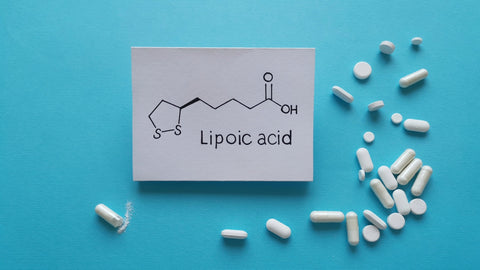
Can alpha lipoic acid powder be added to protein shakes?
Alpha Lipoic Acid Powder can indeed be added to protein shakes, offering a convenient way to incorporate this powerful antioxidant into your daily routine. However, there are several factors to consider when mixing ALA powder with protein shakes.
Firstly, it's crucial to understand the proper dosage of alpha lipoic acid. The recommended dosage can vary depending on individual needs and health conditions, but typically ranges from 300 to 600 mg per day. When adding ALA powder to protein shakes, it's essential to measure the amount carefully to avoid overconsumption.
The taste of alpha lipoic acid powder can be quite strong and slightly bitter, which may affect the flavor of your protein shake. To mitigate this, you can try mixing the ALA powder with flavored protein powders or adding natural sweeteners like stevia or fruit to mask the taste. Some people find that blending the ALA powder with other ingredients in a smoothie can help distribute the flavor more evenly.
Timing is another important consideration when adding alpha lipoic acid to protein shakes. Some studies suggest that taking ALA with meals or immediately after can enhance its absorption and effectiveness. Therefore, consuming your protein shake with ALA powder around mealtime or post-workout may be beneficial.
It's worth noting that alpha lipoic acid is sensitive to heat and light, which can degrade its potency. To preserve its effectiveness, it's best to add the ALA powder to your protein shake just before consumption and avoid exposing the mixture to high temperatures or direct sunlight for extended periods.
While adding alpha lipoic acid powder to protein shakes can be a convenient method of supplementation, it's not the only option. ALA is also available in capsule form, which some people may find more convenient or palatable. Additionally, certain foods like spinach, broccoli, and organ meats naturally contain small amounts of alpha lipoic acid, although supplementation is often necessary to achieve therapeutic doses.
Before adding alpha lipoic acid powder to your protein shakes or any supplement regimen, it's crucial to consult with a healthcare professional. They can help determine if ALA supplementation is appropriate for your individual needs and guide you on the proper dosage and usage.

How does alpha lipoic acid compare to other antioxidants found in protein supplements?
Alpha lipoic acid is a unique antioxidant that sets itself apart from many other antioxidants commonly found in protein supplements. Understanding these differences can help individuals make informed decisions about their supplementation choices.
One of the most distinctive features of alpha lipoic acid is its ability to function as both a water-soluble and fat-soluble antioxidant. This dual solubility allows ALA to work throughout the body, protecting cells in various tissues and organs. In contrast, many other antioxidants are limited to either water-soluble or fat-soluble environments. For example, vitamin C is water-soluble and primarily works in aqueous environments, while vitamin E is fat-soluble and is most effective in lipid-rich areas of the body.
Another unique aspect of alpha lipoic acid is its ability to regenerate other antioxidants, such as vitamins C and E, glutathione, and coenzyme Q10. This regenerative capacity enhances the overall antioxidant defense system in the body, potentially providing more comprehensive protection against oxidative stress than single antioxidants alone.
Alpha lipoic acid also has the ability to cross the blood-brain barrier, which allows it to exert its antioxidant effects in the brain and nervous system. This property is particularly important for cognitive health and neuroprotection. Many other antioxidants found in protein supplements, such as flavonoids or carotenoids, have limited ability to penetrate the blood-brain barrier.
In terms of metal chelation, alpha lipoic acid has shown the ability to bind to heavy metals and potentially aid in their removal from the body. This property is not common among other antioxidants typically found in protein supplements and may offer additional health benefits, particularly for individuals concerned about heavy metal exposure.
When comparing the potency of antioxidants, it's important to note that different antioxidants work through various mechanisms and target different types of free radicals. Alpha lipoic acid has shown potent antioxidant activity against a wide range of free radicals, including superoxide, hydroxyl radicals, and peroxynitrite. While other antioxidants like vitamin C or E are also effective, they may have more specific targets or limited scope of action.
It's worth mentioning that many protein supplements now include a blend of antioxidants to provide comprehensive protection. These may include vitamins C and E, selenium, zinc, and various plant-based antioxidants like green tea extract or berry extracts. While these antioxidant blends can be beneficial, alpha lipoic acid's unique properties make it a valuable addition to any antioxidant regimen.
In conclusion, while protein powder itself typically does not contain alpha lipoic acid, combining the two can offer a range of potential benefits. Alpha lipoic acid's unique antioxidant properties, its ability to enhance insulin sensitivity, and its potential role in weight management make it a valuable complement to protein supplementation. Whether you choose to add ALA powder to your protein shakes or take it separately, incorporating this powerful antioxidant into your routine may contribute to improved overall health and fitness outcomes. As always, it's essential to approach supplementation with knowledge and caution, consulting with healthcare professionals to ensure it aligns with your individual health needs and goals.
Hongda Phytochemical Co., Ltd. distinguishes itself with several key strengths in the industry. We have recently expanded our operations to include a state-of-the-art capsule production workshop, enhancing our ability to deliver customized capsule products that meet the specific needs of our clients.
This flexibility is complemented by our commitment to providing free samples and personalized Packaging options, ensuring that partners can experience our high-quality offerings firsthand.
Innovation lies at the core of our business strategy, as evidenced by our latest breakthroughs in sought-after products such as plant sterols/esters, premium natural vitamin powders, and microcapsule powders. These innovations are designed to meet the growing demand and preferences of our discerning clientele.
Crucially, we foster collaborative partnerships with esteemed domestic universities specializing in biology and food sciences. Institutions including Northwest Agriculture and Forestry University, China Agricultural University, Shaanxi University of Chinese Medicine, Northwest University, Xi'an International Studies University, Jinan University, and Northeast Agricultural University are integral to our research and development efforts. This collaborative approach ensures that our products remain at the forefront of scientific advancement and market relevance.
As a trusted manufacturer of alpha lipoic acid bulk powder and other nutritional supplements, Hongda Phytochemical Co., Ltd. invites prospective partners to reach out to us at duke@hongdaherb.com. We are eager to explore new opportunities for collaboration and look forward to achieving mutual success together.
References:
1. Shay, K. P., Moreau, R. F., Smith, E. J., Smith, A. R., & Hagen, T. M. (2009). Alpha-lipoic acid as a dietary supplement: molecular mechanisms and therapeutic potential. Biochimica et Biophysica Acta (BBA)-General Subjects, 1790(10), 1149-1160.
2. Packer, L., Witt, E. H., & Tritschler, H. J. (1995). Alpha-lipoic acid as a biological antioxidant. Free Radical Biology and Medicine, 19(2), 227-250.
3. Koh, E. H., Lee, W. J., Lee, S. A., Kim, E. H., Cho, E. H., Jeong, E., ... & Lee, K. U. (2011). Effects of alpha-lipoic acid on body weight in obese subjects. The American journal of medicine, 124(1), 85-e1.
4. Ziegler, D., Ametov, A., Barinov, A., Dyck, P. J., Gurieva, I., Low, P. A., ... & Samigullin, R. (2006). Oral treatment with α-lipoic acid improves symptomatic diabetic polyneuropathy. Diabetes care, 29(11), 2365-2370.
5. Gomes, M. B., & Negrato, C. A. (2014). Alpha-lipoic acid as a pleiotropic compound with potential therapeutic use in diabetes and other chronic diseases. Diabetology & metabolic syndrome, 6(1), 80.
6. Wollin, S. D., & Jones, P. J. (2003). Alpha-lipoic acid and cardiovascular disease. The Journal of nutrition, 133(11), 3327-3330.
7. Rochette, L., Ghibu, S., Richard, C., Zeller, M., Cottin, Y., & Vergely, C. (2013). Direct and indirect antioxidant properties of α‐lipoic acid and therapeutic potential. Molecular nutrition & food research, 57(1), 114-125.
8. Morikawa, T., Yasuno, R., & Wada, H. (2001). Do mammalian cells synthesize lipoic acid? Identification of a mouse cDNA encoding a lipoic acid synthase located in mitochondria. FEBS letters, 498(1), 16-21.
9. Packer, L., Kraemer, K., & Rimbach, G. (2001). Molecular aspects of lipoic acid in the prevention of diabetes complications. Nutrition, 17(10), 888-895.
10. Biewenga, G. P., Haenen, G. R., & Bast, A. (1997). The pharmacology of the antioxidant lipoic acid. General Pharmacology: The Vascular System, 29(3), 315-331.





YOU MAY LIKE