Does GABA Make You Sleepy?
2025-08-13 10:20:09

Gamma-aminobutyric acid (GABA) is a neurotransmitter that plays a crucial role in regulating brain activity and promoting relaxation. Many people are curious about its potential effects on sleep and whether taking GABA supplements can help improve sleep quality. This article will explore the relationship between GABA and sleepiness, addressing common questions and providing evidence-based information on its effects.
What is gamma aminobutyric acid(gaba) and how does it work?
Gamma-aminobutyric acid, commonly known as GABA, is the primary inhibitory neurotransmitter in the central nervous system. It plays a vital role in regulating neuronal excitability throughout the nervous system. GABA works by binding to specific receptors in the brain, effectively reducing the activity of nerve cells to which it attaches.
The mechanism of action for GABA is relatively straightforward. When GABA binds to its receptors, it causes a change in the electrical charge of the neuron, making it less likely to fire. This inhibitory effect helps to balance the excitatory actions of other neurotransmitters, creating a state of calm and relaxation in the brain.
GABA is produced naturally in the brain from glutamate, another neurotransmitter. The balance between these two neurotransmitters is crucial for maintaining proper brain function and overall mental health. When GABA levels are low, it can lead to increased anxiety, restlessness, and difficulty sleeping.
The importance of GABA in the nervous system cannot be overstated. It is involved in various physiological and psychological processes, including:
1. Anxiety reduction: GABA's inhibitory effects can help calm an overactive mind, reducing feelings of anxiety and stress.
2. Mood regulation: Proper GABA function is essential for maintaining a stable mood and preventing depression.
3. Sleep promotion: GABA powder plays a crucial role in initiating and maintaining sleep by reducing brain activity and promoting relaxation.
4. Cognitive function: Balanced GABA levels are necessary for optimal cognitive performance, including memory and learning.
5. Muscle relaxation: GABA can help relax muscles throughout the body, potentially alleviating tension and promoting physical relaxation.
Given its wide-ranging effects on the nervous system, it's no wonder that GABA has garnered significant interest in the scientific community and among those seeking natural ways to improve their sleep and overall well-being.

Can GABA supplements help with insomnia and sleep disorders?
The potential of GABA supplements to help with insomnia and sleep disorders has been a topic of considerable interest and research. While the body naturally produces GABA, some people turn to supplements in hopes of enhancing its effects, particularly for improving sleep quality.
Several studies have investigated the efficacy of GABA powder supplements for sleep-related issues. A 2018 study published in the Journal of Clinical Medicine Research found that participants who took GABA supplements reported falling asleep faster and experiencing better sleep quality compared to those who took a placebo. The study suggests that GABA supplementation may have a positive effect on sleep latency and sleep efficiency.
Another study, published in the journal Food Science and Biotechnology in 2016, found that GABA-enriched fermented milk product improved sleep quality in individuals with sleep disturbances. Participants reported better sleep onset, duration, and fewer sleep interruptions after consuming the GABA-enriched product.
However, it's important to note that while these studies show promising results, the research on GABA supplements for sleep is still limited, and more extensive clinical trials are needed to firmly establish their efficacy.
The potential mechanisms by which GABA supplements might improve sleep include:
1. Reducing neural excitability: By enhancing the inhibitory effects of GABA in the brain, supplements may help calm an overactive mind, making it easier to fall asleep.
2. Promoting relaxation: GABA's ability to reduce anxiety and stress may create a more conducive state for sleep.
3. Regulating sleep-wake cycles: Some research suggests that GABA may play a role in regulating circadian rhythms, potentially helping to normalize sleep patterns.
4. Enhancing sleep quality: By promoting deeper, more restorative sleep, GABA supplements may improve overall sleep quality.
It's worth noting that the effectiveness of GABA supplements may vary from person to person. Factors such as individual brain chemistry, the severity of sleep issues, and the presence of underlying health conditions can all influence how one responds to GABA supplementation.
Moreover, it's crucial to consider potential side effects and interactions. While GABA is generally considered safe, some people may experience adverse effects such as drowsiness, headaches, or gastrointestinal discomfort. As with any supplement, it's advisable to consult with a healthcare professional before starting GABA supplementation, especially for those with pre-existing medical conditions or those taking other medications.
In conclusion, while GABA supplements show promise in potentially helping with insomnia and sleep disorders, more research is needed to fully understand their effects and optimal usage. For those struggling with sleep issues, it's essential to consider GABA supplementation as part of a comprehensive approach to sleep health, which may include lifestyle changes, stress management techniques, and addressing any underlying medical conditions.

Are there any side effects or risks associated with taking GABA powder?
While GABA supplements, including GABA powder, are generally considered safe for most people when used as directed, it's important to be aware of potential side effects and risks associated with their use. As with any supplement, individual responses can vary, and some people may be more susceptible to adverse effects than others.
Common side effects of GABA supplementation may include:
1. Drowsiness and fatigue: Given GABA's role in promoting relaxation, some users may experience excessive sleepiness, especially when taking higher doses or when first starting supplementation.
2. Headaches: Some individuals report experiencing headaches after taking GABA supplements, though this side effect is generally mild and temporary.
3. Gastrointestinal discomfort: Nausea, stomach upset, or changes in bowel movements have been reported by some users.
4. Mood changes: While GABA is often associated with improved mood, some people may experience mood swings or increased anxiety, particularly if they are sensitive to changes in neurotransmitter levels.
5. Skin tingling or flushing: A few users have reported experiencing a tingling sensation or flushing of the skin after taking GABA supplements.
6. Changes in appetite: Some individuals may notice changes in their appetite, either an increase or decrease, when using GABA supplements.
It's worth noting that these side effects are generally mild and often subside as the body adjusts to the supplement. However, if side effects persist or worsen, it's advisable to discontinue use and consult a healthcare professional.
In addition to potential side effects, there are some risks and considerations to keep in mind when taking GABA powder:
1. Drug interactions: GABA may interact with certain medications, particularly those that affect the central nervous system. This includes anti-anxiety medications, antidepressants, and sleep aids. It's crucial to consult with a healthcare provider before combining GABA with any prescription medications.
2. Pregnancy and breastfeeding: There is limited research on the safety of GABA supplements during pregnancy and while breastfeeding. As a precautionary measure, it's generally recommended to avoid GABA supplementation during these periods unless specifically advised by a healthcare provider.
3. Underlying health conditions: Individuals with certain health conditions, such as liver or kidney disease, may need to exercise caution when using GABA supplements. These conditions can affect how the body processes and eliminates the supplement.
4. Tolerance and dependence: While not common, there is a theoretical risk of developing tolerance to GABA supplements with long-term use, potentially leading to decreased effectiveness over time.
5. Quality and purity concerns: As with all supplements, the quality and purity of GABA powder can vary between manufacturers. It's important to choose products from reputable sources and, when possible, opt for third-party tested supplements to ensure purity and potency.
6. Potential for overdose: While GABA is generally considered safe, taking excessively high doses can lead to more severe side effects. It's crucial to follow recommended dosage guidelines and not exceed the suggested amount.
7. Individual sensitivity: Some people may be more sensitive to the effects of GABA than others. It's advisable to start with a lower dose and gradually increase if needed, while monitoring for any adverse reactions.
To minimize risks and potential side effects, consider the following recommendations:
1. Start with a low dose: Begin with the lowest effective dose and gradually increase if needed, under the guidance of a healthcare professional.
2. Monitor your response: Pay attention to how your body reacts to GABA supplementation and discontinue use if you experience any concerning side effects.
3. Use as directed: Follow the manufacturer's instructions and recommended dosage guidelines.
4. Choose quality products: Opt for GABA supplements from reputable manufacturers that undergo third-party testing for purity and potency.
5. Consult a healthcare provider: Before starting GABA supplementation, especially if you have pre-existing health conditions or are taking other medications, consult with a healthcare professional to ensure it's safe and appropriate for you.
In conclusion, while GABA powder can be a useful supplement for many people, it's essential to be aware of potential side effects and risks. By taking a cautious and informed approach to supplementation, you can maximize the potential benefits while minimizing the risk of adverse effects.
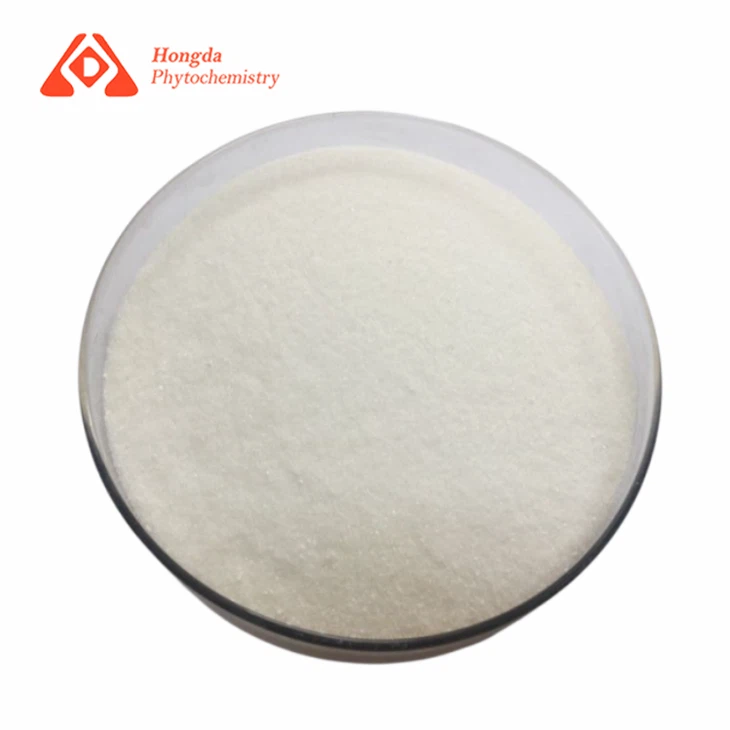
Hongda Phytochemistry Co., Ltd. is a reputable manufacturer known for producing Gamma Aminobutyric Acid Powder, renowned for its brain-boosting and sleep-enhancing properties. We offer high-quality products at competitive factory prices, emphasizing our capability to participate in at least 5 overseas Exhibitions annually. Operating from a spacious 20,000 square meter facility, Hongda Phytochemistry is equipped with advanced extraction equipment and boasts its own SGS Certified laboratory, ensuring stringent quality control measures. With 8 advanced production lines running simultaneously, the factory achieves a daily output of 10 tons and an impressive annual production exceeding 8,000 tons. The company employs approximately 200 staff members across various departments including production, Packaging, procurement, storage, quality inspection, sales, operations, and finance. For inquiries or to explore business opportunities, interested parties are encouraged to contact duke@hongdaherb.com.
References:
1. Abdou, A. M., Higashiguchi, S., Horie, K., Kim, M., Hatta, H., & Yokogoshi, H. (2006). Relaxation and immunity enhancement effects of γ‐Aminobutyric acid (GABA) administration in humans. BioFactors, 26(3), 201-208.
2. Boonstra, E., de Kleijn, R., Colzato, L. S., Alkemade, A., Forstmann, B. U., & Nieuwenhuis, S. (2015). Neurotransmitters as food supplements: the effects of GABA on brain and behavior. Frontiers in Psychology, 6, 1520.
3. Byun, J. I., Shin, Y. Y., Chung, S. E., & Shin, W. C. (2018). Safety and Efficacy of Gamma-Aminobutyric Acid from Fermented Rice Germ in Patients with Insomnia Symptoms: A Randomized, Double-Blind Trial. Journal of Clinical Medicine Research, 10(3), 210-217.
4. Gottesmann, C. (2002). GABA mechanisms and sleep. Neuroscience, 111(2), 231-239.
5. Hepsomali, P., Groeger, J. A., Nishihira, J., & Scholey, A. (2020). Effects of Oral Gamma-Aminobutyric Acid (GABA) Administration on Stress and Sleep in Humans: A Systematic Review. Frontiers in Neuroscience, 14, 923.
6. Nobre, A. C., Rao, A., & Owen, G. N. (2008). L-theanine, a natural constituent in tea, and its effect on mental state. Asia Pacific Journal of Clinical Nutrition, 17(S1), 167-168.
7. Olsen, R. W., & DeLorey, T. M. (1999). GABA Receptor Physiology and Pharmacology. In Basic Neurochemistry: Molecular, Cellular and Medical Aspects. 6th edition. Lippincott-Raven.
8. Rashmi, D., Zanan, R., John, S., Khandagale, K., & Nadaf, A. (2018). γ-Aminobutyric acid (GABA): Biosynthesis, role, commercial production, and applications. Studies in Natural Products Chemistry, 57, 413-452.
9. Shyamaladevi, N., Jayakumar, A. R., Sujatha, R., Paul, V., & Subramanian, E. H. (2002). Evidence that nitric oxide production increases γ-amino butyric acid permeability of blood-brain barrier. Brain Research Bulletin, 57(2), 231-236.
10. Yoto, A., Murao, S., Motoki, M., Yokoyama, Y., Horie, N., Takeshima, K., ... & Yokogoshi, H. (2012). Oral intake of γ-aminobutyric acid affects mood and activities of central nervous system during stressed condition induced by mental tasks. Amino Acids, 43(3), 1331-1337.