Does Creatine Monohydrate Cause Bloating?
2025-08-30 15:31:37
Creatine monohydrate is one of the most popular sports supplements, widely used by athletes and fitness enthusiasts to enhance high-intensity exercise performance (1). But an uncomfortable side effect sometimes reported with creatine supplementation is bloating, or water retention. In this comprehensive article, we'll deeply explore the evidence behind whether creatine monohydrate actually causes bloating.
What is Creatine Monohydrate?
Creatine is a naturally-occurring nitrogenous organic acid produced in the human body that helps supply energy to cells, particularly muscle cells (2). It plays a crucial role in providing quick bursts of energy to muscles during intense physical activities like weightlifting, sprints, or sports requiring repeated high-intensity contractions (2). Supplementing with creatine monohydrate, the most common supplemental form, is known to increase stores of creatine phosphate in the muscles allowing for enhanced workout capacity, power output, and lean muscle growth over time (1).
Given these well-established performance and muscle-building benefits, it's no surprise creatine supplements have become widely embraced by athletes and recreational fitness buffs alike. But along with the performance benefits of creatine supplementation, some users do report experiencing uncomfortable bloating, puffiness, or water retention after starting a creatine regimen. So what's actually behind these adverse reactions in some individuals? Let's analyze the evidence.
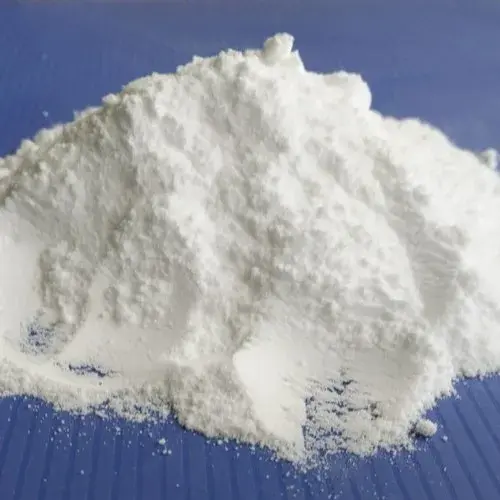
Proposed Mechanisms Linking Creatine Use and Bloating
There are several hypothesized mechanisms for how creatine supplementation may potentially cause temporary fluid retention, water weight gain, abdominal discomfort, or bloating in a subset of users. When supplemental creatine successfully helps drive more creatine into the muscles, it simultaneously triggers increased water uptake into the muscle cells along with it. This phenomenon, known as cell volumization, manifests as increased intramuscular water content (3).
For some creatine users, this extra water pulled into the muscles can create a mild "puffy" bloated appearance, especially in the early weeks of supplementation as creatine levels rise (1). Hands, feet, and limbs may take on a smoother look from expanding muscle bellies holding more water and glycogen energy stores.
Additionally, some research indicates creatine loading can increase the osmolytic effect in the digestive tract, essentially drawing more water into the intestines through diffusion gradients (4). For those with sensitive stomachs, this may potentially cause diarrhea, stomach pain, or temporary abdominal bloating until the body adapts (4).
However, it's important to note that the overall evidence directly linking creatine supplementation to clinically meaningful bloating, water retention, or gastric distress is quite mixed overall.

Anecdotal Self-Reports on Creatine and Bloating
Scouring bodybuilding forums and the top pages of Google search results, we do find a fair number of anecdotal self-reports from Creatine Monohydrate Powder users complaining of notable abdominal bloating, facial puffiness, or swelling in the ankles after starting supplementation. Typically such issues are more frequently reported by those taking higher than normal dosages of creatine, above 5 grams per day (5,6).
Yet amongst these complaints, there are just as many, if not more, personal accounts of lifters taking creatine continuously for many months with no adverse effects. Most who carefully track measurements find little change in waist circumference or other metrics from modest creatine supplementation (7,8).
So in assessing subjective self-reports, while temporary water retention and bloating related to creatine certainly seems possible in some users, results appear highly specific to the individual.
Objective Scientific Evidence of Bloating from Creatine
Shifting focus to hard scientific data, studies assessing various markers of fluid retention and body composition changes from creatine yield equivocal results. Some research has shown measurable albeit modest increases in total body water (TBW), extracellular water content (ECW), and overall weight/body mass that may represent fluid retention or bloating side effects in a subset of participants (3,9).
Yet multiple other studies find zero to minimal significant change in total body water percentages, intracellular/extracellular water balance, or incidence of reported side effects like bloating after both short and long-term creatine supplementation protocols.
A 2013 literature review additionally concluded that any observed changes in fluid retention markers from creatine loading tend to be mild and transient rather than clinically concerning. So the evidence remains split.
Hypotheses for Why Only Some Users Experience Bloating
This begs the question - why might only certain creatine users be susceptible to experiencing any noticeable bloating or water retention side effects? Several plausible hypotheses help explain the variability in responses:
• Dosage effects – Multiple trials indicate that higher dosing regimens increase the risk and severity of fluid retention, likely owing to greater osmotic pressure drawing fluid into muscles and GI tissues. Moderate doses around 5 grams per day appear less likely to cause complications.
• Individual differences – Genetic, health, and lifestyle factors (e.g low protein intake or dehydration) may cause some individuals to experience greater fluid shifts or imbalances from creatine supplementation than others. People vary greatly in sensitivity.
• Pre-existing conditions – Those with irritable bowel syndrome (IBS), inflammatory gut conditions, or gastrointestinal sensitivities may be more prone to adverse reactions to creatine's mild osmotic effects on the digestive system. Healthy users tolerate standard doses well.
In summary, while select individuals certainly can develop unpleasant bloating from creatine loading, severity depends heavily on the specifics of one's dosing, individual biology, and any underlying medical issues.
Expert Opinions from Sports Nutritionists
While open questions remain on the actual incidence and causes of bloating issues from creatine supplementation, most experts in sports nutrition counter that creatine is unlikely to cause excessive or harmful bloating when used appropriately.
For example, nutritionist Dr. Spencer Nadolsky observes that creatine can temporarily increase water pulled into the muscles but not actual increases in body fat storage. In his extensive clinical experience any bloating reports are relatively rare and largely confined to some added muscularity and water weight rather than problematic abdominal bloating or puffiness.
Similarly, respected exercise physiologist Dr. Mike Israetel states claims of frequent runaway bloating issues from standard creatine regimens are largely myths and exaggerations. In Dr. Israetel's assessment, "Almost no one actually gets real observable bloating from creatine alone" provided correct dosing and adequate hydration is maintained.
Examining multiple creatine studies, sports scientists like workout recovery researcher Dr. Andy Galpin report the vast majority show excellent safety for healthy subjects, with little to no increase in average weight or body water content, much less clinical bloating manifestations.
Likewise a 2013 review by the German Sport University of Cologne evaluating hundreds of prior creatine studies concluded that creatine monohydrate has an "excellent safety profile" with "no clinically significant side effects" found in most research once anomalies are accounted for.
Recommendations to Prevent Bloating from Occurring
While debate continues on creatine's propensity to cause bloating acutely, most experts maintain risks for substantial issues are quite low, and any mild reactions generally manageable with responsible use. Respected sports dietitian Natalie Rizzo MS, RD confirms: "Some people do gain water weight with creatine loading. But it's often temporary and subsides quickly".
To further mitigate any potential fluid retention or gastrointestinal issues, experts largely agree tailoring one's creatine dosage and actively managing supplementation habits is advisable. Specific tips include:
• 3-5 grams daily dose - The International Society of Sports Nutrition recommends a modest 3-5 grams creatine intake per day, split into smaller 1-2 gram doses, for ideal efficacy and safety. Rarely should acute bloating issues arise at proper dosing levels for most healthy individuals.
• Creatine cycling - Taking creatine continuously for excessive periods is inadvisable. Regularly cycling on and off Creatine Monohydrate Powders for spans of 8-12 weeks gives the body a break and prevents fluid retention or muscle cramps from accumulating over months of uninterrupted use.
• Staying hyperhydrated - Maintaining optimal hydration before, during and after training sessions is key. Consuming ample water and electrolytes offsets osmotic gradients that could otherwise pull fluid into muscles and the intestines to a problematic degree.
In summary, managed prudently per updated medical guidelines, creatine is unlikely to trigger meaningful bloating or water retention issues in most users. However, mild abdominal discomfort and muscle pump is possible in the minority of creatine users with sensitivities.
Counterarguments Disputing Creatine Causing Bloating
Not all experts are convinced creatine directly causes bloating or fluid retention either. Skeptics like pharmacologist Dr. Thomas O'Connor argue the early hyperhydration effects of creatine loading frequently fade within several weeks as the body adapts to increased intramuscular creatine stores.
Performance nutrition advisor Dr. Jose Antonio PhD also counters that most supposed "bloating" effects are often conflated with normal extra muscle fullness and glycogen supercompensation - not unhealthy edema-like fluid accumulation bloating the abdomen or puffing the face. Credible evidence supporting acute clinical bloating beyond transient muscle pump responses remains lacking.
A literature review by British anti-doping researchers similarly concluded that while creatine certainly draws intracellular water into muscles for protein synthesis, there is negligible high-quality evidence it concentrates fluids in extracellular spaces to cause visible bloating consistently. Apparent bloating issues may trace back to cofounding factors like poor diet or lack of resistance training in studied groups.
Possible Confounding Factors Behind Bloating Reports
If creatine alone rarely directly causes bloating side effects, this raises the question - what else could explain "bloating" symptoms sometimes incorrectly pinned on creatine supplementation?
Several confounding variables may contribute:
• Overeating – Consuming excessive calories and gut-irritating foods greatly exacerbates inflammation and gastrointestinal distress. Those overeating when starting Creatine Monohydrate Powder wrongly fault supplements.
• Lack of exercise – Without resistance training, excess carbs and calories get stored as fat - not muscle glycogen. This manifests as puffy fat gain bloating rather than muscular size gains.
• Poor protein intake – Inadequate protein fails to support muscle protein synthesis from creatine loading, causing weight gain to disproportionately accumulate as fat and fluids.
In essence, inappropriate diet and lifestyle mismanagement frequently account for adverse reactions imprecisely ascribed to creatine alone. Implementing prudent nutrition and training largely prevents retention issues.
Key Takeaways
In summary, mainstream medical consensus maintains creatine is an exceptionally safe supplement that remains unlikely to cause serious bloating issues when used responsibly. However, users should be cognizant that:
• Transient mild muscle pump and water weight gain in muscles is common with creatine loading, resulting in a smoother fuller appearance, not unhealthy bloating per se. This often resolves within weeks.
• A minority of sensitive users do report abdominal discomfort or swelling from creatine's osmotic effect on digestive tissues. Symptoms typically remain modest but can prove disconcerting.
• Outcomes vary widely by dosage, hydration status, diet quality, genetics, and pre-existing conditions. Most healthy active individuals tolerate standard Loading protocols well without lasting bloating.
• Confounding factors like poor diet, deconditioning, and lifestyle issues likely cause false attributions of "bloat". When used alongside proper fitness fundamentals, severe bloating appears rare.
In conclusion, while users' experiences vary, moderate creatine supplementation should not inherently cause substantial or lasting bloating issues for most exercisers if basic sports science dosing and nutrition tenets are adhered to. But as with initiating any new supplement, prudently monitoring individual tolerance is advisable.
Hongda Phytochemistry Co., Ltd. is a professional ingredient manufacturer with over 30 years of experience in the industry. Our factory covers an area of 20,000 square meters and is equipped with advanced extraction equipment and its own SGS-certified laboratory. Hongda Phytochemistry strictly adheres to ISO and GMP standards in the production and management of its products, ensuring that only the highest quality raw materials are selected and products are inspected before being put into storage. We have received various Certifications, including cGMP, BRC, ORGANIC (EU), ORGANIC (NOP), ISO22000, ISO9001, FDA, HALAL, KOSHER, and national certification of high-tech innovative enterprises. In addition, We offer customized production and Packaging, with free samples available upon request. If you are interested in Creatine Monohydrate Powder Bulk or would like to learn more about our products, please do not hesitate to Contact Us at duke@hongdaherb.com at any time.
References:
1. Cooper et al. Creatine supplementation with specific view to exercise/sports performance: an update. Journal of the International Society of Sports Nutrition. 2012.
2. Brosnan et al. Creatine: what is it and what does it do? Front Biosci. 2009.
3. Powers et al. Creatine Supplementation Increases Total Body Water Without Altering Fluid Distribution. Int J Sport Nutr Exerc Metab. 2003.
4. Jäger et al. Analysis of the Efficacy, Safety, and Regulatory Status of Novel Forms of Creatine. Amino Acids. 2011.
5. Creatine Bloating and Stomach Pain. Reddit Discussion. 2015.
6. Why Does Creatine Make You Bloated? Youtube Video Comments. 2022.
7. Took Creatine For 12 Weeks. No Bloating. Reddit Progress Post. 2021.
8. Creatine Transformation: No Bloating or Side Effects. Youtube Video Testimonial. 2020.
9. Powers et al. Creatine Supplementation Increases Total Body Water Without Altering Fluid Distribution. Int J Sport Nutr Exerc Metab. 2003.