Differences Between Aglycone and Glycoside Forms in Quercetin Powder Products
2025-10-17 17:22:45
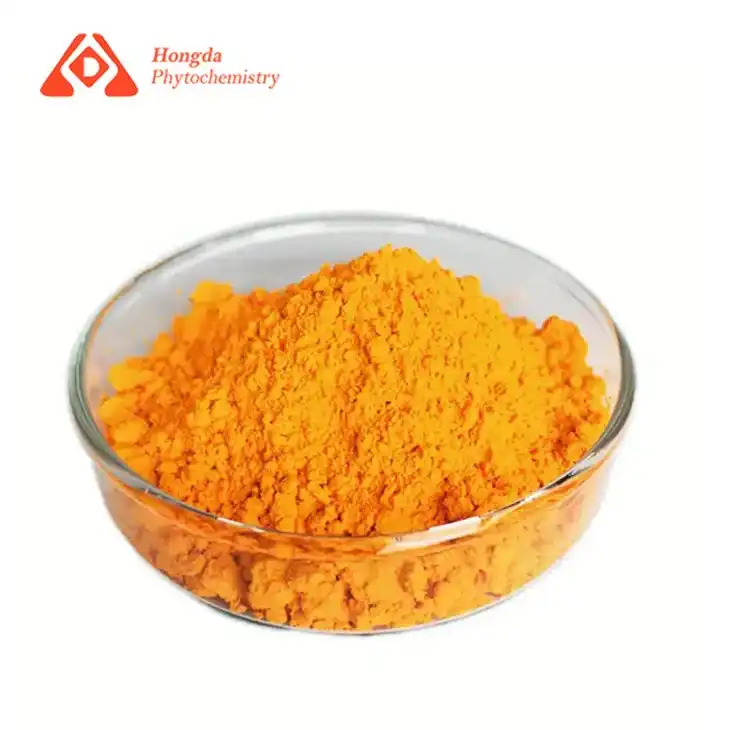
Quercetin is a powerful flavonoid antioxidant found naturally in many fruits and vegetables. When it comes to Quercetin Powder supplements, there are two main forms available - the aglycone (free) form and glycoside forms where quercetin is bound to sugar molecules. Understanding the key differences between these forms is important for selecting the right quercetin product. This article will explore how the aglycone and glycoside forms of quercetin compare in terms of their antioxidant efficacy, bioavailability, stability, absorption, and structural characteristics. We'll examine the pros and cons of each form to help you determine which may be most suitable for your needs. Whether you're looking for maximum antioxidant power or enhanced absorption, knowing the distinctions between quercetin aglycone and glycoside supplements can help you make an informed choice.

Comparing Antioxidant Efficacy and Bioavailability of Quercetin Aglycone and Glycoside FormsAntioxidant Capacity
The antioxidant capacity of quercetin powder products can vary significantly between the aglycone and glycoside forms. Quercetin aglycone, being the "free" form without attached sugar molecules, generally exhibits higher direct antioxidant activity in vitro. Its free hydroxyl groups are more readily available to neutralize free radicals and reactive oxygen species. In contrast, quercetin glycosides like rutin have sugar moieties attached that can slightly reduce their ability to directly scavenge free radicals. However, some studies suggest that certain quercetin glycosides may have comparable or even superior antioxidant effects in vivo due to enhanced bioavailability and cellular uptake. The sugar component can help protect the quercetin molecule during digestion and improve its absorption in the gut.
Bioavailability
When it comes to bioavailability, quercetin glycosides often have an advantage over the aglycone form. The sugar molecules attached to glycosides can enhance solubility and facilitate absorption in the small intestine. For example, quercetin-3-O-glucoside has shown significantly higher bioavailability compared to quercetin aglycone in human studies. The glucose moiety allows for active transport across the intestinal wall. However, not all glycosides are equally bioavailable. Rutin (quercetin-3-O-rutinoside) tends to have lower absorption than other glycosides. The aglycone form can still achieve good bioavailability when formulated appropriately, such as in a lipid-based delivery system. Overall, the glycoside forms tend to result in higher and more sustained plasma quercetin levels compared to equivalent doses of the aglycone.
Cellular Uptake and Distribution
The form of quercetin can also impact its cellular uptake and tissue distribution after absorption. Some studies indicate that quercetin glycosides may be more efficiently taken up by certain cell types compared to the aglycone. For instance, quercetin-3-glucoside has demonstrated superior uptake in human intestinal Caco-2 cells. However, once absorbed, quercetin glycosides are largely metabolized to the aglycone form and its conjugates. The aglycone form may have an advantage in crossing cell membranes due to its higher lipophilicity. Both forms ultimately contribute to increased intracellular quercetin concentrations, but through slightly different mechanisms. The ideal form may depend on the specific tissues or cells being targeted.
Impact of Glycosylation on the Stability and Absorption of Quercetin in Supplement Products
Chemical Stability
Glycosylation can significantly enhance the chemical stability of quercetin powder products. The aglycone form of quercetin is prone to oxidation and degradation, especially in alkaline conditions or when exposed to light and heat. In contrast, quercetin glycosides like rutin exhibit much greater stability during storage and processing. The sugar moiety helps protect the reactive hydroxyl groups of the quercetin molecule. This improved stability translates to a longer shelf life for glycoside-based supplements. It also means that glycoside forms may better withstand the acidic environment of the stomach without breaking down. However, some degradation of glycosides can still occur during digestion, releasing the aglycone form. Manufacturers often use additional stabilizing techniques for aglycone quercetin products to help preserve potency.
Gastrointestinal Absorption
The glycosylation state of quercetin has a major impact on its absorption in the gastrointestinal tract. Quercetin aglycone has relatively low water solubility, which can limit its dissolution and absorption in the gut. It is primarily absorbed through passive diffusion. In contrast, many quercetin glycosides show enhanced solubility and can be actively transported across the intestinal epithelium. Glucose-based glycosides like quercetin-3-glucoside can be absorbed intact via glucose transporters. Other glycosides may be hydrolyzed by intestinal enzymes to release the aglycone for absorption. The overall result is that glycoside forms often achieve higher plasma quercetin concentrations compared to equivalent doses of the aglycone. However, factors like the specific sugar moiety and the individual's gut microbiome can influence the absorption of different glycosides.
Metabolic Fate
Once absorbed, both quercetin aglycone and glycosides undergo extensive metabolism. The liver plays a major role in converting quercetin to various conjugated metabolites through glucuronidation, sulfation, and methylation. Interestingly, some studies suggest that the initial form of quercetin (aglycone vs glycoside) may influence the profile of circulating metabolites. For example, ingestion of quercetin-3-glucoside has been shown to result in higher levels of quercetin glucuronides in plasma compared to quercetin aglycone. These metabolites may have different biological activities and tissue distributions. Additionally, the gut microbiome can metabolize quercetin glycosides, potentially producing bioactive compounds. Understanding these metabolic differences is crucial for evaluating the overall efficacy and health benefits of different quercetin powder products.
Understanding the Structural Differences Between Aglycone and Glycoside Forms of Quercetin
Molecular Structure
The fundamental structural difference between quercetin aglycone and its glycoside forms lies in the presence or absence of sugar moieties. Quercetin aglycone (3,3',4',5,7-pentahydroxyflavone) has a basic flavonoid structure with five hydroxyl groups. These free hydroxyl groups are responsible for much of quercetin's antioxidant activity. In glycoside forms, one or more of these hydroxyl groups are bound to sugar molecules through glycosidic bonds. Common quercetin glycosides include rutin (quercetin-3-O-rutinoside) and isoquercitrin (quercetin-3-O-glucoside). The type and position of the sugar attachment can vary, leading to diverse glycoside structures. These structural differences profoundly influence the physicochemical properties and biological behavior of quercetin powder products.
Physicochemical Properties
The addition of sugar molecules in glycoside forms significantly alters the physicochemical properties of quercetin. Quercetin aglycone is a relatively lipophilic compound with limited water solubility. This can pose challenges for formulation and absorption. In contrast, quercetin glycosides generally exhibit enhanced water solubility due to the hydrophilic nature of the sugar moieties. This improved solubility can facilitate dissolution in the gastrointestinal tract. Glycosylation also tends to increase the molecular weight and polarity of the quercetin molecule. These changes in physicochemical properties have important implications for the stability, bioavailability, and pharmacokinetics of different quercetin powder products. Manufacturers must consider these factors when developing supplement formulations to optimize efficacy and absorption.
Structure-Activity Relationships
The structural differences between quercetin aglycone and glycosides can influence their biological activities and mechanisms of action. The free hydroxyl groups of quercetin aglycone are crucial for its direct antioxidant effects, allowing it to readily donate electrons to neutralize free radicals. Glycosylation can modulate this activity by altering the availability of these hydroxyl groups. However, glycoside forms may offer other advantages. For example, some quercetin glycosides have shown enhanced anti-inflammatory effects compared to the aglycone in certain studies. The sugar component may also influence binding to specific cellular targets or receptors. Additionally, the structural characteristics of different glycosides can affect their metabolism and the generation of bioactive metabolites. Understanding these structure-activity relationships is essential for predicting the potential health benefits of various quercetin powder products and optimizing their applications in supplements and functional foods.
Conclusion
In conclusion, the choice between aglycone and glycoside forms of quercetin powder products depends on the desired properties and applications. Aglycone forms offer potent direct antioxidant activity but may have lower bioavailability. Glycoside forms generally provide enhanced stability, solubility, and absorption, leading to higher plasma quercetin levels. However, the specific benefits can vary based on the type of glycoside. Both forms have their place in the supplement market, and ongoing research continues to uncover their unique advantages. When selecting a quercetin product, consider factors like bioavailability, stability, and intended health benefits to make an informed decision.
Premium Quercetin Powder: Aglycone & Glycoside Forms for Your Needs
For high-quality quercetin powder products in both aglycone and glycoside forms, Shaanxi Hongda Phytochemistry Co., Ltd. offers a wide range of options. With over 20 years of experience in plant extract research and production, we provide quercetin powders that meet rigorous quality standards. Our products are available in various specifications to suit different needs, from 95% HPLC quercetin to specialized glycoside formulations. For more information or to discuss your quercetin powder requirements, please Contact Us at duke@hongdaherb.com.
FAQ
Q: What is the main difference between quercetin aglycone and glycoside forms?
A: Quercetin aglycone is the "free" form without attached sugars, while glycosides have sugar molecules bound to the quercetin structure.
Q: Which form of quercetin has better bioavailability?
A: Generally, quercetin glycosides, especially quercetin-3-O-glucoside, show higher bioavailability compared to the aglycone form.
Q: Are quercetin glycosides more stable than the aglycone form?
A: Yes, quercetin glycosides typically exhibit greater chemical stability during storage and processing compared to the aglycone form.
Q: Does the aglycone form of quercetin have stronger antioxidant activity?
A: In vitro, quercetin aglycone often shows higher direct antioxidant activity, but in vivo effects may vary due to differences in bioavailability.
Q: How does glycosylation affect the absorption of quercetin?
A: Glycosylation can enhance quercetin absorption by improving solubility and enabling active transport mechanisms in the intestine.
References
1. Anand David, A. V., Arulmoli, R., & Parasuraman, S. (2016). Overviews of the biological importance of quercetin: A bioactive flavonoid. Pharmacognosy Reviews, 10(20), 84-89.
2. Guo, Y., & Bruno, R. S. (2015). Endogenous and exogenous mediators of quercetin bioavailability. Journal of Nutritional Biochemistry, 26(3), 201-210.
3. Kaşıkcı, M. B., & Bağdatlıoğlu, N. (2016). Bioavailability of quercetin. Current Research in Nutrition and Food Science Journal, 4(Special Issue Nutrition in Conference October 2016), 146-151.
4. Li, Y., Yao, J., Han, C., Yang, J., Chaudhry, M. T., Wang, S., Liu, H., & Yin, Y. (2016). Quercetin, inflammation and immunity. Nutrients, 8(3), 167.
5. Rothwell, J. A., Day, A. J., & Morgan, M. R. A. (2005). Experimental determination of octanol-water partition coefficients of quercetin and related flavonoids. Journal of Agricultural and Food Chemistry, 53(11), 4355-4360.
6. Xiao, J. (2017). Dietary flavonoid aglycones and their glycosides: Which show better biological significance? Critical Reviews in Food Science and Nutrition, 57(9), 1874-1905.