Can Organic Spirulina Powder Improve Energy and Immunity Naturally?
2026-01-08 13:54:40
Organic Spirulina Powder has gained significant attention in recent years as a potent superfood with the potential to naturally boost energy levels and enhance immunity. This nutrient-dense blue-green algae has been consumed for centuries and is now widely available as a dietary supplement. Packed with essential vitamins, minerals, antioxidants, and complete protein, organic spirulina powder offers a wide array of health benefits. Many people turn to this natural supplement to increase vitality, support immune function, and improve overall wellness. But does the scientific evidence support these claims? In this article, we'll explore the nutritional profile of organic spirulina powder and examine the research on its effects on energy metabolism and immune defense. We'll also discuss practical ways to incorporate this superfood into your daily routine for optimal results.
Organic Spirulina Powder: Nutrient-Dense Superfood — Complete Protein, Iron & PhycocyaninProtein-Rich Composition
Organic spirulina powder is legendary for having a lot of nitrogen—up to 60–70% of its dry weight is protein. As a result, it's one of the plant foods with the most nutritional value, even more so rather than familiar protein sources like beef and eggs. A person can get all nine vital amino acids from the protein in spirulina, so it is a good complete protein source for vegetarians and vegans. Also, spirulina protein can be readily to digest, with an 83.5% protein digestibility-corrected amino acid score (PDCAAS), which is roughly comparable to the number for eggs. The high-quality protein in spirulina may assist with energy, muscle repair, and general wellness.
Iron and B Vitamin Content
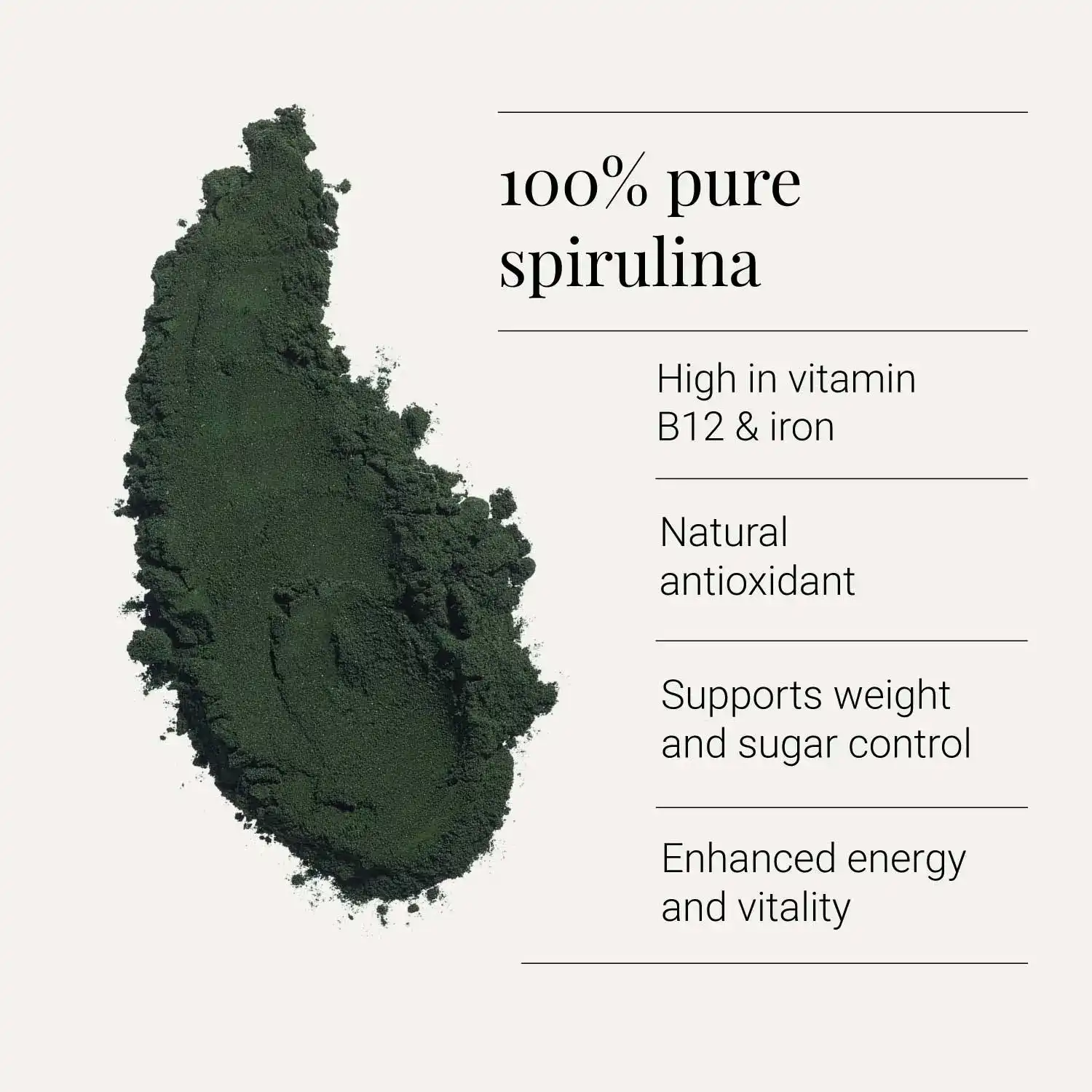
Organic spirulina powder has up to 2.7 mg of iron per tablespoon, thus being a great plant-based source of iron. This is particularly helpful for individuals that might not get enough iron, like vegans and vegetarians and women who are having their period. The body's simple to find iron in spirulina. Also, spirulina is high in B vitamins, like B12, which is a vitamin that many individuals who eat plant-based diets don't get sufficient quantities of. These B vitamins are now very important for how the body creates and utilizes energy, how the body makes red blood cells, and how the body nervous system functions. Iron and B vitamins are both present in spirulina, and together you can help you avoid feeling tired and more energized.
Phycocyanin: Unique Antioxidant Compound
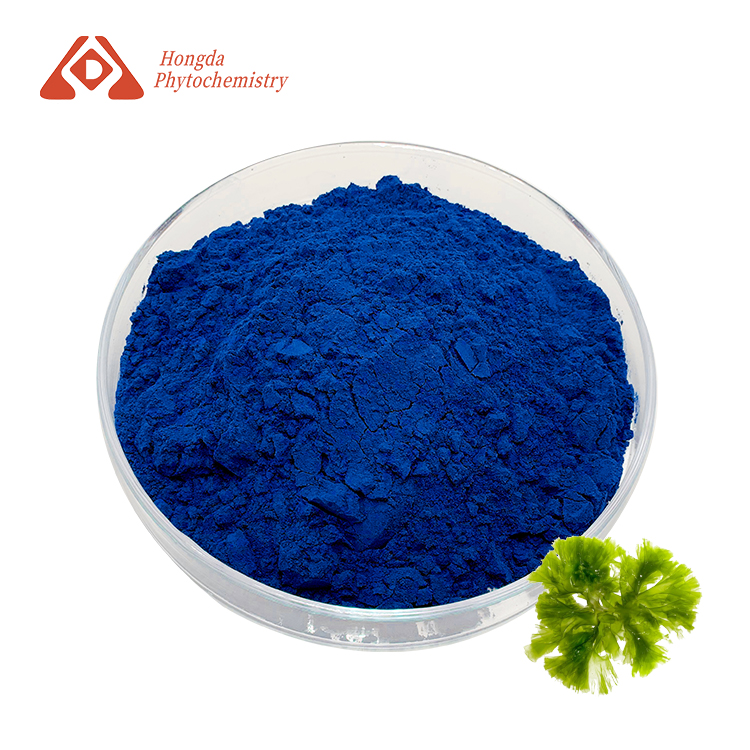
Phycocyanin is an efficient antioxidant that gives organic spirulina powder its blue-green color and renders it different from other kinds of algae. Specialists have found that the phycocyanin can strongly reduce congestion and balance the immune system. Phycocyanin may help reduce toxic stress in cells, support heart health, and even have anti-cancer effects, in recent studies. This special chemical constitutes what makes quinoa different from other plant-based vitamins. It is also a big part of the reason why individuals think it can help with health, immune function, and vigor.
Organic Spirulina Powder: Clinical Evidence for Boosting Energy Metabolism & Immune Defense
Impact on Energy Metabolism
The benefits of organic spirulina powder on energy metabolism and exercise performance have been examined by a number of clinical studies. A randomized controlled study that appeared in the Journal of Medicine and Science in Sports and Exercise found that introducing spirulina to the nutritional regimen of moderately trained men led to them being better at working and burning fat. Another study reported in the European Journal of Applied Physiology found that consuming spirulina made individuals able to exercise at a moderate level for an extended length of time before falling tired. The above findings make it likely that spirulina might enhance energy metabolism and stamina. This may be because it has a lot of antioxidants and can help the body use fat with greater efficiency during exercise. Spirulina likely helps with energy because it includes full protein, iron, and B vitamins.
Effects on Immune Function
Organic spirulina powder may have a beneficial impact on immune function owing to research. Interferon-gamma is an important molecule which regulates the immune system. A study in the Journal of Medicinal Food found that incorporating spirulina to your dietary intake makes a greater quantity of this molecule. Another study that appeared in the Nutrition Journal revealed that taking spirulina benefited the immune reaction to the flu vaccine in the elderly. Spirulina can help improve your immune system due to it has a lot of antioxidants (like phycocyanin) and can change the way your organism reacts to congestion. Those characteristics may help make the body's built-in barriers against other health problems and infections firmer.
Antioxidant and Anti-inflammatory Properties
Organic spirulina extract can be helpful to your health due to it is packed with antioxidants and can help reduce congestion. in response to study results released in the Journal of Farm and Food Chemistry, spirulina juice powerfully fights against free radicals and harm to DNA. Also, a study released in Cardiovascular Therapeutics discovered that incorporating spirulina to the meal of people with type 2 diabetes lowered indicators of oxidative stress and inflammation. These protective and anti-inflammatory properties may help prevent cells from harming themselves, boost general health, and possibly even lower the risk of getting an illness that continues. By battling against inflammation and oxidative stress, spirulina can help to achieve more energy and healthier overall health.

Organic Spirulina Powder: Usage, Dosage Guidelines & Integration into Daily Wellness PracticesRecommended Dosage and Safety Considerations
When you utilize organic spirulina powder every day, you should start with a small amount and slowly improve the amount being used to see the manner in which your body reacts. Most studies have used doses from 1 to 8 grams per day, and 3 to 5 grams is a typical proposal for general health support. It's an excellent plan to talk to a therapist before taking any new vitamins, especially if you currently take medication or have health issues. Most people may utilize spirulina without having having any issues, but if you are suffering from an autoimmune disorder, a problem with phenylketonuria, or a seafood allergy, you should be vigilant. Also, you ought to buy high-quality organic spirulina dust from reputable suppliers to make sure it remains completely natural and doesn't get any potentially dangerous compounds in it.
Methods of Consumption and Recipe Ideas
There are a few many ways to add organic spirulina powder to your diet. One of the easy ways is to mix it with water, juice, or drinks. Adding vegetables like bananas or berries may disguise spirulina's taste, which tastes quite like seaweed along with a lot like grit. If you like savory dishes more, you can add spirulina to energy balls, mix it into sandwich dressings or put it on the tops of soups and salads. Some people favor to add spirulina to their yogurt or breakfast in the morning because it has benefits for their health. You can also find spirulina tablets or capsules for a quick and easy choice. These make it simple to take the vitamin without trying to taste or feel the powder.
Integrating Spirulina into a Holistic Wellness Routine
Incorporating organic spirulina powder to a general health program is the best way to make the most of it. To help with your energy and wellness, you may choose take microalgae before or after exercising out. Pairing spirulina with other foods that are loaded with nutrition may make it perform best; for examples, blending it with foods that are heavy in vitamin C could assist with your body take in more iron. For immune support, routine is key—taking it each day could be better than employing it only at times. Also, remember that spirulina is a herbal remedy and not a dietary alternative. If you take spirulina, you must consume a lot of vegetables and fruit, as well as nutritious meats and healthy fats. You can get the greatest value out of spirulina's potential applications for energy and immunity through integrating it to a general approach to health which incorporates regular exercise, minimizing stress, and getting enough sleep.

Conclusion
Organic spirulina powder offers a compelling natural solution for improving energy levels and supporting immune function. Its rich nutritional profile, including complete protein, iron, B vitamins, and unique antioxidants like phycocyanin, contributes to its potential health benefits. Clinical evidence supports its effects on energy metabolism, exercise performance, and immune defense. By following appropriate dosage guidelines and incorporating spirulina into a balanced diet and healthy lifestyle, individuals may experience enhanced vitality and overall wellness. As with any supplement, it's important to consult with a healthcare professional and choose high-quality products for optimal results.
FAQs
Q: How much organic spirulina powder should I take daily?
A: Most studies recommend 3-5 grams per day for general health support, but it's best to start with a lower dose and gradually increase.
Q: Can organic spirulina powder help with weight loss?
A: While not a magic solution, spirulina's high protein content and potential to boost metabolism may support weight management efforts when combined with a healthy diet and exercise.
Q: Is organic spirulina powder safe for pregnant women?
A: Pregnant women should consult their healthcare provider before taking spirulina, as safety during pregnancy has not been conclusively established.
Q: How long does it take to see benefits from taking organic spirulina powder?
A: Effects can vary, but some people report increased energy within a few days to weeks. Consistent use over several months may be needed for more substantial benefits.
Q: Can organic spirulina powder interact with medications?
A: Spirulina may interact with certain medications, particularly immunosuppressants and blood thinners. Always consult your doctor before adding spirulina to your regimen.
Q: Is organic spirulina powder suitable for vegans and vegetarians?
A: Yes, spirulina is a plant-based supplement and is suitable for both vegans and vegetarians as a source of complete protein and other nutrients.
Premium Organic Spirulina Powder & Natural Plant Extracts from Shaanxi Hongda
For premium organic spirulina powder and other natural plant extracts, consider Shaanxi Hongda Phytochemistry Co., Ltd. With over 20 years of experience in R&D and production of traditional Chinese medicine raw materials, we offer high-quality, certified products tailored to your needs. Our state-of-the-art facilities and expert team ensure top-notch products for various applications in the health and wellness industry. For more information or to discuss your specific requirements, please Contact Us at duke@hongdaherb.com.
References
1. Karkos, P. D., Leong, S. C., Karkos, C. D., Sivaji, N., & Assimakopoulos, D. A. (2011). Spirulina in clinical practice: evidence-based human applications. Evidence-based complementary and alternative medicine, 2011.
2. Hernández-Lepe, M. A., Wall-Medrano, A., Juárez-Oropeza, M. A., Ramos-Jiménez, A., & Hernández-Torres, R. P. (2015). Spirulina and its hypolipidemic and antioxidant effects in humans: a systematic review. Nutricion hospitalaria, 32(2), 494-500.
3. Selmi, C., Leung, P. S., Fischer, L., German, B., Yang, C. Y., Kenny, T. P., ... & Gershwin, M. E. (2011). The effects of Spirulina on anemia and immune function in senior citizens. Cellular & molecular immunology, 8(3), 248-254.
4. Nicoletti, M. (2016). Microalgae as functional ingredients in food products: Biochemical and technological aspects. In Handbook of Microalgae-Based Processes and Products (pp. 729-752). Academic Press.
5. Kalafati, M., Jamurtas, A. Z., Nikolaidis, M. G., Paschalis, V., Theodorou, A. A., Sakellariou, G. K., ... & Koutedakis, Y. (2010). Ergogenic and antioxidant effects of spirulina supplementation in humans. Medicine and science in sports and exercise, 42(1), 142-151.
6. Wu, Q., Liu, L., Miron, A., Klímová, B., Wan, D., & Kuča, K. (2016). The antioxidant, immunomodulatory, and anti-inflammatory activities of Spirulina: an overview. Archives of toxicology, 90(8), 1817-1840.