Can I Take Spirulina Powder Everyday?
2025-08-18 11:07:04
Spirulina powder has rapidly grown in popularity as a dietary supplement, thanks largely to its dense nutrient profile. With high amounts of protein, antioxidants, vitamins and minerals packed into its blue-green algae cells, spirulina has drawn the attention of health-conscious consumers looking to incorporate more superfoods into their daily routine.
But is it safe to take spirulina powder every day? This article provides an overview of the key considerations around daily spirulina supplementation based on insights from expert sources and scientific research. We'll explore spirulina's nutritional benefits, potential side effects, what the science says about its efficacy, and best practices for safe, effective daily usage.
Understanding Spirulina Powder
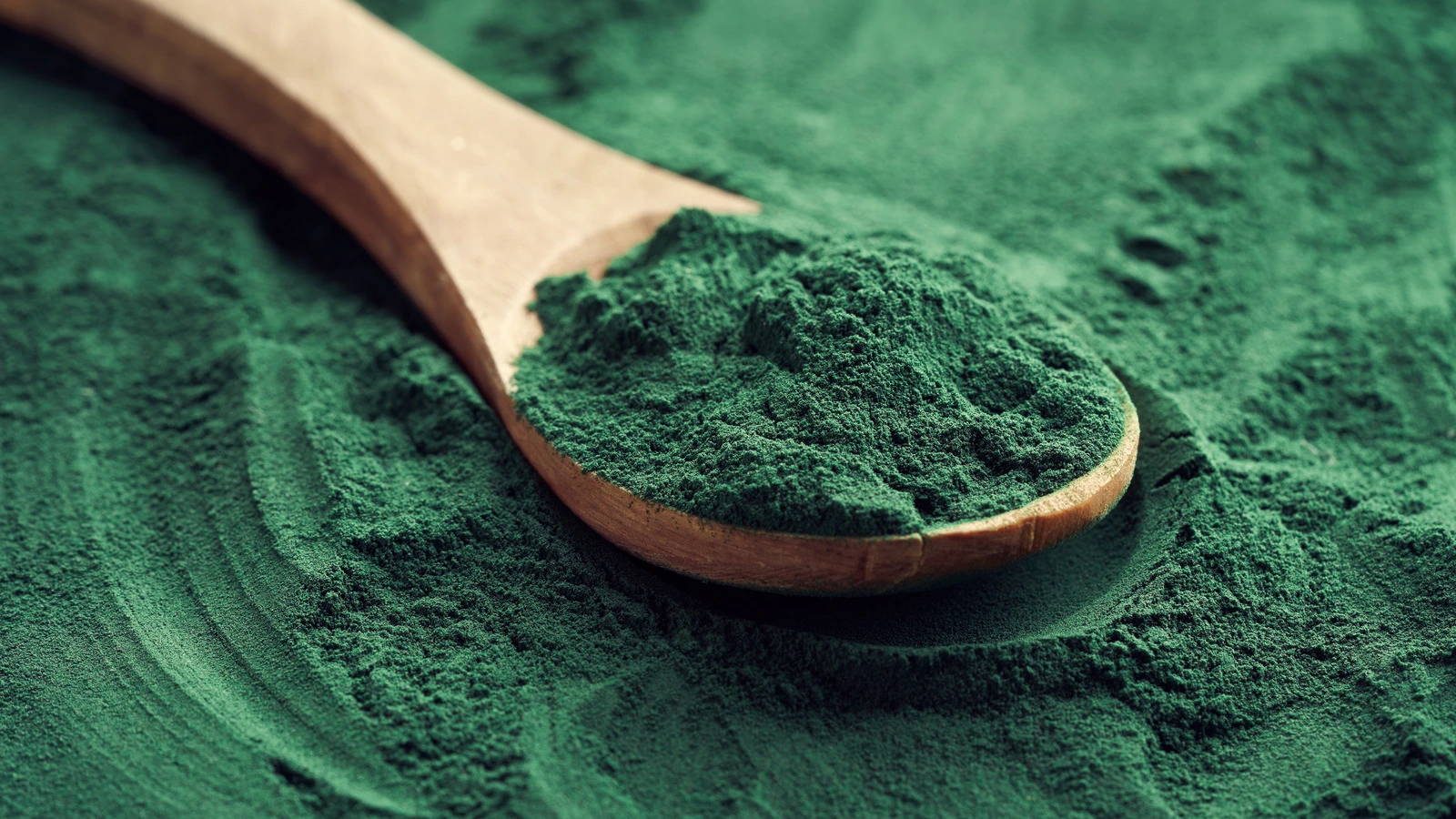
Spirulina refers to the dried, powdered form of Arthrospira platensis, a species of cyanobacteria with a long history as a food source. Though native to specific alkaline lakes, spirulina powder is now produced around the world for commercial consumption.
As a supplement, spirulina packs an impressive array of nutrients. A single tablespoon (7 grams) contains approximately:
- 4 grams of protein
- 11% RDA iron
- 21% RDA thiamin
- Smaller yet substantial levels of riboflavin, niacin, magnesium, potassium, and more
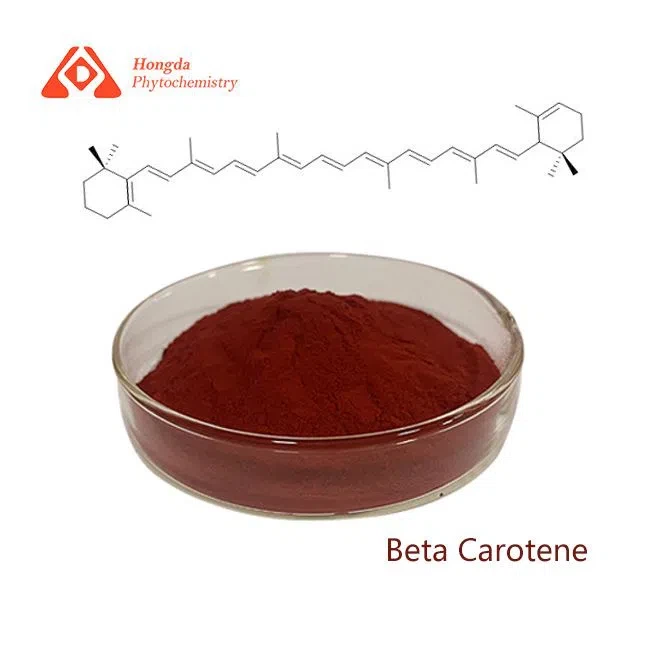
In addition to vitamins, minerals, and protein, spirulina powder also contains phenolic acids, tocopherols, and beta-carotene – compounds which exhibit antioxidant properties that may play a role in countering oxidative stress.
The rich blue-green pigment of spirulina powder stems from its phytochemical content, including chlorophyll, carotenoids, and other plant pigments with antioxidant and anti-inflammatory benefits. Beyond this vibrant color, spirulina owes its nutritional density to the fact that it is able to grow in highly alkaline environments that are inhospitable to other organisms. This allows spirulina to concentrate minerals and nutrients from its environment more efficiently than land plants.
With this rich nutrient profile, spirulina has sparked interest for its potential upsides ranging from increased energy and weight management to boosted immunity. But what does the science say about taking it daily?
Nutritional Profile and Benefits
The top nutrient boasts of spirulina center on its high-quality protein content. With all essential amino acids included, spirulina offers a rare plant-based protein comparable to eggs. This makes it particularly appealing to vegetarians, vegans, and those seeking non-meat protein sources.
Some research has found that the protein in spirulina may be more digestible than protein from whole foods like meat, eggs, and milk. This is because spirulina does not have cellulose cell walls, meaning its protein can be efficiently absorbed by the digestive system.
Additionally, spirulina contains an array of B vitamins including vitamin B1, B2, B3, B6, B9, and vitamin B12. Vitamin B12 is especially notable, as deficiencies in this nutrient are common, particularly among vegans and vegetarians who abstain from meat and dairy. Just 3 grams of spirulina can meet over 100% of the recommended daily intake of B12.
Spirulina also delivers sizable concentrations of key vitamins and minerals hard to find in typical diets. As examples, the iron in spirulina powder has high bioavailability, while its potassium, B vitamin, and antioxidant levels help round out its complete nutritional package.
The combined effects of this nutrition profile – high quality protein, iron, potassium, B vitamins and antioxidants – underlie the supplement's appeal. Some research indicates spirulina's nutrition could translate to concrete health impacts, like lower blood pressure and cholesterol alongside increased antioxidant status. However, most studies have been small or conducted on animals. More research is still needed to support spirulina's other ties to immune function, endurance, and more.
Potential Side Effects and Precautions
While nutritional benefits may appeal, spirulina powder does come with some potential side effects to consider before daily usage. These mainly revolve around digestion and allergic response.
For example, taking too much spirulina powder at once can lead to nausea, diarrhea, flatulence and abdominal pain due to the bacterial cell walls. This effect seems most common at doses over 3 grams per day. Starting slow then ramping intake up gradually can help minimize discomfort.
Allergic reactions and complications also represent a concern, especially for those with pre-existing seafood, iodine or phenylalanine sensitivities. Choosing high-quality, contaminant-free brands can further reduce rarer issues like heavy metal exposure or liver toxicity.
Those on medications or with underlying conditions should exercise particular caution, checking with a doctor before adding daily spirulina. For the general public though, these simple precautions allow safe supplementation for most.
Scientific Evidence and Research
While historical references and preliminary results seem promising, what does the current clinical research actually indicate about daily spirulina supplementation?
Several small trials found spirulina effectively lowered LDL cholesterol, triglycerides, and blood pressure levels up to taking just 1 gram per day. Randomized controlled studies also link spirulina supplementation with boosted immune function, increased endurance for athletes, and regulated blood sugar levels, though more research is still needed in some of these areas.
A few larger scale human studies have shown more definitive results as well. For example, a 2018 study of nearly 200 adults in Korea found that 8 weeks of daily spirulina supplementation increased participants' levels of the antioxidant enzyme superoxide dismutase by over 30%, in addition to raising immune cells counts.
A 2020 literature review also concluded that spirulina effectively raises red blood cell counts, hemoglobin levels and stimulation of the immune system. The authors noted that these benefits have been observed even at relatively low doses between 1-2 grams of spirulina per day.
Regarding safety, a 2020 toxicology analysis confirms up to 8 grams per day poses no serious risks or side effects for healthy adults in the short or long term. However, some researchers note issues around contamination emphasizing the need for regulation and strict quality control measures during production and Packaging.
Though evidence looks favorable for certain benefits, experts agree larger-scale human trials are vital to substantiate current theories on spirulina's effects on things ranging from viral infections and inflammation to oral health. Government health agencies note that the current body of evidence remains preliminary, highlighting the need for further research.
Recommended Dosage and Usage
So how much spirulina powder is safe to take daily? Most medical authorities suggest an upper limit of 10 grams per day at maximum. However, the ideal dosage can shift based on your individual health needs and sensitivity.
For general wellness, health resources often recommend around 3-5 grams daily, ideally split into multiple servings rather than one large dose. This averages around 1-2 teaspoons or 4-6 tablets. Starting with just 1 gram (or less) then gradually increasing intake while staying tuned into your body's signals allows you to find the optimum amount that agrees with your system.
Combining spirulina powder into smoothies, juices, energy bites, soups or simply mixing into water makes it easier to split servings over the course of a day. Be sure to avoid high heat cooking, which could damage its nutritional properties.
When purchasing spirulina supplements, be sure to buy from reputable sources that follow quality control procedures and independent testing. Contaminants remain a concern, so checking for third party quality verification is advised, especially when sourcing from regions with less stringent regulatory oversight. Choosing organic certified spirulina can help minimize this risk as well.
Who Might Benefit from Daily Usage?
While clinical research continues to uncover spirulina's therapeutic potential, current signs point to particular groups who may derive the most benefits from daily supplementation:
Athletes and Active Individuals: With promising muscle building potential alongside anti-fatigue effects, athletes could see performance enhancement from combining daily training with spirulina's high protein and antioxidant concentrations.
Vegans and Vegetarians: Spirulina Powder's complete protein content makes it uniquely positioned to prevent potential deficiencies that sometimes accompany meat-free diets. Essential micronutrients like iron and vitamin B12 in spirulina also help mitigate common shortfalls.
Those with Anemia: As a rich source of bioavailable iron and protein, spirulina may help improve red blood cell counts and hemoglobin levels to combat anemia. This could be especially helpful for women more susceptible to deficiency.
Seniors: For older adults at higher oxidative risk, taking antioxidant-dense spirulina may help defend against chronic inflammation and associated diseases. Enhanced nutrient absorption could also benefit those more vulnerable to deficiencies with age.
Weighing the Pros and Cons
Daily spirulina presents a number of potential advantages, but also some risks to factor. Weighing these key pros and cons allows making an informed decision about whether integrating it into a daily wellness regimen makes sense.
Potential Pros:
- Highly nutritious profile of protein, vitamins, minerals
- Antioxidant properties help fight oxidative damage
- Enhanced energy, endurance and muscle strength
- Lowers blood pressure and cholesterol
- May boost immunity and balance blood sugar
Potential Cons:
- Risk of digestive issues at high doses
- Contamination and sensitivity risks
- Limited evidence for some proposed benefits
- Can interact with certain medications
- More research needed to confirm therapeutic effects
Safety Tips for Daily Usage
If you do opt to take daily spirulina supplements, following these tips can help promote safe, effective usage:
- Check with your doctor before starting, especially if taking medications or if pregnant/nursing
- Start with low doses (0.5-1 gram) for first 2 weeks, slowly increasing to avoid gut issues
- Split dose into 2-3 servings spaced throughout the day
- Drink plenty of water and stay well hydrated
- Purchase high quality organic brands from reputable suppliers
- Watch for allergic reactions or side effects and adjust dosage/stop use if these occur
- Take a break or cycle off supplementation every so often (e.g. one week off every 2-3 months)
The Takeaway
From protecting cells from oxidative damage to delivering a healthy dose of protein, vitamins and minerals, incorporating spirulina powder into your daily routine could offer advantages ranging from increased energy to balanced cholesterol. Yet dose, quality and using caution around risks remains key.
While current signs seem to indicate safe supplementation for healthy adults at doses under 10 grams per day, checking with your doctor is still essential – especially if taking medications, managing health conditions, or experiencing any negative symptoms. This allows finding the right spirulina fit tailored your individual needs and priorities.
Hongda Phytochemistry Co., Ltd. boasts an impressive array of Certifications including cGMP, BRC, ORGANIC (EU), ORGANIC (NOP), ISO22000, ISO9001, FDA, HALAL, KOSHER, and national certification of high-tech innovative enterprises. With over 30 years of experience, our Shaanxi Hongda factory is a renowned ingredients manufacturer. Spanning an area of 20,000 square meters, our Hongda Phytochemistry factory is equipped with advanced extraction equipment and houses its own SGS certified laboratory.
One of our highly sought-after products is the Organic Spirulina Powder, which has gained popularity among our customers. Should you wish to obtain more detailed information about this product or any other inquiries, please don't hesitate to reach out to us via email at duke@hongdaherb.com. We take pride in our corporate advantages and strive to provide comprehensive solutions to meet our clients' needs.
References:
1. Doughari, JH. Spirulina as a Source of Vitamins and Antioxidants. InSpirulina. Academic Press. 2022 Jan 1. p. 43-58.
2. Wells ML, Potin P, Craigie JS, et al. Algae as nutritional and functional food sources: revisiting our understanding. J Appl Phycol. 2017;29(2):949-982. doi:10.1007/s10811-016-0974-5
3. McCarty MF. Clinical potential of Spirulina as a source of phycocyanobilin. J Med Food. 2007;10:566-570. doi:10.1089/jmf.2007.621
4. de Oliveira GL, de Souza AC, Pereira CMP, Fávaro DI, Arruda SF. Use of Spirulina platensis to Improve Athletes' Performance: A Systematic Review. Nutrients. 2021;13(10):3296. Published 2021 Oct 2. doi:10.3390/nu13103296