Can Astaxanthin Softgel Capsules Reduce Inflammation Naturally?
2026-06-10 15:43:08
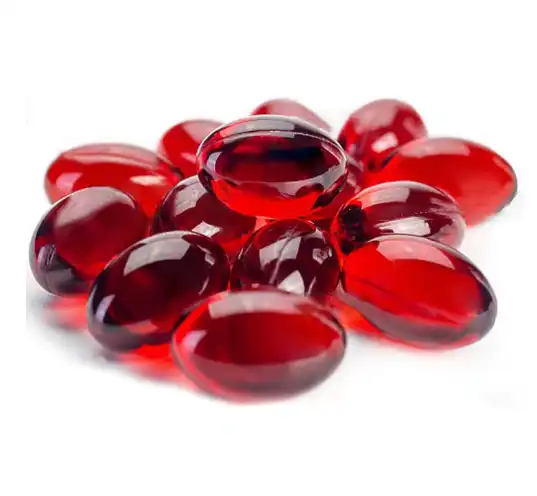
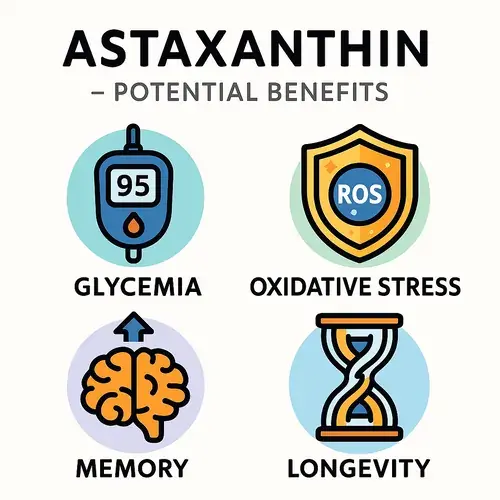
Astaxanthin softgel capsules are very good at reducing inflammation because they are strong antioxidants. These vitamins control inflammation by blocking NF-kB pathways and lowering pro-inflammatory hormones. They come from the microalgae Haematococcus pluvialis. Using fat carriers like MCT or olive oil in softgels increases bioavailability by 3.5 times compared to powder types, making sure that the medicine is absorbed properly. Within 4 to 12 weeks of consistent use, clinical studies show noticeable decreases in oxidative stress markers and inflammatory reactions. This makes this natural option especially useful for procurement experts looking for evidence-based nutraceutical solutions.
Understanding Astaxanthin Softgel Capsules and Their Anti-Inflammatory Potential
What Makes Astaxanthin a Powerful Anti-Inflammatory Agent
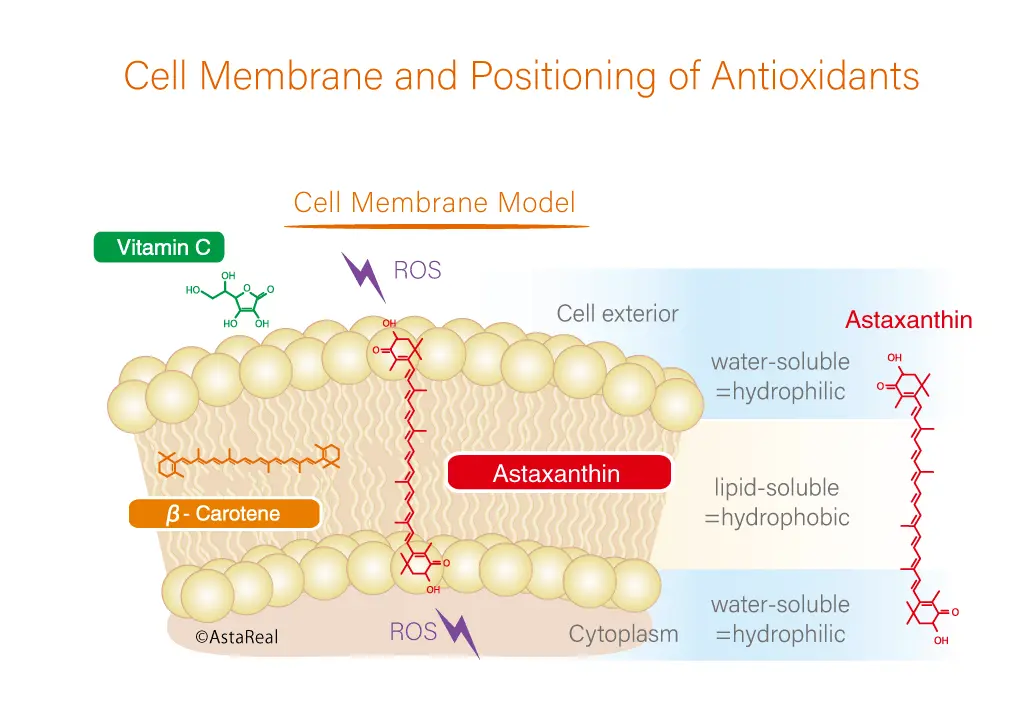
The compound astaxanthin is a powerful antioxidant that is found in nature. Its antioxidant activity is 6000 times higher than that of Vitamin C. This amazing compound works at the cellular level to stop reactive oxygen species that cause inflammation throughout the body. The 3S, 3'S stereoisomer configuration found in natural algal sources has better biological activity compared to manmade racemic mixes. This is why source verification is so important for formulators.
Molecular Mechanisms Behind Inflammation Reduction
Astaxanthin's power to get through cell membranes and protect mitochondrial function gives it anti-inflammatory qualities. It stops the nuclear factor kappa B (NF-kB) signaling system from working, which controls the production of genes that make substances that cause inflammation. Astaxanthin targets inflammation at its cellular level instead of just covering up its signs. It does this by stopping the production of interleukin-6, tumor necrosis factor-alpha, and other cytokines. This mechanism-based method works well for R&D teams that are making specific functional formulas.
Softgel Delivery System Advantages for Bioavailability
The Packaging technology used in softgel production fixes the fact that carotenoids are naturally unstable when they are exposed to light and air. Vacuum microencapsulation preparation makes sure that there is no oxygen left in any capsule. This stops the oxidative degradation that happens in pill or powder forms and lowers their effectiveness. Because astaxanthin is lipophilic, it needs a fat-based carrier to be absorbed in the intestines. Astaxanthin Softgel Capsules provide this pre-dissolved matrix, which gets rid of the problems that come up with dry formulations. Dark gelatin or veggie shells protect against UV light physically, keeping the rate of fading below 3% for 24 months.
Recommended Dosage and Safe Usage Guidelines for Astaxanthin Softgels
Evidence-Based Dosing for Inflammation Management
A clinical study backs up daily doses between 4 mg and 12 mg for effectively reducing inflammation. Higher doses show better results in sports healing and joint health uses. The dose is chosen based on the health goals and details of the end user. Athletes who are dealing with inflammation caused by exercise may need 8–12 mg daily, while 4-6 mg amounts are usually used for general health formulations. When procurement teams choose bulk ingredients for their target market, they should keep these differences in strength in mind to make sure the recipe works the way customers expect it to.
Optimal Timing and Consumption Practices
The most astaxanthin is absorbed when eaten with fats, because the lipid environment makes it easier for micelles to form, which is needed for pigment uptake. Because the Astaxanthin Softgel Capsules are made of oil, they naturally meet this need. However, telling people to take capsules with food makes them even more bioavailable. Consistent daily eating leads to cumulative benefits because astaxanthin builds up in tissues over time, especially in the skin, eyes, and joints, where its beneficial effects are most noticeable.
Safety Profile and Potential Interactions
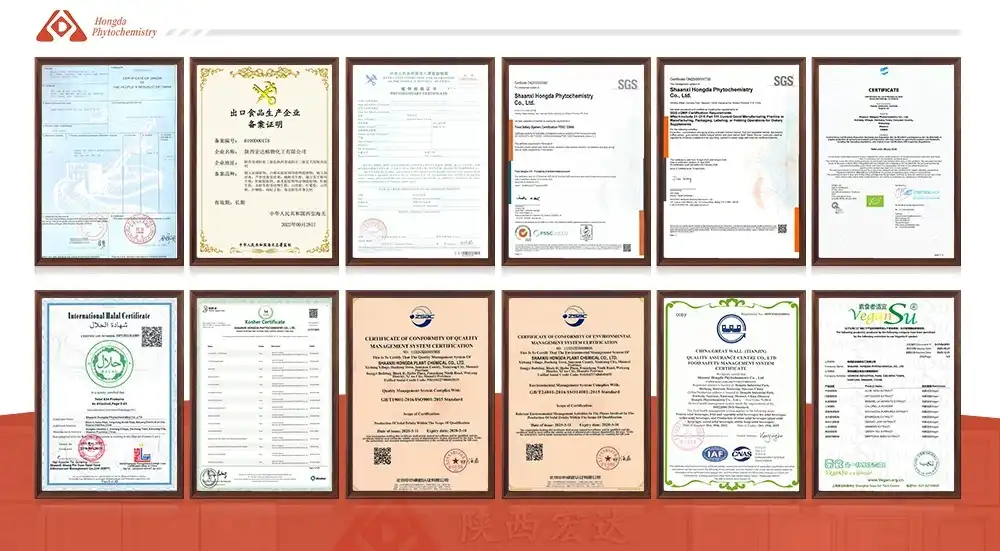
It has been stated that astaxanthin is very safe, with few side effects seen at normal supplement amounts. Mild effects can include small changes in skin color or stomach issues during the first few weeks of use. There aren't many reasons why this shouldn't be done, but people who take anticoagulant medicines should talk to their doctor because these drugs might interact with blood-clotting mechanisms. It is very important to make sure of the quality of the compound through third-party tests because contaminants or falsely reported strength levels are more dangerous than the compound itself. Certifications like GMP, HALAL, KOSHER, and FSSC22000 make sure that products and services meet the standards needed for business-to-business relationships.
Comparing Astaxanthin Softgels with Other Forms for Inflammation Management
Bioavailability Across Delivery Formats
When it comes to getting astaxanthin into the bloodstream, Astaxanthin Softgel Capsules work better than pills and powders. The smooth encapsulation keeps the ingredients stable throughout the product's existence and stops volatile components from being lost. Even though hard pills are cheaper, they don't have the airtight seal that keeps oxygen out, which means that the effectiveness slowly decreases. Liquid versions make it hard to hide tastes and need preservative systems that could hurt the clean label stance. The way softgels dissolve makes sure that they break down quickly (within 30 minutes, according to USP guidelines), which makes absorption happen quickly.
Market Demand Patterns and Consumer Preferences
The data on purchases shows that people in North America and Europe really like Astaxanthin Softgel Capsules. They think that this type of delivery is more effective and of higher quality. You can't say enough about how convenient it is, since properly made softgels don't have any flavor or smell and get rid of the fishy taste that comes from raw astaxanthin. Bottled forms with 60 or 120 capsule counts work with monthly or quarterly supply cycles, which supports subscription models that are becoming more popular in the nutrition industry.
Certification Requirements for Organic and Vegan Formulations
Vegan astaxanthin softgel capsules made with modified starch or carrageenan shells instead of traditional gelatin are becoming more popular because more people want to eat plant-based foods. To meet the needs of retailers and customer standards, these formulations need specific certifications, such as approval from the Vegan Society and proof from the Non-GMO Project. Organic standards make things more complicated, but they also create new premium markets where people are willing to pay much higher prices. For the level of tracking that these standards require, suppliers must work together with full recording systems that cover the whole process, from cultivation to encapsulation.
Key Considerations for Bulk Purchasing and Supplier Selection of Astaxanthin Softgels
Evaluating Manufacturing Standards and Certifications
The first step in evaluating a supplier is checking their production records. This makes sure that the products are safe and that they follow all international regulations. GMP approval shows that production methods are in line with those used for pharmaceuticals, and ISO9001 and ISO22000 show that quality management is organized. Shaanxi Hongda Phytochemistry Co., Ltd. has many certificates, such as FSSC22000, BRC, and FDA registration, which allow the company to work in places with strict rules. The SGS-certified lab can make batch-specific testing results that include microbiological and potency calibration factors. This gives buying workers the clarity they need.
Understanding Customization and Private Label Options
In competitive markets, brands can stand out by being able to adjust formulations, packaging, and labels. Hongda lets you mix ingredients in a variety of ways, so you can make your own blends with molecules that work well together, like omega-3 fatty acids or phospholipids. Customizing the bottle meets the aesthetic needs of a particular brand, and customizing the label helps with legal compliance in many places. The minimum order amounts are set in a way that makes them affordable for new brands while also meeting the needs of efficient production. They are usually set up to support both small-scale market testing and large-scale business launches.
Logistics Infrastructure and Global Distribution Capabilities
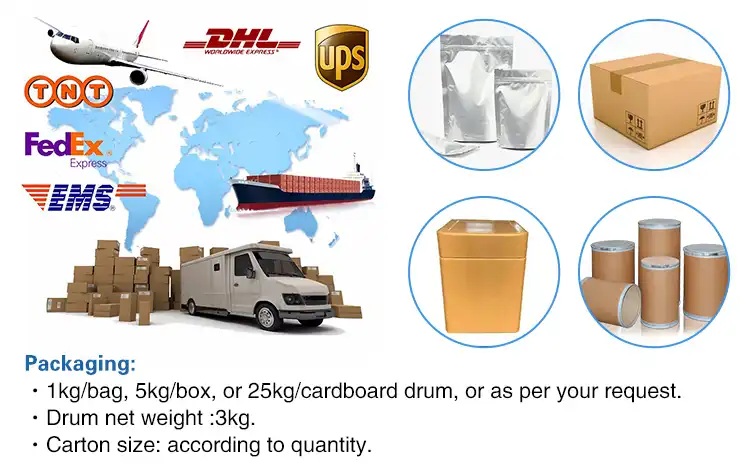
Delivery times have a big effect on managing goods and responding to the market. Because Hongda is a Public Overseas Warehouse, it's easy to ship to important markets in one to three days, which works for many nutraceutical brands that use just-in-time stocking strategies. Shipping options like DHL, FedEx, TNT, EMS, and ocean freight give you choices based on how quickly you need to get your package and how much it will cost. International purchasing tastes can be met by accepting payments through T/T, VISA, XTransfer, and Alipay. This makes the buying process smoother. Right now, there are enough items in stock to meet standard specs right away, which is very important for brands that have to deal with yearly demand changes or marketing campaigns.
Practical Applications and Case Studies: Astaxanthin Softgels in Inflammation Management
Athletic Performance and Recovery Applications
Astaxanthin softgel capsules' anti-inflammatory qualities directly address exercise-induced muscle damage and oxidative stress in the sports nutrition market, which is a large one. Studies with endurance athletes show that taking 6–12 mg of a vitamin every day shortens the time it takes to heal and eases muscle pain. Astaxanthin softgel capsules protect mitochondria and boost energy production in cells, which helps with both performance during exercise and healing afterward. Hongda can make high-potency products that have been shown to stay stable in a variety of storage settings, which is good for brands that want to reach this group of people.
Dermatological Applications in Beauty-from-Within Products
Astaxanthin is being used more and more in cosmetics because it protects against UV light and slows down the aging process. Building up in the skin layers protects against UV rays from the inside by blocking singlet oxygen and matrix metalloproteinases, which break down collagen. After 6 to 12 weeks of supplements, skin elasticity, moisture retention, and wrinkle depth all got better in clinical studies. People who will be using this product expect to see results that depend on strong actives that haven't been oxidized, so formulation consistency is very important.
Ocular Health and Computer Vision Syndrome Management
Astaxanthin's unique ability to cross the blood-retinal barrier makes it a good ingredient for eye health products that help with digital eye strain and vision loss that comes with getting older. People who work in offices and have Computer Vision Syndrome can improve their accommodation amplitude and feel less eye tiredness by taking 6 mg of vitamin every day. Screen-related eye strain is becoming more common, which opens up new market possibilities, especially as workplace health programs look for treatments that have been shown to work. Pharmaceutical-grade standards that producers like Hongda follow make sure that the products are as pure as they need to be for uses where eye health safety cannot be compromised.
Conclusion
Astaxanthin Softgel Capsules are a scientifically proven way to naturally control inflammation. They do this by working as strong antioxidants that target molecular processes where they start. The softgel delivery system's high bioavailability and pharmaceutical-grade production standards make sure that therapeutic results are reliable in a wide range of settings, from skin health to sports recovery. When procurement professionals work with qualified suppliers who offer full customization, clear quality paperwork, and efficient global shipping, they gain a lot of competitive edge. Astaxanthin is a key nutrient for forward-thinking nutraceutical brands that want to meet the high standards of their customers. The market is clearly moving toward natural anti-inflammatory options.
FAQ1. How long does it take to see anti-inflammatory results from astaxanthin supplementation?
There is clinical proof that shows anti-inflammatory benefits usually become visible 4 to 12 weeks after taking the supplement every day at therapeutic doses of 4 to 12 mg. The time frame is different for each person and depends on things like their starting amount of inflammation, how strong their dose is, and the health problems they are trying to treat. Athletes with acute inflammation from hard training may see improvements in their recovery in two to three weeks. However, individuals with chronic inflammation need to take supplements for longer amounts of time in order to see changes in biomarkers that can be measured.
2. Can astaxanthin softgels be combined with other anti-inflammatory supplements?
When mixed with other nutrients like omega-3 fatty acids, curcumin, or resveratrol, astaxanthin is very safe and often has anti-inflammatory benefits that are stronger than when used alone. To the contrary, people who are taking prescription painkillers or blood thinners should talk to their doctors before starting to take supplements. Although there aren't any major drug interactions reported in clinical journals, it's still a good idea to keep an eye on people who are taking a lot of medications.
3. What certifications should B2B buyers prioritize when selecting astaxanthin suppliers?
GMP certification is the basic condition that makes sure manufacturing methods are up to pharmaceutical standards. ISO standards (9001, 22000) show that quality control is done in a planned way, and FSSC22000 covers all aspects of food safety. Verification testing by a third party, like SGS or Eurofins laboratories, makes sure that statements about strength and microbiological safety are true. Specialty qualifications like HALAL, KOSHER, and Organic credentials make the market more accessible to a wider range of consumers and legal settings.
Partner with a Trusted Astaxanthin Softgel Capsules Manufacturer
You can trust Shaanxi Hongda Phytochemistry Co., Ltd. to provide you with Astaxanthin Softgel Capsules because they only sell pharmaceutical-grade goods and have been in the phytochemistry business for over twenty years. Our fully sealed glass tube photoreactor system makes sure that Haematococcus pluvialis can grow in a sterile environment, creating algal oil that is a much better antioxidant than synthetic options. We don't agree with chemical synthesis at all. Instead, we back isotope tests to prove natural origin and help your brand create a premium marketplace. Labels, bottles, and chemical formulations can all be customized, and production can accommodate either 60 or 120 capsule counts per bottle, depending on your needs. Our many certifications, including FSSC22000, GMP, HALAL, KOSHER, BRC, and FDA, make sure that we follow all global rules. SGS third-party testing results provide proof for each batch. Get in touch with our team at duke@hongdaherb.com to talk about your formulation needs and get a cheap bulk price that helps you reach your market growth goals.
References
1. Ambati, R. R., Phang, S. M., Ravi, S., & Aswathanarayana, R. G. (2014). "Astaxanthin: Sources, Extraction, Stability, Biological Activities and Its Commercial Applications—A Review." Marine Drugs, 12(1), 128-152.
2. Fassett, R. G., & Coombes, J. S. (2011). "Astaxanthin: A Potential Therapeutic Agent in Cardiovascular Disease." Marine Drugs, 9(3), 447-465.
3. Kidd, P. (2011). "Astaxanthin, Cell Membrane Nutrient with Diverse Clinical Benefits and Anti-Aging Potential." Alternative Medicine Review, 16(4), 355-364.
4. Nishida, Y., Yamashita, E., & Miki, W. (2007). "Quenching Activities of Common Hydrophilic and Lipophilic Antioxidants against Singlet Oxygen Using Chemiluminescence Detection System." Carotenoid Science, 11, 16-20.
5. Park, J. S., Chyun, J. H., Kim, Y. K., Line, L. L., & Chew, B. P. (2010). "Astaxanthin Decreased Oxidative Stress and Inflammation and Enhanced Immune Response in Humans." Nutrition & Metabolism, 7, 18.
6. Tominaga, K., Hongo, N., Karato, M., & Yamashita, E. (2012). "Cosmetic Benefits of Astaxanthin on Human Subjects." Acta Biochimica Polonica, 59(1), 43-47.