Are Astaxanthin Softgels Capsules Powerful Antioxidants?
2026-06-30 15:41:54
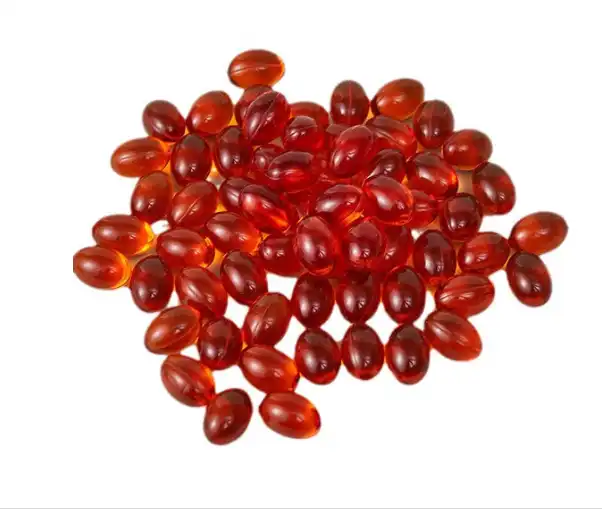
Indeed, among the most potent antioxidants currently available, Astaxanthin Softgel Capsules stand out. Researchers have discovered that astaxanthin is an extremely potent antioxidant, capable of neutralising singlet oxygen at a level 6,000 times higher than vitamin C and 550 times higher than vitamin E. This keto-carotenoid is lipophilic, meaning it is best absorbed in the intestines when delivered in a softgel form, which considerably increases bioavailability. Therefore, when it comes to nutraceutical, pharmaceutical, and cosmetic uses requiring reliable therapeutic results, Astaxanthin Softgel Capsules are the way to go.
Understanding Astaxanthin Softgels: Potent Antioxidants for Health and Wellness
The Chemical Foundation of Superior Antioxidant Performance
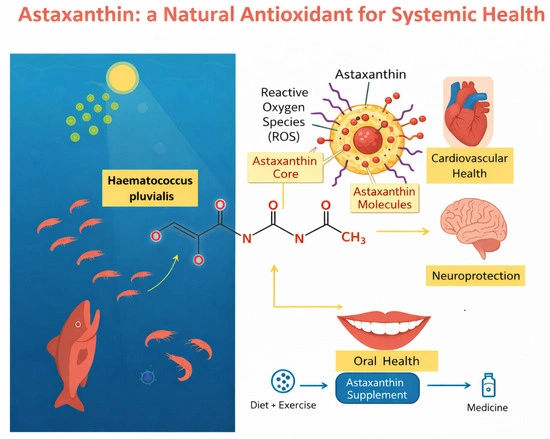
Astaxanthin belongs to the xanthophyll class of carotenoids. It is unique because it features a molecular structure with conjugated double bonds and terminal hydroxyl groups. This configuration enables the molecule to span cellular membranes completely, protecting both lipid and aqueous compartments simultaneously—a capability that sets it apart from conventional antioxidants. The natural 3S,3'S stereoisomer configuration, derived from Haematococcus pluvialis microalgae in a controlled photobioreactor, demonstrates significantly higher biological activity compared to synthetic racemic mixtures commonly found in lower-quality commercial products.
The softgel delivery system addresses a fundamental challenge inherent to astaxanthin: its extreme sensitivity to oxidative and photodegradative breakdown. We utilise vacuum microencapsulation pretreatment to eliminate residual oxygen within each capsule, directly solving the oxidation problem that plagues powder formulations. When combined with refined extra virgin olive oil or MCT oil carriers, the sealed environment creates optimal conditions for maintaining molecular stability throughout the product lifecycle. Clinical studies show that lipid-based softgel formulations improve absorption rates by 3.5 times compared to standard powder capsules, translating to enhanced therapeutic efficacy at lower dosage requirements.
Antioxidant Mechanisms and Comparative Performance
Astaxanthin softgel capsules fight free radicals, quench singlet oxygen, and stabilise membranes; these are just a few of the ways it acts as an antioxidant. The results of ORAC (Oxygen Radical Absorbance Capacity) studies in the lab are consistently higher than those of lutein, zeaxanthin, and beta-carotene. Astaxanthin's amphipathic structure protects both intracellular parts and membrane lipids at the same time. This is different from water-soluble antioxidants, which only work in the cytoplasm.
Applications Beyond Basic Antioxidation
Astaxanthin has recently been shown to be an excellent photoprotective agent. It stops ultraviolet light from breaking down collagen and lowers the expression of matrix metalloproteinase-1 by building up in the dermal layers. Computer vision syndrome and increased accommodation amplitude in jobs with long periods of blue light exposure are two ophthalmic conditions that benefit from its capacity to penetrate the blood-retinal barrier. Similarly, the permeability of the blood-brain barrier is advantageous for neuroprotective applications, which aid in the development of cognitive function formulations aimed at both the ageing population and the high-performance professional markets.
Astaxanthin Softgels vs Alternative Supplements: Making an Informed Choice
Delivery System Comparison and Bioavailability
Product performance depends on encapsulation format in commercial contexts. Softgel capsules are hermetically sealed, unlike two-piece hard capsules. When working with marine-derived compounds with unique sensory profiles, this seamless barrier prevents the loss of volatile components and odours. Physical light-blocking features in our customised black gelatin or vegan shells ensure potency, with fading rates below 3% over two years under regular storage conditions.
Tablets make astaxanthin delivery difficult. Compression forces and excipient interactions can destabilise molecules, while gastrointestinal dissolution rates are uneven. When buying in bulk, procurement teams should prioritise USP softgel specifications that include disintegration testing to meet the 30-minute criterion for predictable absorption profiles.
Natural Algal-Derived versus Synthetic Astaxanthin
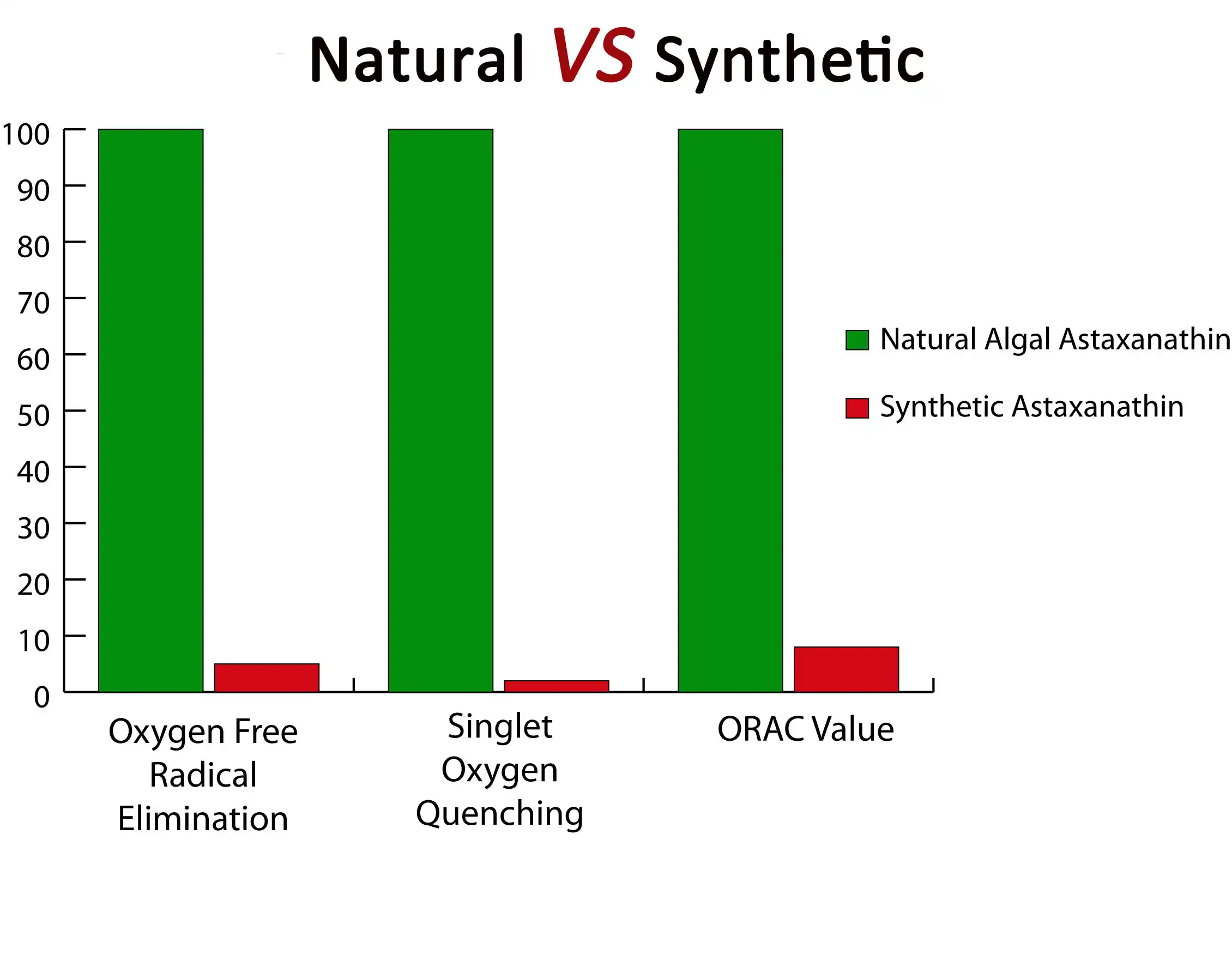
Source material influences market perception and regulatory position. In comparison studies, the biological activity of synthetic astaxanthin derived from petrochemical precursors is reduced when combined with racemic stereoisomer forms. Enclosed glass tubular photoreactors with precisely controlled light intensity, nutrient ratios, and temperature are utilised exclusively for the production of natural algal products. Haematococcus pluvialis may undergo its natural metamorphosis under sterile conditions, transitioning from a green vegetative stage to a red cyst stage to produce oleoresin with higher antioxidant capacity and purity than low-end pond-cultured alternatives.
Brands that care about quality know that isotope testing proves an item's natural origin, which boosts its premium status and the confidence of buyers. Since our raw materials do not include any harmful solvents, they meet or surpass the stringent clean label requirements set by regulators and consumers in the North American and European markets.
Cost-Benefit Analysis for Large-Scale Procurement
Consideration of both unit cost and total value delivery is necessary when making judgments about bulk purchases. Synthetic alternatives may have lower up-front costs, but when you include the costs of reformulation and the difficulties of market positioning, the trade-offs in bioavailability, regulatory flexibility, and brand differentiation usually make the final cost much greater. The high-quality clinical evidence supporting the label claims across several applications, from dermatological nutraceuticals to sports nutrition, along with the complicated cultivation and extraction processes, allows Natural Astaxanthin Softgel Capsules to fetch a premium price.
Astaxanthin Softgel Capsules Specification
|
Items
|
Standards
|
Results
|
|
Physical Analysis
|
|
|
|
Description
|
Dark Red Powder
|
Complies
|
|
Assay
|
Astaxanthin 5% (HPLC)
|
5.23%
|
|
Mesh Size
|
100 % pass 80 mesh
|
Complies
|
|
Ash
|
≤ 5.0%
|
2.85%
|
|
Loss on Drying
|
≤ 5.0%
|
2.85%
|
|
Chemical Analysis
|
|
|
|
Heavy Metal
|
≤ 10.0 mg/kg
|
Complies
|
|
Pb
|
≤ 2.0 mg/kg
|
Complies
|
|
As
|
≤ 1.0 mg/kg
|
Complies
|
|
Hg
|
≤ 0.1mg/kg
|
Complies
|
|
Microbiological Analysis
|
|
|
|
Residue of Pesticide
|
Negative
|
Negative
|
|
Total Plate Count
|
≤ 1000cfu/g
|
Complies
|
|
Yeast&Mold
|
≤ 100cfu/g
|
Complies
|
|
E.coil
|
Negative
|
Negative
|
|
Salmonella
|
Negative
|
Negative
|
Procurement Considerations: Navigating the Astaxanthin Softgel Market
Supplier Evaluation Criteria
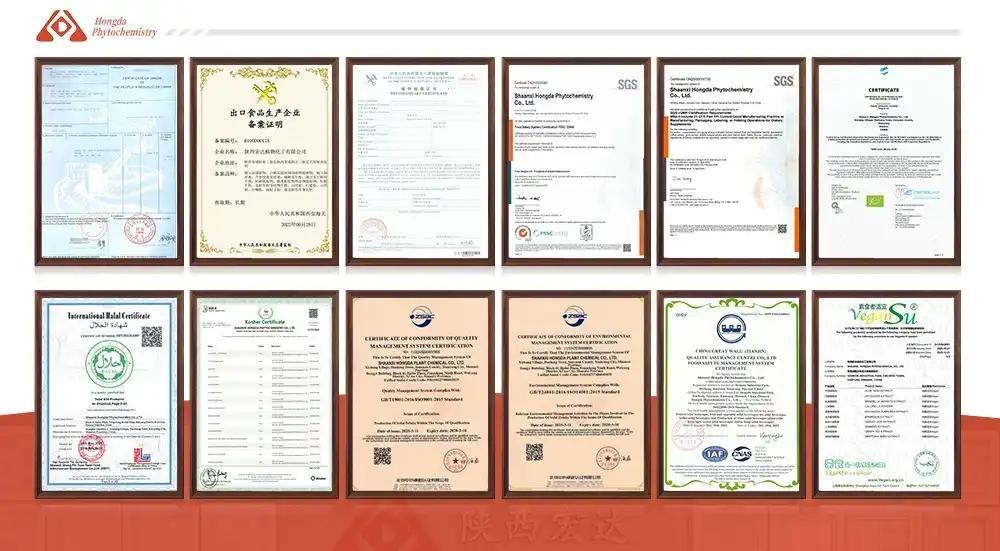
Pharmaceutical-grade manufacturers must be identified by a multidimensional assessment. FSSC22000, cGMP, HALAL, KOSHER, and organic Certifications should be included. These credentials demonstrate infrastructure investment and compliance, not just documentation. For each production batch, we supply SGS or Eurofins third-party testing reports with accurate content calibration from 4 mg to 12 mg concentrations and microbiological data for regulatory filing.
Factory capabilities should be examined. Advanced extraction equipment, dedicated softgel production lines, and certified labs can maintain requirements for large-volume orders. Our 20,000-square-meter facility has complete natural plant extract production infrastructure, over 100 professional technicians, and over 20 prominent university academics conducting research. This combination of academic and manufacturing expertise allows standard production and proprietary formulation development.
Pricing Structures and Contract Optimisation
Clear pricing for Astaxanthin Softgels Capsules takes into account factors such as concentration, order amount, and quality of raw materials. A precise oleoresin percentage, kind of carrier oil, composition of the capsule shell, and Packaging quotations for Astaxanthin Softgel Capsules should be sought by the procurement teams. For white-label and co-branding projects of Astaxanthin Soft Gel Capsules, we personalise bottle labels, ingredient profiles, and more. Based on demographic and market data, we customise unflavoured mixtures of Astaxanthin softgel capsules in 60- or 120-capsule bottles.
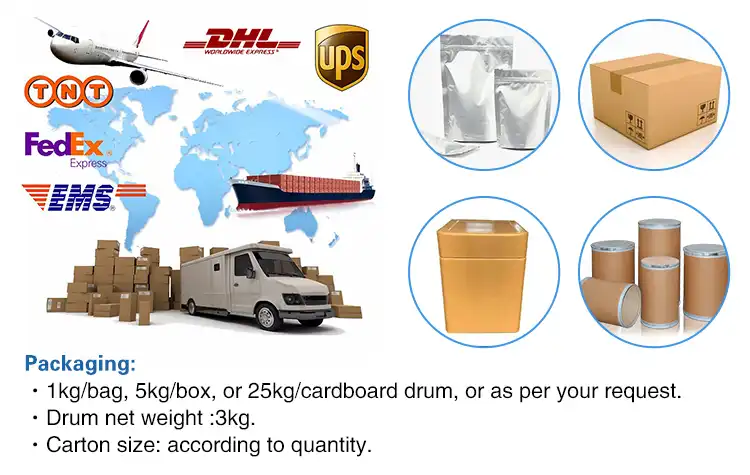
Ease of payment facilitates global commerce. We take T/T, VISA, XTransfer, and Alipay because we know that international buyers have many options when it comes to their financial infrastructure. Shipments via air, sea, or DHL, FedEx, TNT, EMS, or SF are quick and easy, and so is the purchase of samples. With just-in-time inventory and reduced supply chain interruptions, our in-stock standard items arrive in 1-3 days.
Regulatory Compliance and Documentation
Cross-border trade in nutraceutical ingredients demands meticulous documentation supporting customs clearance and regulatory approval. Our qualification portfolio includes FDA registration, BRC certification, ISO9001, ISO22000, and ORGANIC certification, ensuring production methods meet strict standards. Each shipment includes comprehensive certificate of analysis documentation, allergen declarations, and heavy metal testing results that facilitate smooth import processes across jurisdictions with varying regulatory frameworks.
Optimising Use: Dosage, Timing, and Safety of Astaxanthin SoftgelsClinically Supported Dosage Guidelines
Evidence-based dose recommendations differ by therapeutic aim and demographic. Photoprotection, sports recovery, and ocular health applications may require 12mg daily doses, whereas general wellness applications use 4mg to 8mg. Clinical investigations supporting skin health claims use 6 mg to 12 mg over 8 to 12 weeks to increase skin suppleness, wrinkle depth, and moisture retention.
Dosage selection for OEM product development should match target label claims and regulatory criteria. We offer concentration flexibility for formulation optimisation that balances efficacy and cost. Our technical team works with brand formulators to find specifications that support intended positioning while keeping competitive pricing for target retail price points.
Absorption Enhancement Strategies
Timing recommendations emphasise consumption with meals containing dietary fat, as the presence of lipids in the digestive system optimises carotenoid absorption. The pre-dissolved state of astaxanthin in our softgel oil matrix eliminates the dissolution steps required with powder formulations, yet meal-accompanying administration further enhances bioavailability. Some formulators incorporate synergistic antioxidants such as vitamin E or omega-3 fatty acids, creating comprehensive oxidative stress management products with complementary mechanisms.
Safety Profile and Regulatory Status
Even at high doses, astaxanthin has been confirmed to be safe. American, European, and Asian regulators consider natural algal-derived astaxanthin safe. Despite limited clinical evidence of significant interactions, standard precautionary guidance recommends consulting with healthcare providers for anticoagulant patients due to theoretical concerns about carotenoid effects on platelet aggregation.
Beyond active ingredient verification, quality assurance includes heavy metal, pesticide residue, and microbiological testing. Health-conscious brands with high purity requirements can trust our testing processes, which exceed regulatory minimums.
Why Are Astaxanthin Softgels the Preferred Antioxidant Solution in B2B Markets?
Market Drivers and Application Diversity
Multiple converging trends support robust market expansion for astaxanthin ingredients. Rising consumer awareness of oxidative stress impacts on ageing, skin health, and chronic disease risk is driven by wellness influencer content, media coverage of longevity research, and demographic shifts toward ageing populations in developed economies. Simultaneously, clean label preferences accelerate demand for naturally derived ingredients with transparent sourcing narratives, which astaxanthin from controlled microalgae cultivation effectively addresses.
Application versatility enhances commercial appeal across nutraceutical categories. Sports nutrition brands incorporate astaxanthin for exercise recovery and endurance support. Beauty-from-within products leverage their photoprotection and collagen-preservation properties. Eye health formulations targeting digital device users represent a rapidly growing segment. This diversity provides procurement teams with ingredient versatility, supporting multiple product lines from unified supplier relationships.
Clinical Validation and Market Credibility
Published research substantiates astaxanthin's efficacy across diverse endpoints, providing marketing teams with robust claims support. Double-blind placebo-controlled trials document improvements in skin condition, visual acuity under stress conditions, and inflammatory biomarker reduction. This evidence base differentiates astaxanthin from emerging ingredients lacking comprehensive validation, reducing regulatory risk and supporting premium positioning strategies.
Established brands like Nature's Way and Viva Naturals have successfully commercialised astaxanthin products, demonstrating market acceptance and consumer willingness to invest in validated antioxidant supplementation. These precedents provide confidence for new entrants and line extensions while establishing pricing benchmarks and formulation conventions that inform development strategies.
Manufacturing Innovation and Future Prospects
Ongoing technological advancement continues improving astaxanthin production efficiency and product performance. Optimising photobioreactor design increases yield consistency while reducing the environmental footprint. Microencapsulation technologies enhance stability profiles, extending shelf life parameters. Nano-emulsion development promises further bioavailability improvements for topical cosmeceutical applications.
The market is expected to grow at rates higher than the industry average over the next decade, driven by scientific validation expansion, demographic trends, and ingredient naturalness preferences. Procurement partnerships established today position businesses to capitalise on this trajectory through secured supply relationships and accumulated formulation expertise.
Conclusion
Astaxanthin softgel capsules represent a convergence of compelling science, sophisticated manufacturing, and market-validated consumer appeal. For B2B procurement professionals, supplier selection transcends price comparison to encompass technical capability assessment, quality system verification, and strategic partnership potential. Natural algal-derived astaxanthin in lipid-optimised softgel formats delivers measurable performance advantages, justifying premium positioning while meeting rigorous regulatory standards across global markets. The combination of robust clinical evidence, application versatility, and favourable market dynamics creates an exceptional opportunity for brands incorporating pharmaceutical-grade astaxanthin ingredients into product portfolios aligned with wellness megatrends.
FAQWhy do astaxanthin softgels provide superior bioavailability compared to powder capsules?
Astaxanthin's lipophilic molecular structure requires fat-based carriers for efficient intestinal absorption. Softgels pre-dissolve the active ingredient in olive oil or MCT oil, eliminating dissolution steps and creating immediate bioavailability upon gastric release. Hard capsules containing dry powder must first undergo dissolution in gastrointestinal fluids, a process complicated by astaxanthin's poor water solubility, resulting in significantly reduced and inconsistent absorption rates.
Can astaxanthin interact with medications or other supplements?
Astaxanthin demonstrates minimal interaction potential based on available clinical evidence. Theoretical concerns exist regarding anticoagulant medications due to carotenoid effects on platelet function, though documented cases remain rare. Standard guidance recommends healthcare provider consultation for individuals on prescription medications, particularly blood thinners, immunosuppressants, or hormone therapies, despite the generally favourable safety profile observed across numerous clinical trials.
How can bulk purchasers verify astaxanthin product authenticity and quality?
Verification requires comprehensive documentation, including third-party laboratory analysis from accredited facilities such as SGS or Eurofins. Critical specifications include precise astaxanthin content quantification, stereoisomer configuration confirmation distinguishing natural from synthetic sources, heavy metal testing, microbiological analysis, and peroxide value measurements indicating oxidative stability. Reputable suppliers provide batch-specific certificates of analysis, maintain current certification portfolios, and support facility audits, enabling direct quality system assessment.
Partner with Hongda: Your Trusted Astaxanthin Softgels Capsules Manufacturer
At Shaanxi Hongda Phytochemistry Co., Ltd., we've dedicated over two decades to perfecting natural astaxanthin production using pharmaceutical-grade Haematococcus pluvialis cultivation in controlled photobioreactors. Our vacuum microencapsulation technology eliminates oxidation challenges while achieving 3.5-times absorption enhancement compared to standard formulations. As a certified supplier of Astaxanthin Softgel Capsules, we hold FSSC22000, cGMP, HALAL, KOSHER, FDA, and organic certifications and provide complete supply chain transparency with SGS-verified batch documentation. We offer comprehensive customisation, including label design, bottle selection, and concentration specifications from 4 mg to 12 mg, with flexible unit counts of 60 or 120 capsules per bottle. Our in-stock inventory enables rapid 1-3 day shipping via DHL, FedEx, or alternative logistics matching your procurement timeline. Connect with our technical team at duke@hongdaherb.com to discuss bulk pricing, formulation customisation, and how our pharmaceutical-grade astaxanthin softgels can help your nutraceutical product line stand out in competitive markets.
References
1. Nishida, Y., Yamashita, E., & Miki, W. (2007). Quenching activities of common hydrophilic and lipophilic antioxidants against singlet oxygen using a chemiluminescence detection system. Carotenoid Science, 11, 16-20.
2. Tominaga, K., Hongo, N., Karato, M., & Yamashita, E. (2012). Cosmetic benefits of astaxanthin on human subjects. Acta Biochimica Polonica, 59(1), 43-47.
3. Fassett, R. G., & Coombes, J. S. (2011). Astaxanthin: A potential therapeutic agent in cardiovascular disease. Marine Drugs, 9(3), 447-465.
4. Nakagawa, K., Kiko, T., Miyazawa, T., Carpentero Burdeos, G., Kimura, F., Satoh, A., & Miyazawa, T. (2011). Antioxidant effect of astaxanthin on phospholipid peroxidation in human erythrocytes. British Journal of Nutrition, 105(11), 1563-1571.
5. Capelli, B., Bagchi, D., & Cysewski, G. R. (2013). Synthetic astaxanthin is significantly inferior to algal-based astaxanthin as an antioxidant and may not be suitable as a human nutraceutical supplement. Nutrafoods, 12(4), 145-152.
6. Ambati, R. R., Phang, S. M., Ravi, S., & Aswathanarayana, R. G. (2014). Astaxanthin: sources, extraction, stability, biological activities and its commercial applications—a review. Marine Drugs, 12(1), 128-152.





YOU MAY LIKE