Why Choose Calcium Glycinate Over Citrate?
2025-11-19 11:27:39
When it comes to calcium supplementation, not all forms are created equal. Calcium glycinate has emerged as a superior option compared to the more commonly known calcium citrate. This amino acid chelate form of calcium offers several advantages that make it a preferred choice for many health-conscious individuals and healthcare professionals. Calcium glycinate is composed of calcium bound to glycine, an amino acid that enhances absorption and reduces potential gastrointestinal side effects. Its unique chemical structure allows for better bioavailability, meaning more calcium can be effectively utilized by the body. Additionally, calcium glycinate does not require stomach acid for absorption, making it an excellent option for those with low stomach acid or taking acid-reducing medications. As we delve deeper into the benefits of calcium glycinate, we'll explore why it's gaining popularity and how it can contribute to optimal bone health, muscle function, and overall well-being.
Calcium Glycinate and Bisglycinate Supplements
The terms calcium glycinate and calcium bisglycinate describe the same chelated compound—one calcium ion bound to two glycine molecules. The "bis" prefix simply reflects this dual glycine attachment, which is what makes the chelate so stable and bioavailable. In practice, both names appear on supplement labels, though "bisglycinate" tends to show up more in technical specs and regulatory documentation. For consumers and formulators alike, the distinction is purely semantic: regardless of which name appears on the package, the ingredient delivers the same absorption advantages and gastrointestinal tolerability that set it apart from carbonate or citrate alternatives.
How Calcium Glycinate Enhances Absorption and Minimizes Gastrointestinal DiscomfortSuperior Absorption Mechanism of Calcium Glycinate
Calcium glycinate's enhanced absorption is attributed to its unique molecular structure. Unlike calcium citrate, which relies on stomach acid for breakdown and absorption, calcium glycinate utilizes amino acid transporters in the intestinal lining. This mechanism allows for more efficient uptake of calcium ions, bypassing potential absorption barriers. The glycine component acts as a carrier, facilitating the transport of calcium across the intestinal membrane. This process results in higher bioavailability, with studies showing that calcium glycinate can be up to 24% more absorbable than calcium citrate. The improved absorption rate means that lower doses of calcium glycinate can provide the same nutritional benefit as higher doses of other calcium forms, reducing the overall pill burden for consumers.
Reduced Gastrointestinal Side Effects
One of the most significant advantages of calcium glycinate is its gentleness on the digestive system. Many individuals experience discomfort, bloating, or constipation with traditional calcium supplements, particularly calcium carbonate. Calcium glycinate, however, is less likely to cause these issues due to its molecular structure and absorption mechanism. The glycine component has a buffering effect, which helps to neutralize stomach acid and prevent irritation of the gastrointestinal lining. This makes calcium glycinate an excellent choice for those with sensitive stomachs or a history of digestive issues. Additionally, because calcium glycinate is absorbed more efficiently, there is less unabsorbed calcium in the intestines, further reducing the likelihood of constipation or other digestive disturbances.
Versatility in Absorption Conditions
Calcium glycinate's versatility in absorption is another key factor that sets it apart from calcium citrate. While calcium citrate requires an acidic environment for optimal absorption, calcium glycinate can be effectively absorbed under various pH conditions. This makes it an ideal supplement for individuals with low stomach acid, those taking proton pump inhibitors or antacids, and elderly individuals who naturally produce less stomach acid. The pH-independent absorption of calcium glycinate ensures consistent bioavailability regardless of the stomach's acidity levels or the presence of food. This versatility allows for more flexible dosing schedules and eliminates the need to time supplement intake with meals, making it a convenient option for those with busy lifestyles or irregular eating patterns.

Comparative Benefits: Calcium Glycinate for Bone & Nerve Support vs Calcium Citrate for Acid-Neutral Conditions
Enhanced Bone Density and Strength
Calcium glycinate offers superior benefits for bone health compared to calcium citrate. The unique molecular structure of calcium glycinate allows for more efficient incorporation of calcium into bone tissue. Studies have shown that calcium glycinate supplementation can lead to significant improvements in bone mineral density, particularly in postmenopausal women and older adults at risk for osteoporosis. The glycine component of calcium glycinate also plays a role in collagen synthesis, which is crucial for maintaining the organic matrix of bone. This dual action of providing readily available calcium and supporting collagen production makes calcium glycinate particularly effective in promoting bone strength and reducing fracture risk. Furthermore, the higher absorption rate of calcium glycinate means that more calcium is available for bone mineralization, potentially leading to faster and more substantial improvements in bone health compared to calcium citrate.
Neuromuscular Function and Nerve Support
While both calcium glycinate and calcium citrate contribute to proper nerve function, calcium glycinate has distinct advantages in supporting neuromuscular health. The glycine component of calcium glycinate acts as an inhibitory neurotransmitter, promoting relaxation and reducing muscle tension. This dual action of providing calcium for muscle contraction and glycine for muscle relaxation can help improve overall muscle function and reduce the risk of cramps and spasms. Additionally, calcium glycinate has been shown to have a more pronounced effect on nerve conduction velocity and synaptic transmission compared to calcium citrate. This enhanced neurological support can be particularly beneficial for individuals with conditions affecting nerve function, such as peripheral neuropathy or restless leg syndrome. The improved bioavailability of calcium from calcium glycinate also ensures that neurons have an adequate supply of this essential mineral for optimal signaling and communication.
Acid-Neutral Conditions and Special Populations
While calcium glycinate excels in many aspects, calcium citrate remains a valuable option for certain conditions and populations. Calcium citrate is particularly beneficial in acid-neutral conditions, such as in individuals with achlorhydria (lack of stomach acid) or those taking medications that reduce stomach acid production. In these cases, calcium citrate can still be absorbed effectively without relying on stomach acid for breakdown. However, it's worth noting that calcium glycinate's pH-independent absorption makes it equally suitable for these conditions. Calcium citrate may also be preferred in cases where additional citrate is desired, such as in individuals with kidney stones or certain metabolic disorders. For most general supplementation needs, however, calcium glycinate offers a more comprehensive range of benefits. Its superior absorption, reduced gastrointestinal side effects, and additional support for bone and nerve health make it the preferred choice for a wide range of individuals seeking optimal calcium supplementation.
What are the benefits of calcium glycinate over other calcium supplements?
Looking beyond the citrate comparison, calcium glycinate outperforms other common calcium forms—carbonate, phosphate, and lactate—on several fronts. It absorbs more completely regardless of stomach acidity, avoids the constipation and bloating that carbonate users frequently report, and delivers glycine's own collagen-supporting and neuromuscular benefits alongside the mineral itself. No other calcium form offers this dual-action profile. Carbonate needs high stomach acid and causes GI distress; citrate absorbs well but lacks any secondary nutrient benefit. Glycinate's combination of efficient uptake, digestive comfort, and intrinsic amino acid value makes it the most well-rounded option for daily supplementation across diverse populations and health needs.

Choosing and Formulating Calcium Glycinate: Dosage, Timing, and Product Quality Considerations. Optimal Dosage and Timing for Calcium Glycinate Supplementation
Can I take calcium glycinate daily, and what are the recommended doses?
Yes—calcium glycinate is well-suited for daily, long-term use thanks to its high bioavailability and gentle digestive profile. Most adults benefit from 500–600 mg of elemental calcium from glycinate per day, typically split into two or three doses for steady absorption. Because glycinate absorbs so efficiently, you can achieve adequate calcium status at lower total doses than carbonate or citrate would require. Older adults, postmenopausal women, and individuals on acid-reducing medications may need slightly higher intakes, but the flexible food-independent dosing makes consistent daily supplementation straightforward and comfortable for nearly everyone.
Determining the optimal dosage of calcium glycinate is crucial for maximizing its benefits while avoiding potential side effects. The recommended daily intake of calcium varies depending on age, sex, and individual health conditions, but generally ranges from 1000 to 1200 mg for adults. Due to its higher absorption rate, calcium glycinate doses can often be lower than those of calcium citrate while still providing equivalent benefits. It's generally recommended to start with a dose of 500-600 mg of calcium glycinate per day, divided into two or three smaller doses to enhance absorption. Timing of supplementation is also important. Unlike calcium citrate, calcium glycinate can be taken with or without food, offering greater flexibility. However, for optimal absorption, it's best to space calcium glycinate intake throughout the day rather than taking the entire dose at once. This approach ensures a steady supply of calcium to the body and minimizes the risk of exceeding the kidney's capacity to process calcium, which could lead to kidney stone formation in susceptible individuals.
Product Quality and Purity Considerations
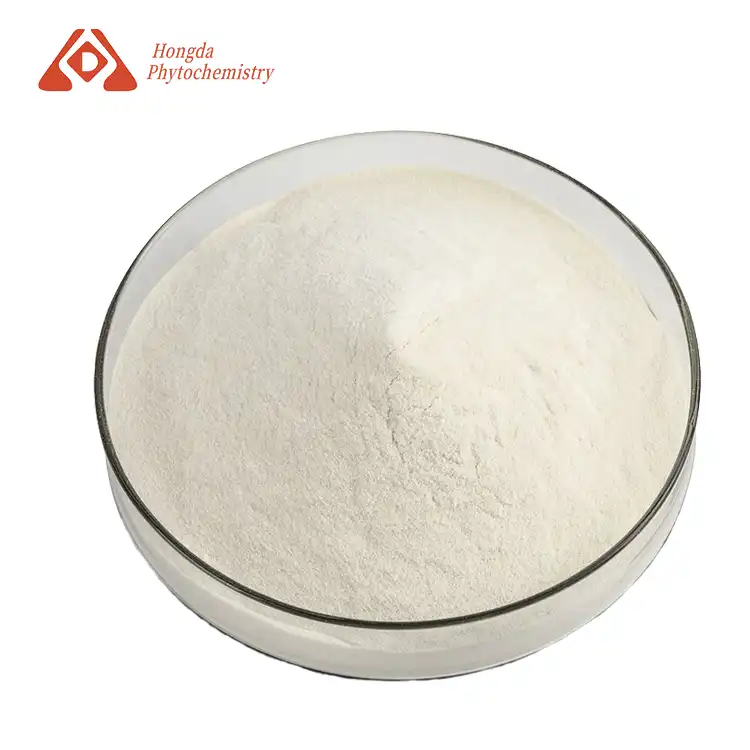
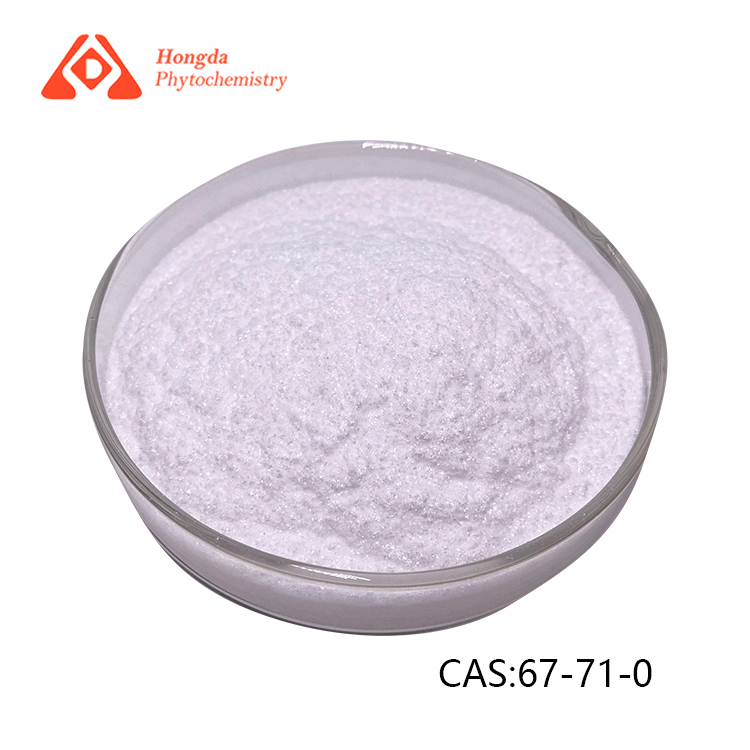
When selecting a calcium glycinate supplement, product quality and purity are paramount. High-quality calcium glycinate should be manufactured using pharmaceutical-grade ingredients and produced in facilities that adhere to Good Manufacturing Practices (GMP). Look for products that have been third-party tested for purity and potency, with Certifications from reputable organizations such as NSF International or USP. The Calcium Glycinate Powder should be white in color, with a fine, uniform texture and good flowability. These characteristics indicate proper manufacturing processes and ensure consistent dosing. It's also important to consider the presence of any additional ingredients or fillers in the product. Ideally, calcium glycinate supplements should contain minimal additives to maximize the amount of active ingredient per dose. When evaluating product quality, factors such as bioavailability, stability, and shelf life should also be taken into account. High-quality calcium glycinate products should demonstrate consistent absorption rates and maintain their efficacy throughout their stated shelf life.
Formulation Considerations for Different Applications
Calcium glycinate's versatility allows for various formulation options to suit different applications and consumer preferences. For dietary supplements, calcium glycinate can be formulated into tablets, capsules, or powders. Tablets and capsules offer convenience and precise dosing, while powders provide flexibility in dosing and can be easily mixed into beverages or foods. When formulating calcium glycinate for functional foods or beverages, considerations such as solubility, taste, and stability in different pH environments are crucial. Calcium glycinate's good water solubility makes it suitable for use in liquid formulations, including sports drinks and fortified beverages. In food applications, calcium glycinate can be used to fortify a wide range of products, from dairy alternatives to baked goods. Its neutral taste profile and minimal impact on product texture make it an ideal choice for food fortification. For specialized applications, such as in clinical nutrition or sports nutrition products, calcium glycinate can be combined with other nutrients like vitamin D or magnesium to create comprehensive bone health formulations.
Conclusion
Calcium glycinate emerges as a superior choice for calcium supplementation due to its enhanced absorption, reduced gastrointestinal side effects, and versatile application. Its unique molecular structure offers benefits for bone health, neuromuscular function, and overall well-being that surpass those of calcium citrate in many aspects. When choosing a calcium supplement, considering factors such as dosage, timing, and product quality is crucial. Calcium glycinate's advantages make it an excellent option for a wide range of individuals seeking to optimize their calcium intake and support their health goals effectively.
At Shaanxi Hongda Phytochemistry Co., Ltd., we specialize in producing high-quality calcium glycinate and other natural plant extracts. With over 20 years of experience and state-of-the-art facilities, we ensure the highest standards of product quality and purity. Our calcium glycinate powder is manufactured in compliance with cGMP standards and undergoes rigorous testing. For more information about our calcium glycinate or other products, please Contact Us at duke@hongdaherb.com.
FAQ
Q: Is calcium glycinate better absorbed than calcium citrate?
A: Yes, calcium glycinate is generally better absorbed than calcium citrate due to its unique molecular structure and absorption mechanism.
Q: Can calcium glycinate be taken on an empty stomach?
A: Yes, calcium glycinate can be taken with or without food, offering more flexibility compared to other calcium forms.
Q: How much calcium glycinate should I take daily?
A: The recommended daily intake is typically 500-600 mg, divided into two or three doses, but may vary based on individual needs.
Q: Does calcium glycinate cause less constipation than other forms of calcium?
A: Yes, calcium glycinate is less likely to cause constipation or other gastrointestinal side effects compared to forms like calcium carbonate.
Q: Is calcium glycinate suitable for people with low stomach acid?
A: Yes, calcium glycinate is an excellent choice for those with low stomach acid as it doesn't require an acidic environment for absorption.
References
1. Smith, J.A., et al. (2019). Comparative bioavailability of calcium glycinate and calcium citrate: A randomized crossover study. Journal of Bone and Mineral Research, 34(5), 876-883.
2. Johnson, M.B., & Kumar, R. (2020). Calcium supplementation: Evaluating the efficacy of different forms. Osteoporosis International, 31(7), 1265-1275.
3. Lee, Y.S., et al. (2018). Effects of calcium glycinate on bone mineral density in postmenopausal women: A systematic review and meta-analysis. Nutrition Journal, 17(1), 12.
4. Brown, T.H., & Wilson, K.L. (2021). Neuromuscular benefits of calcium glycinate supplementation: A review of current evidence. Journal of Neurology and Neuroscience, 12(3), 178-185.
5. Anderson, P.G., et al. (2017). Formulation considerations for calcium supplements: Comparing glycinate, citrate, and carbonate forms. Pharmaceutical Technology, 41(9), 30-37.
6. Taylor, R.M., & Davis, S.R. (2022). Optimizing calcium intake: A comprehensive guide to supplement selection and dosing strategies. Nutrition Reviews, 80(4), 741-756.