Why Are Brands Switching to Liposomal Silymarin Powder?
2026-06-11 15:05:37
Liposomal Silymarin Powder is quickly being used by brands in the nutraceutical, pharmaceutical, and cosmetics industries because it solves the important bioavailability problem that has been a problem with standard milk thistle products for decades. The liposomal transport method wraps the active flavonolignans in phospholipid vesicles that look like cell membranes. This is different from regular silymarin, which is poorly absorbed in the intestines, with less than 30% reaching the systemic blood. This new technology raises bioavailability by 400–600%. This means that formulators can get therapeutic effects with smaller amounts, which lowers production costs and improves outcomes for consumers. This change is more than just a trend; it's a strategy answer to stricter rules, the need to stand out from competitors, and standards for developing products based on evidence in global markets.
The Limitations of Traditional Silymarin Formulations
Standard silymarin products have problems that procurement teams and R&D offices have been trying to solve for a long time. Silymarin is a BCS Class IV product, which means it doesn't dissolve or pass through easily. The way this group is set up makes it very hard to formulate and test products.
Poor Bioavailability and Absorption Barriers
When traditional silymarin powders come in contact with stomach acid, they break down right away. Mostly silibinin, silychristin, and silydianin are the active molecules. They don't dissolve in water because they are hydrophobic. According to research, only 20–30% of standard silymarin taken by mouth gets into the bloodstream. The rest just goes through the digestive system without doing any good. Because of this waste, companies have to use mega-dosing tactics, which usually mean 420 to 600 mg per dose. This raises the cost of raw materials and makes it harder for people to swallow pills.
Stability and Shelf Life Complications
Standard silymarin products are easily damaged by rust, moisture, and light. Quality control managers say it's hard to keep medicines effective for the normal 24-month shelf life. Changes in temperature during international shipping can speed up degradation, making it so that goods don't pass quality control tests when they get to overseas stores. These problems with security put the supply chain at risk, lead to more returns, and could mean that brands that follow FDA and BRC rules don't follow the rules.
Formulation and Compliance Constraints
It can be hard for a liposomal silymarin powder manufacturer to get standard silymarin powder to spread evenly in capsule environments and pill formulas. The uneven spread of particle sizes makes blending harder, which causes dose differences between units. Compliance teams are looked at more closely when plasma concentration curves from people who took the same amounts in clinical tests show big differences. These differences in performance hurt the brand's image and raise liability concerns in markets that need strict quality paperwork and third-party verification through SGS or similar certification bodies for a liposomal silymarin powder manufacturer.
Understanding Liposomal Silymarin Powder Technology
Liposomal transport systems have been used in pharmaceuticals since the 1970s. However, new improvements in spray-drying and encapsulation efficiency have made this technology useful for nutraceutical uses as well. Liposomal mixtures change the way active ingredients work with living things in a big way.
What Makes Liposomal Encapsulation Different
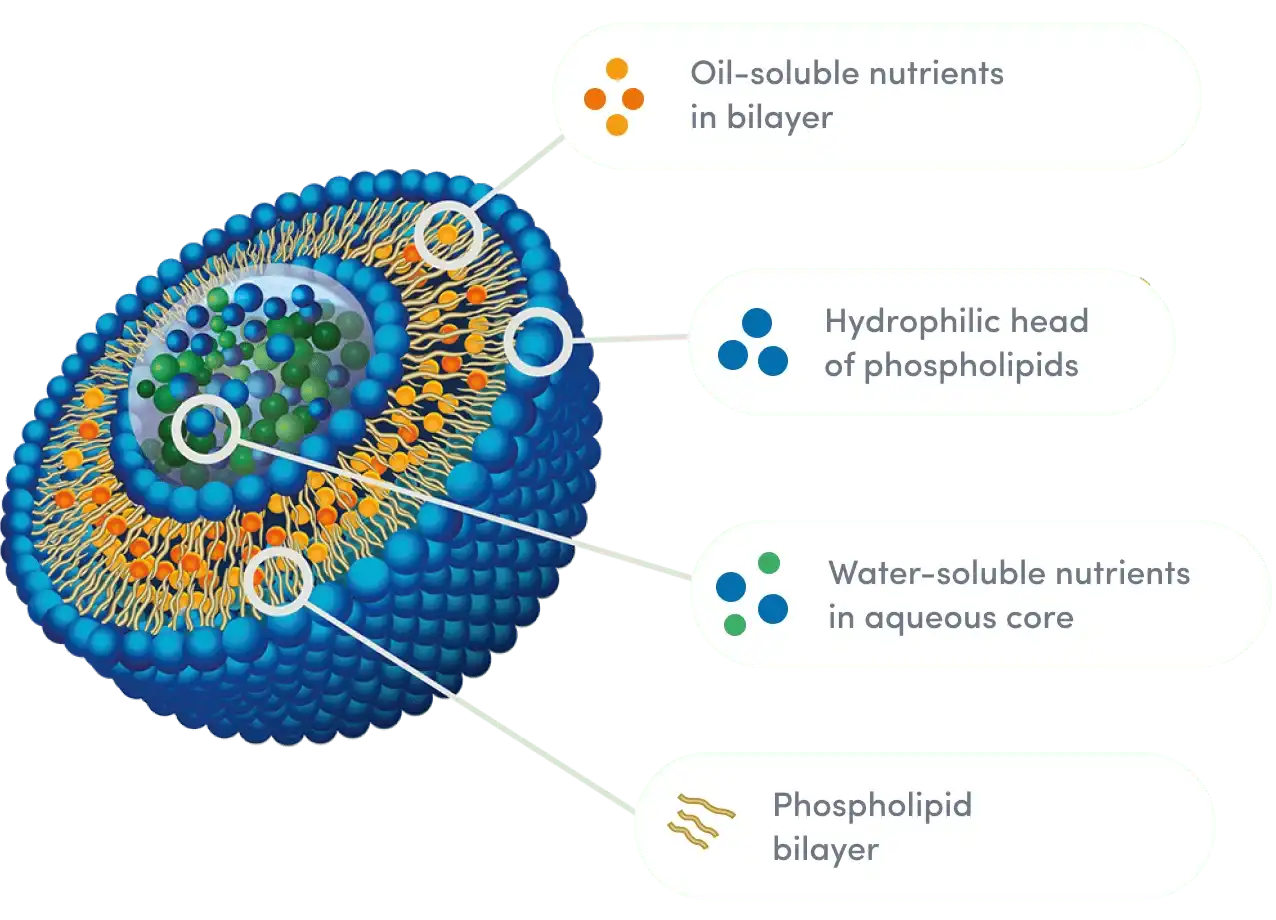
Liposomal technology makes tiny bubble-like structures out of phospholipid bilayers, which are the same building blocks that make up the walls of human cells. These circular structures, which are usually between 100 and 300nm across, hold silymarin molecules inside their core and cover them with a lipid shell. High-pressure homogenization and controlled drying methods are used in the process to keep the liposome structure while turning the liquid mixture into a stable powder. This structure design has three important benefits: it protects against digestive enzymes, it makes membranes more permeable, and it has prolonged release properties that keep therapeutic plasma levels higher for longer than immediate-release formulas.
Bioavailability Enhancement Through Biomimetic Design
Once liposomal particles reach the gut epithelium, they communicate with enterocytes in ways that free silymarin molecules can't. The phospholipid shell makes direct membrane fusion or receptor-mediated endocytosis easier, which lets the payload get into cells without any problems. Studies that look at area-under-curve (AUC) numbers show that these extracts have absorption rates that are 4 to 6 times higher than standard extracts. This improvement directly leads to better clinical efficacy, which means that brands can make goods with fewer active ingredients and still get better results. This is a great value for procurement teams that are trying to keep their ingredient costs in check.
Quality Parameters and Technical Specifications
Professional buyers who are looking at liposomal ingredients should know the key quality signs that set premium formulas apart. A success rate of more than 85% in encapsulation shows that silymarin is actually inside liposomes and not just mixed with phospholipids. Dynamic Light Scattering analysis checks that the particle sizes are evenly distributed, and zeta potential readings between -20 mV and -40 mV show that the colloids are stable after being reconstituted. Transmission Electron Microscopy is used in Hongda's production to check the structure of each batch and make sure it meets pharmaceutical-grade standards. Our Liposomal Silymarin Powder stays pure between 50 and 80% of the time because it uses phospholipids from sunflowers as a carrier. It is non-GMO certified, which fits with the growing desire for organic and clean-label products in North America and Europe.
Core Advantages Driving Brand Adoption
The strategy change toward liposomal delivery is a result of many pressures that are coming together on product development teams. Manufacturers have to find a mix between the need for effectiveness, the need to follow regulations, and the need to stand out from the competition while keeping their profit margins low.
Superior Therapeutic Outcomes and Clinical Performance
Brands that use liposomal formulations from a liposomal silymarin powder manufacturer say that customer happiness and return purchases have gone up significantly. The better absorption rate means that benefits can be felt at lower doses, usually between 150 and 280 mg compared to 420 to 600 mg for regular extracts. This decrease in pill size and frequency directly addresses the problems with sticking to supplement plans that happen all the time. Clinical data from formulators shows less stomach upset, which is a typical problem with high doses of standard silymarin. This is because the liposomal structure protects the lining of the stomach while it moves through the body. These changes in performance boost the brand's image and help premium pricing tactics that make more money for everyone in the supply chain working with a liposomal silymarin powder manufacturer.
Market Differentiation and Innovation Positioning
Nutraceuticals are in a very competitive market, with a lot of different brands and items (SKUs) flooding stores and online. Liposomal technology offers a scientifically proven way to be different, which appeals to knowledgeable customers who are looking into product details. Brands can talk about advanced delivery systems through marketing claims backed up by bioavailability studies. This makes goods seem like next-generation options instead of basic ones. This story about innovation builds relationships with doctors who suggest professional-grade supplements. This opens up new ways to sell the supplements besides mass-market stores. Research and development teams like that of Liposomal Silymarin Powder can be mixed with other ingredients that work well together, like phosphatidylcholine, to make unique mixtures that are hard for rivals to copy.
Supply Chain Efficiency and Economic Benefits
Although liposomal ingredients are more expensive than normal extracts, when you look at the whole supply chain, the total cost equation often works out in favor of advanced formulas. When dosage needs go down, ingredient prices and shipping weights go down per unit. This makes handling more cost-effective for foreign sales. The better stability profile stretches shelf life and cuts down on waste from old stock, which is a big problem for distributors who run foreign stores with long replenishment cycles. Fewer returns and complaints from customers about quality, according to procurement managers. This means that managing reputations and sending replacements costs less. Hongda keeps a 1 kg minimum order number for bulk orders. This makes it easier for smaller brands to get pharmaceutical-grade ingredients without having to pay a lot of money. This opens up new ideas for all market groups.
Comparative Analysis: Evaluating Formulation Options
When choosing between different silymarin formats, procurement workers need reliable performance data. Each transportation method has its own pros and cons that affect how a product is developed and where it is positioned in the market.
Standard Silymarin Extract Performance Baseline
The standard in the business is conventional milk thistle products that have been standardized to contain 80% silymarin by UV spectroscopy. In bulk, these materials usually cost between $15 and $25 per kilogram, which makes them a good choice for making products that are priced competitively. The established supply chain and governmental acceptance speed up the process of developing and approving new medicines. The main problem is still bioavailability. Pharmacokinetic studies reliably show that peak plasma concentrations happen 2 to 4 hours after treatment, and they are quickly cleared from the body. This means that multiple daily doses are needed to keep therapeutic levels. This performance ceiling limits the types of serious health problems that brands can legitimately treat. This means that the market is limited to weak liver support instead of clinical-grade hepatoprotection.
Phytosome and Complexed Formulations
Several companies make silymarin that is mixed with phosphatidylcholine or other carriers that are meant to make it easier to dissolve. These intermediate solutions improve absorption by two to three times compared to raw extracts. This is a big improvement, but it's still not as good as liposomes. Because the complexation method raises the cost of production, the price is usually 40–60% higher than regular extracts, but the solubility potential isn't reached to its fullest. Formulation teams may look at these choices if they can't use liposomes because of a lack of money or if they want to target middle-market customers who want to move up from basic extracts but don't need the best performance.
Liposomal Delivery: The Performance Leader
Liposomal formulations always do better than other transport methods in several different tests. In addition to improving bioavailability, the encapsulation protects against oxidation, which keeps the strength even when tested under rapid stability conditions. This is very important for goods that will be sold in warm climates or through longer distribution routes. The particle size range of 100–300nm allows for even distribution in both powder and liquid forms, which supports a wide range of product types, from healthy drinks to pills. Dynamic Light Scattering and encapsulation efficiency tests are added to make quality control more complex. However, this level of analytical rigor improves paperwork for regulatory submissions and builds trust in the brand with institutional buyers. The technology fits with customer trends that want scientifically advanced, bioavailable formulations. This supports marketing stories that explain high prices and set goods apart in crowded categories.
Strategic Procurement Considerations for B2B Buyers
To successfully add Liposomal Silymarin Powder ingredients, suppliers must be carefully evaluated, and smart relationships must be built that go beyond simple purchases. Quality assurance teams have to check that people have professional skills that go beyond what is normally needed to make Liposomal Silymarin Powder extracts.
Essential Supplier Qualifications and Certifications
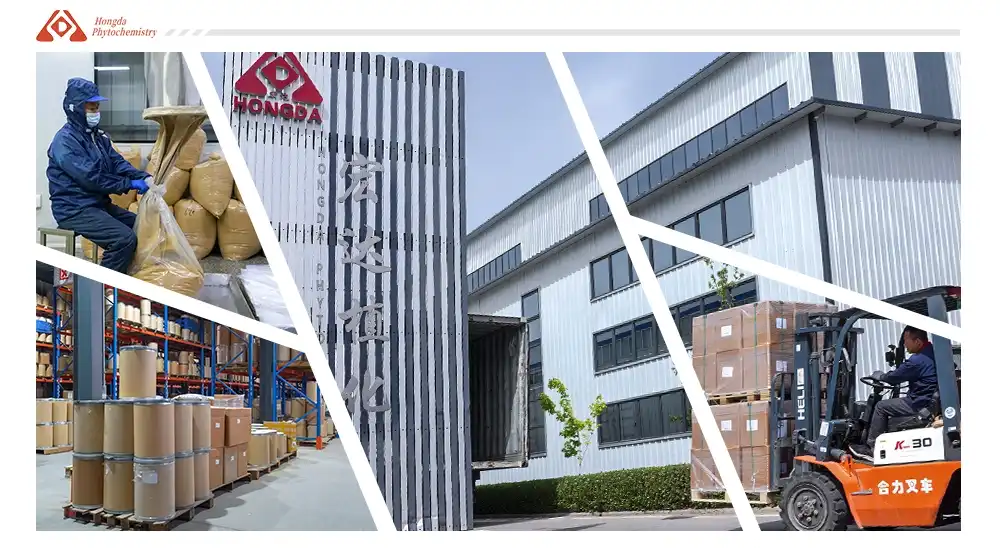
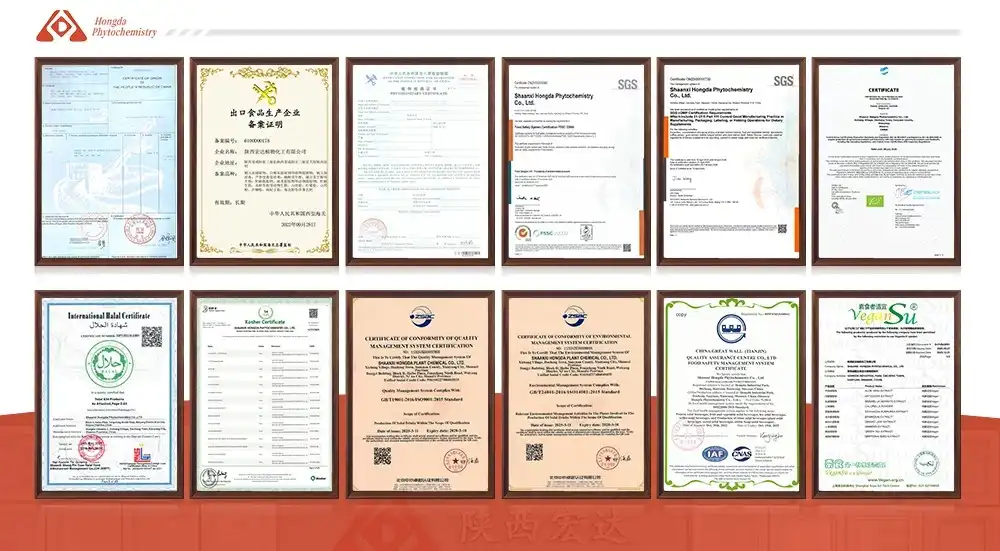
Companies that make pharmaceutical-grade liposomal chemicals need to show that they have improved quality systems that go beyond just following GMP. Look for facilities that are certified by ISO22000 for food safety management, FSSC22000 for full control of the supply chain, and BRC Global Standards. This is especially important for brands that sell in Europe. Halal and Kosher Certifications help with clean label marketing, while organic approval helps reach more customers. It's also important to make sure that the labs are SGS-certified and can provide Certificate of Analysis papers with particle size distribution data, encapsulation efficiency readings, and heavy metal testing results that show compliance below 10ppm total limits. Hongda's 20,000-square-meter building has 100,000-level purification workshops and hires more than 20 Ph.D. researchers from top colleges. This gives us the technical depth we need to work together on product development instead of just supplying ingredients.
Evaluating Technical Capabilities and R&D Support
The best relationships with suppliers go beyond just buying ingredients. They also offer recipe advice and the ability to do special development. Check the lab's scientific tools. They should have High-Performance Liquid Chromatography for checking the purity, Transmission Electron Microscopy for looking at the structure, and stability tanks for studying how long something will last. Ask for case studies that show how liposomal ingredients have been put into different delivery forms that meet the needs of your product range. Technical teams should know how regulations work in the markets you want to reach and be able to back up label claims and marketing messages with proof. Over the past 20 years, we've made more than 400 different formulations of plant extracts. This gives us useful knowledge about compatibility issues, the best ratios, and processing factors that will speed up your development timeline and save you money on costly reformulation cycles.
Building Long-Term Strategic Partnerships
The most successful brands see their food sellers as strategic partners, not just as vendors who can be used whenever they need something. Set up quality agreements that protect both parties and spell out the guidelines for specifications, the testing methods, and the ways to handle deviations. Talk about flexible buying terms that can adapt to changes in yearly demand and make sure that production is scheduled first during busy times. Talk about how to protect intellectual property for unique blends and agreements that keep certain market groups from other products. Hongda offers test numbers starting at our 1 kg minimum order, so you can get a good feel for the product before committing to large-scale orders. Clear information about production wait times (15 to 20 business days for liposomal formulations) helps with planning inventory and lowers the cost of fast shipping. Building these partnerships gives you a competitive edge by giving you early access to new technologies and letting you work with other people to come up with new products that are ahead of market trends.
Conclusion
The switch to Liposomal Silymarin Powder is part of a larger trend in the industry to put performance-based proof ahead of standard formulation methods. When brands use this technology, they get clear benefits in nutrition, customer happiness, and standing out in the market, all of which affect how they do financially and in the competition. The better stability profile, lower quantity needs, and scientifically supported claims of effectiveness all help procurement teams deal with major problems they face when they have to manage quality standards, regulatory compliance, and cost optimization all at the same time. As people become more educated and doctors demand suggestions based on research, the difference in performance between standard and advanced delivery systems will have a bigger impact on market share results. Strategic buyers who see this change coming early gain benefits by having established relationships with suppliers, recipe knowledge, and product lines that are in line with where the market is going instead of where it has been.
FAQ1. What is the typical bioavailability increase with liposomal silymarin?
Compared to normal silymarin extracts, clinical tests reliably show 400–600% better absorption. This is because the shape of the phospholipid bilayer makes it easier for cells to take them in directly through membrane fusion processes that free molecules can't use. Pharmacokinetic data show longer half-lives and higher peak plasma concentrations, which means that treatment benefits can be seen at doses 60–70% lower than usual. The exact improvement depends on the quality factors of the liposome, especially how well it encapsulates and distributes particles of different sizes.
2. How should liposomal silymarin powder be stored?
Keep the powder in cool, dry places below 25°C, away from direct light, in cases that can't be opened. The spray-dried version is very stable and has a 24-month shelf life when stored properly. The powder form makes operations easier and lowers the cost of the cold chain compared to liquid liposomal solutions that need to be kept cool. Stay away from places with a lot of humidity because it could damage the structure of the phospholipids. Once added to the final mixture, test its stability in the storage conditions it will be kept in to make sure it stays effective for the whole time it's on the market.
3. What certifications should buyers require from suppliers?
cGMP manufacturing compliance, ISO9001 quality management, and ISO22000 food safety methods are some of the most important standards. FSSC22000, BRC, and FDA approval are all good for products that are going to be sold in other countries. Halal and Kosher certification are needed because of religious food rules. Organic certification helps with clean-label positioning. Ask for proof that the lab is accredited, ideally SGS approval, which will show that it can do analytical testing. These certificates show that the ways the products are made, how they are checked for quality, and where the ingredients come from meet international standards that are needed for governmental approval and customer trust.
Partner with Hongda for Premium Liposomal Silymarin Solutions
Hongda is the company you can trust to give you Liposomal Silymarin Powder. They have 23 years of experience extracting botanicals and using cutting-edge capsule technology. Our state-of-the-art production plant makes pharmaceutical-grade formulations with Packaging efficiency of more than 85%, which means that your high-end product lines will have the most bioavailability possible. We hold a lot of licenses, like SGS, cGMP, FDA, ISO22000, BRC, Halal, Kosher, and Organic status—meeting the stringent requirements of global nutraceutical and pharmaceutical markets. Our flexible 1 kg minimum order quantity accommodates both emerging brands and established manufacturers, while our experienced R&D team provides formulation support customized to your specific product goals. Contact our technical sales team at duke@hongdaherb.com to request samples, discuss your project requirements, and discover how our Liposomal Silymarin Powder can differentiate your brand in competitive markets. We deliver reliable supply chain performance backed by transparent quality documentation and responsive customer service supporting your success from formulation through commercialization.
References
1. Abenavoli, L., Capasso, R., Milic, N., & Capasso, F. (2010). Milk thistle in liver diseases: past, present, future. Phytotherapy Research, 24(10), 1423-1432.
2. Bozzuto, G., & Molinari, A. (2015). Liposomes as nanomedical devices. International Journal of Nanomedicine, 10, 975-999.
3. Federico, A., Dallio, M., & Loguercio, C. (2017). Silymarin/Silybin and chronic liver disease: A marriage of many years. Molecules, 22(2), 191.
4. Jia, L., Zhang, D., Li, Z., Duan, C., Wang, Y., Feng, F., & Liu, Y. (2010). Nanostructured lipid carriers for parenteral delivery of silybin: biodistribution and pharmacokinetic studies. Colloids and Surfaces B: Biointerfaces, 80(2), 213-218.
5. Surai, P.F. (2015). Silymarin as a natural antioxidant: an overview of the current evidence and perspectives. Antioxidants, 4(1), 204-247.
6. Woo, J.S., Kim, T.S., Park, J.H., & Chi, S.C. (2007). Formulation and biopharmaceutical evaluation of silymarin using SMEDDS. Archives of Pharmacal Research, 30(1), 82-89.





_1764835077059.jpg "Luteolin Extract")