When Should I Take Chlorella Powder?
2025-08-19 17:10:21
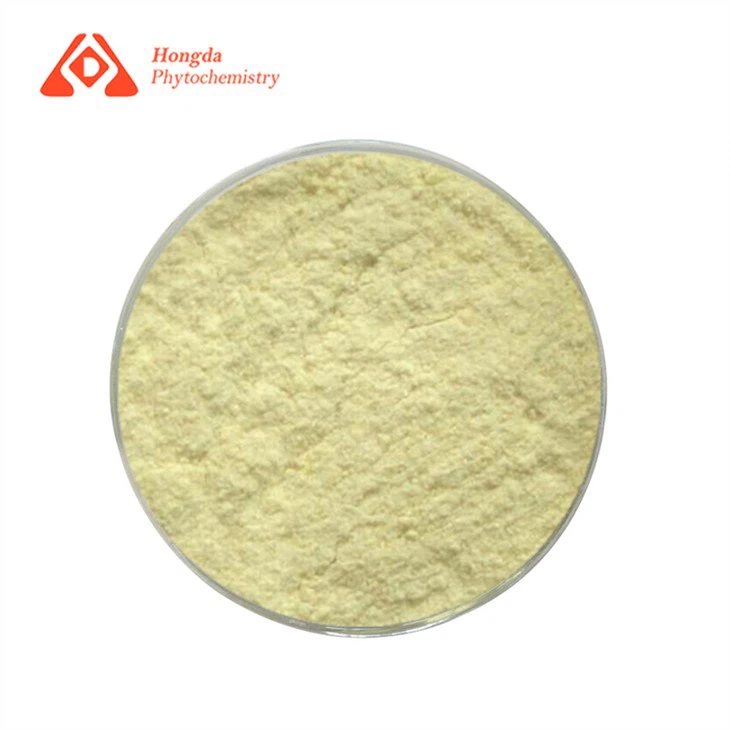
Chlorella powder, derived from nutrient-rich freshwater algae, has gained popularity as a potent superfood supplement. Many health enthusiasts are incorporating this green powerhouse into their daily routines, but a common question arises: When is the best time to take chlorella powder? The timing of consumption can potentially impact its effectiveness and how well your body absorbs its nutrients. In this comprehensive guide, we'll explore the optimal times to take chlorella powder and address some frequently asked questions about this remarkable supplement.

What are the benefits of taking organic chlorella powder?
Organic Chlorella Powder is renowned for its impressive array of health benefits, making it a popular choice among those seeking to enhance their overall well-being. This microscopic freshwater algae is packed with essential nutrients, vitamins, and minerals that can support various bodily functions and promote optimal health.
One of the primary benefits of organic chlorella powder is its high chlorophyll content. Chlorophyll is known for its detoxifying properties, helping to cleanse the body of harmful toxins and heavy metals. This natural detoxification process can support liver function and promote a healthier internal environment.
Chlorella is also an excellent source of protein, containing all nine essential amino acids. This makes it particularly valuable for vegetarians and vegans who may struggle to meet their protein requirements through diet alone. The protein in chlorella is highly bioavailable, meaning it's easily absorbed and utilized by the body for muscle repair, growth, and maintenance.
Furthermore, organic chlorella powder is rich in vitamins and minerals, including vitamin B12, iron, and zinc. These nutrients play crucial roles in energy production, immune function, and cellular health. The high vitamin B12 content is especially beneficial for those following plant-based diets, as this vitamin is primarily found in animal products.
Chlorella's nutrient profile also includes a range of antioxidants, such as vitamin C, beta-carotene, and lutein. These compounds help protect cells from oxidative stress and may contribute to reducing the risk of chronic diseases. Regular consumption of chlorella has been associated with improved cardiovascular health, better blood sugar control, and enhanced immune function.
Another notable benefit of organic chlorella powder is its potential to support digestive health. The fiber content in chlorella can promote regular bowel movements and foster a healthy gut microbiome. A balanced gut flora is essential for optimal digestion, nutrient absorption, and overall immune function.
Chlorella has also been studied for its potential effects on skin health. Its high content of chlorophyll and other antioxidants may help protect the skin from UV damage and signs of aging. Some users report improvements in skin clarity and texture with regular chlorella consumption.
Lastly, organic chlorella powder may contribute to increased energy levels and improved physical performance. Its nutrient density and ability to support cellular energy production make it a popular supplement among athletes and active individuals looking to enhance their endurance and recovery.

How much chlorella powder should I take daily?
Determining the appropriate dosage of chlorella powder is crucial for maximizing its benefits while ensuring safety. The optimal amount can vary depending on individual factors such as age, health status, and specific health goals. However, there are general guidelines that can help you determine a suitable daily intake.
For most healthy adults, a typical starting dose of chlorella powder ranges from 3 to 5 grams per day. This is equivalent to about 1 to 2 teaspoons of powder. It's generally recommended to begin with a lower dose and gradually increase it over time as your body adjusts to the supplement.
Some studies have used higher doses, ranging from 5 to 10 grams daily, to achieve specific health outcomes. For instance, research on chlorella's effects on immune function and detoxification often employs doses in this higher range. However, it's important to note that these higher doses should only be considered under the guidance of a healthcare professional.
When determining your daily chlorella intake, it's essential to consider the form of chlorella you're using. Chlorella powder is highly concentrated, so a small amount can provide significant nutrients. If you're using chlorella tablets or capsules, you may need to take several to achieve an equivalent dose to the powder form.
It's also worth noting that the quality and purity of the chlorella product can impact its potency and, consequently, the appropriate dosage. Opt for high-quality, organic chlorella powder from reputable sources to ensure you're getting a pure and potent product.
For individuals with specific health concerns or goals, such as detoxification or immune support, higher doses may be recommended. However, it's crucial to consult with a healthcare provider before significantly increasing your chlorella intake, as they can provide personalized advice based on your individual health profile.
Pregnant women, nursing mothers, and individuals with certain medical conditions should exercise caution and consult their healthcare provider before adding chlorella to their diet. While chlorella is generally considered safe, it can interact with certain medications or may not be suitable for some health conditions.

Can I take chlorella powder on an empty stomach?
The question of whether to take chlorella powder on an empty stomach or with food is a common one among users. While there isn't a one-size-fits-all answer, understanding the potential benefits and considerations of each approach can help you make an informed decision.
Taking chlorella powder on an empty stomach, typically first thing in the morning or between meals, may offer certain advantages. When consumed on an empty stomach, the absorption of chlorella's nutrients may be more efficient. This is because there are fewer other substances in the digestive system competing for absorption. Some users report feeling a more immediate energy boost when taking chlorella this way.
Moreover, taking chlorella on an empty stomach might enhance its detoxifying properties. The theory is that without other food in the digestive system, chlorella can more effectively bind to toxins and heavy metals, aiding in their removal from the body. This could potentially maximize chlorella's detoxification benefits.
However, it's important to note that some individuals may experience mild digestive discomfort when taking chlorella on an empty stomach, especially when first starting or when using higher doses. If you find that taking chlorella on an empty stomach causes nausea or other gastrointestinal issues, it may be better to consume it with food.
Taking chlorella powder with food also has its benefits. Consuming chlorella as part of a meal or snack can help mitigate any potential digestive discomfort. The presence of other foods can help buffer the digestive system and may make the chlorella easier to tolerate, especially for those with sensitive stomachs.
Additionally, taking chlorella with food may enhance the absorption of certain nutrients. Some of chlorella's beneficial compounds are fat-soluble, meaning they are better absorbed when consumed with dietary fats. Including chlorella in a meal that contains healthy fats, such as avocado, nuts, or olive oil, could potentially improve the bioavailability of these nutrients.
For those using chlorella primarily as a source of vitamins and minerals, taking it with food may be advantageous. Many nutrients are better absorbed when consumed alongside other foods, as the digestive process is already activated.
Ultimately, the decision to take chlorella on an empty stomach or with food may come down to personal preference and how your body responds. Some users find that splitting their daily dose works well – taking a portion on an empty stomach in the morning for an energy boost, and another portion with a meal later in the day.
Regardless of when you choose to take chlorella, consistency is key. Establishing a regular routine that works for you will help ensure you're getting the most benefit from this nutrient-dense superfood. As always, if you have any concerns or experience persistent side effects, it's best to consult with a healthcare professional for personalized advice.
In conclusion, the optimal time to take chlorella powder depends on your individual goals, preferences, and how your body responds. Whether you choose to take it on an empty stomach for potentially enhanced detoxification and energy, or with food for improved digestibility and nutrient absorption, chlorella can be a valuable addition to your health regimen. By understanding its benefits, determining the right dosage, and finding the best time for consumption, you can harness the full potential of this remarkable superfood supplement.
The Hongda factory operates six advanced production lines simultaneously, with a daily output capacity of ten tons and an annual production of several thousand tons. The company employs around 300 workers, divided into departments including production, Packaging, purchasing, quality control, sales, operations, finance, and more. Our products are strictly produced and managed following ISO and GMP standards, undergoing inspection before release. With direct in-house manufacturing capabilities, we can accept custom production and packaging orders. If interested in purchasing our Organic Chlorella Powder or any other products, please Contact Us at duke@hongdaherb.com anytime.
References:
1. Bito, T., et al. (2020). Potential of Chlorella as a Dietary Supplement to Promote Human Health. Nutrients, 12(9), 2524.
2. Panahi, Y., et al. (2016). Chlorella vulgaris: A Multifunctional Dietary Supplement with Diverse Medicinal Properties. Current Pharmaceutical Design, 22(2), 164-173.
3. Merchant, R. E., & Andre, C. A. (2001). A review of recent clinical trials of the nutritional supplement Chlorella pyrenoidosa in the treatment of fibromyalgia, hypertension, and ulcerative colitis. Alternative Therapies in Health and Medicine, 7(3), 79-91.
4. Nakano, S., et al. (2010). Chlorella (Chlorella pyrenoidosa) supplementation decreases dioxin and increases immunoglobulin a concentrations in breast milk. Journal of Medicinal Food, 13(3), 779-784.
5. Kwak, J. H., et al. (2012). Beneficial immunostimulatory effect of short-term Chlorella supplementation: enhancement of Natural Killer cell activity and early inflammatory response (Randomized, double-blinded, placebo-controlled trial). Nutrition Journal, 11, 53.
6. Lee, S. H., et al. (2008). The in vitro immune modulatory effect of chronic chlorella intake in healthy men. Journal of Medicinal Food, 11(3), 395-404.
7. Ebrahimi-Mameghani, M., et al. (2017). The Effect of Chlorella vulgaris Supplementation on Liver En-zymes, Serum Glucose and Lipid Profile in Patients with Non-Alcoholic Fatty Liver Disease. Health Promotion Perspectives, 7(3), 144-149.
8. Mizoguchi, T., et al. (2011). Nutrigenomic studies of effects of Chlorella on subjects with high-risk factors for lifestyle-related disease. Journal of Medicinal Food, 14(3), 255-263.
9. Ryu, N. H., et al. (2014). Impact of daily Chlorella consumption on serum lipid and carotenoid profiles in mildly hypercholesterolemic adults: a double-blinded, randomized, placebo-controlled study. Nutrition Journal, 13, 57.
10. Merchant, R. E., et al. (2015). Nutritional Supplementation with Chlorella pyrenoidosa Lowers Serum Methylmalonic Acid in Vegans and Vegetarians with a Suspected Vitamin B₁₂ Deficiency. Journal of Medicinal Food, 18(12), 1357-1362.