What Specifications Matter When Sourcing Phosphatidylserine Bulk Powder?
2026-11-26 15:09:00
Open three supplier quotations for Phosphatidylserine Bulk Powder, and you will probably find three different ways of describing the same ingredient. One lists a concentration, another a source, a third a handful of microbial limits, and none of them tells you how the powder will behave once it reaches your blending room. Specifications are the common language that lets you compare offers fairly, yet many buyers skim them or focus on a single headline number. This guide walks through the specifications that truly matter, in the order you will meet them: concentration and source, physical handling traits, safety limits and test methods, and finally the manufacturing and supply details that keep your orders consistent.
Start With Concentration, Source and Form
Choosing Between 20%, 50% and 70% Grades
The first specification to settle is concentration, because it drives dose planning, cost per serving, and the size of your finished capsule. Hongda's phosphatidylserine bulk powder is listed in the specification table as 20%, 50%, and 70% phosphatidylserine, and the company also offers custom concentrations through its OEM service. Lower grades suit powder blends and functional drinks where volume is flexible, while higher grades help brands that must fit a meaningful amount into a small softgel or capsule. Because phosphatidylserine suppliers worldwide supply different assay ranges, ask each one to define the grade by test method, not by label alone. When you request wholesale phosphatidylserine, tell the team your target serving size so they can recommend the grade that makes both technical and commercial sense.
Sunflower or Soy: Understanding the Source
Source material shapes both labeling and market access, so it deserves its own line on your checklist. According to the Hongda page, phosphatidylserine is made from soy or sunflower lecithin that is screened for pesticide residues, identity, and non-GMO status, with traceability documents available. The sunflower-derived version is described as soy-free, and allergen testing through Eurofins and SGS is mentioned for it. If your brand targets allergen-sensitive customers, specify the sunflower route in writing and request supporting documents. Many phosphatidylserine suppliers worldwide supply both options, but not all can prove the difference, which is why paperwork matters as much as the product itself. Before you place an order for wholesale phosphatidylserine, confirm the source on the COA and on the shipping label for your phosphatidylserine bulk powder.
Lipophilic and Water-Dispersible Forms
Standard wholesale phosphatidylserine is lipophilic, which means it blends naturally into oils, softgel fills, and capsule formulas but needs help in water-based drinks. Hongda notes that water-dispersible grades use emulsifier systems to suit liquid applications, and that the liquid concentrate is spray-dried with carrier matrices into a free-flowing powder. Applications listed on the page include cognitive and memory-focused supplements, sports nutrition, formulas for older adults and functional drinks, with typical serving sizes cited in the range of 100 to 300 mg. Matching the form to your product avoids reformulation later. As phosphatidylserine suppliers worldwide supply both lipophilic and dispersible styles, ask for application notes along with your phosphatidylserine bulk powder samples, and tell your contact early if your wholesale phosphatidylserine order is meant for a beverage.

Physical Specifications That Affect Handling
Powder Properties and Bulk Density
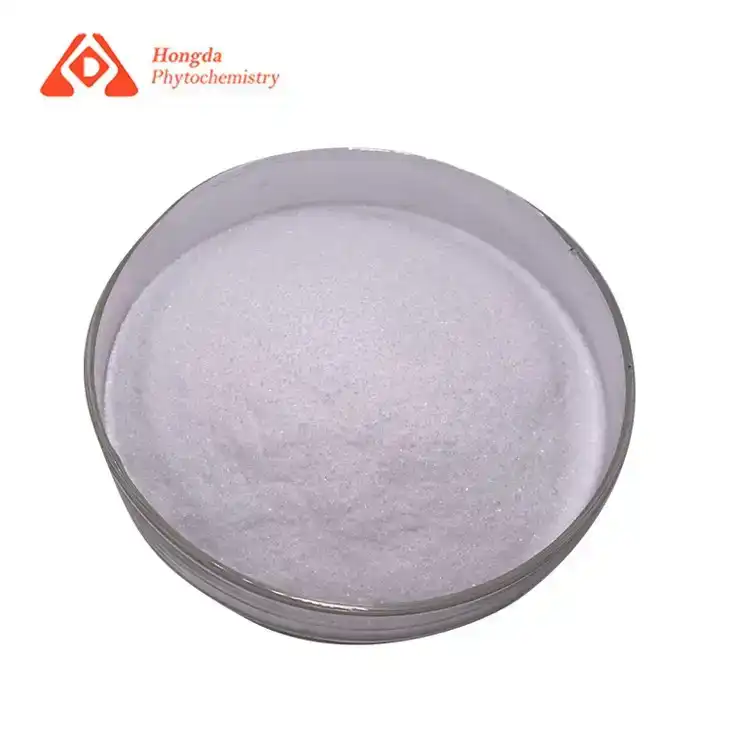
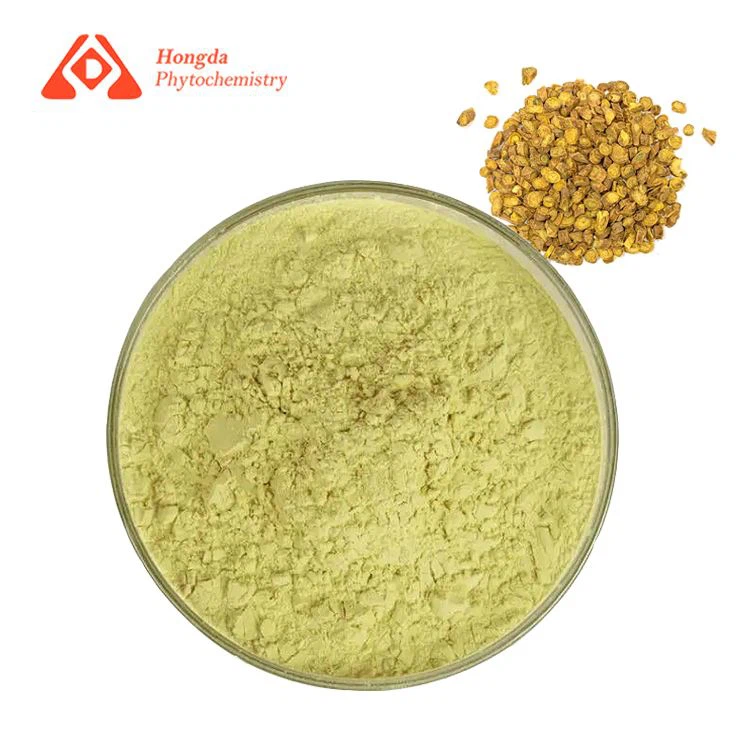
Physical traits decide how smoothly a powder moves through your equipment. The Hongda specification describes a yellow powder with a characteristic odor, and the page lists a bulk density of 0.30 to 0.60 g/mL. Loss on drying is limited to 3.0 g/100 g and ash to 4.0 g/100 g, with typical results of 1.24% and 2.05% shown in the sample specification. These numbers help you estimate drum fill, hopper behavior, and capsule fill weight before the first trial. Ask every supplier to give a density range and drying result for your exact grade, because phosphatidylserine suppliers worldwide supply powders that look similar but flow very differently. Reliable partners will share this data for their phosphatidylserine bulk powder and for any wholesale phosphatidylserine lot you plan to buy.
Moisture, Clumping and Oxidative Stability
Phosphatidylserine is hygroscopic, so moisture control is part of the specification, not an afterthought. The Hongda page attributes clumping to moisture and says that nitrogen-flushed Packaging helps prevent it while the drum remains unopened. It also lists a peroxide value below 5 meq/kg, an indicator of oxidative quality, and recommends storage in sealed containers below 25 °C with humidity control. Table 1 gathers the physical and general specifications in one place. When you review quotations for wholesale phosphatidylserine, check whether storage conditions are defined, because vague shelf-life statements can hide handling risks. Phosphatidylserine suppliers worldwide supply different packaging protections, so ask what protects your phosphatidylserine bulk powder from air and humidity once it leaves the factory.
|
Item
|
Standard
|
Typical result
|
|---|---|---|
|
Appearance
|
Yellow powder
|
Conforms
|
|
Odor
|
Characteristic
|
Conforms
|
|
Specification
|
20%, 50%, 70% phosphatidylserine
|
Conforms
|
|
Extraction solvents
|
Water and ethanol
|
Conforms
|
|
Loss on drying
|
≤ 3.0 g/100 g
|
1.24%
|
|
Ash
|
≤ 4.0 g/100 g
|
2.05%
|
|
Bulk density
|
0.30–0.60 g/mL
|
Page statement
|
|
Peroxide value
|
< 5 meq/kg
|
Page statement
|
Packaging Formats and Your First Message to the Team
Packaging is where specifications meet logistics. The standard format is 25 kg per drum, with 27 drums on a tray, and 25 kg fibre drums are also offered as bulk packaging. Custom packaging can include your logo, moisture-barrier protection, and tamper-evident seals, and a free sample is available for evaluation. If you want a specification sheet, a COA sample or a tailored quotation, write to duke@hongdaherb.com with your grade, source preference, and expected volume. The team can then respond with documents that fit your project. Among phosphatidylserine suppliers worldwide supply capabilities vary, so ask how drums are sealed and labeled. A clear answer on phosphatidylserine bulk powder packaging is a good sign for any future wholesale phosphatidylserine relationship.
Safety Limits and Test Methods
Heavy Metals, Pesticides and Residual Solvents
Contaminant limits are the specifications retailers and regulators ask about first. The Hongda sample specification lists lead below 4.0 mg/kg, arsenic below 3.0 mg/kg, cadmium below 2.0 mg/kg and mercury below 0.5 mg/kg, with pesticide residue at 0.05 mg/kg, residual solvent below 0.05%, and residual radiation negative, all conforming in the example results. Ask for batch data in the same format, and confirm that the limits fit the regulations of your destination market. Because phosphatidylserine suppliers worldwide supply to many regions, a limit that satisfies one buyer may not satisfy another. A transparent seller of phosphatidylserine bulk powder will explain how these limits were chosen, and a dependable source of wholesale phosphatidylserine will update the data whenever a new batch is released.
Microbiological Standards and Typical Results
Microbiology tells you how clean the ingredient is at the moment of release. The specification sets total plate count at 1,000 cfu/g or less and molds and yeast at 100 cfu/g or less, with coliforms and Salmonella negative, and the sample results show 215 cfu/g and 54 cfu/g for the first two. Table 2 lists these limits together with the contaminant data so you can compare them against your own internal standards. Ask whether your phosphatidylserine bulk powder is tested for every batch and whether outside laboratories are involved. Since phosphatidylserine suppliers worldwide supply customers with different audit requirements, flexible testing options are a real advantage. A cooperative partner for wholesale phosphatidylserine should accept additional test items when your quality team requests them.
|
Test
|
Standard
|
Typical result
|
|---|---|---|
|
Pesticide residue
|
0.05 mg/kg
|
Conforms
|
|
Residual solvent
|
< 0.05%
|
Conforms
|
|
Lead / Arsenic
|
< 4.0 / < 3.0 mg/kg
|
Conforms
|
|
Cadmium / Mercury
|
< 2.0 / < 0.5 mg/kg
|
Conforms
|
|
Total plate count
|
≤ 1,000 cfu/g
|
215 cfu/g
|
|
Molds and yeast
|
≤ 100 cfu/g
|
54 cfu/g
|
|
Coliforms
|
Negative
|
Conforms
|
|
Salmonella
|
Negative in 25 g
|
Conforms
|
Analytical Methods and Third-Party Verification
A specification is only as trustworthy as the method behind it. Hongda names HPLC with ELSD or CAD detection for phosphatidylserine content and mentions heavy-metal screening, microbiological analysis, and stability testing, with a COA issued for each batch. Third-party verification is arranged through SGS and, for allergen testing of the sunflower route, Eurofins. Ask your supplier which method defines each grade, whether the COA lists the method, and how often outside laboratories confirm the results. Experienced phosphatidylserine suppliers worldwide supply method details willingly, because buyers who understand the data become long-term customers. Insist on the same transparency for every lot of phosphatidylserine bulk powder, and treat missing method information on a wholesale phosphatidylserine quotation as a reason to ask more questions before you proceed.
|
Items
|
Standards
|
Results
|
|
Physical Analysis
|
||
|
Appearance
|
Yellow Powder
|
Conforms
|
|
Odor
|
Characteristic
|
Conforms
|
|
Mesh Size
|
100% through 80% mesh size
|
Conforms
|
|
General Analysis
|
||
|
Identification
|
Identical to R.S. sample
|
Conforms
|
|
Specification
|
20%, 50%, 70% Phosphatidylserine
|
Conforms
|
|
Extract Solvents
|
Water and Ethanol
|
Conforms
|
|
Loss on Drying (g/100g)
|
≤3.0
|
1.24%
|
|
Ash(g/100g)
|
≤4.0
|
2.05%
|
|
Chemical Analysis
|
||
|
Pesticides Residue (mg/kg)
|
0.05
|
Conforms
|
|
Residual Solvent
|
<0.05%
|
Conforms
|
|
Residual Radiation
|
Negative
|
Conforms
|
|
Lead(Pb) (mg/kg)
|
<4.0
|
Conforms
|
|
Arsenic(As) (mg/kg)
|
<3.0
|
Conforms
|
|
Cadmium(Cd) (mg/kg)
|
<2.0
|
Conforms
|
|
Mercury(Hg) (mg/kg)
|
<0.5
|
Conforms
|
|
Microbiological Analysis
|
||
|
Total Plate Count(cfu/g)
|
≤1,000
|
215
|
|
Molds and Yeast (cfu/g)
|
≤100
|
54
|
|
Coliforms (cfu/g)
|
Negative
|
Conforms
|
|
Salmonella(/25g)
|
Negative
|
Conforms
|
From Manufacturing Route to Worldwide SupplyThe Enzymatic Route From Lecithin to Phosphatidylserine
Understanding the process explains many of the specifications above. Hongda describes five stages, summarized in Table 3: raw material selection, enzymatic conversion with phospholipase D under controlled pH and temperature, multi-stage purification, spray drying, and quality verification. The enzymatic route is presented as producing a molecule closer to the body's own phosphatidylserine than chemically synthesized alternatives, though buyers should treat comparative claims as something to verify. Purification removes unreacted substrate and enzyme residues, which links directly to the residual solvent and contaminant limits you read earlier. Ask any supplier of phosphatidylserine bulk powder to outline its route in similar detail. Among phosphatidylserine suppliers worldwide, supply stories vary, so choose the one that can explain each step of wholesale phosphatidylserine production clearly.
| Stage | What happens |
|---|---|
| 1. Raw material selection | Soy or sunflower lecithin screened for pesticides, identity, and non-GMO status |
| 2. Enzymatic conversion | Phospholipase D converts phosphatidylcholine under controlled pH and temperature |
| 3. Purification | Multi-stage solvent extraction and chromatographic separation |
| 4. Spray drying | Liquid concentrate is dried with carrier matrices into a free-flowing powder |
| 5. Quality verification | HPLC assay, heavy-metal screening, microbiology, stability tests, COA |
Customization: Concentrations, Blends and Formats
Specifications do not have to be fixed. Hongda's OEM service offers custom phosphatidylserine concentrations between 20% and 90%, blends with ingredients such as L-theanine, Bacopa monnieri, and citicoline, and finished formats including softgels, hard capsules, tablets, sachets and ready-to-mix powders. Packaging can be customized with logos, moisture-barrier protection, and tamper-evident seals. This flexibility lets a formulation team begin with phosphatidylserine bulk powder in one grade and later extend the line without changing partners. Brands that compare phosphatidylserine suppliers worldwide should ask which customizations are available at which minimum quantities. Describe your concept, target market, and budget at the start, and a capable team for wholesale phosphatidylserine will propose a practical path from sample to launch.
Worldwide Supply, Certifications and Delivery
Consistent supply is the specification you cannot read on a sheet. Hongda lists delivery in three to seven working days, with Europe, North America and Asia as main markets, supported by a 20,000-square-metre plant, a 3,000-square-metre warehouse and an annual output of 3,000 tonnes. Certifications named across the page include cGMP, KOSHER, HALAL, BRC, ORGANIC, ISO9001, ISO22000 and FSSC22000, so request current copies and check their scope before relying on any of them. A customer service team is available around the clock for questions about products, packaging, and logistics. When you evaluate phosphatidylserine suppliers worldwide, ask for supply history, references, lead-time records, and reorder terms for your phosphatidylserine bulk powder. These details separate a casual seller from a dependable partner in wholesale phosphatidylserine.

Conclusion
The specifications that matter most when sourcing phosphatidylserine bulk powder are concentration, source, form, moisture and oxidative control, contaminant and microbial limits, test methods, and a documented production route. Read them line by line, ask for batch COAs, and compare every offer on equal terms. Then confirm that the supplier can customize, deliver on time, and support your market with current certificates. Shaanxi Hongda has served the plant extract industry since 2001, supplies more than 400 products, and offers free samples for evaluation.
FAQ
Q: Which grades does Hongda list for phosphatidylserine bulk powder?
A: The specification table lists 20%, 50%, and 70%, and custom concentrations are available through OEM.
Q: Is there a sunflower-derived option?
A: Yes. The page describes a soy-free sunflower route with allergen testing by Eurofins and SGS.
Q: How is the powder packed and stored?
A: It ships in 25 kg drums with nitrogen-flushed packaging; store sealed below 25 °C with humidity control.
Q: How long does delivery take?
A: Delivery is listed as three to seven working days, and a free sample is offered.
Q: Can blends and finished formats be made?
A: Yes. Blends, softgels, capsules, tablets, sachets, and ready-to-mix powders are supported.
Work With Hongda for Dependable Phosphatidylserine Bulk Powder
Ready to compare specifications with a partner who welcomes detailed questions? Shaanxi Hongda Phytochemistry has produced natural plant extracts and nutritional ingredients since 2001, and our team is prepared to guide you from the first inquiry to the final shipment. Tell us your preferred grade, source, format, and yearly volume, and we will send specifications, a sample COA, and a clear quotation for phosphatidylserine bulk powder. Our customer service team is available around the clock, and if the ingredient you need is not listed on our website, we can still help. Email duke@hongdaherb.com today and let Hongda become the dependable supplier behind your next successful product launch.
References
1. Kim HY, Huang BX, Spector AA. Phosphatidylserine in the brain: metabolism and function. Progress in Lipid Research. 2014;56:1-18.
2. Glade MJ, Smith K. Phosphatidylserine and the human brain. Nutrition. 2015;31(6):781-786.
3. Kingsley M. Effects of phosphatidylserine supplementation on exercising humans. Sports Medicine. 2006;36(8):657-669.
4. Jorissen BL, Brouns F, Van Boxtel MP, et al. The influence of soy-derived phosphatidylserine on cognition in age-associated memory impairment. Nutritional Neuroscience. 2001;4(2):121-134.
5. Vance JE, Steenbergen R. Metabolism and functions of phosphatidylserine. Progress in Lipid Research. 2005;44(4):207-234.
6. Leventis PA, Grinstein S. The distribution and function of phosphatidylserine in cellular membranes. Annual Review of Biophysics. 2010;39:407-427.





YOU MAY LIKE