What Makes Liposomal Resveratrol Powder Highly Absorbable?
2026-07-07 15:08:07
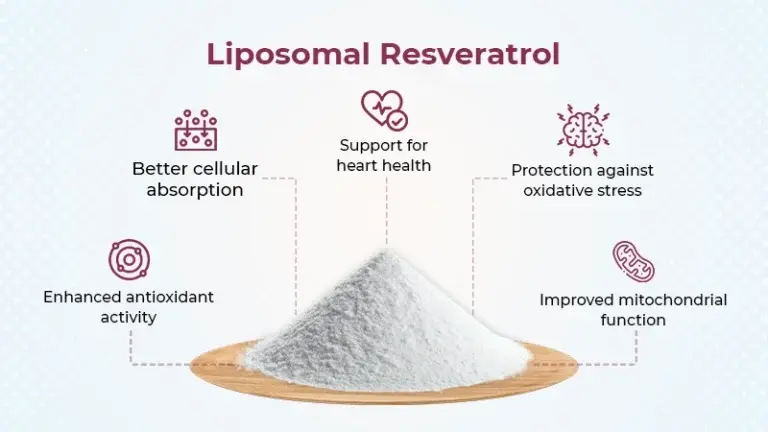
Liposomal resveratrol powder is better at being absorbed because it uses phospholipid Packaging technology to protect resveratrol molecules during digestion and make it easier for cells to take them up directly. The phospholipid bilayer structure from sunflowers is similar to the structure of natural cell membranes. This lets the active ingredient get into the systemic bloodstream through lymphatic transfer instead of going through first-pass hepatic metabolism. This improved transport method makes resveratrol 15-20 times more bioavailable than regular forms, which are usually less than 1% systemic availability because they break down quickly and don't mix well.
Understanding Liposomal Resveratrol Powder
Defining Liposomal Encapsulation Technology
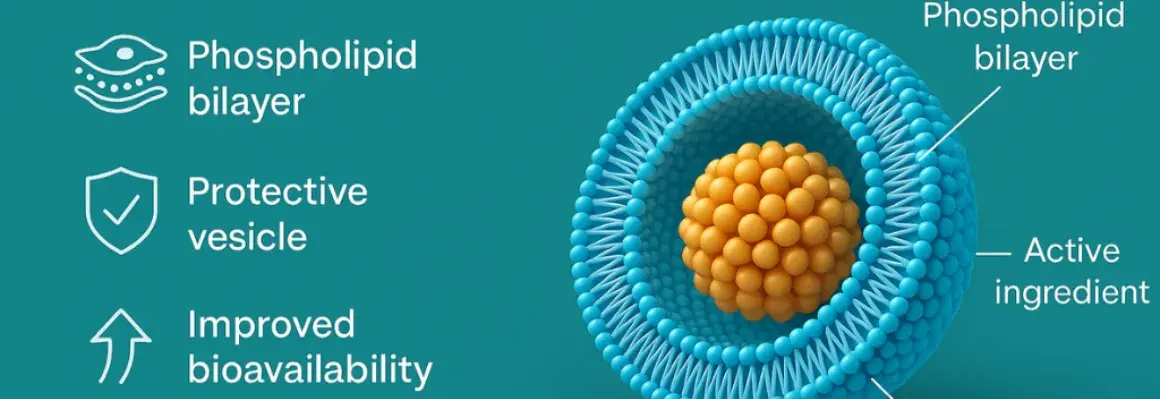
Liposomes are round, bubble-like structures made up of two or more phospholipid layers enclosing a watery center. These structures have a width of 50 to 500 nanometers. For best cell uptake, the most effective pharmaceutical-grade formulas keep particle sizes between 100 and 300 nm. Trans-resveratrol molecules get stuck inside these phospholipid shells in liposomal resveratrol powder formulations. This creates a safe environment that keeps the active substance from breaking down too quickly and makes it more compatible with cellular membranes.
The Science Behind Enhanced Delivery
The phospholipid mix, which in high-end products is often made from sunflower lecithin, has a number of useful effects. These naturally occurring lipids have phosphatidylcholine, phosphatidylethanolamine, and other membrane-forming parts that are very similar to the membranes of human cells. This biomimetic structure lets liposomes merge with intestinal epithelial cells through direct membrane fusion. This lets the resveratrol payloads go straight into the cytoplasm without having to go through active transport mechanisms or passive diffusion, which are what normal absorption pathways do.
Comparative Bioavailability Data
Clinical pharmacokinetic studies show that different transport methods have very different effects on the body. Standard resveratrol powder has an oral absorption of about 0.5 to 1% because it is broken down quickly and completely in phase II conjugation. Liposomal resveratrol powder formulations, on the other hand, have absorption rates higher than 15%, and some advanced formulas reach 20% or higher. This 15–20-fold gain directly leads to lower dosage needs and better therapeutic results, both of which are important factors for formulators who are making high-performance products that are also cost-effective.
Key Factors Making Liposomal Resveratrol Highly Absorbable
Protection from Digestive Degradation
The digestive system is not a good place for polyphenolic chemicals to be. Unprotected resveratrol molecules are broken down quickly by stomach acid (pH 1.5–3.5), pancreatic enzymes, and bacteria in the intestines before they can be absorbed. The phospholipid membrane that surrounds liposomal resveratrol powder works as a physical barrier, keeping the structure solid during the gastric phase and stopping enzymes from breaking it down. This defense system makes sure that much higher amounts of whole resveratrol molecules get to the parts of the body that absorb them in the small intestine.
Enhanced Membrane Permeability
Resveratrol is lipophilic, which means it dissolves easily in lipid settings but not so well in water, which makes it hard to absorb across the water-based mucus layer that covers the villi in the intestine. Liposomal versions solve this problem by putting resveratrol in a lipid carrier that can move through watery surroundings without changing the molecule's bioactive state. The phospholipid shell works well with enterocyte membranes, making it easier for transcellular uptake routes to work that get around the problems of paracellular diffusion.
Targeted delivery and longer circulation time
Regular resveratrol is quickly cleared out of the body by the liver within minutes of intake, which greatly shortens the time that it stays in the tissues. Liposomal encapsulation changes pharmacokinetic profiles in a basic way by allowing lymphatic uptake through gut lacteals instead of direct portal vein drainage to the liver. Bypassing first-pass metabolism, this lymphatic route lets bigger amounts of unmetabolized resveratrol enter the systemic circulation and reach regions on the outside, where they can have therapeutic benefits. The controlled release from liposomal carriers increases the plasma half-life from minutes to hours, which means that medicinal amounts are kept for longer periods of time.
Comparing Liposomal Resveratrol Powder with Other Dosage Forms
Advantages Over Standard Powder Forms
Because they aren't absorbed as well, traditional resveratrol powders need much higher amounts to have restorative benefits. A 500 mg dose of regular resveratrol might only get 5 mg into the bloodstream, but a 100 mg dose of liposomal resveratrol powder can get the same or more accessible amounts. This dosage efficiency lowers the cost of preparation, cuts down on the size of capsules needed, and lowers the risk of stomach problems that come with taking a lot of polyphenols. Improving stability also makes a big difference; liposomal powders are very resistant to oxidative breakdown during storage, so they stay effective for 24 months if they are made correctly.
Comparison with Liquid Liposomal Forms
Liquid liposomal solutions are very bioavailable, but they are hard to get from one place to another. These mixtures need to be kept cool, have shorter shelf lives (6 to 12 months at most), and cost more to ship because they are heavier and take up more space. Liposomal resveratrol powder types have the absorption benefits of liquid mixtures and the portability benefits of dry ingredients. Advanced freeze-drying technology keeps the structure of liposomes in a stable powder matrix that re-forms when it comes in touch with stomach fluids. This gives the same solubility without the need for a cold chain. This makes powdered liposomal resveratrol powder a great choice for foreign business-to-business purchases, where the dependability of the supply chain and the lowest cost are the most important factors.
Natural Versus Synthetic Sourcing Considerations
Resveratrol from Polygonum cuspidatum root extract has the best percentage of trans-resveratrol (98% purity or higher), and it is also less expensive than options that come from grapes. Because the trans-isomer has a lot more biological activity than the cis-form, it is very important to make sure that the quality requirements are met. Using natural phospholipids from sunflowers instead of synthetic lecithins makes the product more in line with clean-label trends and the growing desire for organic approval in North American and European markets. These things to think about when sourcing have a direct effect on marketing claims, legal compliance, and consumer support.
Procurement Insights for B2B Clients: Choosing the Right Liposomal Resveratrol Powder SupplierEssential Quality Certifications and Compliance
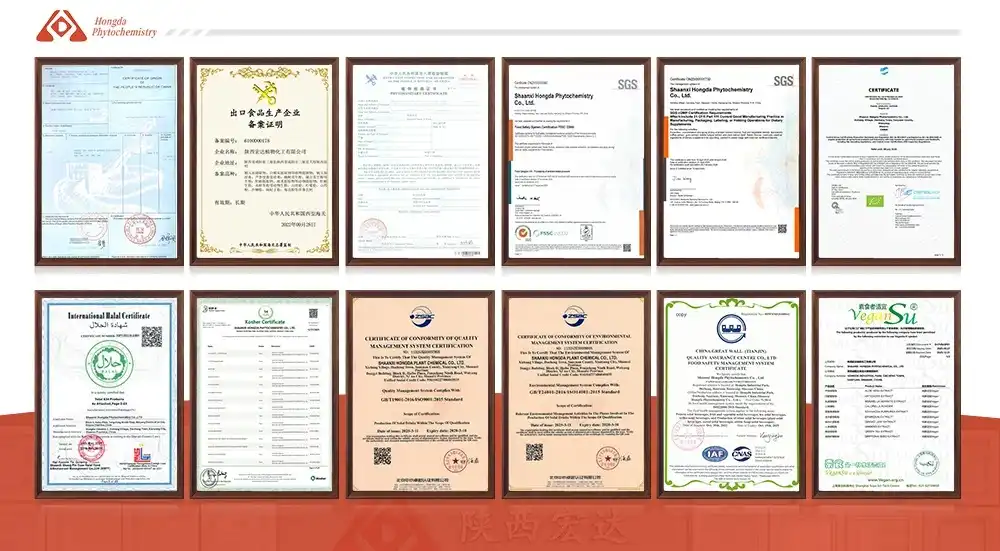
To get liposomal resveratrol powder for use in cosmetics, pharmaceuticals, or nutraceuticals, you need to find sources with full third-party certifications. Basic quality management systems are shown by ISO 9001 and ISO 22000, and current Good Manufacturing Practice (cGMP) approval shows production standards for pharmaceuticals. FSSC 22000 approval adds to the confidence of apps that are meant to be used with food. The availability of certain customer groups in the market is increased by HALAL and KOSHER approvals. Facilities that ship to the United States must be registered with the FDA to make sure they follow American regulations. BRC approval verifies systems for supply chain security and tracking, which are very important for protecting global brands.
Evaluating Technical Specifications
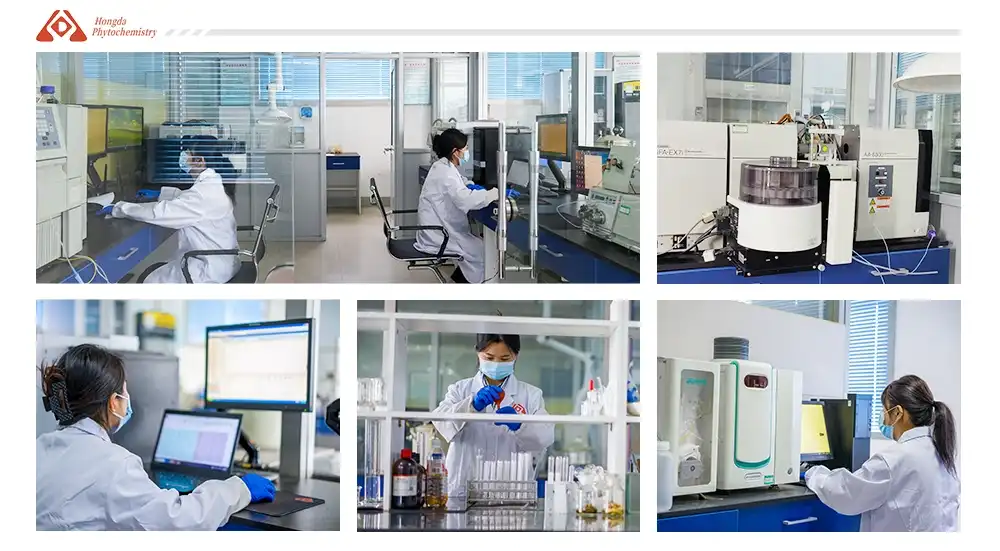
Professionals in purchasing should ask for specific details, such as the goal encapsulation efficiency (>85%), particle size distribution (D50 between 100 and 300 nm), polydispersity index (PDI <0.3), and zeta potential measures. Bioavailability and product stability are directly linked to these factors. Objective quality confirmation comes from SGS lab tests that check for heavy metals, microbial purity, and resveratrol assays (at least 90% for top types). The technical know-how needed for uniform batch-to-batch quality can be seen in suppliers who have their own analysis tools, such as HPLC, UV-Vis spectroscopy, and dynamic light scattering.
Supply Chain and Commercial Considerations
Minimum order quantities change from seller to supplier. However, well-known manufacturers often allow trial amounts as low as 1 kg, which makes product development easier without requiring too much financial investment. Annual production capacity is a good indicator of how reliable a company is; factories that make 3,000 tons of different products each year show that they are stable and can grow. Lead times, shipping operations, and the availability of stores abroad all have a big effect on managing inventory. Keeping stock in North American or European shipping centers helps cut down on transportation times and makes customs procedures easier for suppliers. Product development teams can accurately model costs when pricing systems are clear and take into account order volume, packaging requirements, and shipping terms.
Safety, Dosage, and Effectiveness: What B2B Clients Need to Know
Safety Profile and Regulatory Status
Resveratrol has a well-known safety rating that comes from decades of study and use in medicine. When the right dosing standards are followed, the fact that liposomal resveratrol powder formulations are more bioavailable doesn't raise any new safety issues. Generally Recognized as Safe (GRAS) by the FDA, sunflower-derived phospholipids are widely used as carriers in food, supplements, and cosmetics around the world. Pathogen-free testing for microbes that meets cGMP standards makes sure that there is no contamination. Testing for heavy metals to make sure they meet the limits set by California Proposition 65 (< 0.5 ppm lead and < 0.5 ppm arsenic) and EU rules keeps companies safe and up to the highest global standards.
Industry-Standard Dosing Recommendations
Most resveratrol supplements have between 50 and 500 mg of standard extract per dose. Because they are more bioavailable, liposomal resveratrol powder formulations work at doses of 50 mg to 200 mg, with 100 mg being the most typical effective amount. This range of dosage options lets formulators make unique goods for a range of price points and placement strategies. 150–300 mg daily doses are usually used in clinical studies that show cardiovascular effects, while 100–150 mg daily doses are usually used in anti-aging and longevity-focused uses. Being able to get the results you want with smaller absolute amounts lowers the cost of the raw materials while keeping, or even improving, the claims of effectiveness.
Customization Opportunities for OEM and ODM Applications
When manufacturers offer custom formulation services, brands can make liposomal resveratrol powder goods that are unique and fit the needs of certain market groups. Customization choices include making the particle size just right for certain delivery methods, adding taste to direct-consumption powders, mixing with complementary ingredients like curcumin or quercetin to get better results, and putting your own name on the packaging. Support for research and development (R&D) from providers with specialized development teams makes it easier to improve formulations, test their stability, and prepare regulatory documents. These value-added services are especially helpful for mid-sized brands that don't have their own expert staff but want to make their goods stand out in crowded markets.
Conclusion
Liposomal resveratrol powder is a big step forward in the bioavailability of natural ingredients. It solves the basic absorption problems that have previously limited resveratrol's medicinal potential. The phospholipid capsule technology keeps active molecules safe while they are being digested, makes it easier for cells to take them in through carriers that are compatible with membranes, and increases the time that they stay in the body through lymphatic transport routes. These processes make bioavailability better in a way that can be measured. This leads to better product effectiveness, lower dosage needs, and better value for customers. When purchasing, workers are looking at different ingredient choices. Liposomal resveratrol powder formulations offer strong benefits in terms of stability, suitability with supply chains, and legal compliance that help products sell well in global markets.
FAQWhat specific absorption advantages does liposomal delivery provide?
Using liposomes to encapsulate resveratrol makes liposomal resveratrol powder 15-20 times more bioavailable than other forms. This is done in three ways: protecting it from being broken down by digestion, making membranes more permeable through interaction between phospholipids and enterocytes, and lymphatic absorption that skips the liver's first-pass metabolism. This leads to higher plasma amounts, longer circulation times, and better transport to tissues.
Can liposomal resveratrol be safely used for long-term supplementation?
According to research, taking resveratrol supplements in the amounts that are recommended is safe over the long run. When made with food-grade phospholipids and following cGMP standards, Liposomal Resveratrol Powder products improve absorption without causing any new safety issues. Suppliers should give full toxicity reports and certificates of analysis that show that all production batches are pure and free of contaminants.
What key factors should procurement teams evaluate when selecting suppliers?
Suppliers with multiple third-party certifications (ISO, cGMP, and SGS testing), detailed product specifications (encapsulation efficiency, particle size, and PDI), flexible minimum order quantities, enough production capacity, and clear supply chain logistics should be given the most weight. Before committing to business orders, ask for samples with full analytical results to make sure the stated specs are correct.
Partner with Hongda for Premium Liposomal Resveratrol Powder Supply
Since 2001, Shaanxi Hongda Phytochemistry Co., Ltd. has been making natural plant extracts and is known as a national high-tech company with many certifications, such as SGS, cGMP, FDA registration, ISO 9001, ISO 22000, HALAL, KOSHER, BRC, FSSC, and ORGANIC credentials. In our 20,000-square-meter cGMP lab, we use pharmaceutical-grade sunflower phospholipids and advanced freeze-drying technology to make our Liposomal Resveratrol Powder, which has >85% encapsulation efficiency and >90% purity. We keep particle sizes between 100nm and 300nm and PDI below 0.3 to make sure that cells can take them up and use them properly. As a well-known company that makes liposomal resveratrol powder, we can support both small-scale product development trials and large-scale business production, with a capacity of 3,000 tons per year. Our research and development team, which is made up of more than 20 professors from well-known universities, can make unique formulations for OEM and ODM uses. You can email our technical team at duke@hongdaherb.com to ask for samples, talk about your unique needs, and find out how our 20 years of experience can help you improve your supply chain with trusted, approved, high-performance ingredients.
References
1. Walle, T., Hsieh, F., DeLegge, M. H., Oatis, J. E., & Walle, U. K. (2004). "High absorption but very low bioavailability of oral resveratrol in humans." Drug Metabolism and Disposition, 32(12), 1377-1382.
2. Amri, A., Chaumeil, J. C., Sfar, S., & Charrueau, C. (2012). "Administration of resveratrol: What formulation solutions to bioavailability limitations?" Journal of Controlled Release, 158(2), 182-193.
3. Marier, J. F., Vachon, P., Gritsas, A., Zhang, J., Moreau, J. P., & Ducharme, M. P. (2002). "Metabolism and disposition of resveratrol in rats: extent of absorption, glucuronidation, and enterohepatic recirculation evidenced by a linked-rat model." Journal of Pharmacology and Experimental Therapeutics, 302(1), 369-373.
4. Zu, Y., Overby, H., Ren, G., Fan, Z., Zhao, L., & Wang, S. (2015). "Resveratrol liposomes and lipid nanocarriers: Comparison of characteristics and inducing browning of white adipocytes." Colloids and Surfaces B: Biointerfaces, 135, 651-658.
5. Frémont, L. (2000). "Biological effects of resveratrol." Life Sciences, 66(8), 663-673.
6. Smoliga, J. M., Baur, J. A., & Hausenblas, H. A. (2011). "Resveratrol and health—a comprehensive review of human clinical trials." Molecular Nutrition & Food Research, 55(8), 1129-1141.