What Is The Use Of Rutin In Skin Care?
2025-08-18 18:55:44
Rutin, a bioflavonoid found naturally in various plants, has been gaining attention in the skincare industry for its potential benefits. This powerful antioxidant, also known as vitamin P, is derived from sources like buckwheat, citrus fruits, and apples. In recent years, skincare enthusiasts and researchers alike have been exploring the use of rutin in various formulations to address a range of skin concerns. From combating signs of aging to improving skin barrier function, rutin shows promise as a multifaceted ingredient in the world of skincare.
What are the benefits of rutin powder for skin?
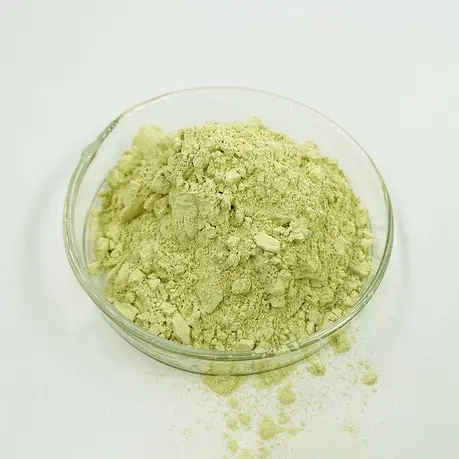
Rutin powder, the concentrated form of this bioflavonoid, offers a plethora of benefits for the skin. One of its primary advantages lies in its potent antioxidant properties. As an antioxidant, rutin helps neutralize free radicals, which are unstable molecules that can cause oxidative stress and damage to skin cells. This protective action is crucial in preventing premature aging and maintaining overall skin health.
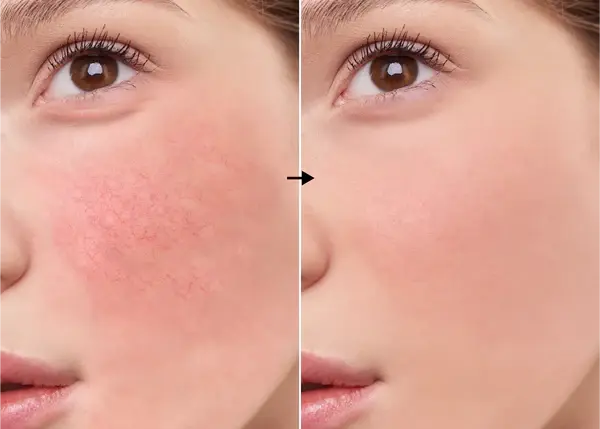
Moreover, rutin has been shown to have anti-inflammatory properties, making it particularly beneficial for those with sensitive or reactive skin. By calming inflammation, rutin can help reduce redness, irritation, and other signs of skin discomfort. This makes it a valuable ingredient for individuals dealing with conditions such as rosacea or eczema.
Another significant benefit of rutin powder is its ability to support and strengthen the skin's capillaries. By improving blood circulation and reinforcing blood vessel walls, rutin can help reduce the appearance of spider veins and promote a more even skin tone. This vascular-supporting property also contributes to better nutrient delivery to skin cells, enhancing overall skin health and radiance.
Rutin has also been found to have skin-brightening effects. It can help inhibit the production of melanin, the pigment responsible for dark spots and uneven skin tone. By incorporating rutin powder into skincare routines, individuals may notice a gradual improvement in skin clarity and a reduction in hyperpigmentation.
Furthermore, rutin's ability to boost collagen production makes it a valuable ally in the fight against aging. Collagen is essential for maintaining skin elasticity and firmness. As we age, collagen production naturally decreases, leading to the formation of wrinkles and sagging skin. Rutin can help stimulate collagen synthesis, promoting a more youthful and supple complexion.
Lastly, rutin powder has shown potential in protecting the skin from UV damage. While it should not replace sunscreen, it can work synergistically with other sun-protective ingredients to enhance the skin's defense against harmful UV rays. This additional layer of protection can help prevent photo-aging and reduce the risk of skin damage caused by sun exposure.
How does rutin powder compare to other antioxidants in skincare?
When it comes to antioxidants in skincare, rutin powder stands out for its unique properties and benefits. While it shares some similarities with other well-known antioxidants like vitamin C and E, rutin offers distinct advantages that set it apart in the world of skincare ingredients.
One of the key differences between rutin and other antioxidants is its stability. Unlike vitamin C, which is notoriously unstable and can quickly oxidize when exposed to air and light, rutin remains stable in various formulations. This stability ensures that the product maintains its efficacy over time, providing consistent benefits with each use.
Rutin also excels in its ability to penetrate the skin. Its molecular structure allows it to be easily absorbed, ensuring that its benefits reach deeper layers of the skin where it can have the most impact. This superior penetration makes rutin particularly effective in addressing concerns that originate in the deeper dermal layers, such as loss of elasticity and firmness.
Compared to other antioxidants, rutin has a more pronounced effect on vascular health. While ingredients like vitamin E primarily focus on neutralizing free radicals, rutin goes a step further by strengthening blood vessels and improving circulation. This unique property makes rutin especially beneficial for individuals dealing with conditions like rosacea or those prone to broken capillaries.
Another area where rutin shines is its anti-inflammatory capabilities. While many antioxidants offer some degree of anti-inflammatory benefits, rutin's potency in this regard is particularly noteworthy. This makes it an excellent choice for those with sensitive or reactive skin types who may not tolerate other, more aggressive antioxidants well.
Rutin also demonstrates superior UV protection capabilities compared to many other antioxidants. While it should not replace traditional sunscreens, its ability to enhance UV protection makes it a valuable addition to any sun care routine. When used in conjunction with other sun-protective ingredients, rutin can provide an extra layer of defense against photo-aging and UV-induced skin damage.
In terms of collagen production, rutin has shown promising results. While vitamin C is often touted for its collagen-boosting properties, rutin's ability to stimulate collagen synthesis is equally impressive. This makes rutin a valuable ingredient in anti-aging formulations, helping to improve skin elasticity and reduce the appearance of fine lines and wrinkles.
Lastly, rutin's versatility sets it apart from many other antioxidants. It can be easily incorporated into various skincare formulations, from serums and creams to masks and toners. This versatility allows for greater flexibility in creating comprehensive skincare routines that cater to individual needs and preferences.

Can rutin powder help with skin inflammation and redness?
Rutin powder has garnered attention for its potential to alleviate skin inflammation and redness, making it a promising ingredient for those struggling with various skin concerns. Its anti-inflammatory properties make it particularly effective in addressing conditions characterized by irritation and redness.
One of the primary ways rutin powder helps with skin inflammation is by inhibiting the production of pro-inflammatory cytokines. These molecules play a crucial role in triggering and perpetuating inflammatory responses in the skin. By reducing the levels of these cytokines, rutin can help calm irritated skin and minimize redness.
Rutin's antioxidant properties also contribute to its anti-inflammatory effects. Oxidative stress is often a key factor in skin inflammation, and by neutralizing free radicals, rutin helps mitigate this stress. This action not only helps reduce existing inflammation but also prevents further irritation, creating a more balanced and soothed skin environment.
For individuals dealing with rosacea, a chronic skin condition characterized by facial redness and visible blood vessels, rutin powder can be particularly beneficial. Its ability to strengthen capillaries and improve blood circulation helps reduce the appearance of redness and broken blood vessels associated with rosacea. By reinforcing the skin's vascular structure, rutin can help manage the symptoms of this often frustrating condition.
Rutin's anti-inflammatory properties extend to its ability to modulate the skin's immune response. In cases of allergic reactions or contact dermatitis, the skin's immune system can overreact, leading to inflammation and redness. Rutin helps regulate this response, potentially reducing the severity and duration of these reactions.
Moreover, rutin has been shown to enhance the skin's barrier function. A compromised skin barrier is more susceptible to irritants and environmental stressors, which can lead to inflammation. By strengthening the skin's natural protective barrier, rutin helps prevent the onset of inflammation and maintains overall skin health.
For those with acne-prone skin, rutin's anti-inflammatory properties can be particularly beneficial. While it doesn't directly target acne-causing bacteria, its ability to reduce inflammation can help minimize the redness and swelling associated with acne lesions, promoting faster healing and reducing the risk of scarring.
Rutin's soothing properties also make it an excellent ingredient for post-procedure skincare. After treatments like chemical peels or laser therapy, the skin is often inflamed and sensitive. Products containing rutin can help calm the skin, reduce redness, and support the healing process, making it a valuable addition to post-treatment skincare regimens.

In conclusion, the use of rutin in skincare offers a wide range of benefits, from its potent antioxidant properties to its ability to combat inflammation and support overall skin health. As research continues to uncover the full potential of this bioflavonoid, we can expect to see rutin becoming an increasingly popular ingredient in skincare formulations. Whether you're looking to address signs of aging, combat inflammation, or simply maintain healthy, radiant skin, incorporating rutin into your skincare routine may prove to be a valuable addition.
Hongda Phytochemistry Co., Ltd. excels in multiple facets within the bio and food industries. They are regular participants at global Exhibitions such as CPHI Europe, Vitafoods International, FIE, FFFI, and SSE in the USA. Their collaborative efforts with renowned domestic universities including Northwest A&F University, China Agricultural University, Shaanxi University of Chinese Medicine, Northwest University, Xi'an International Studies University, Jinan University, and Northeast Agricultural University have fostered a dynamic business model driven by research, development, and market initiatives. Recent innovations from the company include plant sterols/esters, high-end natural vitamin powders, microencapsulated powders, and other highly sought-after products. Located in the heart of the sophora japonica fruit extraction base, their specialized production facilities offer a range of sophora japonica series products such as rutin, quercetin, isoquercetin, and rutinose. As an OEM/ODM processing facility, they invite inquiries and collaborations, showcasing their expertise as a professional Rutin Powder Manufacturer. For more details, contact duke@hongdaherb.com.
References:
1. Gęgotek, A., Ambrożewicz, E., Jastrząb, A., Jarocka-Karpowicz, I., & Skrzydlewska, E. (2017). Rutin and ascorbic acid cooperation in antioxidant and antiapoptotic effect on human skin keratinocytes and fibroblasts exposed to UVA and UVB radiation. Archives of Dermatological Research, 309(6), 491-501.
2. Choi, J. K., Kim, S. H., & Joo, C. K. (2009). Effects of rutin on the antioxidant enzymes and the expression of HO-1 in human lens epithelial cells. Korean Journal of Ophthalmology, 23(3), 183-189.
3. Gong, G., Qin, Y., & Huang, W. (2018). Anti-thrombosis effect of rutin in human platelets. Zhongguo Zhong Yao Za Zhi, 43(4), 794-801.
4. Chua, L. S. (2013). A review on plant-based Rutin Extraction methods and its pharmacological activities. Journal of Ethnopharmacology, 150(3), 805-817.
5. Hosseinzadeh, H., & Nassiri-Asl, M. (2014). Review of the protective effects of rutin on the metabolic function as an important dietary flavonoid. Journal of Endocrinological Investigation, 37(9), 783-788.
6. Ganeshpurkar, A., & Saluja, A. K. (2017). The pharmacological potential of rutin. Saudi Pharmaceutical Journal, 25(2), 149-164.
7. Mehta, R. G., & Pezzuto, J. M. (2002). Discovery of cancer preventive agents from natural products: from plants to prevention. Current Oncology Reports, 4(6), 478-486.
8. Erlund, I. (2004). Review of the flavonoids quercetin, hesperetin, and naringenin. Dietary sources, bioactivities, bioavailability, and epidemiology. Nutrition Research, 24(10), 851-874.
9. Piao, M. J., Kang, K. A., Zhang, R., Ko, D. O., Wang, Z. H., You, H. J., ... & Hyun, J. W. (2008). Hyperoside prevents oxidative damage induced by hydrogen peroxide in lung fibroblast cells via an antioxidant effect. Biochimica et Biophysica Acta (BBA)-General Subjects, 1780(12), 1448-1457.
10. Karuppagounder, V., Arumugam, S., Thandavarayan, R. A., Sreedhar, R., Giridharan, V. V., & Watanabe, K. (2016). Molecular targets of quercetin with anti-inflammatory properties in atopic dermatitis. Drug Discovery Today, 21(4), 632-639.