What is the role of Green Tea Extract Polyphenols in disease prevention?
2025-11-05 16:02:54
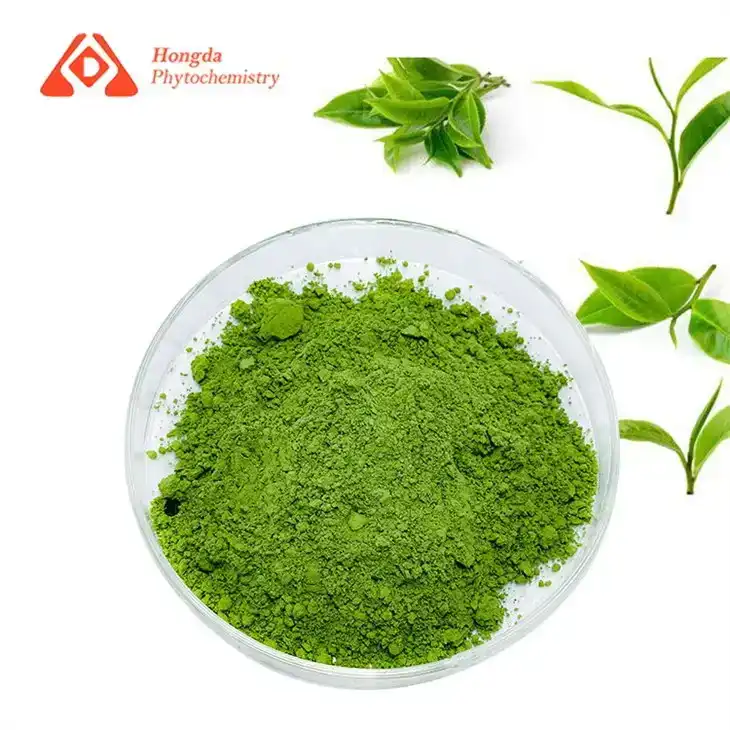
Green Tea Extract Polyphenols have emerged as a powerful ally in the fight against various diseases, offering a natural and effective approach to disease prevention. These compounds, derived from the leaves of Camellia sinensis, are rich in antioxidants and bioactive molecules that have been extensively studied for their potential health benefits. The most abundant and potent polyphenol in green tea is epigallocatechin gallate (EGCG), which accounts for approximately 80% of the total polyphenol content. Research has shown that regular consumption of green tea extract polyphenols can contribute to the prevention and management of chronic diseases such as cardiovascular disorders, cancer, and neurodegenerative conditions. The unique chemical structure of these polyphenols allows them to interact with various cellular targets, modulating signaling pathways and gene expression, thereby exerting a wide range of protective effects on human health.
Targeting Chronic Diseases: Cardioprotective, Anticancer, and Neuroprotective Effects
Cardioprotective Properties of Green Tea Extract Polyphenols
Green Tea Extract Polyphenols have demonstrated significant cardioprotective properties, making them a valuable tool in the prevention of cardiovascular diseases. These compounds work through multiple mechanisms to promote heart health. Firstly, they help reduce oxidative stress and inflammation in the cardiovascular system, which are key contributors to the development of atherosclerosis and other heart-related conditions. The antioxidant properties of EGCG and other catechins in green tea extract neutralize harmful free radicals, protecting the delicate lining of blood vessels from damage. Additionally, these polyphenols have been shown to improve lipid profiles by lowering LDL cholesterol levels and increasing HDL cholesterol, thereby reducing the risk of atherosclerosis and heart disease. Furthermore, green tea polyphenols can help regulate blood pressure by promoting vasodilation and improving endothelial function, contributing to overall cardiovascular health.
Anticancer Potential of Green Tea Polyphenols
The anticancer potential of Green Tea Extract Polyphenols has been a subject of intense research, with promising results across various types of cancer. These compounds exhibit multifaceted anticancer activities, targeting different stages of cancer development and progression. EGCG, the primary polyphenol in green tea, has been shown to inhibit tumor cell proliferation, induce apoptosis (programmed cell death) in cancer cells, and prevent angiogenesis (formation of new blood vessels) that supports tumor growth. Moreover, green tea polyphenols can modulate various signaling pathways involved in cancer progression, such as NF-κB and MAPK pathways, effectively slowing down or halting the growth of cancer cells. Studies have also indicated that these compounds may enhance the efficacy of conventional cancer treatments while reducing their side effects, making them a valuable adjunct in cancer therapy and prevention strategies.
Neuroprotective Effects in Preventing Neurodegenerative Diseases
Green Tea Extract Polyphenols have shown remarkable neuroprotective effects, offering hope in the prevention and management of neurodegenerative diseases such as Alzheimer's and Parkinson's. The brain is particularly vulnerable to oxidative stress and inflammation, which are key factors in the development of these conditions. EGCG and other green tea polyphenols can cross the blood-brain barrier, directly exerting their antioxidant and anti-inflammatory effects in the central nervous system. These compounds have been found to protect neurons from damage, enhance cognitive function, and improve memory and learning abilities. Additionally, green tea polyphenols may help reduce the accumulation of toxic proteins like beta-amyloid and alpha-synuclein, which are hallmarks of Alzheimer's and Parkinson's diseases, respectively. By modulating various neuroprotective pathways and promoting neuroplasticity, green tea extract polyphenols offer a promising approach to maintaining brain health and preventing age-related cognitive decline.

The Power of EGCG: Mechanisms Behind Antioxidant and Anti-inflammatory Actions
EGCG as a Potent Antioxidant in Disease Prevention
EGCG, the primary polyphenol in Green Tea Extract, stands out as a potent antioxidant with remarkable disease-prevention capabilities. Its unique molecular structure allows it to effectively neutralize a wide range of free radicals and reactive oxygen species (ROS) that contribute to cellular damage and chronic diseases. EGCG acts as a direct scavenger of these harmful molecules, preventing oxidative damage to DNA, proteins, and lipids. Moreover, it enhances the body's natural antioxidant defense systems by upregulating the expression of antioxidant enzymes such as superoxide dismutase and catalase. This dual action of EGCG not only protects cells from immediate oxidative stress but also boosts the body's long-term resilience against oxidative damage. The antioxidant properties of EGCG play a crucial role in preventing the development and progression of various diseases, including cardiovascular disorders, cancer, and neurodegenerative conditions, by maintaining cellular health and function.
Anti-Inflammatory Mechanisms of Green Tea Polyphenols
The anti-inflammatory properties of Green Tea Extract Polyphenols, particularly EGCG, contribute significantly to their disease-prevention potential. Chronic inflammation is a common underlying factor in many diseases, including cardiovascular disorders, cancer, and neurodegenerative conditions. EGCG and other green tea polyphenols exert their anti-inflammatory effects through multiple mechanisms. They inhibit the activation of pro-inflammatory transcription factors such as NF-κB, which regulates the expression of various inflammatory mediators. Additionally, these compounds suppress the production of pro-inflammatory cytokines like TNF-α and IL-6, while promoting the release of anti-inflammatory cytokines. Green tea polyphenols also modulate the activity of enzymes involved in the inflammatory response, such as cyclooxygenase-2 (COX-2) and lipoxygenase, further contributing to their anti-inflammatory effects. By reducing chronic inflammation, these polyphenols help prevent tissue damage and the development of inflammation-related diseases.
Cellular Signaling Modulation by Green Tea Extract Polyphenols
Green Tea Extract Polyphenols, especially EGCG, exert their disease-prevention effects through modulation of various cellular signaling pathways. These compounds interact with numerous molecular targets, influencing cell proliferation, differentiation, and survival. EGCG has been shown to inhibit the activation of growth factor receptors, such as epidermal growth factor receptor (EGFR), which are often overexpressed in cancer cells. It also modulates the activity of protein kinases involved in cell signaling cascades, including MAPK and PI3K/Akt pathways, which play crucial roles in cell growth and survival. Furthermore, green tea polyphenols can influence gene expression by regulating transcription factors and epigenetic mechanisms, leading to long-term changes in cellular function. This comprehensive modulation of cellular signaling by green tea extract polyphenols contributes to their diverse health benefits, from cancer prevention to neuroprotection and cardiovascular health maintenance.

Science-Backed Prevention Strategies for Cancer, Cardiovascular, and Neurodegenerative Diseases
Integrating Green Tea Extract into Cancer Prevention Protocols
Integrating Green Tea Extract Polyphenols into cancer prevention protocols has gained significant scientific support in recent years. Studies have shown that regular consumption of green tea or its extracts can reduce the risk of various types of cancer, including breast, prostate, and colorectal cancers. The cancer-preventive effects of these polyphenols are attributed to their ability to target multiple stages of carcinogenesis. EGCG and other catechins in green tea extract can inhibit the initiation phase of cancer by protecting DNA from oxidative damage and preventing the activation of carcinogens. During the promotion phase, these compounds suppress cell proliferation and induce apoptosis in precancerous and cancerous cells. Additionally, green tea polyphenols have been shown to inhibit metastasis and angiogenesis, crucial processes in cancer progression. To maximize the cancer-preventive benefits, experts recommend consuming 3-5 cups of green tea daily or taking standardized green tea extract supplements containing 300-400 mg of EGCG. However, it's essential to consult healthcare professionals before incorporating high-dose supplements into one's routine, especially for individuals undergoing cancer treatment.
Cardiovascular Health Maintenance through Green Tea Polyphenol Supplementation
Green Tea Extract Polyphenols offer a promising approach to maintaining cardiovascular health and preventing heart disease. Numerous studies have demonstrated the cardioprotective effects of these compounds, particularly in reducing the risk of coronary artery disease and stroke. Regular consumption of green tea or its extracts has been associated with improvements in several cardiovascular risk factors. For instance, green tea polyphenols can help lower blood pressure by promoting vasodilation and improving endothelial function. They also contribute to better lipid profiles by reducing LDL cholesterol and triglyceride levels while increasing HDL cholesterol. Furthermore, the antioxidant and anti-inflammatory properties of EGCG and other catechins help protect the cardiovascular system from oxidative stress and inflammation, key factors in the development of atherosclerosis. To harness these benefits, health experts often recommend consuming 2-3 cups of green tea daily or taking green tea extract supplements providing 200-300 mg of EGCG. However, it's crucial to maintain a balanced diet and healthy lifestyle alongside green tea consumption for optimal cardiovascular health.
Neuroprotective Strategies Utilizing Green Tea Extract Polyphenols
The neuroprotective potential of Green Tea Extract Polyphenols has paved the way for innovative strategies in preventing and managing neurodegenerative diseases. EGCG and other green tea polyphenols have demonstrated remarkable abilities to protect neurons from damage and improve cognitive function. These compounds can cross the blood-brain barrier, directly exerting their antioxidant and anti-inflammatory effects in the central nervous system. Research has shown that regular consumption of green tea or its extracts may reduce the risk of cognitive decline and neurodegenerative disorders such as Alzheimer's and Parkinson's diseases. The neuroprotective mechanisms of green tea polyphenols include reducing oxidative stress, inhibiting the aggregation of toxic proteins like beta-amyloid and alpha-synuclein, and promoting neuroplasticity. To leverage these benefits, incorporating green tea into daily dietary habits or using standardized green tea extract supplements containing 200-400 mg of EGCG is often recommended. However, it's essential to approach neuroprotection holistically, combining green tea consumption with other brain-healthy habits such as regular exercise, cognitive stimulation, and a balanced diet rich in antioxidants and omega-3 fatty acids.
Conclusion
Green Tea Extract Polyphenols have emerged as powerful allies in disease prevention, offering a natural and multifaceted approach to maintaining health. From cardioprotection to cancer prevention and neuroprotection, these compounds demonstrate remarkable potential in combating chronic diseases. The science-backed strategies discussed highlight the versatility and effectiveness of green tea polyphenols in various health contexts. As research continues to unveil new benefits and applications, integrating green tea extract into daily health routines presents a promising avenue for enhancing overall well-being and reducing disease risk.
For high-quality Green Tea Extract Polyphenols and other natural plant extracts, Shaanxi Hongda Phytochemistry Co., Ltd. stands as a leading supplier. With over 20 years of experience in R&D and production, we offer a wide range of products, including green tea extract, quercetin, rutin, and more. Our state-of-the-art facilities, rigorous quality control, and comprehensive Certifications ensure the highest standards in product quality and safety. For inquiries or custom formulations, please Contact Us at duke@hongdaherb.com.
FAQ
Q: What is the recommended daily intake of Green Tea Extract Polyphenols for health benefits?
A: While optimal dosage can vary, studies suggest consuming 3-5 cups of green tea daily or 300-400 mg of EGCG from supplements for potential health benefits.
Q: Are there any side effects associated with Green Tea Extract Polyphenols?
A: Generally safe, high doses may cause mild side effects like nausea or headaches. It's best to consult a healthcare professional before starting any supplement regimen.
Q: How do Green Tea Extract Polyphenols compare to other antioxidants?
A: EGCG, the main polyphenol in green tea, is considered one of the most potent natural antioxidants, often more effective than vitamins C and E in neutralizing free radicals.
Q: Can Green Tea Extract Polyphenols interfere with medications?
A: Yes, they may interact with certain medications, including blood thinners and some antidepressants. Always consult your doctor if you're on medication.
Q: How long does it take to see the benefits of Green Tea Extract Polyphenols?
A: Effects can vary, but some studies show improvements in certain health markers within 3-6 months of regular consumption.
References
1. Khan, N., & Mukhtar, H. (2019). Tea polyphenols in the promotion of human health. Nutrients, 11(1), 39.
2. Suzuki, Y., Miyoshi, N., & Isemura, M. (2012). Health-promoting effects of green tea. Proceedings of the Japan Academy, Series B, 88(3), 88-101.
3. Eng, Q. Y., Thanikachalam, P. V., & Ramamurthy, S. (2018). Molecular understanding of Epigallocatechin gallate (EGCG) in cardiovascular and metabolic diseases. Journal of Ethnopharmacology, 210, 296-310.
4. Singh, B. N., Shankar, S., & Srivastava, R. K. (2011). Green tea catechin, epigallocatechin-3-gallate (EGCG): mechanisms, perspectives and clinical applications. Biochemical Pharmacology, 82(12), 1807-1821.
5. Pervin, M., Unno, K., Ohishi, T., Tanabe, H., Miyoshi, N., & Nakamura, Y. (2018). Beneficial Effects of Green Tea Catechins on Neurodegenerative Diseases. Molecules, 23(6), 1297.
6. Xing, L., Zhang, H., Qi, R., Tsao, R., & Mine, Y. (2019). Recent Advances in the Understanding of the Health Benefits and Molecular Mechanisms Associated with Green Tea Polyphenols. Journal of Agricultural and Food Chemistry, 67(4), 1029-1043.