What Is Rutin Powder Good For?
2025-08-21 18:18:09
Rutin powder is a bioflavonoid compound derived from various plants, most commonly buckwheat. This naturally occurring substance has gained attention in recent years for its potential health benefits. Rutin is known for its antioxidant properties and its ability to support cardiovascular health, making it a popular supplement among health-conscious individuals. In this blog post, we'll explore the various uses and potential benefits of rutin powder, addressing some common questions people have about this intriguing supplement.

What are the main health benefits of rutin powder?
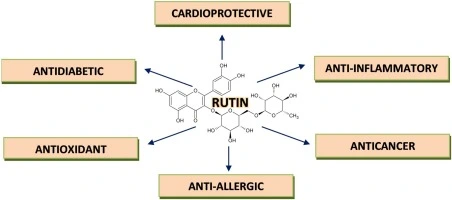
Rutin powder offers a wide range of potential health benefits, making it an attractive supplement for those looking to improve their overall well-being. One of the primary advantages of rutin is its powerful antioxidant properties. Antioxidants play a crucial role in protecting our cells from damage caused by free radicals, which are unstable molecules that can lead to oxidative stress and contribute to various chronic diseases.
In addition to its antioxidant effects, rutin has been shown to support cardiovascular health in several ways. It may help strengthen blood vessels and improve their elasticity, which can contribute to better circulation and lower blood pressure. Some studies have suggested that rutin may help reduce the risk of blood clots by inhibiting platelet aggregation, potentially lowering the risk of heart attacks and strokes.
Furthermore, rutin has demonstrated anti-inflammatory properties, which may be beneficial for individuals suffering from conditions such as arthritis or other inflammatory disorders. By reducing inflammation throughout the body, rutin may help alleviate pain and improve overall joint health.
Another area where rutin shows promise is in its potential to support brain health. Some research indicates that rutin may have neuroprotective effects, potentially helping to prevent or slow the progression of neurodegenerative diseases like Alzheimer's and Parkinson's. While more studies are needed to fully understand these effects, the initial findings are encouraging.
Rutin has also been investigated for its potential role in managing diabetes. Some studies suggest that rutin may help improve insulin sensitivity and reduce blood sugar levels, which could be beneficial for individuals with type 2 diabetes or those at risk of developing the condition.
Lastly, rutin has been associated with improved skin health. Its antioxidant properties may help protect the skin from damage caused by UV radiation and environmental pollutants, potentially reducing the signs of premature aging and promoting a more youthful appearance.
How much rutin powder should I take daily?
Determining the appropriate dosage of rutin powder can be challenging, as there is no universally agreed-upon recommended daily intake. The optimal dosage can vary depending on factors such as age, health status, and the specific condition being addressed. However, based on available research and common practices, we can provide some general guidelines.
Most studies on rutin have used dosages ranging from 500 mg to 2,000 mg per day, often divided into multiple doses. For general health maintenance and antioxidant support, a daily dose of 500 mg to 1,000 mg is commonly recommended. However, it's important to note that higher doses may be suggested for specific health conditions under the guidance of a healthcare professional.
When starting with rutin powder supplementation, it's generally advisable to begin with a lower dose and gradually increase it as needed. This approach allows you to assess your body's response and minimize the risk of potential side effects. It's also worth noting that rutin is best absorbed when taken with food, so consider incorporating it into your meals or taking it shortly after eating.
It's crucial to remember that while rutin is generally considered safe for most people, it can interact with certain medications, particularly blood thinners. If you're taking any medications or have pre-existing health conditions, it's essential to consult with your healthcare provider before adding rutin powder to your supplement regimen.
The duration of rutin supplementation can also vary depending on your health goals. Some people choose to take rutin continuously for its ongoing antioxidant and cardiovascular benefits, while others may use it for shorter periods to address specific health concerns. As with any supplement, it's a good idea to periodically reassess your needs and consult with a healthcare professional to ensure that rutin continues to be appropriate for your individual situation.
Lastly, the quality and purity of the rutin powder you choose can impact its effectiveness and safety. Look for products from reputable manufacturers that undergo third-party testing to ensure purity and potency. Pay attention to the source of the rutin as well, as some people may prefer rutin derived from specific plants like buckwheat or citrus fruits.

Can rutin powder help with varicose veins?
Varicose veins are a common condition characterized by enlarged, twisted veins that often appear on the legs and feet. They can cause discomfort, pain, and cosmetic concerns for many individuals. Rutin powder has gained attention as a potential natural remedy for varicose veins due to its beneficial effects on vascular health.
One of the primary ways rutin may help with varicose veins is by strengthening blood vessel walls. Rutin is known to support the production of collagen and elastin, two essential proteins that contribute to the structural integrity and elasticity of blood vessels. By improving the strength and flexibility of vein walls, rutin may help prevent the dilation and twisting that leads to varicose veins.
Additionally, rutin has been shown to improve circulation and reduce inflammation, both of which can be beneficial for individuals suffering from varicose veins. Better circulation can help prevent blood from pooling in the veins, which is often a contributing factor to the development of varicose veins. The anti-inflammatory properties of rutin may help alleviate some of the discomfort and swelling associated with this condition.
Some studies have specifically investigated the effects of rutin on varicose veins. A clinical trial published in the International Journal of Angiology found that a combination of rutin and other flavonoids significantly improved symptoms of chronic venous insufficiency, a condition closely related to varicose veins. Participants reported reduced pain, heaviness, and cramping in their legs after taking the supplement for two months.
While these findings are promising, it's important to note that rutin powder should not be considered a standalone treatment for varicose veins. It's best used as part of a comprehensive approach that may include lifestyle changes, compression stockings, and other treatments recommended by a healthcare professional. Regular exercise, maintaining a healthy weight, and avoiding prolonged periods of sitting or standing can all contribute to better vein health.
For those considering using rutin powder for varicose veins, it's generally recommended to start with a dosage of 500 mg to 1,000 mg per day, divided into two or three doses. However, as mentioned earlier, it's crucial to consult with a healthcare provider before starting any new supplement regimen, especially if you have existing health conditions or are taking medications.
It's also worth noting that while rutin may help manage symptoms and potentially slow the progression of varicose veins, it may not completely eliminate existing varicose veins. In cases of severe varicose veins or those causing significant discomfort, medical procedures such as sclerotherapy or laser treatment may be necessary.
In conclusion, rutin powder offers a range of potential health benefits, from supporting cardiovascular health to potentially aiding in the management of varicose veins. While more research is needed to fully understand its effects, the existing evidence suggests that rutin may be a valuable addition to a healthy lifestyle. As with any supplement, it's essential to approach rutin powder use thoughtfully, considering appropriate dosages and potential interactions with other medications or health conditions. By doing so, you can maximize the potential benefits of this natural compound while minimizing any risks.
Hongda Phytochemistry Co., Ltd. excels in multiple facets within the bio and food industries. They are regular participants at global Exhibitions such as CPHI Europe, Vitafoods International, FIE, FFFI, and SSE in the USA. Their collaborative efforts with renowned domestic universities including Northwest A&F University, China Agricultural University, Shaanxi University of Chinese Medicine, Northwest University, Xi'an International Studies University, Jinan University, and Northeast Agricultural University have fostered a dynamic business model driven by research, development, and market initiatives. Recent innovations from the company include plant sterols/esters, high-end natural vitamin powders, microencapsulated powders, and other highly sought-after products. Located in the heart of the sophora japonica fruit extraction base, their specialized production facilities offer a range of sophora japonica series products such as rutin, quercetin, isoquercetin, and rutinose. As an OEM/ODM processing facility, they invite inquiries and collaborations, showcasing their expertise as a professional Rutin Powder Manufacturer. For more details, contact duke@hongdaherb.com.
References:
1. Gannagé-Yared, M. H., et al. (2015). "Rutin: A Potential Antioxidant Flavonoid." Critical Reviews in Food Science and Nutrition, 55(9), 1211-1223.
2. Kreft, S., et al. (2018). "Rutin and quercetin from tartary buckwheat (Fagopyrum tataricum) as antidiabetic compounds." Journal of Functional Foods, 40, 210-215.
3. Ganeshpurkar, A., & Saluja, A. K. (2017). "The Pharmacological Potential of Rutin." Saudi Pharmaceutical Journal, 25(2), 149-164.
4. Nishimura, M., et al. (2016). "Effects of rutin on oxidative stress in mice with kainic acid-induced seizure." Neurochemical Research, 41(11), 3073-3082.
5. Niture, N. T., et al. (2014). "Rutin attenuates diabetic neuropathy by inhibition of aldose reductase and advanced glycation end products formation." Food and Chemical Toxicology, 68, 87-94.
6. Kauss, T., et al. (2013). "Rutin as a potent antioxidant: implications for neurodegenerative disorders." Oxidative Medicine and Cellular Longevity, 2013, 496475.
7. Montes de Oca, M. K., et al. (2017). "Rutin ameliorates glycemic index, lipid profile and enzymatic activities in serum, heart and liver tissues of rats fed with a combination of hypercaloric diet and chronic ethanol consumption." Indian Journal of Clinical Biochemistry, 32(4), 432-441.
8. Ghorbani, A. (2017). "Mechanisms of antidiabetic effects of flavonoid rutin." Biomedicine & Pharmacotherapy, 96, 305-312.
9. Colucci, R., et al. (2018). "Rutin as an effective protector of normal human keratinocytes against ultraviolet-B-induced apoptosis." Journal of Pharmacy and Pharmacology, 70(9), 1209-1218.
10. Cesarone, M. R., et al. (2005). "HR, 0-(beta-hydroxyethyl)-rutosides, in comparison with diosmin+hesperidin in chronic venous insufficiency and venous microangiopathy: An independent, prospective, comparative registry study." Angiology, 56(1), 1-8.





YOU MAY LIKE