What Is Methyl Orange Used For
2025-08-30 13:57:05
Revolutionize Your Chemical Testing with Methyl Orange Powder – Order Now!
What is Methyl Orange Powder?
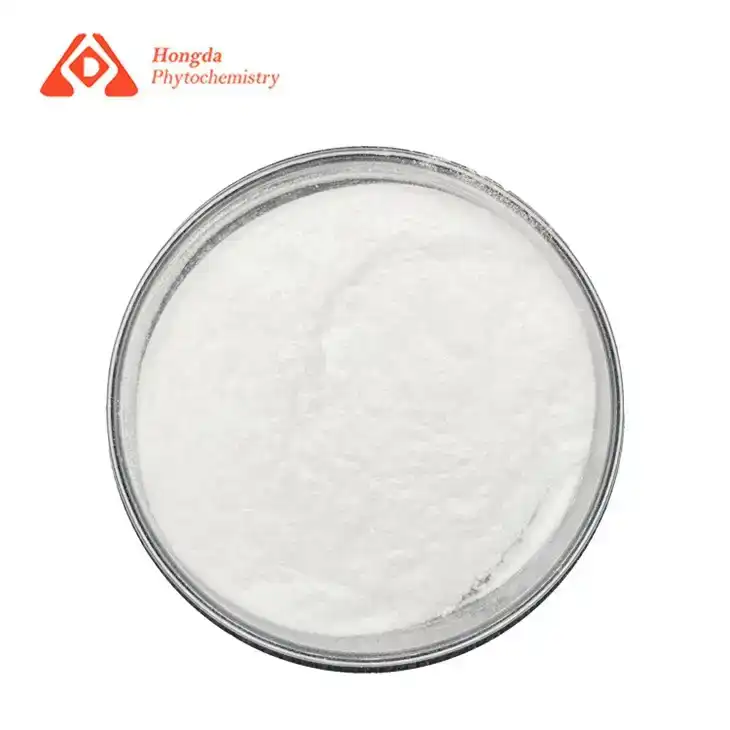
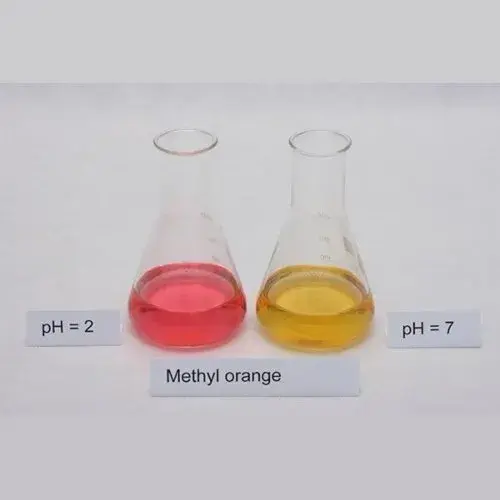
Methyl orange powder is a commonly used indicator. As an organic compound, its chemical name is sodium 4-[(4-methylphenyl)methylene]benzenesulfonate, which appears orange-yellow in aqueous solution. Powder orange is often used as an acid-base indicator in chemical experiments such as acid-base titrations. It appears red under acidic conditions, is more obvious in the acidic pH range, and turns yellow under alkaline conditions. Below, let’s take a closer look at the functions, uses and methods of using methyl orange!

What is the source of methyl orange?
Methyl orange acid base indicator can be obtained through chemical synthesis, mainly through the coupling reaction of aniline and dimethylnitrosamine (dimethylamine diazonium salt). In this synthesis process, aniline is first reacted with sulfuric acid and other substances to generate dimethylaniline hydrochloride, then the hydrochloride is reacted with nitric acid to generate dimethylnitrosamine hydrochloride, and finally phenyl nitrosamine is Methyl compounds react with sodium hypochlorite to produce pure methyl orange.
Is methyl orange an acid or base?
Methyl orange is an indicator that is neither an acid nor a base. The molecular structure of methyl orange contains a nitrogen atom, which can react with it to produce a color change based on the acid-base properties of the solution.
Under acidic conditions, methyl orange appears red; under alkaline conditions, methyl orange appears yellow. This is not because of the acid-base nature of methyl orange itself, but because in acidic solutions, methyl orange molecules are in a cationic state. , appears red; while in alkaline solution, methyl orange molecules are in an anionic state and appear yellow.
Therefore, we can use methyl orange as an acid-base indicator, and judge the acidity and alkalinity of the solution according to the color change.

how does methyl orange work?
Methyl orange is an acid-base indicator that changes color by chemically reacting with hydrogen ions (acidic) or hydroxide ions (alkaline) in the solution. The structure of the methyl orange molecule contains a nitrogen atom. accept or release hydrogen ions. In an acidic solution, the methyl orange molecule can accept a hydrogen ion and form a positively charged cation. At this time, the methyl orange shows a red color.
When the solution is alkaline, there will be enough hydroxide ions (OH-) in the solution to react with the cationic form of methyl orange, which in this case releases the accepted hydrogen ions, Reverting to the neutral molecular form, methyl orange takes on a yellow color.
The color change mechanism of methyl orange is mainly based on the interaction between its molecular structure and hydrogen ions or hydroxide ions. The acidity and alkalinity of the solution can be visually seen through the color change.
What does methyl orange do?
Methyl orange chemical is a commonly used chemical indicator with a variety of functions. Below I will introduce the functions of methyl red powder in detail:
1. Orange methyl indicator: Methyl orange bulk powder is used as an indicator in chemical experiments such as acid-base titration. It is red under acidic conditions and yellow under alkaline conditions. The acid-base of the solution can be judged by the color change properties, which play an important indicating role in chemical laboratories.
2. pH measuring agent: Organomethyl orange is used as a simple pH measuring agent. By observing the color of the solution, the acidity and alkalinity of the solution can be roughly judged, and the pH range can also be effectively estimated.
3. Sewage treatment agent: Methyl orange plays a role in the field of environmental protection. In the sewage treatment process, it can be used as an indicator to detect the acidity and alkalinity of sewage, helping to adjust and optimize the treatment process to achieve better treatment results.
4. Analytical reagents: Phenolphthalein indicator and methyl orange is used as a reagent in some analytical chemistry methods, such as in the quantitative analysis of iron ions. The complexation reaction between methyl orange and iron ions is used to change the color of the solution, and the colorimetric method is used to determine the color of the solution. Determine the iron ion content.
5. Teaching and science popularization: Methyl orange powder has obvious color changes and is easy to observe. In teaching and science popularization activities, it can help students understand the concepts of acid-base properties and pH value more intuitively, and improve their understanding of chemical experiments and chemistry. Understanding and interest in principles.
how does methyl orange indicator work?
The working principle of the methyl orange indicator is mainly based on the color change under different pH conditions:
The molecular structure of methyl orange contains a nitrogen atom, which can accept or release hydrogen ions. The molecular formula of methyl orange is C14H14N3NaO3S, where Na represents sodium ion, which helps to enhance solubility.
In an acidic solution, the methyl orange molecule will accept hydrogen ions (H+) to form a positively charged cationic form. This cationic form of methyl orange has a red or orange color. This color is formed due to the co-ion in the cation. The yoke system absorbs a portion of the wavelength of visible light, allowing us to observe the red color of the dye.
When the solution is neutral or alkaline, the methyl orange molecules will release the accepted hydrogen ions. In an alkaline solution, there will be hydroxide ions (OH-) in the solution, and these hydroxide ions will combine with methyl The cationic form of orange reacts, causing the methyl orange molecule to return to its neutral state. Under neutral or alkaline conditions, methyl orange takes on a yellow color.
The color change characteristics of methyl orange indicator can be used to judge the acid-base properties by observing the color change of the solution. When the solution is red, it means acidic; when the solution is yellow, it means neutral or alkaline.
The pH value of the methyl orange indicator can usually show different colors in the acidic range (pH < 4.4) and neutral or basic range (pH > 3.1), and in the acid-base neutral range, methyl orange may show A transitional color that is orange or orange.

when do you use methyl orange?
Methyl orange acid base indicator is a universal acid-base indicator that can be used to detect and judge the acid-base properties of solutions. It is mainly suitable for the following aspects:
1. Acid-base titration: When performing acid-base titration, it is usually necessary to add a small amount of indicator to indicate the reaction. For the titration between strong acid and weak base, methyl orange is usually chosen as the indicator to make the reaction end point appear from Color change from red to yellow.
2. Detect acidic or alkaline substances: When we need to quickly detect whether a certain substance is acidic or alkaline, we can use the methyl orange indicator for testing. We only need to add a small amount of methyl orange to the substance to be tested. , if the solution turns red, it indicates that the substance is acidic; while yellow indicates that the substance is neutral or basic.
3. Monitoring water quality: When monitoring the pH of water, methyl orange can be used to monitor the pH of water. Add methyl orange to water. If the water turns red, it means the water is acidic; yellow means the water is neutral or alkaline.
4. Food processing: In the process of food processing and beverage production, methyl orange can be used as an acid-base indicator. For example, when making citric acid seasoning, methyl orange can be used to detect the pH of the solution.

Is methyl orange harmful to people?
Methyl orange red powder has certain hazards to the human body. Below I will introduce in detail the hazards of bulk methyl orange to the human body:
1. Skin irritation: Methyl orange bulk powder can cause skin irritation and allergic reactions. Skin exposed to methyl orange may experience discomfort symptoms such as erythema, itching, inflammation, etc. For people with a history of allergies or who are sensitive to chemical substances, contact A more serious allergic reaction may be triggered after methyl orange pure powder.
2. Respiratory tract irritation: Inhaling methyl orange dust or particles may cause respiratory tract irritation and inflammation, which may lead to respiratory symptoms such as sore throat, cough, and asthma. Long-term exposure to high concentrations of methyl orange dust may cause further damage to the respiratory system. Serious damage.
3. Toxic effects: Methyl orange may have toxic effects on some organs of the human body, and long-term exposure to methyl orange may cause damage to organs such as the liver, kidneys, and central nervous system.
Where can I buy methyl orange?
Shaanxi Hongda is a high-quality methyl orange powder factory. It has been engaged in natural plant extracts, health product raw materials and chemical raw materials for 30 years. It has advanced technical equipment and mature production experience, and has obtained multiple qualification Certifications. and national recognition, which can guarantee the quality of each batch of products. When you cooperate with us, you will get the best products and services.
Please Contact Us:
Email:duke@hongdaherb.com
Tel:+86-29-87801888
Mob:+8613128890990