What Is Hydroxytyrosol Good For?
2025-08-27 14:36:49
Hydroxytyrosol, a naturally occurring compound found in olives and olive products, has gained significant attention for its potential health benefits. As a powerful antioxidant, hydroxytyrosol has sparked growing interest among researchers and health enthusiasts alike for its impact on overall wellness.
Definition and Sources
Hydroxytyrosol is a phenolic compound found in high concentrations in extra virgin olive oil and other olive derivatives. This compound is primarily obtained through dietary sources, such as consuming olives, olive oil, and olive leaf extracts. Additionally, hydroxytyrosol is available as a dietary supplement for those seeking to increase their intake.
Antioxidant Properties
One of the most notable features of hydroxytyrosol is its potent antioxidant properties. As an antioxidant, hydroxytyrosol plays a crucial role in combating oxidative stress and free radical damage within the body. By neutralizing harmful free radicals, hydroxytyrosol helps prevent cellular damage and supports overall health.
Hydroxytyrosol's high antioxidant capacity is attributed to its unique chemical structure, which allows it to donate hydrogen atoms and stabilize free radicals effectively. This antioxidant activity may contribute to various health benefits, including reduced inflammation, improved cardiovascular function, and enhanced cognitive performance.
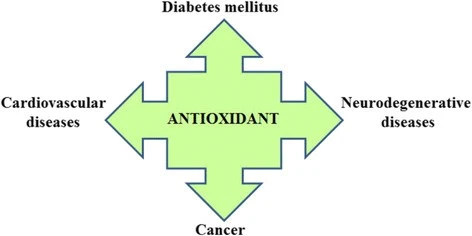
Oxidative stress is a key factor in the development of many chronic diseases, including cancer, cardiovascular disorders, and neurodegenerative diseases. By neutralizing free radicals and reducing oxidative stress, hydroxytyrosol may play a pivotal role in disease prevention and management.
Cardiovascular Health Benefits
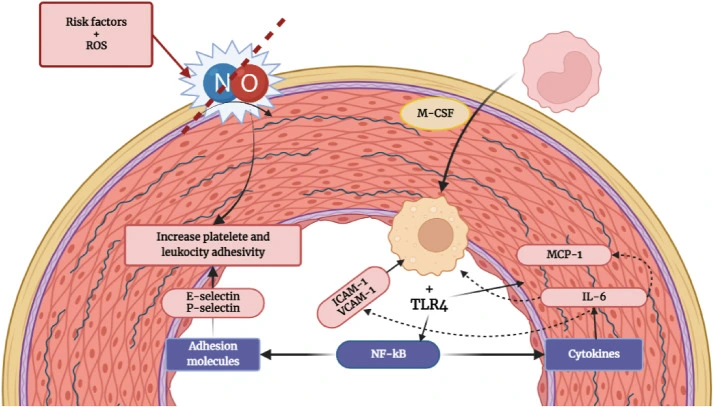
Numerous studies have explored the potential cardiovascular health benefits of hydroxytyrosol. This compound has been found to exhibit anti-inflammatory properties, which may help reduce inflammation in the arteries and improve blood flow. Additionally, hydroxytyrosol may support heart health by promoting the production of nitric oxide, a molecule that helps regulate blood pressure and improve endothelial function.
Research has also suggested that hydroxytyrosol may help lower cholesterol levels and prevent the oxidation of low-density lipoprotein (LDL) cholesterol, a major risk factor for heart disease. By reducing oxidative stress and inflammation, hydroxytyrosol may contribute to the overall cardiovascular health and reduce the risk of heart-related conditions such as atherosclerosis, heart attacks, and strokes.
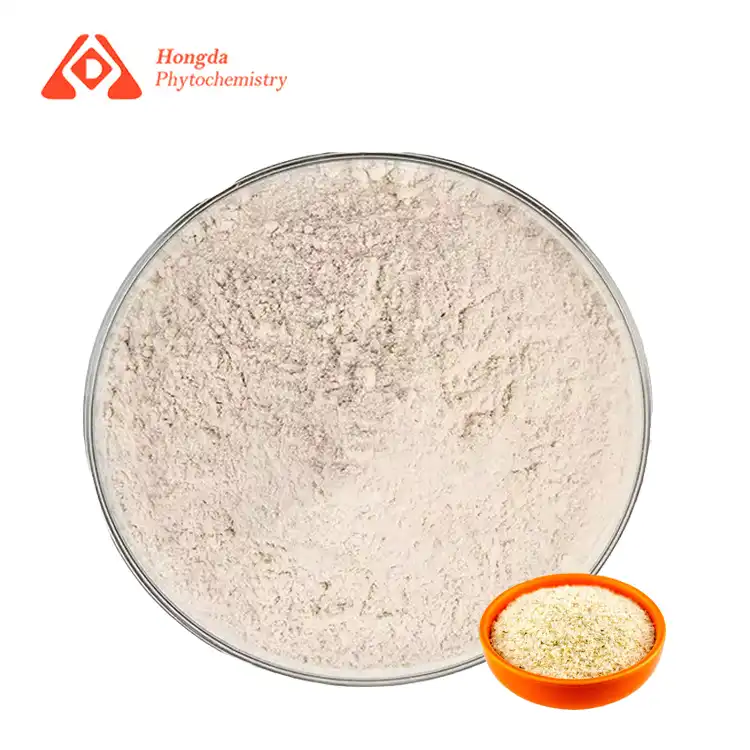
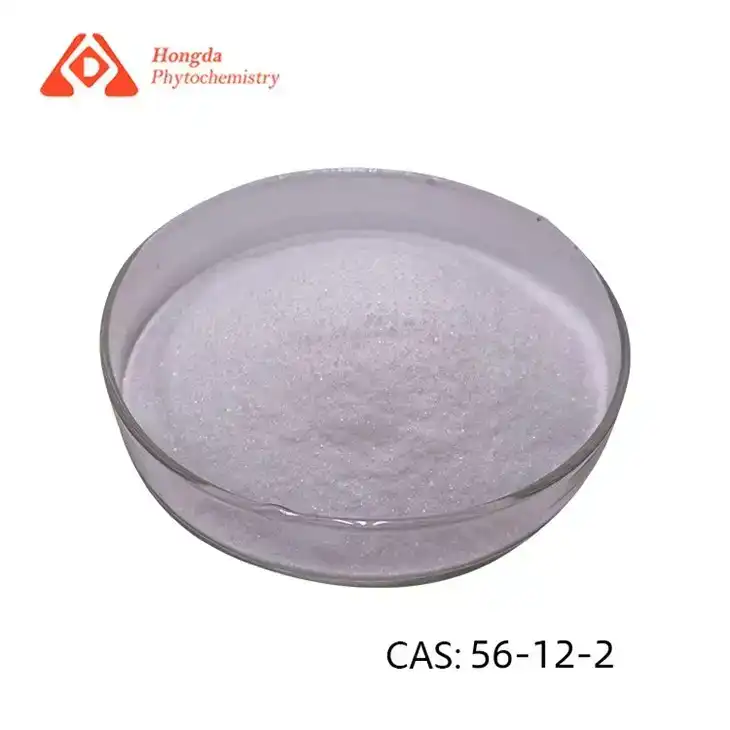
Furthermore, Hydroxytyrosol Powder has been associated with improved endothelial function and increased vasodilation, which can enhance blood flow and oxygen delivery to tissues. These effects may be particularly beneficial for individuals with conditions like hypertension, peripheral artery disease, or coronary artery disease.
Anti-Inflammatory Effects
Beyond its cardiovascular benefits, hydroxytyrosol has been studied for its potential anti-inflammatory effects. Chronic inflammation is a underlying factor in various health issues, including autoimmune disorders, metabolic diseases, and certain types of cancer.
Hydroxytyrosol has demonstrated the ability to modulate inflammatory pathways and inhibit the production of pro-inflammatory molecules, such as cytokines and enzymes. By reducing inflammation in the body, hydroxytyrosol may help alleviate symptoms associated with inflammatory conditions like rheumatoid arthritis, inflammatory bowel disease, and asthma. It may also support overall immune function and enhance the body's ability to combat infections and diseases.
Additionally, the anti-inflammatory properties of hydroxytyrosol may contribute to its potential benefits in other areas, such as skin health, joint health, and cognitive function, where inflammation plays a significant role.
Neuroprotective Effects
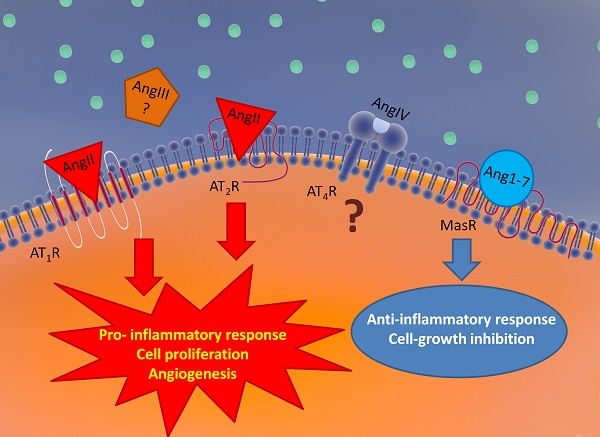
Emerging research has explored the neuroprotective effects of hydroxytyrosol and its potential benefits for brain health and cognitive function. Oxidative stress and inflammation have been implicated in the development of neurodegenerative diseases, such as Alzheimer's and Parkinson's.
Hydroxytyrosol powder has shown promise in protecting neuronal cells from oxidative damage and reducing the formation of harmful protein aggregates associated with these conditions. It may also support neuronal communication and signaling, contributing to improved cognitive performance, memory, and overall brain function.
Furthermore, hydroxytyrosol's ability to modulate inflammatory pathways in the brain may play a role in reducing neuroinflammation, which is a key factor in the progression of neurodegenerative diseases. By combating neuroinflammation and oxidative stress, hydroxytyrosol may contribute to the prevention and management of age-related cognitive decline and neurodegenerative disorders.
Skin Health and Anti-Aging Properties
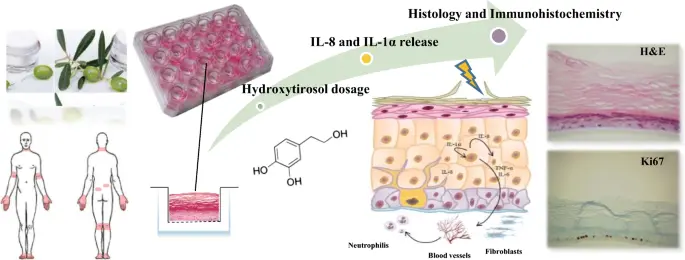
Hydroxytyrosol's antioxidant and anti-inflammatory properties may also contribute to skin health and anti-aging benefits. Oxidative stress and inflammation are known to accelerate the aging process and contribute to the formation of wrinkles, age spots, and other signs of premature skin aging.
By neutralizing free radicals and reducing inflammation, hydroxytyrosol may help protect the skin from oxidative damage and promote skin elasticity. Some studies have suggested that hydroxytyrosol may also have a role in regulating collagen production, which is essential for maintaining skin firmness and youthfulness.
Additionally, hydroxytyrosol's ability to modulate melanogenesis, the process of melanin production, may contribute to its potential in addressing hyperpigmentation and age-related skin discoloration.
Metabolic Support and Weight Management
Hydroxytyrosol has been studied for its potential role in metabolic support and weight management. Research has indicated that this compound may help regulate blood sugar levels and improve insulin sensitivity, which can be beneficial for individuals with metabolic disorders like diabetes or prediabetes.
Additionally, hydroxytyrosol has been associated with increased energy expenditure and fat oxidation, suggesting that it may support weight loss efforts. By modulating metabolic pathways and promoting a healthy metabolism, hydroxytyrosol may contribute to overall metabolic health and weight management.
Furthermore, hydroxytyrosol may have a positive impact on lipid metabolism, helping to reduce triglyceride levels and promote healthy cholesterol levels. These effects can be particularly beneficial for individuals with metabolic syndrome or other conditions related to dyslipidemia.
Conclusion
Hydroxytyrosol, a powerful antioxidant found in olives and olive products, has emerged as a promising compound with a wide range of potential health benefits. From its antioxidant properties and cardiovascular health benefits to its anti-inflammatory effects, neuroprotective effects, skin health benefits, metabolic support, and potential cancer-preventive properties, hydroxytyrosol has garnered significant attention in the scientific community.
While more research is needed to fully understand the mechanisms and applications of hydroxytyrosol, the existing evidence suggests that incorporating this compound into one's wellness routine, in consultation with healthcare professionals, may contribute to overall well-being and disease prevention.
As researchers continue to explore the potential of hydroxytyrosol, its natural abundance in olive products and availability as a dietary supplement make it an appealing option for individuals seeking to enhance their health and promote longevity.
It is important to note, however, that while hydroxytyrosol is generally considered safe, individuals should consult with their healthcare providers before incorporating it into their diet or supplement regimen, especially if they have any underlying medical conditions or are taking medications.
Hongda Phytochemistry Co., Ltd. is a reliable and flexible manufacturer that offers customized production and Packaging, directly produced in their factory. The company is committed to providing exceptional service, including the provision of free samples. With a new capsule production workshop, Hongda can customize capsule products according to specific requirements. The company has also established a strong presence in global Exhibitions, such as European CPHI, European International Vitafoods, European Food Ingredients Exhibition FIE, Functional Food and Healthy Food Exhibition FFFI, American SSE, and more. Hongda's dedication to quality is evident in its range of products, including the High-Quality Hydroxytyrosol Powder, which is sure to impress customers. For further information, please contact duke@hongdaherb.com.
References:
1. Visioli, F., & Galli, C. (2002). Biological properties of olive oil phytochemicals. Critical Reviews in Food Science and Nutrition, 42(3), 209-221.
2. Andrikopoulos, N. K., Kaliora, A. C., Assimopoulou, A. N., & Papapetropolou, V. P. (2002). Biological activity of some naturally occurring resins, gums and pigments against in vitro LDL oxidation. Phytotherapy Research, 16(6), 501-507.
3. Covas, M. I., Khymenets, O., Fitó, M., & de la Torre, R. (2015). Virgin olive oil and the hallmarks of aging. Journal of Nutritional Biochemistry, 26(12), 1335-1342.
4. Piroddi, M., Albini, A., Fabiani, R., Giovannelli, L., Luceri, C., Fedeli, D., ... & Galli, F. (2017). Nutrigenomics of extra-virgin olive oil: A review. BioFactors, 43(1), 17-41.
5. Santangelo, C., Varì, R., Scazzocchio, B., Di Benedetto, R., Filesi, C., & Masella, R. (2007). Polyphenols, intracellular signalling and inflammation. Annali dell'Istituto Superiore di Sanita, 43(4), 394-405.
6. Machowetz, A., Poulsen, H. E., Gruendel, S., Weimann, A., Fitó, M., Marrugat, J., ... & Koebnick, C. (2007). Effect of olive oils on biomarkers of oxidative DNA stress in Northern and Southern Europeans. The FASEB Journal, 21(1), 45-52.
7. Colica, C., Rispoli, V., Di Nardo, G., Lamberti, G., Intagliato, E., Rocca, F., ... & Cacciola, F. (2021). Hydroxytyrosol, a potent antioxidant from olive mill wastewaters. Food & Function, 12(18), 8998-9011.
8. Parkinson, L., & Cicerale, S. (2016). The health benefiting mechanisms of virgin olive oil phenolic compounds. Molecules, 21(12), 1734.
9. Rietjens, S. J., Bast, A., & Haenen, G. R. (2007). New insights into controversies on the antioxidant potential of the olive oil antioxidant hydroxytyrosol. Journal of Agricultural and Food Chemistry, 55(18), 7609-7614.
10. St-Laurent-Thibault, C., Arseneault, M., Longpré, F., & Ramassamy, C. (2011). Tyrosol and hydroxytyrosol, two main components of olive oil mill products, protect N2a cells against amyloid-β induced toxicity. Involvement of the NF-κB signaling. Current Alzheimer Research, 8(5), 543-551.