What Is Gamma Aminobutyric Acid Powder Made Of?
2025-08-22 16:39:31
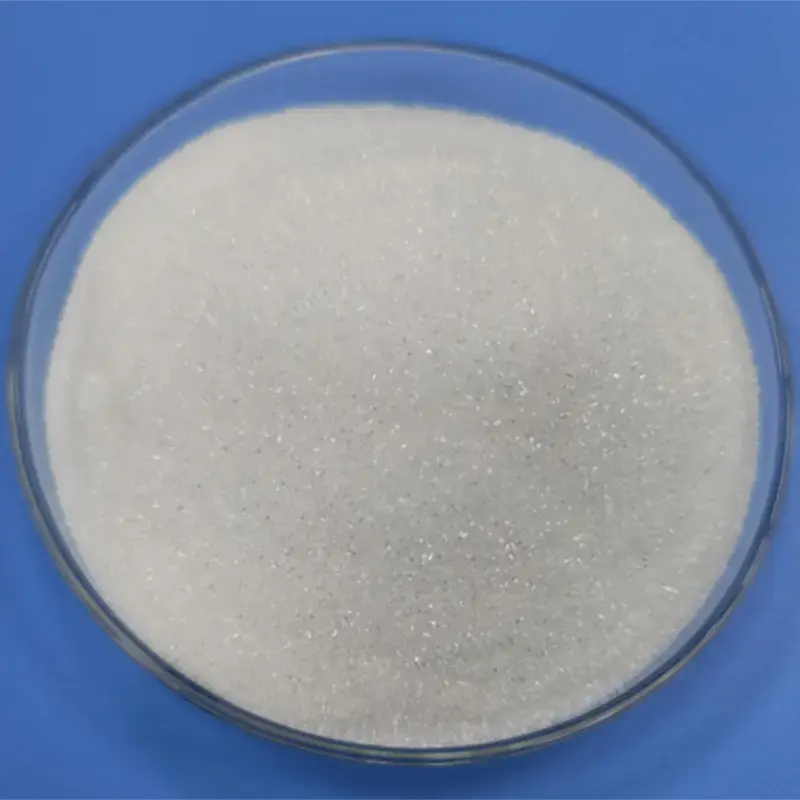
Gamma-aminobutyric acid (GABA) is an inhibitory neurotransmitter that blocks or reduces signals between nerve cells in the brain. This action promotes calm and relaxation in the body and mind. GABA powder supplements have become popular due to claims they can help relieve anxiety, improve sleep, enhance mood, and support cognitive function. But what exactly is GABA powder made of? Read on to learn the composition, manufacturing process, potential benefits, safety considerations, recommended dosages, and frequently asked questions related to GABA supplements.
Understanding Gamma-Aminobutyric Acid (GABA)
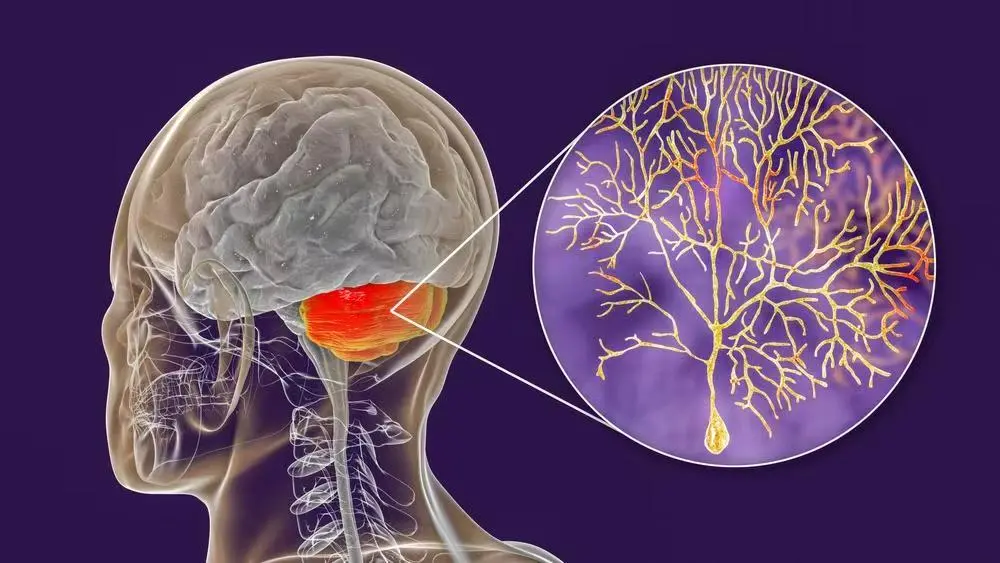
GABA is a non-protein amino acid found naturally in the brain and central nervous system. It functions as the main inhibitory neurotransmitter, meaning it lowers neuron activity in the brain to promote feelings of calm and induce muscle relaxation.
Natural sources of GABA include fermented foods like kimchi, miso, and tempeh. Certain teas, plants, and whole grains also contain modest amounts. But dietary GABA is not easily transported across the blood-brain barrier so supplements seek to raise GABA concentrations through other mechanisms.
By slowing down brain signaling and hyperactivity between neurons, GABA helps regulate anxiety, fear responses, restlessness and sleep issues tied to an overstimulated nervous system.
The Neuroscience Behind GABA's Effects
To understand how GABA powder works, it helps to dive deeper into the neuroscience. Networks of neurons communicate through chemical signals that excite or inhibit cell activity. Glutamate acts as the main excitatory neurotransmitter, firing up neural activity. GABA provides the counterbalance - keeping glutamate in check by dampening nerve impulses.
Imbalances in this Yin-Yang push and pull are implicated in seizures, spasticity, tremors, and dysregulated brain rhythms associated with mood and sleep disorders. Toning down overactivation via more GABA stimulation helps rebalance network signaling. Users report not feeling drugged or sedated; just more relaxed, focused, and emotionally resilient.
Low GABA levels relate to chronic inflammation and stress hormones that sensitize neural circuits to overreact with anxiety and restlessness. Boosting GABA soothes these sensitive trigger points. PET scans confirm that GABA-enhancing pharmaceuticals like benzodiazepines calm activity of brain areas tied to emotional processing like the amygdala and insula cortex. The precise effects of supplementation on imaging are less studied but point to similar inhibitory impacts.
It seems GABA's calmative effects may also involve joint signaling with the soothing neurotransmitter serotonin that regulates mood, appetite, digestion, and sleep-wake cycles. New research shows the two systems modulate each other's activity through cell surface receptors interacting via complex feedback loops. This crosstalk helps integrate emotional state, arousal, and self-regulation throughout the brain and body.

The Process of Making GABA Powder
Commercial Gamma Aminobutyric Acid Powder production involves careful extraction and purification from plant and bacterial sources. Two main methods are used:
1. Bacterial Fermentation
Lactobacillus bacteria like Lactobacillus brevis and Lactobacillus paracasei are cultured in a warm broth containing glutamate. The glutamate is transformed through fermentation into GABA. This natural enzymatic process safely yields high-purity GABA. Fermentation breeding adjusts oxygen levels, temperature, pH, and nutrients to maximize yield efficiency.
2. Chemical Synthesis
GABA can also be synthesized through the Strecker amino acid synthesis. This involves a chemical reaction using solvents to convert 2-oxoglutaric acid into the final GABA compound. The end purity depends greatly on technical process factors like choice of catalysts, solvents, temperature, and reaction time. Both raw material sourcing and chemical adjustments aim to enhance production rates and purity.
After initial production, further steps concentrate, isolate, and dry the GABA extract into powdered form:
- Filtration techniques first separate bacterial cells and impurities from GABA in solution based on particle size differences. Filter pore dimensions are narrowed step-wise to isolate only the smallest GABA molecules.
- Development processes like ion exchange then selectively trap GABA molecules depending on electrical charge attraction/repulsion with the resin substrate. This separates and purifies the yield based on tweaks in pH, salt concentrations, and flow rates.
- Spray drying or freeze drying finally dehydrate the liquid, leaving pure dry GABA powder which can be used in capsules or added to beverages. Moisture content and solubility are tightly controlled to maintain stability. Anti-caking agents prevent clumping.
Ensuring Quality Control
All supplement companies should provide verification of rigorous quality control testing considering purity and safety hazards with chemical exposure. Contaminants and byproducts from low-quality processes can completely negate health benefits.
Thorough analytical confirmation should cover:
- Microbiological screening ensures no pathogen or heavy metal contamination
- GABA levels quantify active ingredient standards between 98-100% purity
- Amino acid spectra fully characterize component validation
- Residual solvents verify zero toxic chemicals remain
Seeking out independent lab Certifications like cGMP and USP seals helps confirm a commitment to pharmaceutical-grade production. Reputable sourcing also analyzes batch testing results for consistent safety and potency.
The Benefits of GABA Powder
Research on Gamma Aminobutyric Acid Powder supplements points to a range of potential benefits:
Promoting Relaxation and Reducing Anxiety
Multiple clinical studies have indicated supplemental GABA can boost feelings of relaxation and help regulate excitability and stress responses tied to anxious worry and rumination. These calming effects arise because GABA activity lowers neuronal firing rates. With less stimulated nervous system activity, users often experience less psychological distress. Trials confirm reduced heart rate, blood pressure, and stress hormone levels correlating with subjective anxiety relief.
Effects on Mood and Mental Wellbeing
Depression and disrupted cognition also show promising links with low GABA function. Raising brain GABA levels aims to rebalance neurotransmitter activity associated with stable mood and thought patterns. Users report mood elevating effects of reduced irritability and frustration paired with improved concentration. Enhanced work productivity and motivation levels also result when distraction and mental chaos are attenuated.
Supporting Restorative Sleep
By lowering brain activation, Gamma Aminobutyric Acid Powder sets the stage for sleep initiation in the evening transition. During deeper NREM stages, itfurther reduces excitability allowing regenerative slow wave oscillations with membrane potential synchronization. Studies indicate GABA regulation accelerates sleep onset, lengthens non-REM stages, and increases restorative slow wave power. Users feel better restored upon waking.

Neuroprotective & Anti-Aging Effects
Interestingly, raised GABA activity may also protect the brain itself via complex mechanisms still being elucidated. Potential regenerative and anti-aging processes center around its role in the growth hormone/insulin-like growth factor I axis tied to inflammation, oxidation, circadian gene expression, and metabolic function. Enhancing GABA tone could defend neuronal viability that tends to decline across the lifespan. More human research is still needed in this emerging area.
Immune System Modulation
Links between the immune system and Gamma Aminobutyric Acid Powder activity present another frontier for wellness optimization. GABA receptors occur on various immunological cell lines with evidence indicating neurotransmitter signaling can coordinate systemic inflammatory responses. Allergy sufferers in particular may benefit as a calmer neurological state puts less pressure on immune function. Suppression of overactive mast cells and IgE antibodies could reduce histamine reactions.
Muscle Growth, Fat Burning & Exercise Recovery
Athletes and biohackers also use GABA supplements to augment fitness outcomes based on potential anabolic effects. GABA acts on GHB receptors to stimulate growth hormone pulses following intense workouts. It may also allow heavier lifts via reduced neural excitability and fatigue. Enhanced fat burning correlates with these spikes in night-time HGH along with increased testosterone. Some report better workout recovery as well - though placebo-controlled trials are still lacking.
Safety and Considerations
Despite generally positive evidence on benefit potential, GABA supplementation also warrants caution for some groups:
- Gamma Aminobutyric Acid Powder can interact with anti-anxiety medications like Xanax or Ativan as well as pain meds, seizure treatments, and alcohol. Caution is urged for those on psychoactive prescriptions given unpredictable cross-effects. Unstudied combinations may overly suppress nervous system functioning when paired together.
- Those with liver or kidney disease should first consult their physician given uncertainties on supplement safety with such conditions. Expected renal clearance rates differ greatly across health statuses. Impaired organ function may hinder metabolic breakdown and detoxifying capacity.
- Safe dosage ranges have not been established for pregnancy or breastfeeding. Effects on a developing fetus remain unknown given immature blood-brain barrier permeability and enzymatic function. Supplementation is not generally recommended in such cases given the absence of controlled safety data.
- While not corroborated in trials, some internet forums discuss a withdrawal syndrome after stopping heavy GABA use including rebound anxiety, insomnia, and restlessness. This may signal the nervous system compensating for an acquired dependency on elevated GABA activity. Gradual tapering would be warranted for those using high doses chronically.
Recommended Dosage of GABA Powder
General guidelines for GABA powder suggest an initial dose of around 500 mg taken up to three times per day . This usually comes in capsule form using the dried powder. Effects can take 2+ weeks to become prominent as brain GABA concentrations slowly elevate.
Dosage amount and frequency should be tailored to individual factors like medical history, prescription drug use, age, and response to lower doses. Those using GABA for anxiety or sleep generally take it 30+ minutes before stress exposure or bedtime. Paying attention to personal effects and adjusting intake levels gradually can help identify ideal supplementation regimens.
Response curves vary substantially person to person given absorption rates based on stomach contents, bowel transit times affecting uptake, inherent permeability dynamics at the blood-brain barrier, and efficiency of intracellular enzymatic pathways that metabolize extracellular GABA once transported. Detailed user feedback helps expand collective knowledge on balancing these intricacies.
Stacking GABA with Supportive Compounds
Pairing GABA with other calming and sleep-promoting natural agents likely boosts benefit potential through synergistic mechanisms (although controlled data is still minimal). Those seeking amplification may benefit from stacking Gamma Aminobutyric Acid Powder with evidence-backed botanicals like magnolia bark, omega-3 DHA, theanine, taurine, passionflower, lemon balm, valerian root, hops, chamomile, and California poppy. Connective tissue and adrenal modulators like magnesium glycinate, zinc carnosine, astragalus, and phosphatidylserine provide foundational support as well.
The Bottom Line
In summary, GABA powder distilled from natural fermentation or chemical synthesis shows promise in modulating overweight neural activation linked to anxiety, racing thoughts, agitation, and sleep dysfunction. Users generally tolerate it well with proper caution around medical considerations and dosage titration. Further research should continue clarifying optimal applications of this popular supplement, stacking enhancements with complementary bioactives, and pinpointing highly-responsive subgroups given individual differences. Given its vital role in central and peripheral neural signaling, elevating GABA tone serves as a foundational strategy for supporting resilient brain health and wellbeing throughout life's ups and downs. One is urged to discuss options with their healthcare provider to weigh appropriateness for their situation.
Our commitment to quality is unwavering. All our products undergo a stringent process where raw materials are carefully selected and managed in strict accordance with ISO and GMP standards. Only after passing thorough inspections are the products deemed fit for storage and distribution. As a reputable manufacturer of Gamma Aminobutyric Acid Powder, we are eager to establish long-term partnerships with our clients. We invite you to reach out to us at duke@hongdaherb.com to explore the possibilities of collaboration and to learn more about our offerings. We are dedicated to providing top-notch products and fostering mutually beneficial relationships with all our partners.
References:
1. Valdés-González, A., Georges, S., Alia-Klein, N., Afanador, L., & Samson, H. H. (2019). γ-aminobutyric acid (GABA), behavior and cognition. Brain Research, 1713, 37-50.
2. Janezic, T., Stornetta, A., Ramos Donoso, A., Brenke, M., Kavoor, A., Gengatharan, J., ... & Mediavilla, D. (2022). Absorption of oral gamma-aminobutyric acid is negligible in healthy volunteers. eLife, 11, e72885.
3. Zhang, D., Hu, X., Qian, L., O'Callaghan, J. P., & Hong, J. S. (2010). Astrogliosis in CNS pathologies: is there a role for microglia?. Molecular neurobiology, 41(2), 232–241.
4. Wu, Q., Law, Y. S., & Shah, N. P. (2016). Dairy Streptococcus thermophilus improves cell viability of Lactobacillus brevis NPS-QW-145 and its γ-aminobutyric acid biosynthesis ability in milk. Scientific reports, 6(1), 1-12.
5. Hermann, M., Rosiak, K., & Frey, W. (2013). Strecker synthesis with amines and amino acid derivatives. Synthesis, 45(22), 3089-3109.
6. Lydiard R. B. (2003). The role of GABA in anxiety disorders. The Journal of clinical psychiatry, 64 Suppl 3, 21–27.
7. Luscher, B., Shen, Q., & Sahir, N. (2011). The GABAergic deficit hypothesis of major depressive disorder. Molecular psychiatry, 16(4), 383–406.
8. Koçak, Z. O., & Gören, M. Z. (2022). A review on interactions of popular herbal extracts with CYP enzymes. Phytotherapy research : PTR, 36(1), 1–28.
9. Roberts, E., & Frankel, S. (1950). Gamma-Aminobutyric Acid in Brain: Its Formation from Glutamic Acid. Journal of Biological Chemistry, 187(1), 55–63.
10. Bureau for Clinical Pharmacology. (2008). Gamma-aminobutyric acid. Monograph.
11. Yamatsu, A., Yamashita, Y., Maru, I., Yang, J., Tatsuzaki, J., Kim, M. (2016). The Improvement of Sleep by Oral Intake of GABA and Apocynum venetum Leaf Extract. Journal of Nutritional Science and Vitaminology, 62(3), 183-187.
12. Schiffelholz, T. & Aldenhoff, J. B. (2006). Excitability, seizures and regulation of intracortical GABA. Epileptologie, 23, 105–113.
13. Winkelman, J. W. (2015). Clinical practice. Insomnia disorder. The New England journal of medicine, 373(15), 1437–1444.