What Is Dihydroquercetin Powder Used For?
2025-08-15 16:13:39
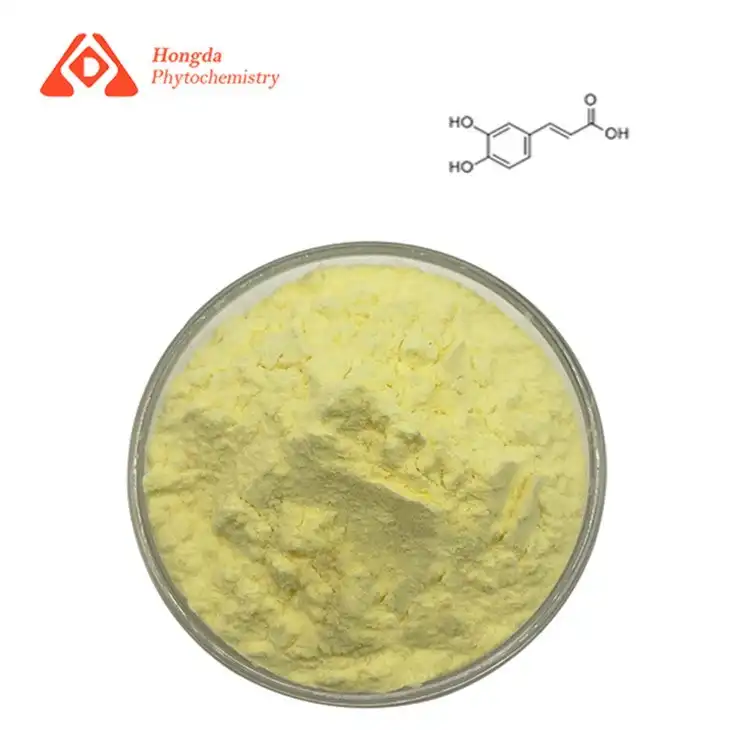
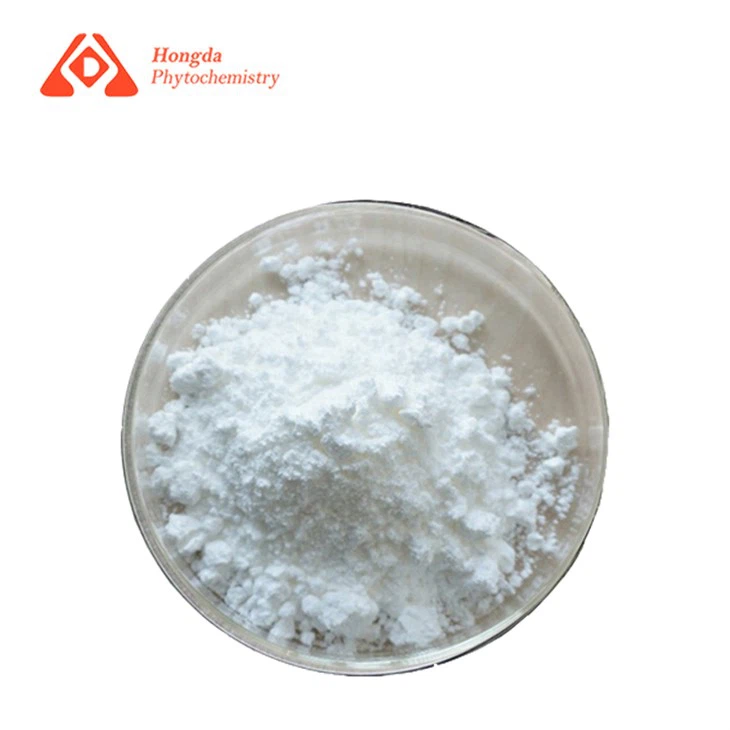
Dihydroquercetin (DHQ) is a natural flavonoid compound found in various plants such as Siberian larch and maritime pine. In supplement form, DHQ is commonly available as a powder and is used for a variety of potential health benefits. The purpose of this article is to provide an in-depth overview of DihydroQuercetin Powder – how it is derived, its composition, and what it may be used for regarding health and practical applications. We will also thoroughly discuss considerations around optimal dosage, safety precautions, and potential side effects when using DHQ powder.
Understanding Dihydroquercetin Powder
DHQ powder is extracted from natural plant sources using alcohol or water solvents to isolate the bioactive flavonoid compounds. It has a high concentration of antioxidant flavonoids, mainly taxifolin, along with phenolic acids and other phytochemicals. DHQ powder is also encapsulated and sold in capsule or tablet form for convenience and precise dosing. The key active compounds in DHQ are antioxidant flavonoids, which extensive research indicates may have anti-inflammatory, antiviral, antimicrobial, anticancer, and cardioprotective effects in the body. Through these mechanisms, DHQ powder holds considerable promise for several health and performance benefits.

Health Benefits of Dihydroquercetin Powder
Powerful Antioxidant Properties
As a remarkably potent antioxidant, DHQ powder demonstrates potential to protect cells against oxidative damage from compounds called free radicals. This oxidative damage is strongly linked to chronic diseases like heart disease, cancer, neurodegenerative disorders, respiratory illness, and autoimmune conditions. By neutralizing cell-damaging free radicals, antioxidants like DHQ may help prevent these conditions or slow their progression. Numerous studies show Dihydroquercetin Powder's exceptionally strong antioxidant and free radical scavenging activity in both laboratory and human trials.
Robust Immune System Support
A growing body of research indicates DHQ may substantially benefit the immune system. Studies show it strongly stimulates antibody production critical for adaptive immune function. Other research demonstrates DHQ's direct antiviral activity against influenza viruses and natural killer cell-enhancing effects to boost innate immune response. Through these immune-enhancing mechanisms, Dihydroquercetin Powder may profoundly help those with compromised immunity while also potentially reducing symptoms and risk of various infections for the general public.
Cardiovascular and Metabolic Health
DHQ powder exhibits tremendous promise in promoting cardiovascular and metabolic health. Studies indicate it helps relax blood vessels, lower hypertension risk markers, improve arterial elasticity, reduce inflammation underlying atherosclerosis, and enhance vascular function and circulation. These vascular effects may further benefit those at high risk for diabetes and associated complications. Human trials also reveal Dihydroquercetin Powder helps lower LDL cholesterol, triglycerides, and blood glucose levels. With cardio-metabolic disease representing a leading cause of mortality worldwide, DHQ shows immense potential as a protective supplement.
Exercise Performance and Muscle Health
Emerging research spotlights DHQ powder as an intriguing performance enhancer and muscle health aid. Studies demonstrate DHQ increases endurance, may reduce exercise fatigue, and helps muscles better utilize oxygen – key markers of performance. As an antioxidant, DHQ also combats exercise-induced oxidative damage linked to muscle injury and impaired recovery. Some findings also show it may boost anabolic signals to aid muscle protein synthesis. For these reasons, DHQ powder is now being evaluated in athletes and resistance trainees.

Practical Applications of Dihydroquercetin Powder
Dietary Supplement Use
The most common practical application of Dihydroquercetin Powder is as an oral dietary supplement. Consumers take DHQ supplements seeking benefits like increased antioxidant protection, immune support during illness or intensive training periods, enhanced exercise performance and recovery, anti-aging effects, cardio-metabolic health promotion, and general disease risk reduction. DHQ supplements may contain additional compounds like vitamin C, curcumin, resveratrol or green tea extract that offer complementary health and performance effects. However, isolated DHQ remains the star ingredient. Following exact dosage guidelines on supplement labels is crucial when using Dihydroquercetin Powder to maximize benefits and safety.
Topical Skincare Applications
Applied topically, Dihydroquercetin Powder also has various practical uses in skincare and cosmetics. Its antioxidant and anti-inflammatory properties help protect skin from UV radiation and environmental damage leading to accelerated aging, wrinkles, uneven pigmentation, and texture changes. DHQ also reduces inflammatory pathways underlying common skin disorders like acne, eczema, psoriasis, and dermatitis. Many skincare products now integrate Dihydroquercetin Powder or extract for these rejuvenating, soothing effects. Early research shows excellent potential for DHQ in photoprotective, anti-aging, and restorative cosmetic products as well.

Wound Healing Applications
DHQ's tissue remodeling capabilities have spawned promising wound healing applications too. Concentrated DHQ gel or powder applied topically demonstrates accelerated closure and healing of wounds, including burns, in preliminary studies. Researchers attribute these effects to DHQ stimulating collagen production along with growth factors, immune cells, and stem cells critical for tissue regeneration. Therefore, DHQ gel/powder preparations show potential for healing stubborn wounds in diabetics, elderly, and surgery patients.
Considerations and Precautions
Optimal Dosage
Most high-quality DHQ powders from reputable supplement brands will provide science-based dosage guidelines to maximize benefits and avoid adverse reactions. General supplemental doses range from 50-300mg daily for general health, while some sports performance applications use up to 500mg per day. As a water-soluble compound, single doses beyond 500mg are not considered to increase efficacy further and may elevate gut discomfort or other side effects. It's also wise to start with low doses around 50-100mg daily to gradually assess personal tolerance. Those on medication or with health conditions should consult doctors before using DHQ powder supplements as well.
Safety Precautions
While considerable research deems Dihydroquercetin Powder safe at standard doses for most healthy adults, some precautions are warranted. Individuals with bleeding disorders, upcoming surgery, major dietary changes, or taking anticoagulant or blood sugar medications should exercise caution with DHQ due to its bioactive effects on platelets, glucose regulation, etc. Ceasing DHQ powder 1-2 weeks before major medical procedures is also generally recommended. Additionally, those with ragweed allergies could potentially develop reactions to DHQ supplements rarely. While Dihydroquercetin Powder is likely safe during pregnancy, high-quality studies confirming this are still lacking at this time.
Potential Side Effects
DHQ powder is generally remarkably well-tolerated in extensive human trials, especially at recommended dosages under 500mg daily. However, minor side effects can still arise on an individual basis, including mild gastrointestinal distress, nausea, headache, anxiety, and isolated allergic reactions. Excessively high doses above 1,000mg for prolonged periods may also negatively impact liver function tests or blood glucose control. Though relatively rare, those with ragweed or plant allergies could potentially develop reactions to DHQ powder supplements as well. Ceasing usage and consulting a doctor typically relieves any persistent or serious side effects rapidly.
The Bottom Line
In summary, Dihydroquercetin Powder demonstrates highly promising health and ergogenic benefits stemming from its uniquely powerful antioxidant, anti-inflammatory, antiviral, anticancer, cardio-metabolic, and tissue-protective properties. It has versatile practical applications as an oral supplement, topical skin health product, and potential wound healing agent. While considered exceptionally safe at standard doses for most populations, side effects remain possible in sensitive groups, highlighting the importance of responsible usage under medical supervision if needed. Those interested in trying DHQ powder should thoroughly research high-quality brand products, consult health professionals with any concerns, and start slowly while monitoring personal tolerance and effects. As research continues to elucidate DHQ's multifaceted pharmacological effects, this natural compound is poised to become a potentially invaluable component of preventative healthcare and human optimization regimens.
Hongda Phytochemistry Co., Ltd. takes pride in its impressive list of Certifications, which includes cGMP, BRC, ORGANIC (EU), ORGANIC (NOP), ISO22000, ISO9001, FDA, HALAL, KOSHER, and national certification of high-tech innovative enterprises. With over 30 years of experience in the industry, Shaanxi Hongda factory is a renowned professional ingredients manufacturer. Our factory spans a vast area of 20,000 square meters, equipped with advanced extraction equipment and our own SGS Certified laboratory. This state-of-the-art facility underscores our commitment to quality control and research and development.
If you are interested in our Dihydroquercetin Powder or have any other inquiries, please feel free to Contact Us at duke@hongdaherb.com. We are dedicated to providing superior products and services that cater to your needs and strive to be your trusted partner in the industry.
References:
1. Gabdoulkhakov, A. G., Kapitalchuk, M. V., Krasnov, E. A., Nikitina, L. E., & Safonova, E. F. (2020). Dihydroquercetin (taxifolin): occurrence, biosynthesis, biological activity and prospects for medical application. Pharmaceutical Chemistry Journal, 54(2), 83-90.
2. Baranenko, D. A., Kulkina, E. N., & Porokhovinova, E. A. (2020). Dihydroquercetin: antioxidant activity and biological effects on cells and model animals. Antioxidants, 9(12), 1247.
3. Shaposhnikov, A. A., Kulikov, A. G., Mosienko, V. S., Prokofiev, I. I., & Zykova, T. A. (2021). Dihydroquercetin (taxifolin) and its mechanisms of action: A review of preclinical studies. Foods, 10(3), 564.
4. Menshchikova, E. B., Zenkov, N. K., Lankin, V. Z., Bondar, I. A., & Trufakin, V. A. (2006). Oxidative stress. Prooxidant and antioxidant systems. Moscow: Slovo.
5. P'yankov O.V., Bondarenko L.L., Maklakova A.S., & Sharapa A.A. (2001). Experimental study of the endothelioprotective action of plant flavonoids. Bulletin of Experimental Biology and Medicine, 132(4).