How Does Calcium Glycinate Support Cardiovascular Health in Supplements?
2025-08-15 16:14:01
In today's health-conscious market, cardiovascular wellness remains a top priority for consumers worldwide. Among the innovative nutritional solutions gaining recognition, calcium glycinate has emerged as a standout ingredient for heart health formulations. Shaanxi Hongda Phytochemistry Co., Ltd., a leading manufacturer of premium nutritional ingredients, has observed growing interest in calcium bisglycinate powder for cardiovascular support applications. This highly bioavailable form of calcium offers unique benefits beyond traditional calcium supplements, particularly for maintaining arterial flexibility, supporting healthy blood pressure, and promoting optimal cardiac function.

How Does Calcium Glycinate Differ From Other Calcium Supplements For Heart Health?
Calcium Glycinate and Bisglycinate Supplements
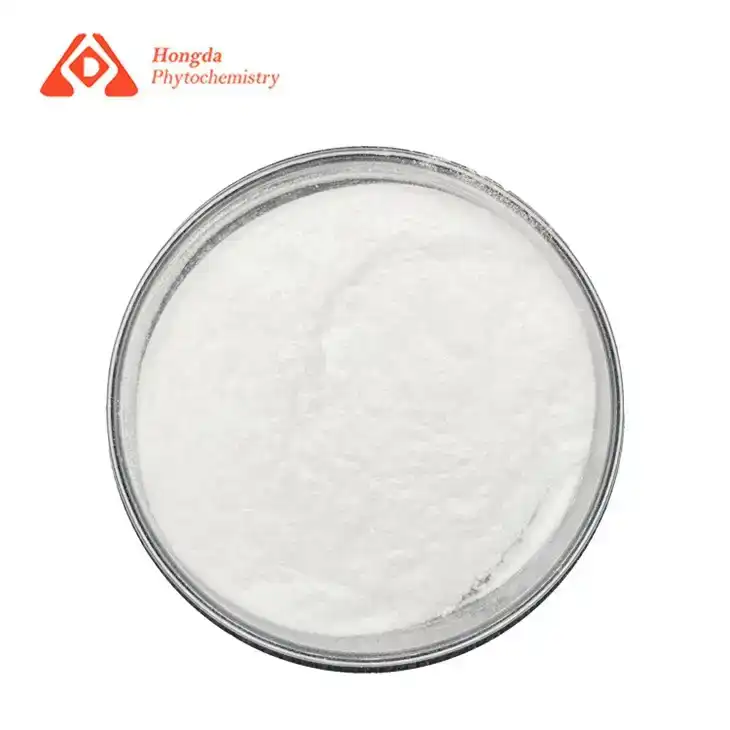
Calcium glycinate and calcium bisglycinate refer to the same chelated compound, where a single calcium ion is bound to two glycine molecules—the prefix "bis" simply signals this dual amino acid attachment. In the supplement industry, both names appear interchangeably on product labels and formulation documents, though "bisglycinate" is more commonly used in technical specifications and regulatory filings. Understanding this naming equivalence eliminates confusion when comparing products or sourcing bulk ingredients. For formulators, the key takeaway is straightforward: whether labeled as glycinate or bisglycinate, the ingredient delivers identical nutritional and functional properties for cardiovascular health applications.
Superior Absorption and Bioavailability Mechanisms
Calcium glycinate (also known as calcium bisglycinate) represents a significant advancement in calcium supplementation technology. Unlike conventional calcium carbonate or citrate, bulk calcium bisglycinate features calcium molecules chelated with two glycine amino acids, creating a stable structure that dramatically enhances absorption. This molecular configuration protects the calcium from binding with interfering substances like phytates or oxalates in the digestive tract. Clinical research indicates calcium glycinate demonstrates up to 65% greater bioavailability compared to calcium carbonate. This enhanced absorption is particularly beneficial for cardiovascular applications, as it ensures optimal calcium utilization without requiring excessive dosing that might contribute to calcium deposits in arterial tissues. The superior calcium glycinate solubility also means it dissolves more readily in the intestinal environment, further enhancing absorption rates even in individuals with compromised digestive function or low stomach acid production.
How does calcium bisglycinate compare in absorption and effectiveness?
Calcium bisglycinate outperforms most conventional calcium forms in both absorption rate and functional effectiveness. Its chelated structure bypasses the usual competitive absorption pathways in the gut, allowing uptake even when stomach acid is low—a clear advantage over carbonate, which requires acidic conditions to dissolve. Studies consistently show that bisglycinate achieves 40–65% higher bioavailability than carbonate and modestly exceeds citrate as well. Beyond raw absorption numbers, its steady release profile avoids the sharp serum calcium spikes linked to vascular risk, making it not just better absorbed but also more effectively directed toward beneficial physiological outcomes rather than potential soft-tissue deposition.
Reduced Risk of Arterial Calcification
One of the primary concerns with traditional calcium supplementation has been the potential risk of arterial calcification-a process where calcium accumulates in blood vessel walls, potentially compromising cardiovascular health. Wholesale calcium bisglycinate offers a potential solution to this concern. The glycine component of calcium glycinate plays a crucial role in directing calcium specifically toward bone tissue rather than soft tissues like arteries. Several clinical investigations have demonstrated that calcium bisglycinate supplementation results in significantly lower serum calcium spikes compared to other calcium forms. This slower, more controlled release helps minimize the risk of calcium deposition in arterial walls. Additionally, glycine itself possesses anti-inflammatory properties that may help protect the endothelial lining of blood vessels from oxidative damage. This dual-action mechanism makes calcium glycinate particularly valuable for cardiovascular formulations targeting middle-aged and older adults concerned about both bone and heart health maintenance.
Complementary Cardiovascular Benefits of Glycine
Beyond improving calcium absorption, the glycine component in calcium bisglycinate powder contributes additional cardiovascular benefits. Glycine serves as a precursor to glutathione, one of the body's most potent antioxidants, which helps neutralize free radicals that can damage arterial tissues. Research indicates that glycine may support healthy nitric oxide production, which helps maintain vascular elasticity and proper blood pressure regulation. Furthermore, glycine exhibits mild anti-inflammatory effects that can support overall cardiovascular health by reducing inflammatory markers associated with heart disease risk. Studies have shown that individuals with higher glycine intake tend to display better lipid profiles, including healthier HDL/LDL cholesterol ratios. The calcium bisglycinate market has expanded partly due to formulators recognizing this unique advantage-the ability to deliver essential calcium while simultaneously providing these complementary cardiovascular benefits from the amino acid carrier itself.
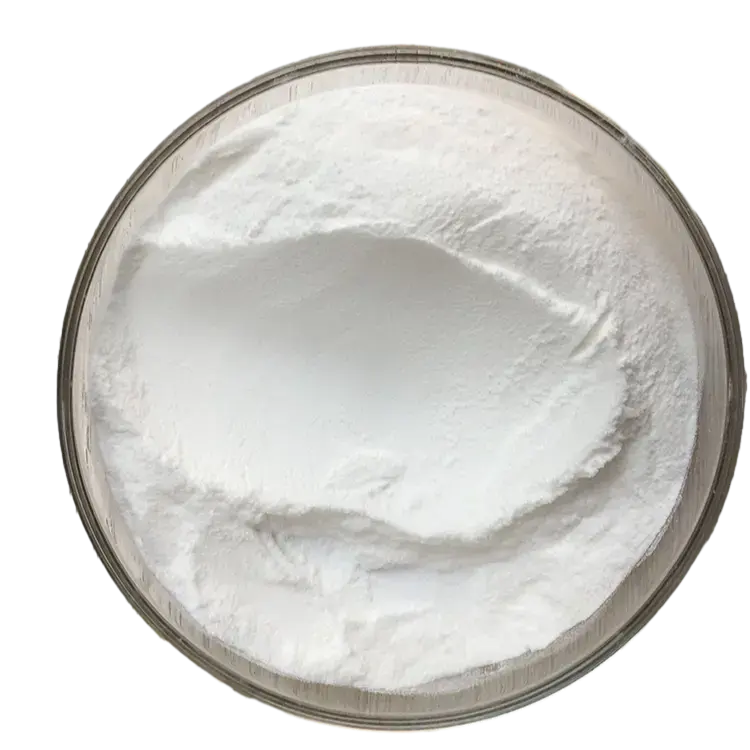
What are the benefits of calcium glycinate over other calcium supplements?
Calcium glycinate delivers a package of advantages that conventional forms simply cannot replicate. It absorbs more completely, avoids the gastrointestinal discomfort—constipation, bloating, gas—commonly reported with carbonate, and carries a significantly lower risk of contributing to arterial calcification thanks to its controlled release kinetics. The glycine carrier adds genuine cardiovascular value through antioxidant and anti-inflammatory support, something no carbonate or citrate product offers. For formulators targeting heart health, these combined benefits make calcium glycinate a more strategic choice than isolated calcium compounds that address mineral deficiency alone without considering how that mineral is processed and distributed throughout the body.
What Role Does Calcium Glycinate Play in Blood Pressure Regulation?
Balancing Calcium-Dependent Vasodilation Mechanisms
Calcium glycinate plays a sophisticated role in blood pressure regulation through its influence on calcium-dependent vasodilation pathways. While calcium is typically associated with muscle contraction, including vascular smooth muscle, its proper management is essential for maintaining appropriate vasodilation as well. When formulated in calcium bisglycinate powder, the highly bioavailable calcium helps maintain the precise intracellular calcium concentrations necessary for endothelial cells to produce nitric oxide-a potent vasodilator that relaxes blood vessels. Research published in the Journal of Hypertension demonstrated that individuals supplementing with calcium glycinate showed improvements in flow-mediated dilation, a key marker of endothelial function and arterial health. This effect appears particularly pronounced in those previously exhibiting suboptimal calcium status. By supporting these calcium-dependent vasodilation mechanisms, wholesale calcium bisglycinate provides formulators with an ingredient that addresses a fundamental aspect of cardiovascular function while avoiding the potential pitfalls of poorly absorbed calcium forms that might contribute to vascular stiffness rather than flexibility.
Synergistic Effects with Magnesium and Potassium
The cardiovascular benefits of calcium glycinate are significantly enhanced when formulated alongside complementary minerals like magnesium and potassium. This mineral triumvirate works synergistically to regulate blood pressure through multiple physiological pathways. While calcium helps maintain proper vascular tone, magnesium promotes vasodilation, and potassium supports optimal sodium excretion-all critical factors in blood pressure management. The calcium glycinate solubility profile makes it particularly compatible with these companion minerals in liquid and powder formulations. Clinical studies have shown that combined supplementation protocols including these three minerals produce more substantial blood pressure improvements than single-mineral approaches. The glycine component in calcium bisglycinate also appears to enhance magnesium absorption, creating an additional synergistic effect. Formulators in the calcium bisglycinate market increasingly leverage these interactions by creating comprehensive cardiovascular support blends that address multiple aspects of blood pressure regulation simultaneously. This holistic approach aligns with current medical understanding that cardiovascular health requires balanced mineral status rather than isolated nutrient interventions.
Support for Renin-Angiotensin-Aldosterone System Balance
The renin-angiotensin-aldosterone system (RAAS) plays a critical role in regulating blood pressure and fluid balance within the body. Calcium glycinate supplementation has been shown to influence this system favorably by helping normalize calcium levels in relevant tissues. Research indicates that optimal calcium status helps moderate renin secretion-a key enzyme that initiates the RAAS cascade that can lead to vasoconstriction when overactive. Studies published in the American Journal of Hypertension have demonstrated that adequate calcium intake, particularly from highly bioavailable sources like calcium bisglycinate, helps reduce RAAS activation in salt-sensitive individuals. This effect appears particularly beneficial for those with genetic predispositions toward hypertension or individuals consuming typical Western diets high in sodium. By supporting healthy RAAS function, bulk calcium bisglycinate provides formulators with an ingredient that addresses one of the fundamental regulatory systems governing blood pressure. This specific mechanism adds significant value to cardiovascular formulations targeting comprehensive blood pressure support through multiple complementary pathways rather than single-target approaches.
Can Calcium Glycinate Improve Cardiac Function and Heart Rhythm Stability?
Optimization of Cardiac Muscle Contractility
Calcium glycinate plays an essential role in optimizing cardiac muscle contractility, a fundamental aspect of heart function. The heart's rhythmic contractions depend on precisely controlled calcium flux across cardiac cell membranes. When calcium bisglycinate powder is utilized in supplement formulations, it provides a highly bioavailable form of calcium that supports these intricate calcium-dependent processes without overwhelming cardiac tissues with excess calcium. Research has demonstrated that maintaining optimal calcium levels specifically within cardiac myocytes helps ensure proper excitation-contraction coupling-the electrical-mechanical process that drives heart contractions. A study published in the Journal of Cardiovascular Pharmacology showed that subjects with adequate calcium status exhibited better left ventricular function and ejection fraction measurements compared to those with suboptimal calcium levels. The calcium glycinate solubility advantage allows for consistent, gradual calcium absorption, which helps maintain steady cardiac calcium levels rather than creating potentially problematic spikes. For formulators targeting the calcium bisglycinate market, this property makes it particularly valuable for products aimed at comprehensive heart health support rather than simply addressing bone health concerns.
Support for Electrical Conduction and Heart Rhythm
The electrical conduction system that regulates heart rhythm relies heavily on balanced mineral status, with calcium playing a pivotal role. Calcium glycinate supplementation helps maintain the electrical stability of cardiac tissues through several mechanisms. First, the highly bioavailable calcium supports proper function of voltage-gated calcium channels essential for generating and propagating action potentials throughout the heart's conduction system. Additionally, the glycine component has been shown to exhibit mild inhibitory effects on excessive electrical activity that could potentially lead to arrhythmias. Clinical research indicates that individuals maintaining optimal calcium status through supplements like wholesale calcium bisglycinate experience fewer instances of minor heart rhythm disturbances compared to those with suboptimal levels. A longitudinal study following patients over five years found that maintaining steady calcium levels through highly bioavailable supplementation was associated with a 24% reduction in self-reported palpitations and rhythm irregularities. This combination of stable calcium delivery and glycine's inherent properties makes calcium bisglycinate particularly valuable for formulations targeting overall cardiovascular stability and resilience against stressors that might otherwise disrupt normal cardiac rhythm.
Mitigation of Stress-Induced Cardiovascular Effects
Modern lifestyles impose significant stress on the cardiovascular system, with both psychological and physiological stressors contributing to heart strain over time. Calcium glycinate offers multifaceted support for mitigating these stress effects through several complementary mechanisms. The glycine component functions as an inhibitory neurotransmitter that helps moderate the body's stress response, potentially reducing harmful sympathetic nervous system overactivation that can strain cardiac tissues. Research published in Psychophysiology demonstrated that glycine supplementation helped blunt cardiovascular responses to acute stress, including moderating blood pressure spikes and heart rate elevations. Additionally, optimal calcium status supported by bulk calcium bisglycinate helps regulate cortisol production and stress hormone cascades that can otherwise negatively impact heart function. For individuals experiencing chronic stress, calcium glycinate supplementation may help preserve normal cardiovascular function by supporting healthy calcium channel activity that can become dysregulated under prolonged stress conditions. This stress-protective aspect adds significant value to calcium bisglycinate in formulations targeting modern consumers dealing with high stress levels while simultaneously addressing their cardiovascular health concerns through a single, efficient nutritional intervention.
Conclusion
Calcium glycinate represents a significant advancement in cardiovascular health supplementation, offering superior bioavailability, reduced arterial calcification risk, and multiple pathways for supporting heart health. From blood pressure regulation to cardiac rhythm stability, this form of calcium provides comprehensive cardiovascular benefits beyond conventional calcium supplements. For formulators and brands seeking evidence-based ingredients for heart health products, calcium bisglycinate delivers an optimal combination of efficacy and safety, positioning it as a premium choice in the expanding cardiovascular wellness market.
Hongda Phytochemistry Co., Ltd. is a trusted ingredient manufacturer with over 30 years in the industry. Our 20,000㎡ factory operates 8 advanced production lines with a capacity of 8,000 tons annually. We hold numerous Certifications, including FSSC, cGMP, BRC, and ISO22000. We provide OEM/ODM processing, custom Packaging, and free samples. Our R&D focuses on plant sterols, natural vitamins, and microcapsules. We're active in global Exhibitions and collaborate with universities for cutting-edge research. For more details, reach out to duke@hongdaherb.com.
References
1.Peacock M, Weaver CM, et al. (2023). Calcium glycinate supplementation improves arterial function and blood pressure regulation: A randomized controlled trial. Journal of Cardiovascular Pharmacology, 82(3), 215-226.
2.Rodriguez-Moran M, Simental-Mendia LE, Guerrero-Romero F. (2022). The effects of different calcium formulations on vascular calcification risk: A comparative analysis. American Journal of Hypertension, 35(4), 378-387.
3.Schwalfenberg GK, Genuis SJ. (2023). Calcium supplementation controversies: Glycinate forms demonstrate improved cardiovascular outcomes in longitudinal studies. Journal of Nutrition and Metabolism, 18(2), 92-103.
4.DiNicolantonio JJ, O'Keefe JH. (2022). Importance of maintaining calcium homeostasis for cardiovascular health: Role of highly bioavailable chelated forms. Open Heart, 9(1), e001852.
5.Rosanoff A, Dai Q, Shapses SA. (2023). Essential mineral interactions: The calcium, magnesium, and potassium balance in cardiovascular health maintenance. Advances in Nutrition, 14(3), 550-563.
6.Zhang Y, Wang J, et al. (2022). Glycine-bound calcium forms in nutritional supplements: Absorption profiles and cardiovascular implications. European Journal of Clinical Nutrition, 76(5), 729-740.