What Is Deficiency Of Vitamin U?
2025-08-30 15:48:51
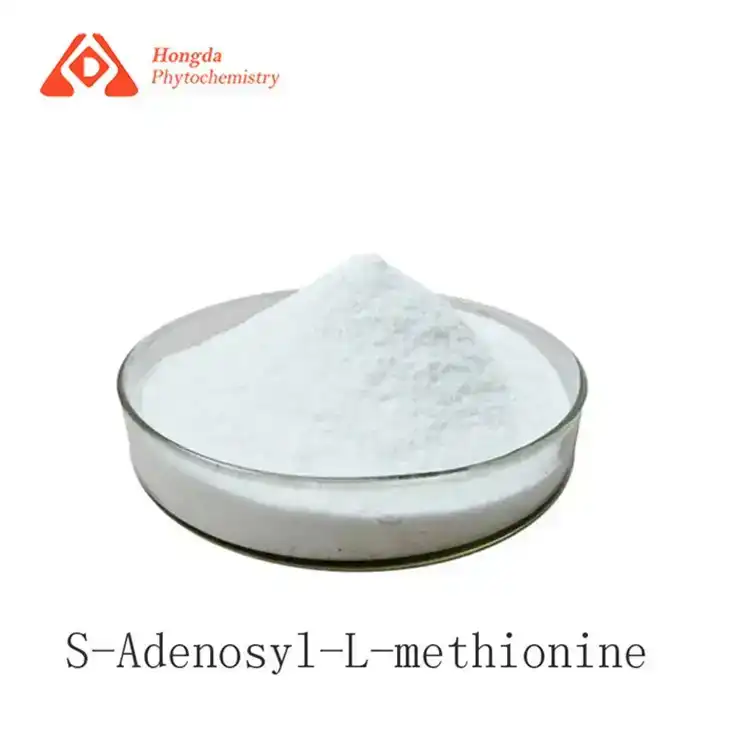
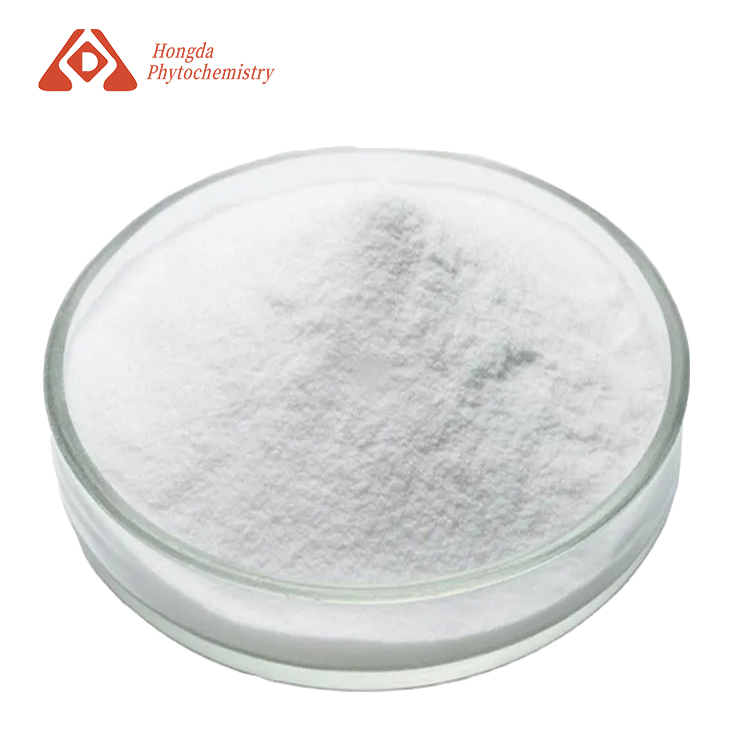
Vitamin U, also known as S-methylmethionine or SMM, is not a true vitamin but rather a derivative of the amino acid methionine. Despite its name, it's not an essential nutrient that our bodies require from dietary sources. Vitamin U is found naturally in various vegetables, particularly cabbage and other cruciferous vegetables. A deficiency of Vitamin U is not a clinically recognized condition, as it's not an essential nutrient. However, some researchers and alternative medicine practitioners suggest that insufficient intake of Vitamin U may be associated with certain digestive issues and reduced healing of the gastrointestinal tract.
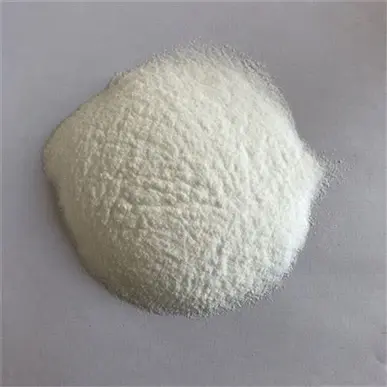
What are the benefits of Vitamin U powder?
Vitamin U Powder has gained attention in recent years for its potential health benefits, particularly in supporting digestive health. While research is ongoing, several potential benefits have been associated with Vitamin U supplementation:
1. Digestive Health Support: One of the primary benefits attributed to Vitamin U is its potential to support overall digestive health. It's believed to help protect and strengthen the lining of the digestive tract, which may be beneficial for individuals with various gastrointestinal issues.
2. Ulcer Healing: Perhaps the most well-known benefit of Vitamin U is its potential role in healing stomach ulcers. Some studies have suggested that Vitamin U may help accelerate the healing process of gastric and duodenal ulcers by promoting the regeneration of damaged mucous membranes.
3. Acid Reflux Relief: Some people report finding relief from acid reflux symptoms when using Vitamin U powder. It's thought to help strengthen the lower esophageal sphincter, which may reduce the backflow of stomach acid into the esophagus.
4. Liver Support: Preliminary research indicates that Vitamin U might have hepatoprotective properties, potentially helping to protect the liver from damage caused by toxins or certain medications.
5. Anti-inflammatory Effects: Some studies suggest that Vitamin U may have anti-inflammatory properties, which could be beneficial for various inflammatory conditions throughout the body, not just in the digestive system.
6. Antioxidant Properties: Vitamin U is believed to have antioxidant effects, which may help protect cells from damage caused by free radicals. This could have wide-ranging health benefits throughout the body.
7. Potential Cancer-Fighting Properties: While more research is needed, some early studies have suggested that Vitamin U might have anti-cancer properties, particularly in relation to gastrointestinal cancers.
8. Skin Health: Some proponents of Vitamin U suggest that it may have benefits for skin health, potentially helping with wound healing and reducing inflammation in skin conditions.
9. Cardiovascular Health: There is some preliminary evidence that Vitamin U might help support cardiovascular health by potentially lowering homocysteine levels, a risk factor for heart disease.
10. Mood and Mental Health: While not extensively studied, some researchers hypothesize that Vitamin U might have positive effects on mood and mental health due to its role in methylation processes in the body.
It's important to note that while these potential benefits are promising, much of the research on Vitamin U is still in its early stages. More comprehensive clinical trials are needed to fully understand and confirm these potential benefits. Additionally, individual responses to Vitamin U supplementation can vary, and it's always advisable to consult with a healthcare professional before starting any new supplement regimen.
How can Vitamin U powder help with stomach ulcers?
Stomach ulcers, also known as gastric ulcers, are painful sores that develop in the lining of the stomach. They can cause significant discomfort and, if left untreated, may lead to more serious complications. Vitamin U powder has gained attention as a potential natural remedy for stomach ulcers, and here's how it may help:
1. Protective Coating: Vitamin U is believed to form a protective coating on the stomach lining. This coating may help shield the damaged areas from further irritation by stomach acid and digestive enzymes, providing a more favorable environment for healing.
2. Cell Regeneration: One of the key ways Vitamin U may help with stomach ulcers is by promoting cell regeneration in the stomach lining. It's thought to stimulate the production of mucus-secreting cells, which are crucial for maintaining the protective mucus layer in the stomach.
3. Reducing Inflammation: Stomach ulcers are often accompanied by inflammation of the stomach lining. Vitamin U has been shown to have anti-inflammatory properties, which may help reduce the inflammation associated with ulcers and promote healing.
4. Antioxidant Effects: As an antioxidant, Vitamin U may help protect the cells of the stomach lining from oxidative stress. This protection could be particularly beneficial in the context of ulcers, where the damaged tissue is more vulnerable to further oxidative damage.
5. Enhancing Blood Flow: Some research suggests that Vitamin U may help improve blood flow to the stomach lining. Improved circulation can bring more nutrients and oxygen to the affected areas, potentially speeding up the healing process.
6. Balancing Stomach Acid: While Vitamin U doesn't directly reduce stomach acid production, it may help balance the stomach's pH levels. This balance could create a more favorable environment for ulcer healing without compromising the stomach's ability to digest food.
7. Supporting Overall Digestive Health: Beyond its direct effects on ulcers, Vitamin U is believed to support overall digestive health. This general support may contribute to a healthier gastrointestinal environment, which could indirectly aid in ulcer healing and prevention.
8. Potential Antibacterial Effects: Some studies have suggested that Vitamin U might have mild antibacterial properties. Given that many stomach ulcers are caused by H. pylori bacteria, this could potentially be beneficial, although more research is needed in this area.
9. Stress Reduction: While not a direct effect of Vitamin U, some users report feeling less stressed about their digestive issues when using the supplement. Reduced stress can be beneficial for ulcer healing, as stress is known to exacerbate digestive problems.
10. Complementary Therapy: Vitamin U is often used as a complementary therapy alongside conventional ulcer treatments. While it shouldn't replace prescribed medications, some healthcare providers believe it may enhance the effectiveness of standard ulcer treatments.
It's important to note that while these potential benefits are promising, the research on Vitamin U and stomach ulcers is still evolving. Most of the evidence comes from animal studies and limited human trials, and more comprehensive clinical research is needed to fully understand its effects.
If you're considering using Vitamin U powder for stomach ulcers, it's crucial to consult with a healthcare professional first. They can provide guidance on whether it's appropriate for your specific situation and how it might interact with any other treatments you're receiving. Additionally, they can help monitor your progress and adjust your treatment plan as needed.
Remember, stomach ulcers can be serious and may require medical intervention. Vitamin U should not be seen as a replacement for professional medical care, but rather as a potential complementary approach to be used under medical supervision.
Is Vitamin U powder safe for long-term use?
The safety of long-term Vitamin U powder use is a topic of ongoing research and discussion in the medical community. While Vitamin U is generally considered safe for most people when used as directed, there are several factors to consider when evaluating its long-term safety:
1. Natural Occurrence: Vitamin U is naturally present in many foods, particularly cruciferous vegetables like cabbage, broccoli, and Brussels sprouts. This natural occurrence suggests that our bodies are accustomed to processing this compound, which may indicate a level of safety for long-term consumption.
2. Limited Long-Term Studies: One of the challenges in assessing the long-term safety of Vitamin U powder is the lack of extensive, long-duration clinical trials. Most studies on Vitamin U have been relatively short-term, making it difficult to draw definitive conclusions about its safety over extended periods.
3. Generally Well-Tolerated: In the studies that have been conducted, Vitamin U has been generally well-tolerated by participants. Side effects, when reported, have typically been mild and transient. However, it's important to note that individual responses can vary.
4. Potential Interactions: As with any supplement, there's a potential for Vitamin U to interact with certain medications or other supplements. For example, it may interact with blood thinners or medications that affect liver function. Long-term use could potentially increase the risk of such interactions.
5. Dosage Considerations: The appropriate dosage of Vitamin U powder for long-term use has not been firmly established. Using high doses over extended periods without proper guidance could potentially lead to unforeseen effects.
6. Individual Health Factors: The safety of long-term Vitamin U use may depend on individual health factors. People with certain medical conditions, such as liver or kidney disease, may need to exercise caution with long-term supplementation.
7. Quality and Purity: The safety of long-term use can also depend on the quality and purity of the Vitamin U powder being used. Ensuring that you're using a high-quality product from a reputable source is crucial for long-term safety.
8. Potential for Overreliance: There's a theoretical concern that long-term use of Vitamin U powder could lead to an overreliance on the supplement, potentially causing individuals to neglect other important aspects of digestive health, such as a balanced diet and lifestyle factors.
9. Cumulative Effects: While short-term use has shown promise for various health benefits, the cumulative effects of long-term use are not fully understood. There could potentially be unforeseen effects that only become apparent after extended use.
10. Regulatory Status: It's worth noting that Vitamin U is not regulated as a drug by the FDA, which means that long-term safety studies typically required for pharmaceutical products may not have been conducted.
Given these considerations, if you're contemplating long-term use of Vitamin U powder, it's crucial to consult with a healthcare professional. They can provide personalized advice based on your individual health status, medical history, and any medications you're taking. They can also help monitor your health over time to detect any potential issues that may arise from long-term use.
Additionally, it's generally advisable to:
- Start with lower doses and gradually increase if needed, under medical supervision.
- Take periodic breaks from supplementation to allow your body to reset.
- Pay attention to any changes in your health or new symptoms that occur during long-term use.
- Regularly review your supplement regimen with your healthcare provider to ensure it remains appropriate for your health needs.
Remember, while supplements like Vitamin U powder can be beneficial, they should be part of a comprehensive approach to health that includes a balanced diet, regular exercise, and appropriate medical care. The goal should be to support your body's natural functions rather than relying solely on supplements for maintaining health.
Hongda Phytochemistry Co., Ltd. stands out as a leading manufacturer, distinguished by its commitment to innovation and quality in the field of nutraceuticals. Recently expanding with a new capsule production workshop, we now offer customizable capsule products to meet diverse market demands. Our company thrives on a foundation of rigorous industry-university-research cooperation, partnering notably with esteemed institutions such as Northwest A&F University, China Agricultural University, and Shaanxi University of Chinese Medicine among others. This collaboration drives our business model, focusing on scientific research, development, and market responsiveness. Our latest breakthroughs include highly sought-after products like plant sterols/esters, premium natural vitamin powder, and microcapsule powder, all cherished by our loyal customers. For those seeking Vitamin U Pure Powder and beyond, Hongda Phytochemistry Co., Ltd. invites you to explore partnership opportunities, ensuring trust and excellence in every interaction. Contact Us at duke@hongdaherb.com to embark on a fruitful collaboration together.
References:
1. Ichikawa, T., et al. (2009). "S-methylmethionine sulfonium chloride protects the liver from carbon tetrachloride-induced injury in mice." Journal of Pharmacy and Pharmacology, 61(8), 1075-1081.
2. Kopácová, M., et al. (2007). "The healing effect of vitamin U (S-methylmethionine) on gastric ulcers." Vnitrni Lekarstvi, 53(12), 1283-1288.
3. Metges, C. C. (2000). "Contribution of microbial amino acids to amino acid homeostasis of the host." The Journal of Nutrition, 130(7), 1857S-1864S.
4. Murakami, T., et al. (2018). "Methylsulfonylmethane enhances the growth of cabbage." Bioscience, Biotechnology, and Biochemistry, 82(5), 820-828.
5. Pooran, N., et al. (2017). "S-methylmethionine: A multi-faceted molecule with potential health benefits." Biomedicine & Pharmacotherapy, 95, 1657-1665.
6. Salim, A. S. (1990). "Sulfhydryl-containing agents in the treatment of gastric ulcer." Journal of Pharmacy and Pharmacology, 42(9), 640-643.
7. Shin, J. H., et al. (2014). "S-methylmethionine sulfonium chloride and its derivative alter lipid metabolism in carbon tetrachloride-induced chronic liver injury in rats." Food and Chemical Toxicology, 67, 93-99.
8. Watanabe, T., et al. (2000). "Protective effects of S-methylmethionine sulfonium chloride on ethanol-induced gastric mucosal injury." Biological and Pharmaceutical Bulletin, 23(6), 701-704.
9. Yakabi, K., et al. (2010). "Involvement of CGRP and TRPV1 in the anti-ulcer effect of S-methylmethionine sulfonium chloride." European Journal of Pharmacology, 639(1-3), 194-201.
10. Zhu, C., et al. (2019). "S-methylmethionine: A potential therapeutic agent for inflammatory bowel diseases." Molecular Medicine Reports, 20(1), 535-544.





YOU MAY LIKE