What Is Chitosan Powder?
2025-08-19 16:37:32
Chitosan powder is a natural polymer derived from the hard outer skeleton of shellfish, including crab, lobster, and shrimp. The chitin contained in shellfish exoskeletons is processed to produce chitosan, a versatile biomaterial with a number of industrial, medical, and nutritional applications.
As a naturally occurring substance that is biodegradable, biocompatible, and non-toxic, chitosan has drawn significant interest in recent years across diverse fields. Understanding the properties and capabilities of chitosan powder can provide key insights into how this intriguing biomaterial may continue to be utilized and developed.
What is Chitosan Powder?
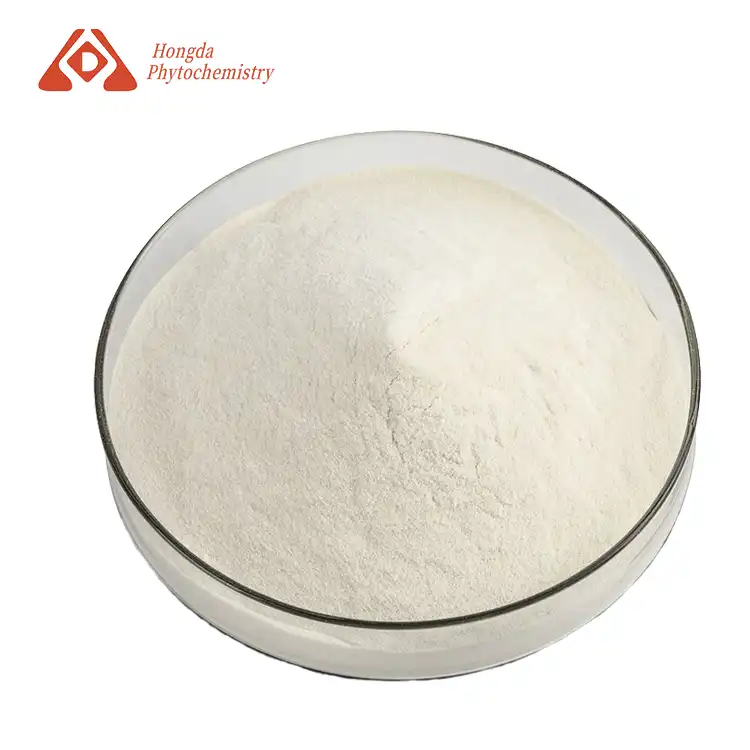
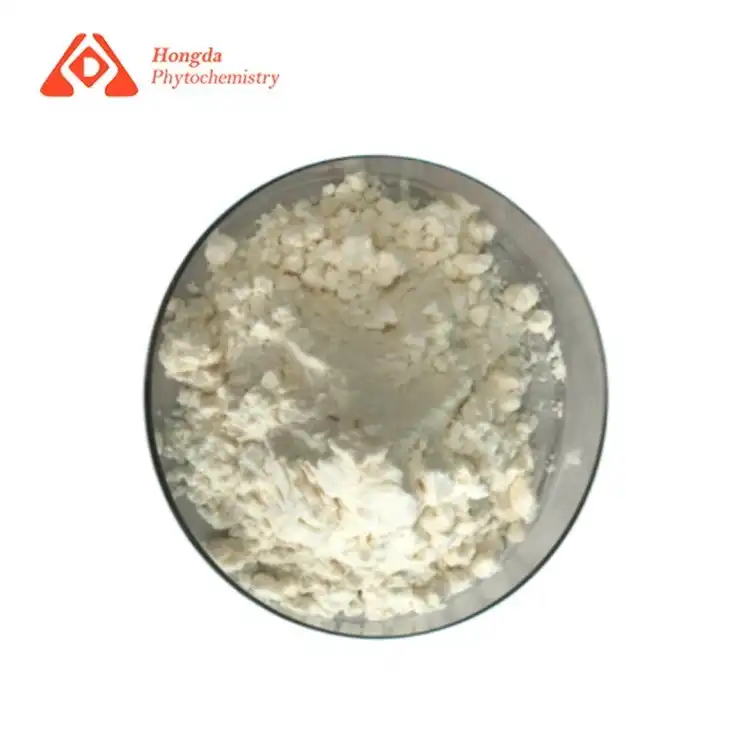
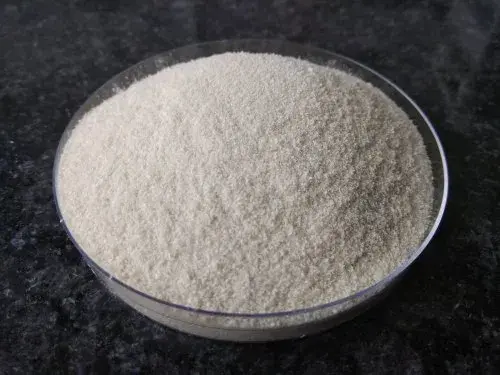
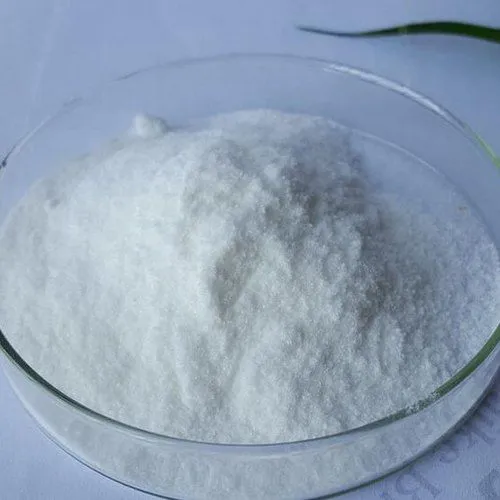
Chitosan powder is a fine, white material produced through the deacetylation of chitin, the structural element found in crustacean and arthropod exoskeletons. Chitin undergoes a chemical process to remove some acetyl groups, leaving behind amino groups to produce chitosan.
Chitosan is a linear polysaccharide composed primarily of beta-(1-4)-linked D-glucosamine units together with some N-acetyl-D-glucosamine units. Unlike plant-derived cellulose, chitosan contains positive charges which make it a bioadhesive with unique properties.
Chitosan powder can be derived from the shells of shrimps, crabs, lobsters, and krill. These crustacean shellfish are abundant sources, though some fungal species also contain chitin and can yield chitosan.
Industrial and Commercial Applications
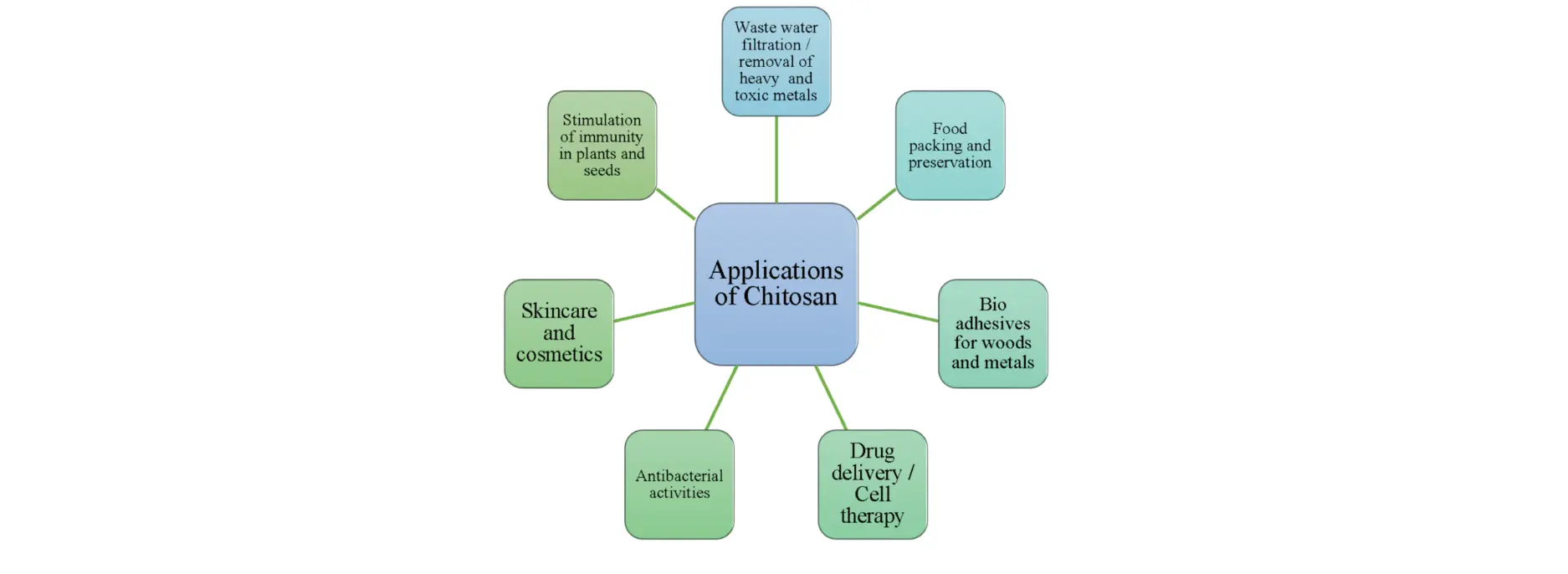
Chitosan powder has emerged as an extremely versatile biomaterial finding diverse industrial uses:
- Water Treatment - Chitosan can bind to negatively charged suspended solids, metals, and impurities in wastewater. This allows it to aid filtration processes and remove contaminants through adsorption and flocculation.
- Packaging - As a biodegradable and antimicrobial material, chitosan can form biocompatible transparent films ideal for food and beverage packaging as a replacement for plastics.
- Textiles - Chitosan is applied as an eco-friendly dyeing agent and finishing treatment for fabrics. It improves color retention and provides antimicrobial, soil-resistant properties.
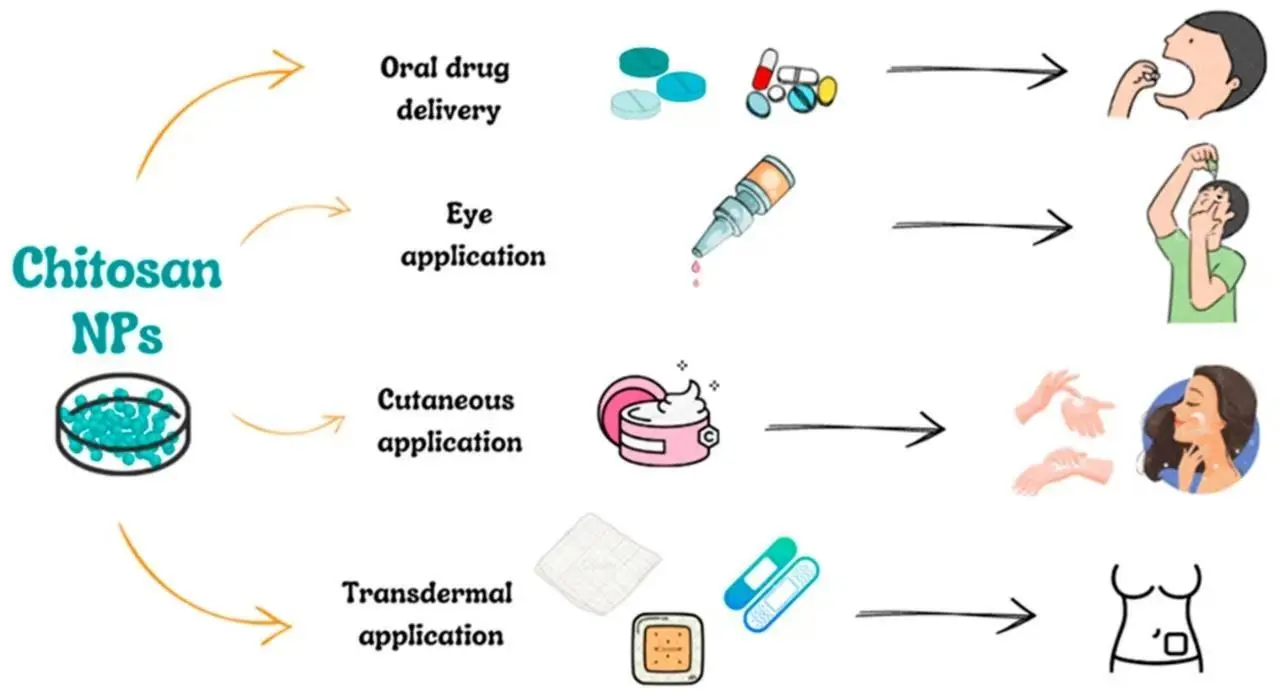
- Cosmetics - In lotions, creams, hair products, and cosmetics, chitosan applications include moisturizing, smoothing, conditioning, and antimicrobial properties.
- Pharma - Chitosan has been widely studied for pharmaceutical applications including drug delivery systems, tissue scaffolds, and wound dressings making use of its biocompatibility and healing promotion.
Health Benefits of Chitosan Powder
In addition to industrial roles, Pure Chitosan Powder is also investigated for an array of potential health benefits:
- Weight Management - Some studies indicate chitosan may bind to fat molecules in the digestive tract, preventing absorption and aiding weight loss. More research is still needed to confirm effects.
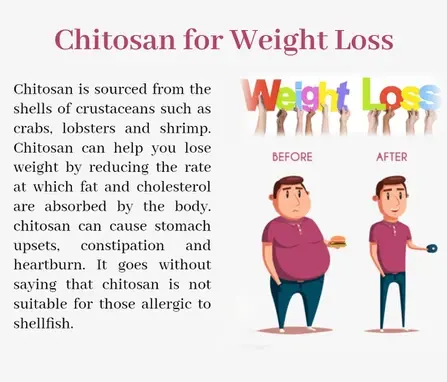
- Cholesterol - Chitosan's fat binding properties may also lower cholesterol absorption, along with beneficial effects on lipid profiles noted in some trials. However, evidence remains inconclusive.
- Wound Healing - Accelerated wound healing and enhanced cell proliferation have been demonstrated with topical chitosan. Antimicrobial properties also support tissue repair.
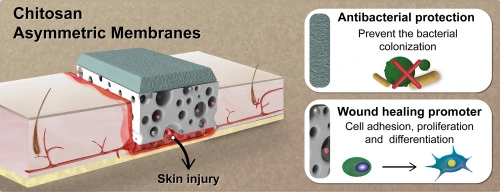
- Antimicrobial Activity - Chitosan shows a wide range of antimicrobial movement against microbes, growths, and infections. This is credited to its polycationic structure which communicates with adversely charged cell films.
- Drug Delivery - Chitosan nanoparticles and scaffolds are researched for sustained and controlled drug release applications, improving delivery while lowering required doses.
Safety Profile and Precautions
In the United States, chitosan is a food additive that is generally recognized as safe (GRAS). It is thought of as biocompatible, biodegradable, and displays low poisonousness in mammalian models.
Some potential side effects may include:
- Minor gastric upset, flatulence, constipation
- Allergic reactions in those with shellfish allergies
- Slowed blood clotting and increased risk of bleeding, especially when taken with anticoagulant drugs
As a precaution, chitosan supplements should be avoided by:
- Pregnant or nursing women
- Children and infants
- Anyone with a shellfish allergy
Patients on blood thinners or scheduled for surgery should exercise caution and consult their doctor before use.
How to Use Chitosan Powder
Chitosan powder is accessible as a mass powder or in case supplement structures. Standard supplemental dosages commonly range from 1,000 to 3,000 mg taken with no less than 8 ounces of water before a feast up to multiple times everyday.
Exact dosing varies based on the specific purpose and form being used. Chitosan powder may be incorporated into some foods like shakes and smoothies. It should be taken on an empty or mostly empty stomach approximately 30-60 minutes before meals for purported weight management benefits.
Prolonged use beyond 12 weeks is not generally recommended without medical supervision. It is also prudent to maintain adequate hydration while using chitosan.
Current Research and Future Directions
A growing body of research continues to reveal new properties and applications for chitosan:
- Late work shows the capacity of chitosan particles to convey numerous immunizations in a single shot, expanding viability.
- Chitosan has been chemically modified to improve its mucoadhesive properties for better drug delivery through mucous membranes.
- Gels and films made with chitosan show promise for tissue regeneration purposes and internal hemostatic wound dressings.
- Ongoing research seeks to further develop chitosan for waste water remediation, antimicrobial surfaces, and biomedical implants.
- Genetically engineered microorganisms are being explored as potential chitosan production systems to increase sustainable and cost-effective yields.
Conclusion
Chitosan is an interesting biomaterial with qualities that loan themselves to assorted applications across numerous businesses. From environmental water treatment answers for arising drug conveyance stages, chitosan keeps on being the subject of dynamic innovative work.
While certain nutritional and health benefits show promising preliminary findings but remain unconfirmed, the versatility and bioactivity of chitosan will likely continue driving innovation for years to come. With expanded techniques for manufacturing and modifying chitosan, this natural polymer has the potential to play an increasing role in supporting more sustainable industries and medical technologies.
Hongda Phytochemistry Co., Ltd. takes pride in its impressive list of Certifications, which includes cGMP, BRC, ORGANIC (EU), ORGANIC (NOP), ISO22000, ISO9001, FDA, HALAL, KOSHER, and national certification of high-tech innovative enterprises. With over 30 years of experience in the industry, Shaanxi Hongda factory is a renowned professional ingredients manufacturer. Our factory spans a vast area of 20,000 square meters, equipped with advanced extraction equipment and our own SGS Certified laboratory. This state-of-the-art facility underscores our commitment to quality control and research and development.
If you are interested in our chitosan powder bulk or have any other inquiries, please feel free to Contact Us at duke@hongdaherb.com. We are dedicated to providing superior products and services that cater to your needs and strive to be your trusted partner in the industry.
References
1. Ahmed, T. A., and B. M. Aljaeid Planning, portrayal, and possible use of chitosan, chitosan subordinates, and chitosan metal nanoparticles in drug conveyance. Drug plan, advancement and treatment, 10, 483.
2. Run, M., Chiellini, F., Ottenbrite, R. M., and Chiellini, E. (2011). Chitosan - A flexible semi-engineered polymer in biomedical applications. Progress in polymer science, 36(8), 981-1014.
3. Khan, T. A., Peh, K. K., and Ch'ng, H. S. (2002). Chitosan deacetylation values should be reported as follows: the impact of logical strategies. Diary of Drug store and Drug Sciences, 5(3), 205-212.
4. Mourya, V. K., Inamdar, N. N., and Choudhari, Y. M. (2011). Chitosan-alterations and applications: Amazing open doors in abundance. 71(3): 344-366 in Reactive and Functional Polymers.
5. No, H. K., Park, N. Y., Lee, S. H., and Meyers, S. P. (2002). Antibacterial action of chitosans and chitosan oligomers with various atomic loads. 65-72 in 74(1) of the International Journal of Food Microbiology.
6. Prabaharan, M., and Mano, J. F. (2005). Particles made of chitosan as controlled drug delivery systems Drug conveyance, 12(1), 41-57.
7. Rinaudo, M. (2006). The chitosan and chitin: properties and applications. Progress in polymer science, 31(7), 603-632.
8. Shahidi, F., Arachchi, J. K. V., and Jeon, Y. J. (1999). Food utilizations of chitin and chitosans. Patterns in Food Science and Innovation, 10(2), 37-51.
9. Synowiecki, J., and Al-Khateeb, N. A. (2003). Creation, properties, and a few new utilizations of chitin and its subordinates. 43(2), pp. 145–171 in Critical Reviews in Food Science and Nutrition.
10. Tokura, S., Ueno, K., Miyazaki, S., and Nishi, N. (1997). Chitosan's molecular weight-dependent antimicrobial activity In Macromolecular symposia (Vol. 120, No. 1, pp. 1-9). Weinheim: Wiley-VCH.