What Does Inositol Do For Female Hormones?
2025-08-18 10:25:09
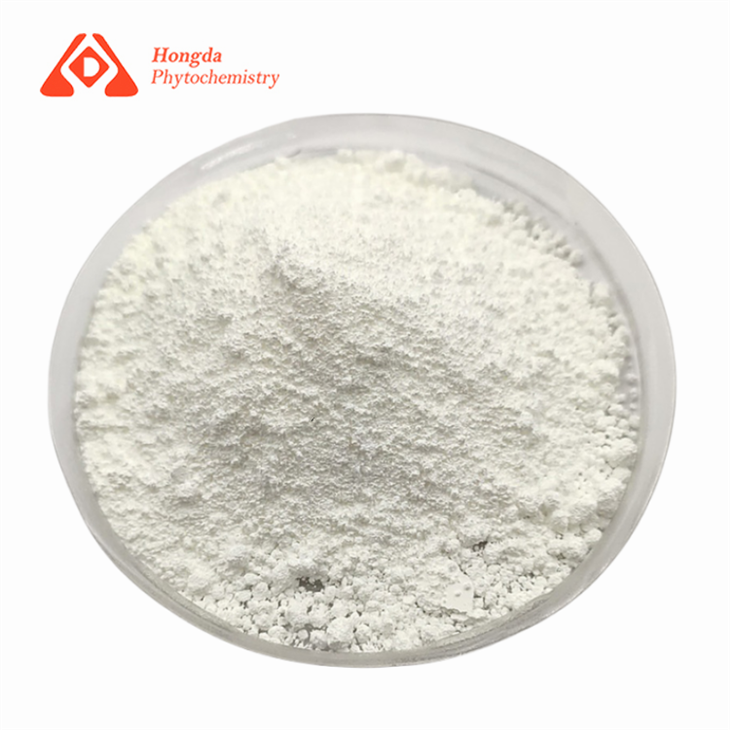
Inositol powder has emerged as a natural and effective solution for addressing a wide range of hormonal imbalances in women. As an essential nutrient, inositol plays a crucial role in maintaining the delicate balance of female hormones, which can have a profound impact on overall reproductive health and well-being. In this comprehensive blog post, we'll explore the myriad ways in which inositol powder can benefit women, from regulating menstrual cycles to improving fertility and pregnancy outcomes.
How Does Inositol Powder Regulate Menstrual Cycles?
Menstrual irregularities can be a significant source of discomfort and frustration for many women. Inositol powder has been shown to be highly effective in addressing these issues. As a key component of the second messenger system, inositol helps to regulate the production and utilization of various hormones, including follicle-stimulating hormone (FSH), luteinizing hormone (LH), and insulin.
By enhancing insulin sensitivity and reducing insulin resistance, inositol powder can help to normalize the menstrual cycle, alleviate symptoms of premenstrual syndrome (PMS), and even reduce the severity of menstrual cramps. Studies have demonstrated that women who supplement with inositol powder experience more regular and predictable menstrual cycles, with a reduction in the duration and flow of their periods.
Furthermore, inositol powder has been found to be particularly beneficial for women with polycystic ovary syndrome (PCOS), a condition characterized by hormonal imbalances and irregular menstrual cycles. By addressing the underlying metabolic and hormonal imbalances associated with PCOS, inositol powder can help to restore regular ovulation and menstruation, ultimately improving the overall reproductive health of affected individuals.

Can Inositol Powder Help Manage Polycystic Ovary Syndrome (PCOS)?
Polycystic ovary syndrome (PCOS) is a complex endocrine disorder that affects a significant number of women worldwide. Characterized by a hormonal imbalance, PCOS can lead to a range of symptoms, including irregular menstrual cycles, acne, excessive hair growth, and difficulty conceiving. Inositol powder has emerged as a promising natural treatment option for managing the symptoms of PCOS and addressing the underlying metabolic and hormonal imbalances.
One of the primary mechanisms by which inositol powder benefits women with PCOS is by improving insulin sensitivity. PCOS is often accompanied by insulin resistance, which can contribute to the development of other metabolic disorders, such as type 2 diabetes. By enhancing the body's ability to utilize insulin effectively, inositol powder can help to reduce the risk of these comorbidities and alleviate the symptoms of PCOS.
In addition to its effects on insulin sensitivity, inositol powder has been shown to have a positive impact on the regulation of reproductive hormones in women with PCOS. Studies have demonstrated that supplementation with inositol powder can help to normalize the levels of luteinizing hormone (LH) and follicle-stimulating hormone (FSH), both of which are crucial for the proper functioning of the ovaries and the maintenance of regular menstrual cycles.
Furthermore, inositol powder has been found to be effective in reducing the production of androgen hormones, such as testosterone, which can contribute to the development of symptoms like acne and hirsutism (excessive hair growth) in women with PCOS. By restoring hormonal balance, inositol powder can help to alleviate these distressing side effects and improve the overall quality of life for individuals living with this condition.

What Are the Benefits of Inositol Powder for Fertility and Pregnancy?
Inositol powder has also been the focus of extensive research regarding its potential benefits for fertility and pregnancy outcomes. As an essential nutrient, inositol plays a crucial role in the development and function of the reproductive system, making it a valuable supplement for women who are trying to conceive or who are already pregnant.
One of the primary ways in which inositol powder can enhance fertility is by improving egg quality and ovarian function. Studies have shown that women with PCOS who supplemented with inositol powder experienced an increase in the number of mature, high-quality eggs available for fertilization, as well as an improvement in the overall functionality of their ovaries. This can translate to a higher likelihood of successful conception, whether through natural means or assisted reproductive technologies.
Moreover, inositol powder has been found to be beneficial for women undergoing in vitro fertilization (IVF) treatment. By improving the responsiveness of the ovaries to stimulation protocols and enhancing the quality of the embryos produced, inositol powder has been associated with higher rates of successful implantation and pregnancy outcomes in women undergoing IVF.
During pregnancy, inositol powder can also play a crucial role in supporting the health and development of the fetus. Inositol is involved in the formation of the neural tube, which later develops into the brain and spinal cord. By ensuring adequate levels of inositol during the critical early stages of pregnancy, women can help to reduce the risk of neural tube defects, such as spina bifida and anencephaly.
Additionally, inositol powder has been studied for its potential benefits in the management of gestational diabetes, a condition that can arise during pregnancy and increase the risk of complications for both the mother and the baby. By improving insulin sensitivity and regulating blood sugar levels, inositol powder may help to reduce the severity of gestational diabetes and improve overall pregnancy outcomes.
Conclusion
In conclusion, inositol powder has emerged as a powerful and versatile solution for addressing a wide range of hormonal imbalances and reproductive health concerns in women. From regulating menstrual cycles and managing PCOS to enhancing fertility and supporting healthy pregnancies, this essential nutrient has the potential to significantly improve the quality of life for women at various stages of their reproductive journey.
By incorporating inositol powder into their healthcare regimen, women can take a proactive approach to maintaining hormonal balance and optimizing their overall reproductive health. As with any supplement or medication, it is essential to consult with a healthcare professional to ensure the safe and appropriate use of inositol powder, particularly for individuals with pre-existing medical conditions or those who are undergoing fertility treatments or pregnancy.
Hongda Phytochemical Co., Ltd. distinguishes itself in the nutritional supplement industry with a robust array of competitive advantages. Our extensive participation in prestigious global Exhibitions including CPHI Europe, Vitafoods International, FIE (Food Ingredients Europe), FFFI (Functional Food and Health Food Expo), and SSE in America underscores our commitment to innovation and market leadership. Specializing in OEM/ODM processing, we offer tailored solutions to meet diverse client requirements.
At Hongda Phytochemistry Co., Ltd., quality is paramount. Our products, such as Bulk Inositol Powder, undergo rigorous screening from raw materials to final production, ensuring compliance with stringent ISO and GMP standards. Only after passing comprehensive inspections are our products approved for storage and distribution. We invite prospective partners to reach out to us at duke@hongdaherb.com to explore collaborative opportunities. Trust Hongda Phytochemistry Co., Ltd. as your dependable partner in delivering high-quality nutritional supplements worldwide.
References:
1. Unfer, V., Nestler, J. E., Kamenov, Z. A., Prapas, N., & Facchinetti, F. (2016). Effects of inositol(s) in women with PCOS: a systematic review of randomized controlled trials. International Journal of Endocrinology, 2016, 1849162.
2. Ravanos, K., Monastra, G., Pavlidou, T., Goudakou, M., & Prapas, N. (2017). Can high levels of D-chiro-inositol in follicular fluid exert detrimental effects on blastocyst quality? European Review for Medical and Pharmacological Sciences, 21(23), 5491-5498.
3. Sortino, M. A., Salomone, S., Carruba, M. O., & Drago, F. (2017). Polycystic Ovary Syndrome: Insights into the Therapeutic Approach with Inositols. Frontiers in Pharmacology, 8, 341.
4. Lagana, A. S., Vitagliano, A., Noventa, M., Vaiarelli, A., Cocomello, L., Ambrosini, G., & Vitale, S. G. (2018). myo-Inositol supplementation reduces the amount of gonadotropins and length of ovarian stimulation in women undergoing IVF: a systematic review and meta-analysis of randomized controlled trials. Archives of Gynecology and Obstetrics, 298(4), 677-686.
5. Zheng, X., Zheng, X., Wang, Y., Song, X., Zhang, Y., Ma, H., & Wang, X. (2017). Inositol for the prevention of neural tube defects: a systematic review of the literature. Nutrients, 9(9), 989.
6. D'Anna, R., Santamaria, A., Alibrandi, A., Bernando, A. D., Facchinetti, F., & Corrado, F. (2019). Myo-inositol for the prevention of gestational diabetes mellitus. The Journal of Maternal-Fetal & Neonatal Medicine, 32(16), 2665-2670.
7. Unfer, V., Facchinetti, F., Orrù, B., Giordani, B., & Nestler, J. (2017). Myo-inositol effects in women with PCOS: a meta-analysis of randomized controlled trials. Endocrine Connections, 6(8), 647-658.
8. Bizzarri, M., & Carlomagno, G. (2014). Inositol: history of an effective therapy for Polycystic Ovarian Syndrome. European Review for Medical and Pharmacological Sciences, 18(13), 1896-1903.
9. Bevilacqua, A., Bizzarri, M., & Palombo, A. (2015). Inositol and obesity. Medicinal Chemistry, 11(8), 854-866.
10. Nordio, M., & Proietti, E. (2012). The combined therapy with myo-inositol and D-chiro-inositol reduces the risk of metabolic disease in PCOS overweight patients compared to D-chiro-inositol supplementation alone. European Review for Medical and Pharmacological Sciences, 16(5), 575-581.