What Does Biotin Powder Do?
2025-08-14 16:18:46
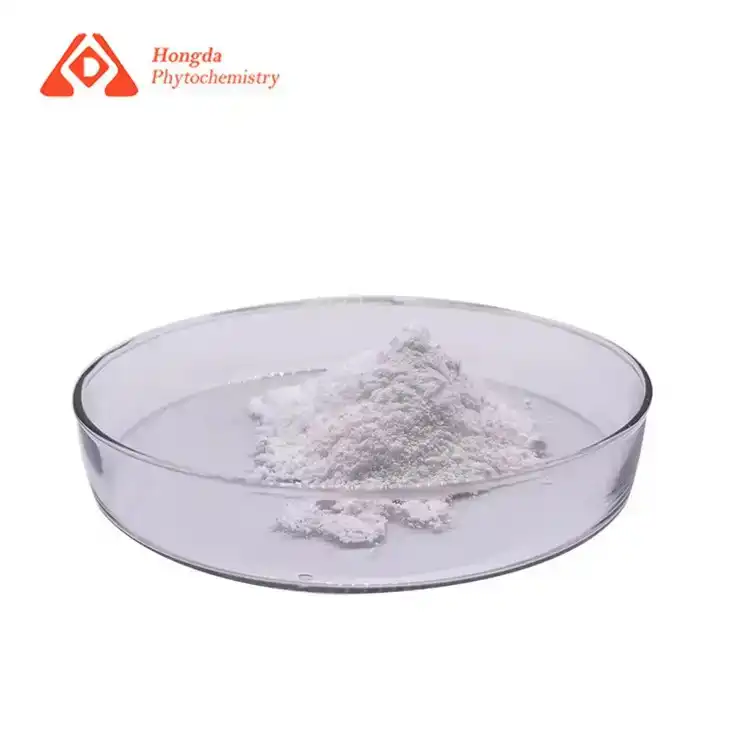
Biotin powder, also known as vitamin B7 or vitamin H, is a water-soluble B-complex vitamin that plays a crucial role in various bodily functions. This essential nutrient is involved in metabolizing fats, carbohydrates, and proteins, as well as promoting healthy hair, skin, and nails. Biotin powder has gained popularity as a dietary supplement due to its potential benefits for overall health and beauty. In this blog post, we'll explore the functions and advantages of biotin powder, addressing some common questions and concerns.

What are the benefits of taking pure biotin powder?
Pure biotin powder offers numerous benefits for those looking to improve their overall health and appearance. One of the primary advantages is its positive impact on hair, skin, and nail health. Biotin is often referred to as the "beauty vitamin" due to its ability to promote strong, healthy hair growth and improve the appearance of skin and nails.
For hair health, biotin helps in the production of keratin, a protein that forms the structure of hair strands. This can lead to stronger, thicker hair and may help reduce hair loss or thinning. Many people report increased hair growth and improved texture after incorporating biotin supplements into their routine.
When it comes to skin health, biotin plays a role in maintaining healthy skin cells and promoting a clear, radiant complexion. It helps in the metabolism of fatty acids, which are essential for maintaining skin moisture and preventing dryness. Some studies suggest that biotin may also help in managing certain skin conditions, such as acne or eczema, although more research is needed in this area.
Nail health is another area where biotin shines. It helps strengthen brittle nails and promotes nail growth. Many people who struggle with weak or easily breakable nails find that biotin supplements can make a significant difference in the strength and appearance of their nails.
Beyond its beauty benefits, biotin is crucial for various metabolic processes in the body. It acts as a coenzyme in several important reactions, particularly in the metabolism of fats, carbohydrates, and proteins. This makes biotin essential for energy production and overall cellular function.
Biotin also plays a role in maintaining healthy blood sugar levels. It helps in the metabolism of glucose and may improve insulin sensitivity, which is particularly beneficial for people with diabetes or those at risk of developing the condition.
Additionally, biotin is important for brain function and nervous system health. It aids in the production of neurotransmitters, which are chemicals that help transmit signals in the brain. Some research suggests that biotin may help improve cognitive function and reduce the risk of certain neurological disorders.
How much pure biotin powder should I take daily?
Determining the appropriate dosage of pure biotin powder can be a bit tricky, as individual needs may vary based on factors such as age, gender, overall health, and specific health goals. However, there are general guidelines that can help you determine a safe and effective dosage.
The recommended daily intake (RDI) for biotin in adults is typically around 30 micrograms (mcg) per day. This amount is usually sufficient to meet the basic needs of most healthy individuals. However, many biotin supplements, including pure biotin powder, often contain much higher doses, ranging from 1,000 to 10,000 mcg per day.
It's important to note that while biotin is generally considered safe, even at higher doses, there isn't enough scientific evidence to establish an upper limit for biotin intake. This means that while toxicity is rare, it's always best to consult with a healthcare professional before starting any new supplement regimen, especially if you're considering high doses.
For those looking to address specific concerns such as hair loss, brittle nails, or skin issues, higher doses of biotin are often recommended. Many studies investigating the effects of biotin on hair, skin, and nail health have used doses ranging from 2,500 to 5,000 mcg per day. Some healthcare providers may even recommend doses up to 10,000 mcg daily for certain conditions.
When using pure biotin powder, it's crucial to measure your dosage accurately. Many pure biotin powders come with a small scoop or spoon to help with measurement. Always follow the manufacturer's instructions or your healthcare provider's recommendations for dosing.
It's also worth noting that biotin absorption can be affected by other factors. For example, consuming raw egg whites regularly can interfere with biotin absorption, as they contain a protein called avidin that binds to biotin and prevents its absorption in the intestines. Cooking the egg whites denatures the avidin, eliminating this issue.
While biotin is water-soluble and excess amounts are typically excreted in urine, it's still important to start with a lower dose and gradually increase it if needed. This approach allows you to monitor your body's response and adjust accordingly.
Remember that consistency is key when taking biotin supplements. It may take several months of regular use before you notice significant improvements, especially in hair and nail growth. Keep a record of your dosage and any changes you observe to help determine the most effective amount for your individual needs.

Can pure biotin powder cause side effects?
While pure biotin powder is generally considered safe for most people, it's important to be aware of potential side effects and interactions. Although adverse reactions are rare, some individuals may experience certain side effects or complications when taking biotin supplements, especially in high doses.
One of the most common concerns with biotin supplementation is its potential to interfere with certain laboratory tests. High doses of biotin can cause falsely high or falsely low results in various blood tests, including those for thyroid function, heart health, and hormone levels. This interference can lead to misdiagnosis or improper treatment if healthcare providers are unaware of a patient's biotin supplementation. If you're taking biotin and need to undergo any blood tests, it's crucial to inform your healthcare provider about your supplement use. They may advise you to stop taking biotin for a few days before the test to ensure accurate results.
Some people may experience mild gastrointestinal symptoms when taking biotin supplements, including nausea, cramping, or diarrhea. These symptoms are usually temporary and often resolve as your body adjusts to the supplement. If these symptoms persist or worsen, it's best to consult with a healthcare provider.
In rare cases, biotin supplementation may cause skin rashes or acne breakouts in some individuals. This is somewhat ironic given that biotin is often touted for its skin benefits. If you notice any unusual skin changes after starting biotin supplements, discontinue use and consult with a dermatologist or healthcare provider.
While biotin is generally considered safe during pregnancy and breastfeeding, high doses should be avoided unless recommended by a healthcare provider. There isn't enough research to confirm the safety of high-dose biotin supplementation during these periods.
It's also worth noting that biotin can interact with certain medications. For example, it may interfere with the effectiveness of some anticonvulsant medications used to treat epilepsy. If you're taking any medications, it's important to discuss biotin supplementation with your healthcare provider to avoid potential interactions.
Some people may be concerned about the potential for biotin overdose. However, because biotin is water-soluble, excess amounts are typically excreted in urine. This makes biotin toxicity extremely rare. That being said, taking unnecessarily high doses of any supplement is not recommended without medical supervision.
Another consideration is the quality and purity of the biotin powder you're using. Always choose supplements from reputable manufacturers who follow good manufacturing practices (GMP). Poor quality supplements may contain contaminants or inconsistent amounts of biotin, which could potentially cause adverse effects.
Lastly, while not a side effect per se, it's important to note that biotin supplementation is not a magic solution for all hair, skin, and nail problems. If you're experiencing significant issues in these areas, it's essential to consult with a healthcare provider to rule out underlying health conditions that may be causing these problems.
In conclusion, while pure biotin powder can offer numerous benefits and is generally safe for most people, it's not without potential side effects and considerations. As with any supplement, it's best to approach biotin use with caution and under the guidance of a healthcare professional. By being aware of these potential side effects and taking appropriate precautions, you can maximize the benefits of biotin supplementation while minimizing any risks.
Hongda Phytochemistry Co., Ltd. operates 8 advanced production lines with a daily output of 10 tons and an annual capacity of 8000 metric tons. Our company employs approximately 200 staff members across departments including Production, Packaging, Procurement, Logistics, Quality Assurance, Sales, Operations, and Finance. We adhere strictly to ISO and GMP standards throughout our production processes, starting from rigorous raw material selection to final inspection and warehouse entry upon passing quality checks.
We offer OEM/ODM processing and specialize in direct manufacturing, accommodating custom production and packaging requirements. Committed to quality assurance, our products are supported by comprehensive testing reports and Certifications. We also provide free samples upon request. For further inquiries or interest in our offerings as a professional Biotin Bulk Powder Manufacturer, please Contact Us at duke@hongdaherb.com.
References:
1. Patel, D. P., Swink, S. M., & Castelo-Soccio, L. (2017). A Review of the Use of Biotin for Hair Loss. Skin Appendage Disorders, 3(3), 166-169.
2. Zempleni, J., Hassan, Y. I., & Wijeratne, S. S. (2008). Biotin and biotinidase deficiency. Expert Review of Endocrinology & Metabolism, 3(6), 715-724.
3. Lipner, S. R. (2018). Rethinking biotin therapy for hair, nail, and skin disorders. Journal of the American Academy of Dermatology, 78(6), 1236-1238.
4. Trueb, R. M. (2016). Serum Biotin Levels in Women Complaining of Hair Loss. International Journal of Trichology, 8(2), 73-77.
5. Kummer, S., Hermsen, D., & Distelmaier, F. (2016). Biotin Treatment Mimicking Graves' Disease. New England Journal of Medicine, 375(7), 704-706.
6. Mock, D. M. (2017). Biotin: From Nutrition to Therapeutics. Journal of Nutrition, 147(8), 1487-1492.
7. Soleymani, T., Lo Sicco, K., & Shapiro, J. (2017). The Infatuation With Biotin Supplementation: Is There Truth Behind Its Rising Popularity? A Comparative Analysis of Clinical Efficacy versus Social Popularity. Journal of Drugs in Dermatology, 16(5), 496-500.
8. Baumgartner, E. R., & Suormala, T. (1997). Multiple carboxylase deficiency: inherited and acquired disorders of biotin metabolism. International Journal for Vitamin and Nutrition Research, 67(5), 377-384.
9. Said, H. M. (2019). Biotin: The Forgotten Vitamin. American Journal of Clinical Nutrition, 109(6), 1643-1644.
10. Crofts, T. S., Seth, E. C., Hazra, A. B., & Taga, M. E. (2013). Cobamide Structure Depends on Both Lower Ligand Availability and CobT Substrate Specificity. Chemistry & Biology, 20(10), 1265-1274.