What AreThe Symptoms Of Gamma Aminobutyric Acid Deficiency?
2025-08-30 16:09:33
Gamma aminobutyric acid, commonly known as GABA, is an inhibitory neurotransmitter in the brain. Neurotransmitters are chemicals that nerve cells use to communicate with each other. As an inhibitory neurotransmitter, GABA reduces nerve cell activity and prevents overstimulation in the nervous system. Normal GABA function is essential for various brain and bodily processes like regulating mood, reducing stress and anxiety, promoting restful sleep, preventing seizures, managing pain perception, controlling muscle tone and movement, aiding memory formation, influencing appetite and digestion, regulating heart rate and blood pressure, and more.
What is GABA Deficiency?
GABA deficiency refers to abnormally low levels of GABA in the brain and body. This can happen due to certain medical conditions, nutrient deficiencies, brain trauma, chronic stress, genetic factors, or for unknown reasons. When GABA activity is low, nerve cells become overactive and uncontrolled, leading to psychological and physical symptoms.
Potential causes and risk factors for GABA deficiency include:
- Vitamin B6 deficiency - B6 is needed to synthesize GABA
- Poor nutrition and malnutrition
- Impaired ability to absorb GABA from the diet
- Alcoholism and chronic alcohol intake
- Traumatic brain injury
- Stroke
- Chronic psychological stress
- Inflammatory conditions like autoimmune disorders
- Endocrine imbalances like hyperthyroidism or premenstrual dysphoric disorder
- Liver disease which reduces GABA synthesis
- Certain medications like hormone treatments or Valproic acid
- Family history of mood disorders
- Exposure to environmental toxins
- Normal aging process
When GABA activity is low, nerve cells become overactive and uncontrolled, leading to wide-ranging psychological and physical symptoms.
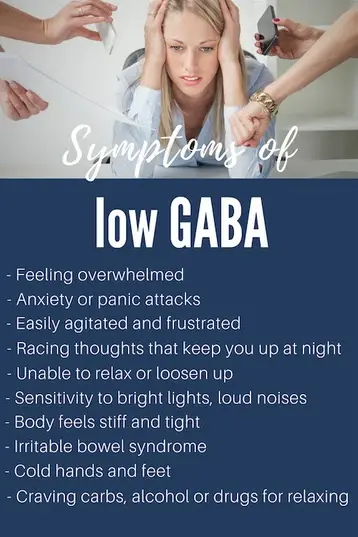
Symptoms of GABA Deficiency
Anxiety and Panic Attacks
With reduced Gamma Aminobutyric Acid activity, nerve cells can easily become overstimulated. This manifests as feelings of persistent worry, irrational fears, racing thoughts, irritability, restlessness, muscle tension, headaches, and panic attacks in some cases. By promoting nerve cell calm, healthy GABA levels keep anxiety and excessive stress responses in check.
Insomnia, Poor Sleep Quality
GABA is important for sleep by quieting down nerve cell activity so the body can relax at night. Low GABA can make it difficult to fall and stay asleep. Racing uncontrolled thoughts and being in a wired, tense state prevents the onset of deep, restorative sleep. This leads to tiredness, fatigue, and impaired concentration and memory retention the following day.
Depression
By regulating nerve pathways for mood and emotions, GABA helps prevent extreme highs and lows in mood. Abnormal GABA function can contribute to depressed mood, apathy, low motivation, hopelessness, lack of enjoyment, and other depressive symptoms. This may be due to interactions with serotonin, the brain's "feel good" chemical closely tied to regulating emotions.
Addiction
Research shows links between low baseline GABA levels and increased risk for alcoholism, drug addiction, smoking, gambling addiction, and compulsive behaviors like overeating. It's believed that people self-medicate with substances to compensate for inadequate GABA activity in the brain's reward and impulse control circuits. However, substance abuse can further deplete GABA over time, worsening mood instability.
Muscle and Movement Problems
Proper levels of Gamma Aminobutyric Acid are required to control nerve signals to muscles, resulting in coordinated muscular activities like posture and locomotion. GABA deficiency can present with muscle twitching, tremors, stiffness, balance problems, and loss of coordination. These symptoms may resemble those seen in neurological conditions like Parkinson's disease.
Nerve Pain and Fibromyalgia
Low GABA is associated with nerve hyperexcitability which causes heightened pain perception and sensitivity. There is a high prevalence of low GABA levels among those suffering from fibromyalgia and similar chronic pain conditions. Deficient GABA may predispose people to, or worsen nerve-related pain.
Epilepsy and Seizure Disorders
One of GABA's most important functions is to inhibit excessive nerve cell firing activity to prevent seizures. In those genetically predisposed to epilepsy, GABA deficiency is a major contributing factor in abnormal electrical brain discharges. Many anti-seizure drugs work by amplifying GABA activity.
Cognitive Impairment
Research indicates connections between decreased γ-aminobutyric acid and ADHD, memory loss, reduced ability to concentrate, language problems, and poor learning outcomes. As a key player in the brain's inhibitory control system, GABA regulates signal filtering so nerve cells only respond appropriately to significant stimuli. Low levels may negatively impact cognition.
Blood Pressure and Heart Rate Instability
GABA receptors are found on cardiovascular control centers in the brainstem that regulate heart rate and blood pressure. Deficient GABA can fail to properly restrain these control cells, leading to arrhythmias, hypertension, and similar cardiovascular symptoms. These effects may be more prominent when also experiencing stress or anxiety due to low GABA.
Digestive Issues
The gut microbiome and enteric nervous system, often called the "second brain", are rich in GABA and GABA receptors. Disruptions here can manifest in symptoms like nausea, vomiting, bloating, constipation, diarrhea, indigestion, and abdominal pain. GABA supplements have demonstrated benefits for calming intestinal hyperactivity.
Appetite and Weight Issues
Activity in GABA pathways influence the hunger and satiety centers in the hypothalamus of the brain. Imbalanced GABA can present as a loss of appetite, overeating, cravings for sweets and carbs, and abnormal weight fluctuations up or down. Eating disorders have also been associated with abnormal GABA levels.
Hormonal Imbalances
GABA receptors are found in the pituitary, adrenal, thyroid, and reproductive glands and influence hormone production. Symptoms of PMS, menopause, low testosterone, adrenal fatigue, and other endocrine issues may be tied to underlying Gamma Aminobutyric Acid deficits. These can further deplete GABA levels through chronic stress pathways, creating a vicious cycle.
Other Symptoms
Due to GABA's ubiquitous influence on neurological pathways, low levels can also contribute to dizziness, ringing ears, tingling, headaches, phobias, OCD tendencies, and more nonspecific sensations of feeling off or not well. Those genetically predisposed to sensitivity may be impacted more severely.
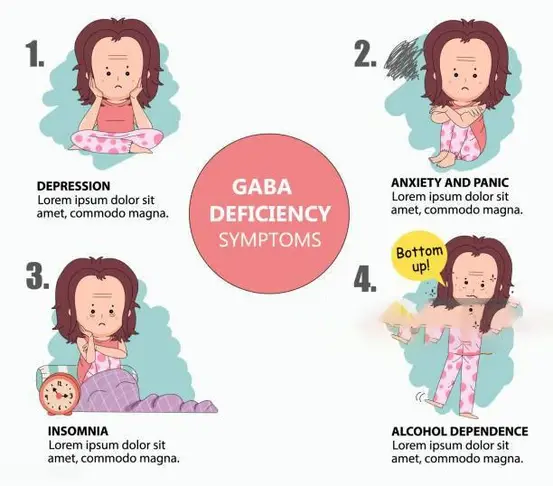
Diagnosis and Treatment of GABA Deficiency
Since GABA is a naturally occurring brain chemical, there are no blood or laboratory tests to directly measure it. Doctors diagnose GABA deficiency based on reported symptoms, medical history, physical examination, and ruling out other potential causes. Treatment aims to restore normal GABA activity through medications or lifestyle remedies.
Medications
Prescription benzodiazepines like Xanax, Ativan, and Klonopin are GABA-enhancing drugs often prescribed for anxiety and panic disorders. While fast-acting and effective, they can be addictive with long term use. Anticonvulsant medications like gabapentin also increase GABA and may help with nerve pain, fibromyalgia, mood stabilization, and insomnia. Some antidepressants and blood pressure medications also influence γ-aminobutyric acid pathways indirectly. A doctor should closely monitor medication use.
Lifestyle Changes
Stress management through mindfulness meditation has been shown to increase GABA and help regulate nerve pathways. Regular cardiovascular exercise may also help normalize GABA function through endorphin release and promoting neuron development. Getting enough regular sleep gives time for the brain restore and replenish GABA. Dietary changes to increase magnesium, L-theanine from tea, vitamin B6 from fish and nuts, and eating protein foods high in glutamate needed in GABA synthesis, can all aid low levels.
Supplements
Magnesium supplements like magnesium glycinate chelate and L-theanine supplements are popular over-the-counter options used to promote GABA function. Magnesium aids the production of GABA in the body while L-theanine, found in green tea, mimics GABA effects in the brain. Some holistic doctors may recommend trying Gamma Aminobutyric Acid Powders directly. Always check with a doctor before beginning new supplements to ensure safety and compatibility with other medications and health conditions. Start low and go slow.
Alternative Therapies
Several alternative therapies like acupuncture, Tai-Chi exercise, chiropractics, massage, biofeedback, and relaxation techniques have shown positive results in elevating GABA activity. A naturopathic doctor can advise on evidence-based complementary approaches to use alongside standard treatments.
Precautions and Possible Side Effects
It's unwise to attempt self-diagnosing and treating suspected GABA deficiency on your own without professional guidance. Be aware that increasing GABA activity to excessive levels through improper supplementation can potentially lead to dangerous side effects like overly suppressed nervous system function, severely low blood pressure, worsened pain, extreme fatigue, and interactions with medications. Always consult your doctor about concerns of low GABA and disclose all medications and supplements you're taking. Proper testing should also rule out potential brain tumors which can disrupt γ-aminobutyric acid function before beginning treatment.
Children and adolescents should take special precautions as GABA pathways are still developing, and supplements or drugs could lead to long term mood, cognitive or physical problems. Likewise for women who are or may become pregnant, abnormal GABA can impact the fetus. Older people may experience increased sedation and risks for falls when taking GABA supplements. Those genetically prone to low GABA may need lower doses for therapeutic benefit without side effects. Professional supervision is highly recommended.
In Summary
Gamma aminobutyric acid or GABA is a crucial neurotransmitter that regulates communication between nerve cells throughout the brain and peripheral nervous system. Deficient GABA function allows cells to become overactive and manifests in a wide array of disruptive mental and physical symptoms. While testing for exact γ-aminobutyric acid levels is difficult, doctors can help diagnose and treat low GABA based on symptoms and medical history. Recovery involves a multi-pronged approach – medications, lifestyle changes, targeted supplementation, complementary therapies, and managing underlying causes of depletion. Restoring normal GABA activity helps nerve cells regain their balance and filter signals appropriately, greatly improving mental health, quality of life, and physiological functioning. If you suspect you have a GABA deficiency, please seek professional medical advice for a proper evaluation and ongoing supervision of treatment.
Hongda Phytochemistry Co., Ltd. operates six advanced production lines simultaneously, boasting an impressive daily output of ten tons and an annual output reaching several thousand tons. This high production capacity allows us to meet the demands of our clients while maintaining exceptional product quality and consistency. With a dedicated team of approximately 300 employees, our company is structured into various departments including production, Packaging, purchasing, storage and transportation, quality inspection, sales, operations, finance, and others. This well-organized structure ensures that each aspect of our operations is handled with expertise and efficiency, ultimately contributing to the overall success of our business.
Our commitment to quality is unwavering. All our products undergo a stringent process where raw materials are carefully selected and managed in strict accordance with ISO and GMP standards. Only after passing thorough inspections are the products deemed fit for storage and distribution. As a reputable manufacturer of Gamma Aminobutyric Acid Powder, we are eager to establish long-term partnerships with our clients. We invite you to reach out to us at duke@hongdaherb.com to explore the possibilities of collaboration and to learn more about our offerings. We are dedicated to providing top-notch products and fostering mutually beneficial relationships with all our partners.
References:
1. Lydiard RB. The role of GABA in anxiety disorders. J Clin Psychiatry. 2003;64 Suppl 3:21-7.
2. Nemeroff CB. The role of GABA in the pathophysiology and treatment of anxiety disorders. Psychopharmacol Bull. 2003;37(4):133-46.
3. Enna SJ. Role of gamma-aminobutyric acid in anxiety. J Clin Psychiatry. 2007;68 Suppl 5:15-8.





_1768727998895.webp "Ashwagandha Extract Powder")