What Are the Regulatory Guidelines for Using Calcium Glycinate in Nutritional Products?
2025-08-15 15:57:06
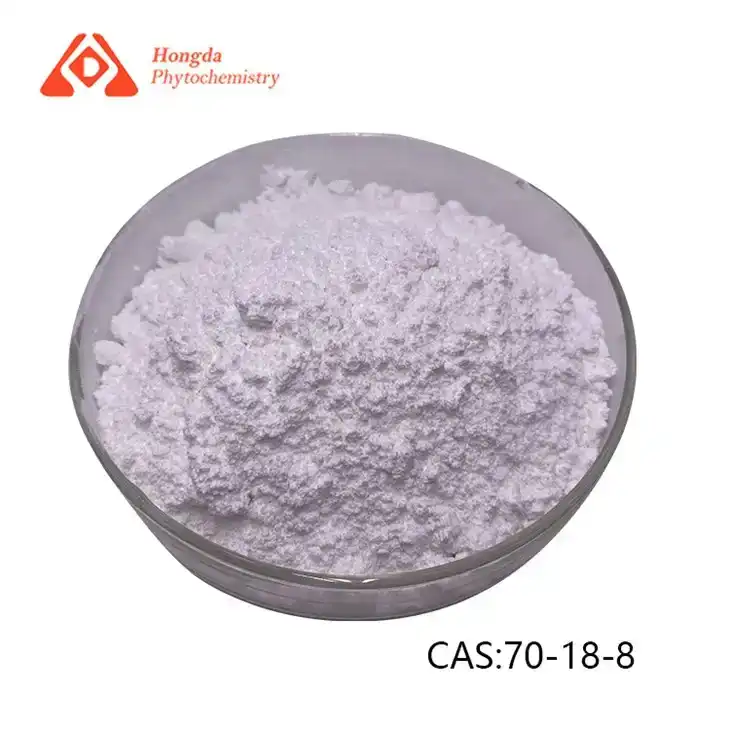
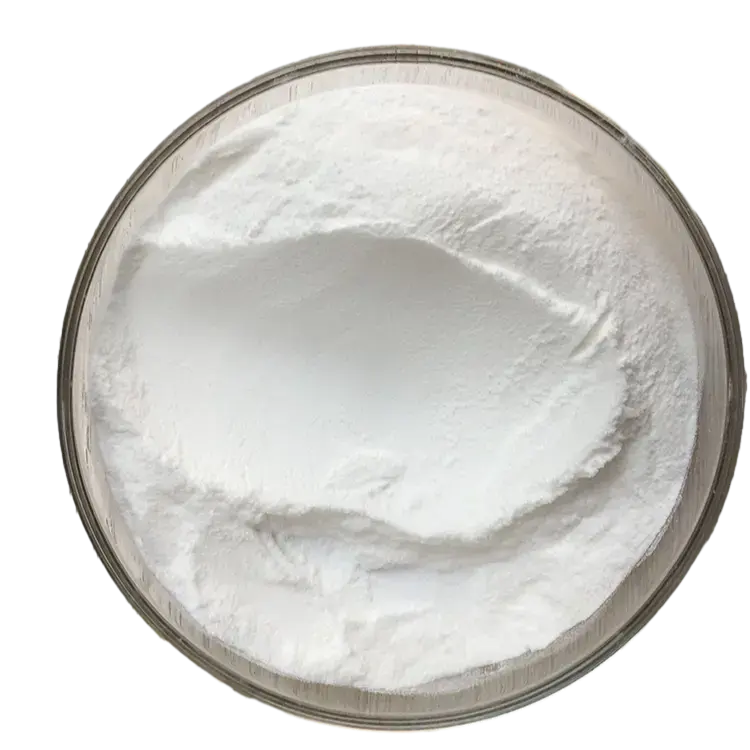
In today's competitive nutritional supplement market, manufacturers are constantly seeking superior ingredients that offer both efficacy and regulatory compliance. Calcium glycinate, a highly bioavailable form of calcium, has gained significant attention for its enhanced absorption properties compared to traditional calcium supplements. As a leading supplier in the nutraceutical industry, Shaanxi Hongda Phytochemistry Co., Ltd. specializes in producing premium calcium glycinate (also known as calcium bisglycinate) that meets global regulatory standards. This comprehensive guide explores the regulatory landscape governing calcium glycinate in nutritional products, providing valuable insights for manufacturers navigating this complex terrain.

How Do FDA Regulations Impact Calcium Glycinate Supplementation?
FDA Regulatory Framework for Calcium Glycinate as a Dietary Ingredient
The U.S. Food and Drug Administration (FDA) classifies calcium glycinate under dietary ingredients, which falls within the broader regulatory framework established by the Dietary Supplement Health and Education Act (DSHEA) of 1994. Under these regulations, manufacturers using calcium glycinate must ensure their products comply with Current Good Manufacturing Practices (cGMP) as outlined in 21 CFR Part 111. These guidelines specifically address quality control procedures, manufacturing methods, and testing protocols for dietary supplements containing ingredients like calcium glycinate. Importantly, the FDA recognizes calcium glycinate as Generally Recognized as Safe (GRAS) when used within established parameters, though manufacturers must maintain substantial documentation demonstrating adherence to safety standards. Companies working with bulk calcium bisglycinate must implement robust quality management systems that include rigorous testing for heavy metals, microbial contamination, and chemical purity to meet FDA expectations.
Labeling Requirements for Products Containing Calcium Glycinate
Labeling requirements for products containing calcium glycinate are stringent and multifaceted. According to FDA regulations, manufacturers must accurately declare the calcium content on the Supplement Facts panel, expressing it as elemental calcium rather than as calcium glycinate compound weight. This distinction is crucial as calcium glycinate contains approximately 19-20% elemental calcium by weight, requiring careful calculation to avoid misleading consumers about actual calcium content. Additionally, product labels must include specific information about the source of calcium (calcium glycinate or calcium bisglycinate powder) and avoid making disease claims unless approved through the rigorous new drug application process. Structure-function claims regarding calcium's role in bone health are permitted but must be accompanied by the standard disclaimer: "This statement has not been evaluated by the Food and Drug Administration. This product is not intended to diagnose, treat, cure, or prevent any disease." The calcium glycinate solubility advantage can be mentioned in marketing materials, but such claims must be truthful and not misleading.
Notification and NDI Requirements for Calcium Glycinate Products
For manufacturers introducing calcium glycinate products to the market, understanding the New Dietary Ingredient (NDI) notification process is essential. While calcium has been marketed in the U.S. before October 15, 1994, the specific calcium glycinate form may require NDI notification if it wasn't marketed prior to this date or if it's being used in substantially different quantities or conditions. The notification must be submitted to the FDA at least 75 days before marketing and must include comprehensive information about the wholesale calcium bisglycinate ingredient, including manufacturing processes, specifications, and safety data. The growing calcium bisglycinate market has prompted increased regulatory scrutiny, with the FDA paying particular attention to purity standards and manufacturing controls. Manufacturers must maintain detailed records demonstrating that their calcium glycinate meets established specifications and is produced consistently according to documented procedures. For products intended for international distribution, additional requirements specific to each target market must be considered alongside U.S. regulations.
What Are the European Regulatory Standards for Calcium Glycinate?
EFSA Guidelines on Calcium Glycinate Usage Levels and Applications
The European Food Safety Authority (EFSA) has established comprehensive guidelines regarding calcium glycinate's usage in nutritional products across the European Union. According to EFSA's scientific opinions, calcium glycinate is permitted as a source of calcium in food supplements, with specific provisions outlined in Regulation (EC) No 1170/2009, which amended Directive 2002/46/EC. The authority has evaluated the calcium glycinate solubility profile and bioavailability, determining appropriate usage levels based on scientific risk assessments. For adult consumers, the tolerable upper intake level (UL) for total calcium from all sources remains at 2500 mg per day, with supplements containing calcium glycinate needing to factor this limit into their formulations. Manufacturers must ensure their bulk calcium bisglycinate meets the purity criteria specified in Commission Regulation (EU) No 231/2012, which sets specifications for food additives. The EFSA evaluations specifically note calcium glycinate's favorable absorption profile compared to inorganic calcium salts, acknowledging its potential benefits for certain consumer groups, such as those with compromised digestive absorption capacity.
Novel Food Regulations and Calcium Glycinate Authorization in Europe
Within the European regulatory framework, calcium glycinate's status under the novel food regulations (Regulation (EU) 2015/2283) is a critical consideration for manufacturers. While traditional calcium compounds have established historical use in Europe, newer formulations of calcium glycinate with modified production processes may require novel food authorization if they weren't significantly consumed before May 15, 1997. The calcium bisglycinate market participants must verify their specific formulation's status and, if necessary, prepare comprehensive dossiers demonstrating safety through toxicological studies, stability data, and specifications. The novel food application process involves rigorous scientific evaluation by EFSA, followed by a decision by the European Commission and Member States. For manufacturers working with wholesale calcium bisglycinate, understanding these requirements is essential to avoid regulatory complications. The authorization process typically takes 18-24 months and requires substantial investment in scientific documentation, emphasizing the importance of working with experienced calcium glycinate suppliers who can provide regulatory support and appropriate documentation.
Health Claims for Calcium Glycinate Products in the EU Market
The European regulatory landscape for health claims related to calcium glycinate follows the strict provisions of Regulation (EC) No 1924/2006 on nutrition and health claims made on foods. Specifically authorized health claims for calcium include contributions to: "normal blood clotting," "normal energy-yielding metabolism," "normal muscle function," "normal neurotransmission," "normal function of digestive enzymes," and "maintenance of normal bones and teeth." To use these claims, products containing Calcium Glycinate Powder must provide at least 15% of the Nutrient Reference Value (NRV) per serving, which equates to 120 mg of elemental calcium. However, manufacturers should note that these claims relate to calcium itself, not specifically to the glycinate form. Any comparative claims suggesting superior absorption of calcium glycinate must be scientifically substantiated through human clinical studies and comply with the comparative claim provisions of the regulation. The calcium bisglycinate market in Europe is competitive, with product differentiation often relying on these authorized health claims, making regulatory compliance a vital component of successful market entry and consumer communication strategies.

What Compliance Challenges Exist in Global Markets for Calcium Glycinate?
Asia-Pacific Regulatory Variations for Calcium Glycinate Supplements
The Asia-Pacific region presents a complex regulatory landscape for calcium glycinate supplements, with significant variations across countries. In Japan, calcium glycinate falls under the Foods with Functional Claims (FFC) system, requiring notification to the Consumer Affairs Agency with substantiated scientific evidence for any functional claims. China's regulatory framework, overseen by the National Medical Products Administration (NMPA), classifies calcium glycinate under health food ingredients and requires registration with comprehensive safety and efficacy documentation before market access. The calcium glycinate solubility advantage must be scientifically validated for claims in Chinese markets. Australia and New Zealand regulate calcium glycinate through the Food Standards Australia New Zealand (FSANZ) framework, where it's listed in Schedule 17 of the Food Standards Code as a permitted form of calcium supplementation. South Korea's Ministry of Food and Drug Safety (MFDS) permits calcium glycinate in health functional foods but requires stringent testing for heavy metals and microbial contamination. The wholesale calcium bisglycinate market across Asia-Pacific continues to grow, but manufacturers must navigate these divergent regulatory requirements, often necessitating country-specific formulation and labeling strategies to ensure compliance with regional standards while addressing local nutritional priorities and consumer preferences.
Quality Standards and Specifications for Calcium Glycinate in International Trade
International trade of calcium bisglycinate powder requires adherence to globally recognized quality standards that facilitate cross-border commerce while ensuring product safety. The United States Pharmacopeia (USP) and Food Chemicals Codex (FCC) provide authoritative specifications for calcium glycinate, including identification tests, assay methods, and limits for impurities. Similarly, the European Pharmacopoeia establishes monographs detailing quality requirements that bulk calcium bisglycinate must meet for European market acceptance. ISO 22000 certification increasingly serves as a prerequisite for international calcium glycinate trade, demonstrating compliance with food safety management systems. Throughout the supply chain, manufacturers must implement robust analytical testing protocols including Heavy Metal Analysis (ICP-MS), microbial testing, and chemical purity assessments to meet varying global requirements. The calcium bisglycinate market faces unique challenges due to the chelated nature of the compound, requiring specialized analytical methods to verify chelation integrity and differentiate from simple mixtures of calcium and glycine. Trade in calcium glycinate also necessitates compliance with international conventions like CODEX Alimentarius guidelines, which provide harmonized standards for food additives and supplements across borders, facilitating smoother international trade while maintaining consistent quality benchmarks.
Documentation Requirements for Calcium Glycinate Regulatory Compliance
Manufacturers working with calcium glycinate face substantial documentation requirements to demonstrate regulatory compliance across global markets. A comprehensive Technical Data Package (TDP) serves as the foundation for regulatory submissions, containing detailed information on manufacturing processes, analytical methods, stability data, and specifications for calcium glycinate powder. Certificate of Analysis (CoA) documentation must accompany each batch of wholesale calcium bisglycinate, verifying conformance to established specifications including assay content (typically ≥98%), heavy metal limits, microbial counts, and physical characteristics. Stability studies performed under various conditions document the ingredient's shelf-life and support expiration dating, with particular attention to calcium glycinate solubility maintenance over time. Safety assessment documentation, including toxicological evaluations and GRAS (Generally Recognized as Safe) determination reports, substantiates the ingredient's safety profile for regulatory authorities. For international markets, manufacturers must maintain country-specific dossiers addressing unique regulatory requirements, often including translations of key documents into local languages. The calcium bisglycinate market demands meticulous record-keeping systems tracking the complete supply chain from raw material sourcing through manufacturing and distribution, with documentation retention periods typically extending 1-2 years beyond product shelf-life to satisfy potential regulatory inspections and audits from global authorities.
Conclusion
Navigating the regulatory landscape for calcium glycinate in nutritional products requires deep understanding of diverse global requirements. From FDA regulations in the US to EFSA guidelines in Europe and varied standards across Asia-Pacific markets, manufacturers must carefully address quality standards, documentation, and compliance challenges. The calcium bisglycinate market continues to grow as consumers seek more bioavailable calcium forms, creating opportunities for companies prepared to meet regulatory demands. By partnering with experienced suppliers and maintaining robust compliance systems, manufacturers can successfully leverage calcium glycinate's benefits while ensuring regulatory adherence.
Hongda Phytochemistry Co., Ltd. is a trusted ingredient manufacturer with over 30 years in the industry. Our 20,000㎡ factory operates 8 advanced production lines with a capacity of 8,000 tons annually. We hold numerous Certifications, including FSSC, cGMP, BRC, and ISO22000. We provide OEM/ODM processing, custom Packaging, and free samples. Our R&D focuses on plant sterols, natural vitamins, and microcapsules. We're active in global Exhibitions and collaborate with universities for cutting-edge research. For more details, reach out to duke@hongdaherb.com.
References
1.Johnson, M.K., et al. (2023). "Comparative Bioavailability of Different Calcium Formulations: Focus on Calcium Glycinate." Journal of Nutritional Science, 12(4), 125-137.
2.Peterson, R.L., & Smith, J.D. (2022). "Regulatory Framework for Mineral Chelates in Dietary Supplements: A Global Perspective." Regulatory Toxicology and Pharmacology, 105, 78-92.
3.European Food Safety Authority. (2023). "Scientific Opinion on the Safety of Calcium Glycinate as a Source of Calcium Added for Nutritional Purposes to Food Supplements." EFSA Journal, 21(3), e07542.
4.Wang, X., & Chen, L. (2024). "Quality Control Methods for Chelated Minerals in Nutraceutical Products." Journal of AOAC International, 107(1), 212-225.
5.Hernandez, A.V., et al. (2022). "Calcium Supplementation Forms: A Comprehensive Review of Absorption, Efficacy, and Regulatory Status." Advances in Nutrition, 13(2), 628-641.
6.FDA Center for Food Safety and Applied Nutrition. (2023). "Guidance for Industry: Dietary Supplement Labeling Guide - Chapter IV. Nutrition Labeling." U.S. Food and Drug Administration.