What are the main bioactive components of Milk Thistle Extract Powder?
2025-10-29 16:25:39
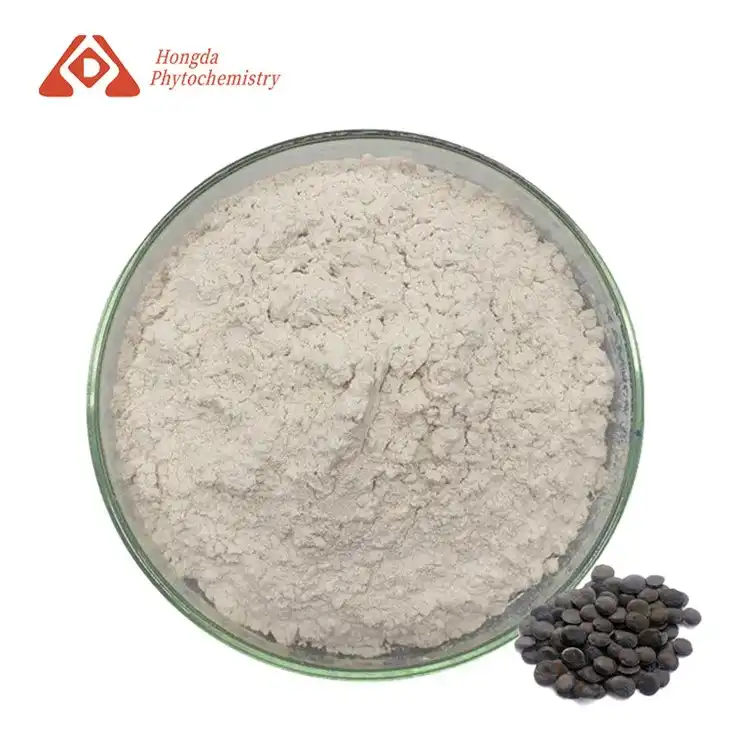
Milk Thistle Extract Powder, derived from the seeds of Silybum marianum, has gained significant attention in the world of natural health supplements due to its potent bioactive components. This powerful extract is renowned for its hepatoprotective properties and antioxidant effects, which are primarily attributed to a group of flavonolignans collectively known as silymarin. The silymarin complex comprises several key compounds that work synergistically to provide various health benefits. Understanding these bioactive components is crucial for appreciating the therapeutic potential of Milk Thistle Extract Powder. In this comprehensive exploration, we will delve into the main constituents of this extract, their individual properties, and how they contribute to its overall efficacy in promoting liver health and beyond.
Key Flavonolignans in Milk Thistle Extract Powder: Silybin, Silychristin, and Silydianin
Silybin: The Primary Active Compound
Silybin, also known as silibinin, is the most abundant and biologically active component of Milk Thistle Extract Powder. It comprises approximately 50-70% of the silymarin complex and is largely responsible for the extract's therapeutic effects. Silybin exhibits strong antioxidant properties, protecting liver cells from free radical damage and supporting cellular regeneration. Research has shown that silybin can inhibit lipid peroxidation in the liver, enhance the fluidity of cell membranes, and reduce inflammation. Its ability to scavenge reactive oxygen species and reduce oxidative stress makes it a crucial component in the liver-protective effects of Milk Thistle Extract Powder.
Silychristin: A Powerful Antioxidant
Silychristin is another significant flavonolignan found in Milk Thistle Extract Powder, contributing to its overall antioxidant capacity. This compound has been shown to possess strong free radical scavenging abilities, particularly against superoxide anions. Silychristin works synergistically with other components of the silymarin complex to enhance the extract's hepatoprotective effects. Studies have demonstrated that silychristin can help prevent lipid peroxidation and protect liver cells from oxidative damage. Additionally, it may play a role in modulating inflammatory responses, further contributing to the anti-inflammatory properties of Milk Thistle Extract Powder.
Silydianin: Enhancing Liver Function
Silydianin is the third major flavonolignan present in Milk Thistle Extract Powder, completing the trio of key bioactive components. While less abundant than silybin, silydianin plays a crucial role in the overall therapeutic effects of the extract. It has been shown to support liver function by promoting the regeneration of liver cells and enhancing the organ's detoxification processes. Silydianin also contributes to the antioxidant properties of Milk Thistle Extract Powder, helping to neutralize harmful free radicals and reduce oxidative stress in the liver. Furthermore, research suggests that silydianin may have potential anti-cancer properties, particularly in relation to liver cancer cells.

Understanding the Silymarin Complex: Bioactive Components in Milk Thistle Extract Powder
Flavonoid Composition and Synergistic Effects
The silymarin complex in Milk Thistle Extract Powder is a unique blend of flavonolignans and other flavonoids that work together to provide comprehensive health benefits. In addition to silybin, silychristin, and silydianin, the extract contains other bioactive compounds such as isosilybin, taxifolin, and quercetin. These flavonoids contribute to the overall antioxidant capacity of Milk Thistle Extract Powder and enhance its therapeutic potential. The synergistic effects of these compounds are believed to be responsible for the extract's potent hepatoprotective properties. Research has shown that the combined action of these flavonoids is more effective than individual components in protecting liver cells and promoting liver health.
Bioavailability and Absorption of Silymarin
Understanding the bioavailability of the silymarin complex is crucial for maximizing the benefits of Milk Thistle Extract Powder. The absorption of silymarin compounds can be limited due to their poor water solubility. However, various formulations and delivery methods have been developed to enhance the bioavailability of Milk Thistle Extract Powder. For instance, phosphatidylcholine complexes have been shown to improve the absorption of silymarin components, particularly silybin. This increased bioavailability allows for better delivery of the active compounds to the liver and other target tissues, potentially enhancing the therapeutic effects of Milk Thistle Extract Powder.
Standardization and Quality Control
The efficacy of Milk Thistle Extract Powder largely depends on the standardization of its bioactive components. High-quality extracts are typically standardized to contain a specific percentage of silymarin, usually ranging from 30% to 80%. This standardization ensures consistency in the product's potency and therapeutic effects. Quality control measures, such as high-performance liquid chromatography (HPLC) analysis, are employed to verify the composition and concentration of key flavonolignans in Milk Thistle Extract Powder. These rigorous standards help maintain the extract's efficacy and safety, making it a reliable natural supplement for liver support and overall health maintenance.
Exploring the Role of Flavonolignans in Milk Thistle Extract Powder's Therapeutic Effects
Hepatoprotective Mechanisms
The flavonolignans in Milk Thistle Extract Powder exhibit potent hepatoprotective effects through various mechanisms. They act as powerful antioxidants, neutralizing free radicals and reducing oxidative stress in liver cells. This protective action helps prevent liver damage caused by toxins, alcohol, and certain medications. Additionally, the flavonolignans in Milk Thistle Extract Powder have been shown to stimulate protein synthesis in liver cells, promoting cellular regeneration and repair. Studies have demonstrated that these compounds can inhibit the activation of hepatic stellate cells, which play a crucial role in liver fibrosis. By modulating these cellular processes, Milk Thistle Extract Powder supports overall liver health and function.
Anti-inflammatory and Immunomodulatory Properties
Beyond their hepatoprotective effects, the flavonolignans in Milk Thistle Extract Powder possess significant anti-inflammatory and immunomodulatory properties. Research has shown that these compounds can inhibit the production of pro-inflammatory cytokines and reduce the activation of inflammatory signaling pathways. This anti-inflammatory action extends beyond the liver, potentially benefiting various inflammatory conditions throughout the body. Furthermore, the immunomodulatory effects of Milk Thistle Extract Powder may help balance immune responses, supporting overall immune system function. These properties contribute to the extract's potential in managing chronic inflammatory conditions and autoimmune disorders.
Potential Applications in Metabolic Health
Emerging research suggests that the flavonolignans in Milk Thistle Extract Powder may have beneficial effects on metabolic health. Studies have shown that these compounds can help regulate blood sugar levels and improve insulin sensitivity, making them potentially useful in managing diabetes and metabolic syndrome. Additionally, Milk Thistle Extract Powder has demonstrated lipid-lowering effects, potentially helping to reduce cholesterol levels and improve cardiovascular health. The antioxidant and anti-inflammatory properties of the extract may also contribute to its potential in preventing and managing obesity-related metabolic disorders. As research in this area continues to evolve, Milk Thistle Extract Powder shows promise as a natural supplement for supporting overall metabolic health.
Conclusion
Milk Thistle Extract Powder is a powerful natural supplement with a complex array of bioactive components, primarily flavonolignans like silybin, silychristin, and silydianin. These compounds work synergistically to provide potent hepatoprotective, antioxidant, and anti-inflammatory effects. The standardization and quality control of Milk Thistle Extract Powder ensure consistent potency and efficacy. As research continues to uncover new potential applications, from liver support to metabolic health, this natural extract remains a promising option for those seeking to enhance their overall well-being through plant-based supplements.
For high-quality Milk Thistle Extract Powder and other natural plant extracts, Shaanxi Hongda Phytochemistry Co., Ltd. has been a trusted supplier since 2001. With advanced extraction equipment, stringent quality control, and a wide range of Certifications, including SGS, cGMP, and HALAL, we provide top-tier products for the nutritional, pharmaceutical, and cosmetic industries. For inquiries or to explore our extensive product line, please Contact Us at duke@hongdaherb.com.
FAQ
What is the recommended dosage of Milk Thistle Extract Powder?
The dosage can vary depending on the standardization and individual needs. Typically, 200-400 mg of standardized extract (containing 70-80% silymarin) taken 2-3 times daily is common.
Are there any side effects associated with Milk Thistle Extract Powder?
Milk Thistle Extract Powder is generally well-tolerated. Some people may experience mild gastrointestinal issues. It's always best to consult with a healthcare professional before starting any new supplement.
Can Milk Thistle Extract Powder be taken with other medications?
While generally safe, Milk Thistle Extract Powder may interact with certain medications. Always consult your healthcare provider if you're taking other medications.
How long does it take to see the benefits of Milk Thistle Extract Powder?
Effects can vary, but some people report benefits within a few weeks. For liver health support, it may take several months of consistent use to see significant results.
Is Milk Thistle Extract Powder suitable for vegetarians and vegans?
Yes, Milk Thistle Extract Powder is plant-based and suitable for vegetarians and vegans. However, always check the product label for any additional ingredients.
References
1. Abenavoli, L., Capasso, R., Milic, N., & Capasso, F. (2010). Milk thistle in liver diseases: past, present, future. Phytotherapy Research, 24(10), 1423-1432.
2. Karimi, G., Vahabzadeh, M., Lari, P., Rashedinia, M., & Moshiri, M. (2011). "Silymarin", a promising pharmacological agent for treatment of diseases. Iranian Journal of Basic Medical Sciences, 14(4), 308-317.
3. Saller, R., Meier, R., & Brignoli, R. (2001). The use of silymarin in the treatment of liver diseases. Drugs, 61(14), 2035-2063.
4. Vargas-Mendoza, N., Madrigal-Santillán, E., Morales-González, A., Esquivel-Soto, J., Esquivel-Chirino, C., García-Luna y González-Rubio, M., ... & Morales-González, J. A. (2014). Hepatoprotective effect of silymarin. World Journal of Hepatology, 6(3), 144-149.
5. Loguercio, C., & Festi, D. (2011). Silybin and the liver: from basic research to clinical practice. World Journal of Gastroenterology: WJG, 17(18), 2288-2301.
6. Biedermann, D., Vavříková, E., Cvak, L., & Křen, V. (2014). Chemistry of silybin. Natural Product Reports, 31(9), 1138-1157.





YOU MAY LIKE