Top Uses of Glycerophosphorylcholine Powder in Cognitive Supplement Manufacturing
2025-11-17 16:41:04
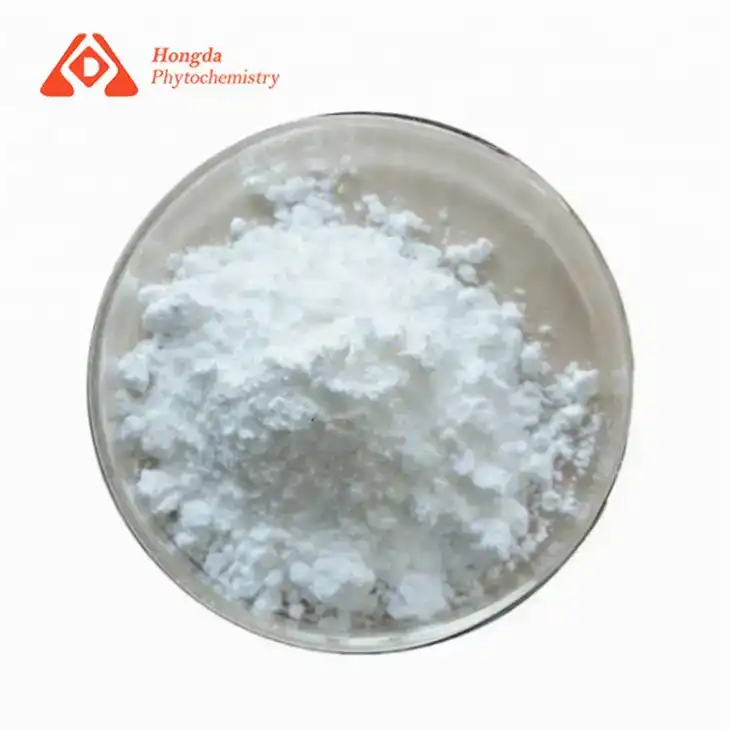
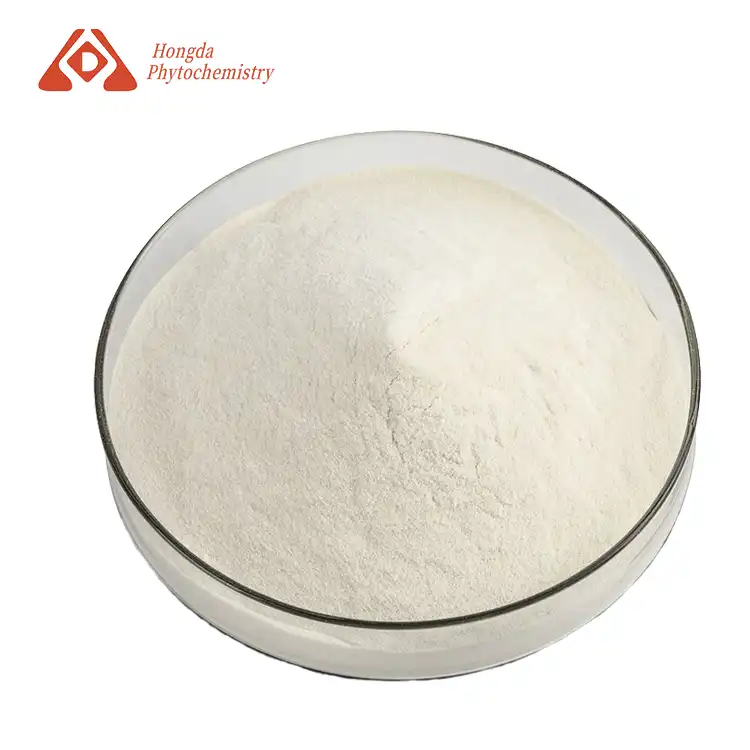
Glycerophosphorylcholine Powder has emerged as a key ingredient in cognitive supplement manufacturing, gaining popularity for its potential to enhance brain function and support overall cognitive health. As a precursor to acetylcholine, an essential neurotransmitter involved in memory and learning processes, GPC powder offers numerous benefits for cognitive supplement formulations. This versatile compound is widely utilized in the production of nootropic products aimed at improving memory, focus, and mental clarity. Its ability to cross the blood-brain barrier efficiently makes it an attractive option for manufacturers looking to create effective cognitive enhancement supplements. In this article, we will explore the top uses of Glycerophosphorylcholine powder in cognitive supplement manufacturing, discussing its mechanisms of action, formulation strategies, and key considerations for product development.

How Glycerophosphorylcholine Powder Supports Neurotransmitter Production and Brain Health
Acetylcholine Synthesis and Cognitive Function
Glycerophosphorylcholine powder plays a crucial role in supporting neurotransmitter production, particularly acetylcholine synthesis. As a choline source, GPC powder provides the raw material needed for the brain to produce acetylcholine, which is essential for various cognitive functions. When incorporated into cognitive supplements, GPC powder can help enhance memory formation, improve learning capacity, and support overall cognitive performance. The ability of GPC powder to increase acetylcholine levels in the brain makes it a valuable ingredient for manufacturers looking to create products that target age-related cognitive decline and improve mental acuity in healthy individuals.
Neuroprotective Properties and Brain Cell Membrane Integrity
Another significant benefit of Glycerophosphorylcholine powder in cognitive supplement manufacturing is its neuroprotective properties. GPC powder has been shown to support the integrity of brain cell membranes, which is crucial for maintaining optimal neuronal function. By providing the necessary building blocks for phospholipid synthesis, GPC powder helps fortify cell membranes, potentially protecting against oxidative stress and age-related cognitive decline. Manufacturers can leverage these neuroprotective properties to develop supplements that not only enhance cognitive function but also support long-term brain health and resilience.
Brain Energy Metabolism and Mitochondrial Function
Glycerophosphorylcholine powder has also been found to support brain energy metabolism and mitochondrial function. By enhancing the efficiency of cellular energy production in the brain, GPC powder may contribute to improved cognitive performance and mental stamina. This aspect of GPC powder's functionality is particularly appealing for manufacturers developing supplements targeting focus, concentration, and mental endurance. The potential of GPC powder to optimize brain energy utilization makes it a valuable ingredient in formulations designed to combat mental fatigue and support sustained cognitive performance throughout the day.
Formulation Strategies Incorporating Glycerophosphorylcholine Powder into Cognitive Supplement Blends
Synergistic Combinations with Other Nootropic Ingredients
When formulating cognitive supplements with Glycerophosphorylcholine powder, manufacturers often explore synergistic combinations with other nootropic ingredients to enhance overall efficacy. Common pairings include racetams, such as piracetam or aniracetam, which are believed to work synergistically with GPC powder to boost cognitive function. Additionally, combining GPC powder with herbs like Bacopa monnieri or Ginkgo biloba can create comprehensive cognitive enhancement formulas that target multiple aspects of brain health. These strategic combinations allow manufacturers to develop unique and potent cognitive supplement blends that cater to diverse consumer needs and preferences.
Dosage Considerations and Bioavailability Enhancement
Determining the optimal dosage of Glycerophosphorylcholine powder in cognitive supplement formulations is crucial for ensuring both efficacy and safety. Manufacturers typically consider factors such as the target demographic, desired cognitive effects, and potential interactions with other ingredients when establishing dosage guidelines. To enhance the bioavailability of GPC powder, some formulations may incorporate absorption-enhancing compounds or utilize advanced delivery systems. These strategies can help maximize the cognitive benefits of GPC powder while potentially reducing the required dosage, making the supplements more cost-effective and user-friendly.
Innovative Delivery Forms and Product Formats
The versatility of Glycerophosphorylcholine powder allows manufacturers to explore innovative delivery forms and product formats in cognitive supplement manufacturing. While traditional capsules and tablets remain popular, there is growing interest in alternative formats such as powders, liquids, and sublingual formulations. These diverse product formats can cater to different consumer preferences and potentially enhance the absorption and efficacy of GPC powder. Some manufacturers are also exploring the incorporation of GPC powder into functional foods and beverages, expanding the range of cognitive supplement options available to consumers and tapping into new market segments.

Regulatory, Safety, and Manufacturing Considerations for Glycerophosphorylcholine Powder in Nootropic Products
Compliance with Regulatory Standards and Quality Control
When incorporating Glycerophosphorylcholine powder into nootropic products, manufacturers must adhere to strict regulatory standards and implement robust quality control measures. This involves sourcing high-quality GPC powder from reputable suppliers, conducting thorough testing for purity and potency, and ensuring compliance with Good Manufacturing Practices (GMP). Manufacturers must also stay informed about regional regulations governing the use of GPC powder in dietary supplements, as requirements may vary across different markets. Implementing comprehensive quality assurance protocols throughout the manufacturing process is essential for producing safe and effective cognitive supplements that meet regulatory standards and consumer expectations.
Safety Assessments and Potential Interactions
Ensuring the safety of Glycerophosphorylcholine powder in cognitive supplement formulations is paramount. Manufacturers must conduct thorough safety assessments, including evaluating potential interactions with other ingredients and medications. While GPC powder is generally considered safe for most individuals, it's important to consider potential side effects and contraindications, particularly for specific populations such as pregnant women or individuals with certain medical conditions. Providing clear labeling and usage instructions is crucial for informing consumers about proper use and potential risks associated with GPC-containing supplements. Additionally, ongoing monitoring of adverse event reports and staying updated on the latest safety research helps manufacturers maintain the highest standards of product safety.
Manufacturing Challenges and Stability Considerations
Manufacturing cognitive supplements with Glycerophosphorylcholine powder presents unique challenges that must be addressed to ensure product quality and efficacy. GPC powder is hygroscopic, meaning it readily absorbs moisture from the environment, which can affect its stability and shelf life. Manufacturers must implement appropriate moisture control measures during production and Packaging to maintain the integrity of GPC-containing products. Additionally, considerations such as heat sensitivity and potential interactions with other ingredients during the manufacturing process must be carefully managed. Developing stable formulations that maintain the potency of GPC powder throughout the product's shelf life is crucial for delivering consistent cognitive benefits to consumers. Manufacturers may need to invest in specialized equipment and processes to overcome these challenges and produce high-quality cognitive supplements containing GPC powder.
Conclusion
Glycerophosphorylcholine powder has become a cornerstone ingredient in cognitive supplement manufacturing, offering significant benefits for brain health and cognitive function. Its versatility in formulation, coupled with its potential to enhance neurotransmitter production and support brain cell integrity, makes it an invaluable tool for manufacturers seeking to create effective nootropic products. As research continues to uncover new applications and benefits of GPC powder, we can expect to see even more innovative cognitive supplements entering the market, catering to the growing demand for brain health support across diverse consumer demographics.
For high-quality Glycerophosphorylcholine powder and expert formulation support, consider partnering with Shaanxi Hongda Phytochemistry Co., Ltd. With over 20 years of experience in natural plant extracts and a commitment to quality and innovation, we offer a wide range of cognitive health ingredients, including GPC powder. Our state-of-the-art facilities, rigorous quality control measures, and comprehensive Certifications ensure that you receive top-tier products for your cognitive supplement manufacturing needs. To learn more about our GPC powder and other cognitive health ingredients, please Contact Us at duke@hongdaherb.com.
FAQ
What is the recommended dosage of Glycerophosphorylcholine powder in cognitive supplements?
The typical dosage range is 300-1200 mg per day, but it may vary depending on the specific formulation and intended use.
Is Glycerophosphorylcholine powder safe for long-term use?
GPC powder is generally considered safe for long-term use, but it's always best to consult with a healthcare professional before starting any new supplement regimen.
Can Glycerophosphorylcholine powder be combined with other nootropic ingredients?
Yes, GPC powder is often combined with other nootropics like racetams or herbal extracts for enhanced cognitive benefits.
How quickly can users expect to see results from GPC-containing cognitive supplements?
Results can vary, but some users report noticing improvements in focus and mental clarity within a few weeks of consistent use.
Are there any known side effects of Glycerophosphorylcholine powder?
Side effects are generally mild but may include headaches, nausea, or gastrointestinal discomfort in some individuals.
References
1. Parker, A. G., et al. (2015). The effects of alpha-glycerylphosphorylcholine, caffeine or placebo on markers of mood, cognitive function, power, speed, and agility. Journal of the International Society of Sports Nutrition, 12(1), 1-10.
2. Tayebati, S. K., et al. (2013). Choline-containing phospholipids: relevance to brain functional pathways. Clinical Chemistry and Laboratory Medicine, 51(3), 513-521.
3. Gatti, G., et al. (2012). A double-blind, placebo-controlled, randomized trial of L-alpha-glycerylphosphorylcholine in patients with cognitive impairment associated with chronic cerebral hypoperfusion. Current Therapeutic Research, 73(1-2), 42-56.
4. Kidd, P. M. (2009). Neurodegeneration from mitochondrial insufficiency: nutrients, stem cells, growth factors, and prospects for brain rebuilding using integrative management. Alternative Medicine Review, 14(2), 114-140.
5. Brownawell, A. M., et al. (2011). Safety assessment of GRAS-certified choline salts. Regulatory Toxicology and Pharmacology, 61(3), 349-362.
6. De Jesús Moreno Moreno, M. (2003). Cognitive improvement in mild to moderate Alzheimer's dementia after treatment with the acetylcholine precursor choline alfoscerate: a multicenter, double-blind, randomized, placebo-controlled trial. Clinical Therapeutics, 25(1), 178-193.