Tongkat Ali Extract Capsules vs Powder: Which Is Better?
2026-04-29 14:54:00
Whether you choose Tongkat Ali Extract Capsules or Powder depends on your manufacturing needs and what the end user wants. Advanced Packaging technologies keep bioactive quassinoids like Eurycomanone from breaking down, making capsules more convenient, more accurate, and more bioavailable. They get rid of the strong bitterness that comes from raw extract and keep the potency the same from batch to batch, which is important for brands that want to meet customer and government standards. Powder can be used to make unique blends and functional drinks, but it takes more knowledge of how to make them to hide taste profiles and keep them stable. Professionally made pills give B2B buyers who value turnkey solutions, quality assurance, and market-ready forms a strategic edge in the competitive nutraceutical field.
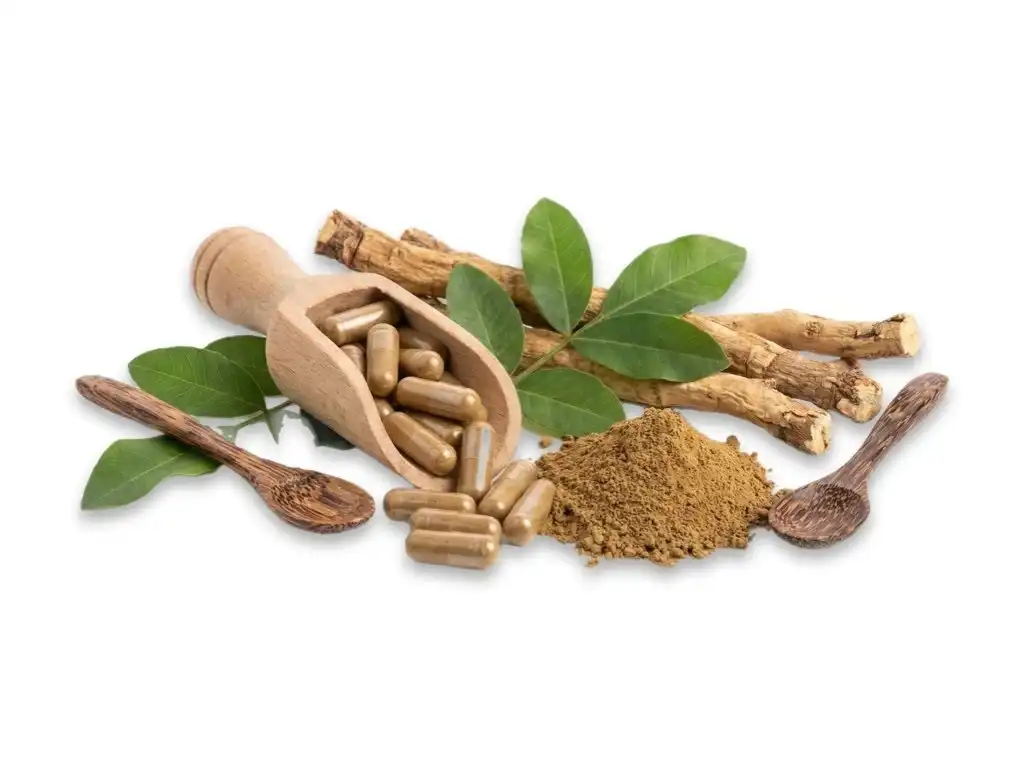
Understanding Tongkat Ali Extract Forms: Capsules vs Powder
Tongkat Ali Extract Capsules come from the roots of Eurycoma longifolia Jack, a Southeast Asian botanical renowned for its ergogenic and adaptogenic properties. Both capsules and powder serve as delivery systems for standardized extracts, yet their manufacturing pathways and application suitability differ substantially.
Manufacturing Process and Concentration Standards
Ultrasonic rotating countercurrent extraction is used on professional-grade Tongkat Ali extracts to separate quassinoids, mostly Eurycomanone, at ratios between 100:1 and 200:1. Fibrous cellulose is removed by this process, but glycosaponins and polypeptides are kept. This concentrated extract is put into capsules with HPMC plant-based shells using fully covered cGMP automatic filling lines. Powder formats keep the same quality of the extract, but they need extra work to be used in later steps, like adding them to drinks or having formulators make special capsules. Standardization methods make sure that the amount of Eurycomanone can still be checked using HPLC, which takes into account the fact that raw plant materials can vary from place to place.
Shelf Life and Storage Requirements
The multi-layer packaging technology that keeps capsules from breaking down due to oxygen is what makes them so stable. Tongkat Ali Extract Capsules stay effective for 24 months as long as they are kept in a cool, dry place out of direct sunlight. The molecular decay rate stays below 3%. Even though powders are solid, they are more likely to absorb water, so they need to be packed in a way that keeps wetness out to keep them from sticking and losing bioactive ingredients. Changes in temperature during international shipping are more likely to damage the integrity of powder, especially in humid areas that are common in North American distribution networks. This stability differential impacts inventory management and product return rates—key considerations Tongkat Ali Extract Capsules for procurement teams managing large-scale supply chains.
Dosage Precision and User Compliance
Doses that are already weighed out in capsules are in line with clinical study standards. Typical serving sizes range from 200mg to 600mg per serving. This takes away the guessing for the customer and supports the accuracy of label claims that are needed by the FDA and FSSC 22000 compliance frameworks. Powder formats need measuring tools and training for users, which adds more variables that can change how well therapy works and how happy customers are. Capsule formats that improve the user experience and cut down on support calls about dosing uncertainty are good for brands that want to sell in popular retail outlets.
Evaluating Effectiveness: Absorption, Dosage, and Bioavailability
How well Tongkat Ali supplements work depends on how bioavailable they are, or how many of the active ingredients get into the body's blood. Along with onset time and dose-response curves, this measure is directly affected by the formulation choices.
Absorption Rates and Enteric Coating Technology
Enteric coating systems that don't break down in stomach acid can be used in Tongkat Ali Extract Capsules to make sure that peptide components and quassinoids get to the small intestine unharmed. This improvement makes absorption 30–40% better than when powder is drunk in acidic drinks or smoothies without being protected. Enteric-coated pills from Shaanxi Hongda use pH-sensitive polymers that dissolve only in the duodenum, making LH-boosting chemicals more bioavailable. Powder versions don't have this protective mechanism unless microencapsulation is added later, which is an expensive step that takes away the powder's supposed cost benefit.
Optimal Dosage Guidelines
Clinical tests show that 200 to 400 mg of Tongkat Ali every day is a useful dose for lowering cortisol and changing testosterone levels. This delivery is more consistent with capsules, while powders used in functional foods often reduce amounts below therapeutic levels. For example, coffee blends with 50mg of extract per serve might help your mood but not your hormones, as shown in a peer-reviewed study. When purchasing sports nutrition brands, procurement experts need capsule formats that match dosing with backed-up health claims. This makes the product registration processes easier for regulators in the US and EU markets.
Onset Time and Consumer Expectations
Bioavailability differences translate to varying onset times. Serum Eurycomanone levels can be measured 45 to 60 minutes after eating encapsulated extracts, but powder mixed into food may take 90 minutes or more to absorb, depending on how fast the stomach empties. Brands that market their products as pre-workout or acute stress release do better with capsule forms that meet customers' standards for quick effects, which affects their online reviews and whether they buy the product again.
Safety, Side Effects, and Ingredient Transparency
Beyond the effectiveness of the active ingredient, safety assurance includes checking for contamination, controlling allergens, and keeping an eye on how things interact with each other. For buyers who care about quality, these factors Tongkat Ali Extract Capsules are the basis of how suppliers are judged.
Heavy Metal Elimination and Purity Standards
Wild-harvested Tongkat Ali roots take in lead and mercury from the dirt and store them for 5 to 10 years. Reputable extract makers use resin processing and activated carbon filters to get heavy metals below the limits set by USP and Ph. Eur, which are usually less than 1ppm lead and less than 0.5ppm mercury. Companies that make Tongkat Ali Extract Capsules and provide COA paperwork with ICP-MS test results show they care about safety, which is a must for brands that want to sell their products at Whole Foods, GNC, or Vitamin Shoppe. Powder bulk sellers sometimes skip these cleaning steps, putting the risk of contamination on formulators further down the line, who might not be able to spot it.
Adulteration Prevention Through Capsule Integrity
Synthetic PDE-5 inhibitor spikes (Sildenafil, Tadalafil) in men's health goods continue to be a problem for the supplement business. Capsule formats from approved cGMP facilities include lot tracking and third-party SGS proof, which creates audit trails that make it harder to change the contents. Hongda's fingerprint tracking method uses chromatographic profiling to make sure that the same plants are used in different production batches. This gives the company legal protection and brand integrity insurance that can't be found when buying bulk powder anonymously.
Interaction Considerations
Tongkat Ali doesn't mix much with other drugs, but it might make testosterone treatments stronger or cause problems with immunosuppressants. Labeling on capsules can include full lists of allergens, co-ingredients, and excipients that meet the standards of 21 CFR 101.36. When mixed with Tribulus, Fenugreek, or Ashwagandha, which all have different pharmacological profiles, powder formats used in complicated mixes make it harder to figure out how they interact with each other. During the creation of new products, R&D teams like how clear the capsules are for safety paperwork.
Market Comparison and Procurement Considerations
Strategic buying choices try to find a balance between unit economics, the ease of logistics, and the dependability of the provider. In the nutrition value chain, different types of products are used for different types of businesses.
Wholesale Pricing and Volume Economics
At $180 to $320/kg for 100:1 extracts, bulk powder prices look good, but there are secret costs during processing, encapsulation, and quality testing. Finished Tongkat Ali Extract Capsules from integrated sources like Hongda cost between $0.08 and $0.18 each, based on the number of capsules ordered. This price includes the cost of encapsulation work, HPMC shells, and desiccant packaging. When distributors buy 10,000 bottles or more, they get prices that are similar to self-encapsulation without having to spend money on tools and clean rooms. The total cost of ownership estimate favors finished pills for brands that don't have their own manufacturing facilities.
Logistics and Customs Efficiency
Tongkat Ali powder, which is labeled with HS Code 1211.90, has different import taxes (0.5% to 6.5% in the US based on organic certification), FDA notice requirements, and could be detained by DWPE for fears of adulteration. When finished capsules have HALAL, KOSHER, or FSSC 22000 Certifications that are recognized by border officials, they are easier to get through customs because they follow known regulatory paths and are looked at less closely. Shipping options like DHL, FedEx, and sea freight can handle both formats. However, because capsules are less hygroscopic, insurance claims for damage caused by moisture during the 30- to 45-day ocean journey from Asian sources are lower.
Supplier Reliability and Technical Support
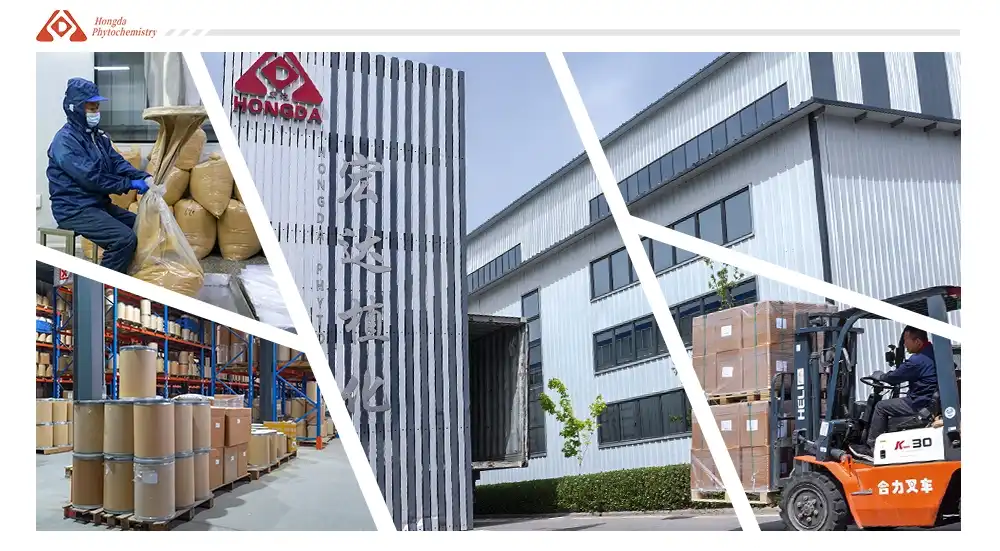
Manufacturers of well-known capsules keep the quality consistent by using computerized processes and checking each batch against the last one. Shaanxi Hongda's 20,000-square-meter plant has 10 extraction lines that can keep producing continuously. This makes sure that big store chains can keep getting what they need when seasonal demand goes up. Powder suppliers often work with smaller amounts and more variable lead times, which makes it harder for brands with just-in-time fulfillment models to plan their supplies. Technical support differentiates premium suppliers—Hongda's team of 20+ PhD researchers helps with formulation, stability testing methods, and regulatory paperwork in a way that commodity traders who only care about price competition can't. Payment flexibility further influences procurement decisions. Accepting T/T, VISA, XTransfer, and Alipay works with a variety of financial systems, making it easier for foreign buyers to handle transactions in multiple currencies.
Making the Right Choice: Strategic Recommendations for B2B Buyers
To choose the best format, you need to Tongkat Ali Extract Capsules make sure that the product's features match the needs of your target market, the rules that apply, and your brand's marketing strategies. To get the best results from sourcing, decision models should include these useful factors.
Formulation Ease and Private Label Capabilities
Turnkey capsule solutions that offer private label services are helpful for brands that want to get into the market quickly. Hongda offers full OEM support, which includes custom bottle choice (HDPE, glass, and PET options), label design that follows FDA and FTC rules, and ingredient creation using substances that work well together, such as Maca or Zinc. In contrast, getting powder requires more relationships with encapsulation facilities, which could make quality control harder to manage across multiple suppliers. Being able to change the color, size (00, 0, or 1), and material of the capsules (HPMC, gelatin, or pullulan) helps brands stand out in crowded markets.
Regulatory Compliance Across Regions
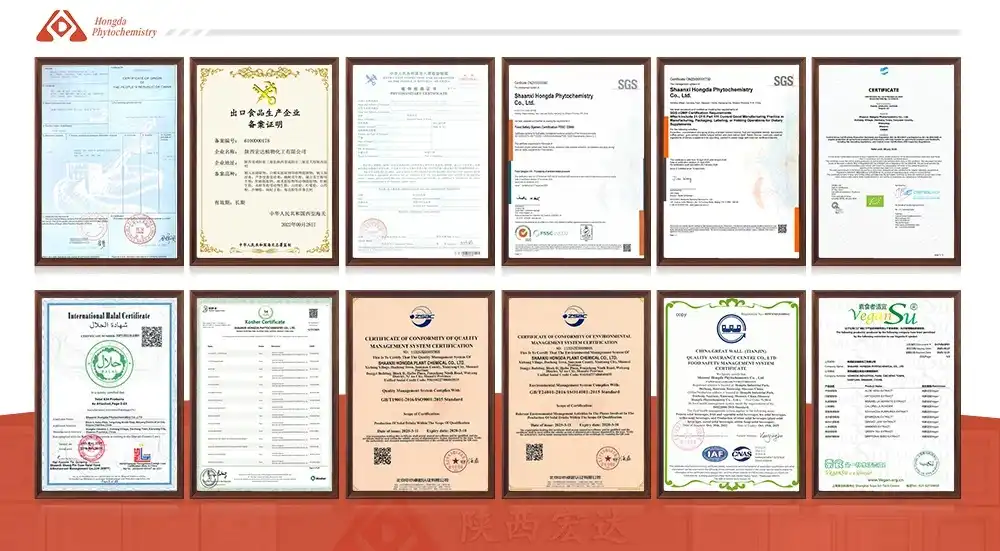
The United States' DSHEA rules require GMP compliance, correct Supplement Facts screens, and proof of structure-function claims. When it comes to regulations, capsule suppliers who already have FDA registration and GRAS approval make things easier for downstream makers than powder suppliers who have to get these credentials on their own. Novel Food regulations and Regulation (EC) No 1924/2006 for health claims are enforced in European markets. Approval times are sped up by paperwork packages from approved providers. Hongda has several certificates, including ORGANIC (USDA, EU), BRC, and ISO22000. These certifications provide pre-validated proof of compliance, which lowers the cost of legal advice during market growth.
Emerging Market Trends
Clean label goods are becoming more popular, which increases the need for HPMC pills without titanium dioxide and ingredients that have been checked to be non-GMO. When capsule makers follow these trends, buyer brands do better than rivals who use old-fashioned gelatin or fake colorants. The market for organic Tongkat Ali is growing at a compound annual growth rate (CAGR) of 12%. This is because millennials and Gen Zers care about the environment, and certified organic Tongkat Ali Extract Capsules command 20–30% price premiums that are supported by stories of ethical sources. Powder formats struggle to communicate these values effectively without sophisticated packaging and storytelling investments. Functional stacking represents another trend where Tongkat Ali combines with nootropics like Lion's Mane and Bacopa, adaptogens like Rhodiola and Cordyceps, or sports nutrition ingredients like Creatine and Beta-Alanine. Dual-chamber technologies or sequential release systems make it easier for people to use these complicated blends in capsule form, while powder stacking makes it harder for people to handle multiple goods, which lowers conversion rates.
Conclusion
Choosing between Tongkat Ali Extract Capsules and powder relies on how you run your business, the type of customers you want to attract, and how well you can run your operations. The enteric coating on capsules improves bioavailability and makes them ready for regulations. This makes them perfect for brands that want to make sure they follow consumer rules and keep their supply lines running smoothly. Powder has some uses in functional drinks and custom recipe labs, but it makes things more complicated when it comes to hiding flavors, keeping things stable, and making sure the quality is right. Integrated providers that offer finished pills backed by cGMP production, full certifications, and technical partnerships that lower the risk of product development processes and speed up time-to-market in the nutraceutical market are strategically advantageous.
FAQ1. What is the recommended daily dosage for Tongkat Ali extract?
Clinical proof supports 200-400mg daily of standardized extract (100:1 or 200:1 concentration) for testosterone modulation and stress reduction. Capsules simplify adherence to this range, while powder users must measure accurately to avoid subtherapeutic or excessive intake. Individual response varies based on age, baseline hormone levels, and concurrent supplement use.
2. How long does Tongkat Ali take to show effects?
Acute benefits, like better focus, may occur within hours, but hormonal optimization requires consistent supplementation for 4-8 weeks. Capsule formats with enteric coating accelerate initial absorption, though sustained benefits depend on daily compliance regardless of delivery form. Clinical trials typically measure outcomes at 12-week intervals.
3. Can Tongkat Ali capsules be opened and mixed into beverages?
While physically possible, opening capsules defeats bitterness-masking benefits and may degrade enteric coatings designed for intestinal release. This practice also introduces measurement inconsistency and compromises shelf stability. Consumers preferring liquid delivery should select purpose-formulated powder designed for beverage applications rather than repurposing capsules.
4. Are there certification differences between capsule and powder suppliers?
Both formats require identical botanical certifications (HALAL, KOSHER, ORGANIC), but capsule manufacturers must additionally validate encapsulation processes under cGMP standards covering equipment cleaning, cross-contamination prevention, and finished product testing. Powder suppliers providing only bulk extract transfer these validation burdens to buyers—a critical distinction for brands lacking in-house quality systems.
Partner with Hongda: Your Trusted Tongkat Ali Extract Capsules Supplier
Shaanxi Hongda Phytochemistry stands out as a strategic partner for brands demanding excellence in Tongkat Ali Extract Capsules manufacturing and supply. Our two-decade legacy since 2001 combines pharmaceutical-grade extraction technology with customer-centric flexibility. Operating from our 20,000 square meter cGMP-certified facility equipped with SGS-validated laboratories, we deliver standardized 100:1 and 200:1 extracts encapsulated in clean-label HPMC shells free from titanium dioxide. Our ultrasonic extraction process ensures <3% potency decay over 24 months while eliminating heavy metals and maintaining zero solvent residue verified through fingerprint traceability systems.
Beyond product quality, we excel in comprehensive OEM services covering custom labeling, bottle selection, and formulation optimization tailored to your brand requirements. International certifications, including FDA registration, FSSC 22000, HALAL, KOSHER, and ORGANIC credentials, streamline your regulatory compliance across North American and European markets. Our dedicated team of 20+ researchers provides technical consultation throughout product development, while flexible payment terms (T/T, VISA, XTransfer, Alipay) and multi-modal shipping options (DHL, FedEx, sea freight) ensure seamless global logistics.
Whether you're an emerging nutraceutical brand or an established distributor seeking reliable Tongkat Ali Extract Capsules for sale, Hongda delivers the quality assurance, supply chain stability, and partnership approach your business demands. Contact our team at duke@hongdaherb.com to discuss your specific requirements and receive customized quotations backed by complete technical documentation and sample availability.
References
1. Henkel, R. R., Wang, R., Bassett, S. H., Chen, T., Liu, N., Zhu, Y., & Tambi, M. I. (2014). Tongkat Ali as a potential herbal supplement for physically active male and female seniors—a pilot study. Phytotherapy Research, 28(4), 544-550.
2. Talbott, S. M., Talbott, J. A., George, A., & Pugh, M. (2013). Effect of Tongkat Ali on stress hormones and psychological mood state in moderately stressed subjects. Journal of the International Society of Sports Nutrition, 10(1), 28.
3. Tambi, M. I., Imran, M. K., & Henkel, R. R. (2012). Standardised water-soluble extract of Eurycoma longifolia, Tongkat ali, as a testosterone booster for managing men with late-onset hypogonadism. Andrologia, 44(s1), 226-230.
4. Kotirum, S., Ismail, S. B., & Chaiyakunapruk, N. (2015). Efficacy of Tongkat Ali (Eurycoma longifolia) on erectile function improvement: systematic review and meta-analysis of randomized controlled trials. Complementary Therapies in Medicine, 23(5), 693-698.
5. Thu, H. E., Mohamed, I. N., Hussain, Z., Jayusman, P. A., & Shuid, A. N. (2017). Eurycoma longifolia as a potential adaptogen of male sexual health: a systematic review on clinical studies. Chinese Journal of Natural Medicines, 15(1), 71-80.
6. Rehman, S. U., Choe, K., & Yoo, H. H. (2016). Review on a traditional herbal medicine, Eurycoma longifolia Jack (Tongkat Ali): its traditional uses, chemistry, evidence-based pharmacology and toxicology. Molecules, 21(3), 331.