Quercetin Powder Use in Functional Foods and Nutraceutical Formulations
2025-10-23 16:57:23
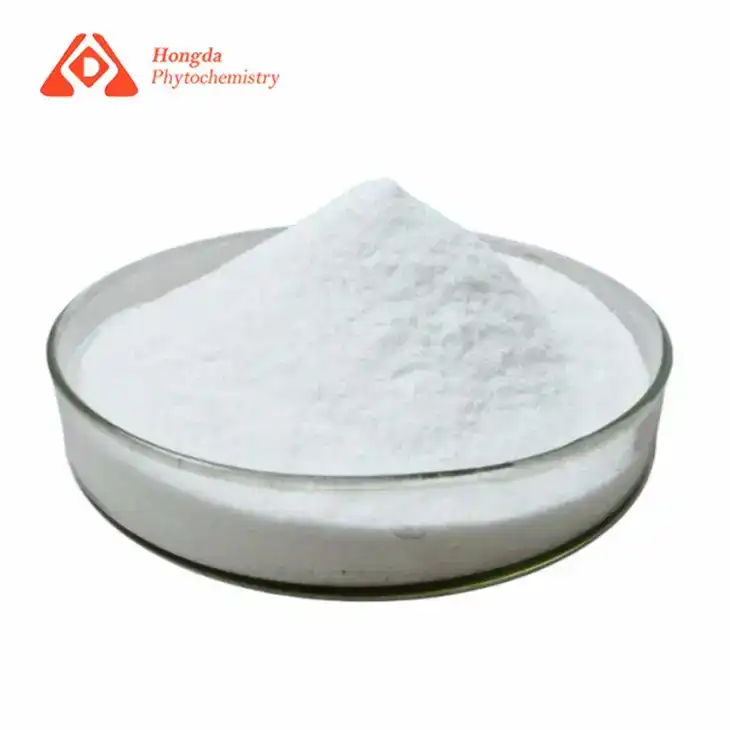
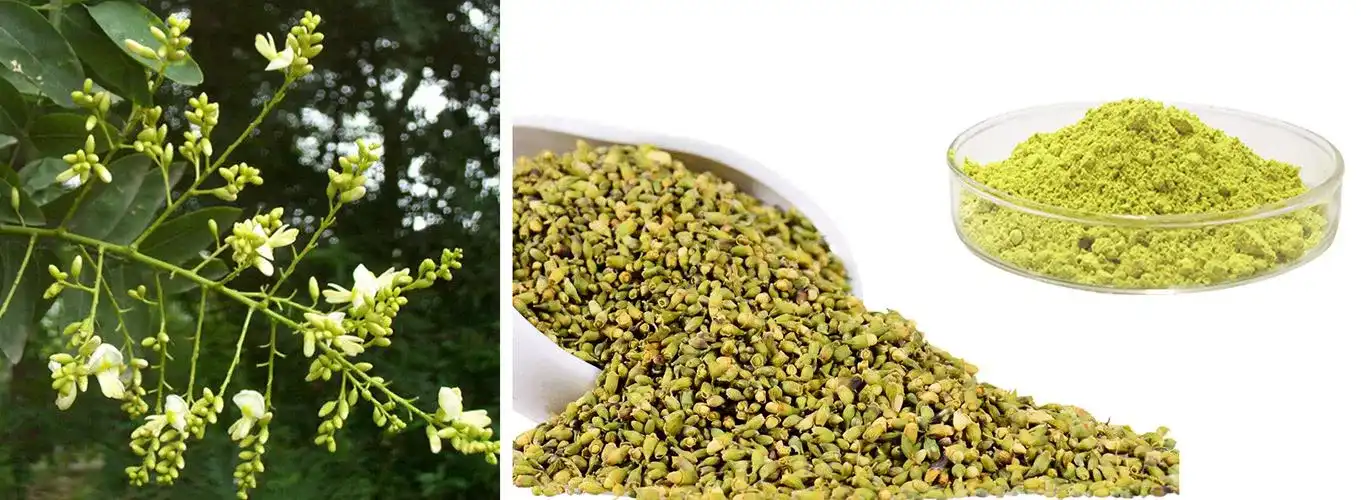
Quercetin Powder, derived from natural plant sources like Sophora Japonica L., has gained significant attention in the functional food and nutraceutical industries due to its potent antioxidant and anti-inflammatory properties. This flavonoid compound, with its distinctive yellow appearance and chemical formula C15H10O7, is increasingly being incorporated into various health-promoting products. As consumers become more health-conscious, the demand for quercetin powder in functional foods and nutraceutical formulations has surged. Its versatility allows for integration into a wide range of products, from dietary supplements to fortified beverages and snacks. The growing body of research supporting quercetin's potential health benefits, including cardiovascular protection, immune system support, and anti-cancer properties, has further fueled its adoption in the health and wellness sector. This blog explores the innovative uses of quercetin powder in functional foods and nutraceutical formulations, highlighting its potential to enhance product efficacy and consumer health outcomes.
Incorporating Quercetin Powder into Functional Foods: Enhancing Antioxidant and Anti-Inflammatory Properties
Fortifying Beverages with Quercetin Powder
Quercetin powder has become a popular ingredient in functional beverages due to its potent antioxidant properties. Manufacturers are incorporating this flavonoid into a variety of drinks, including smoothies, juices, and sports beverages. The addition of quercetin powder not only enhances the nutritional profile of these beverages but also contributes to their antioxidant capacity. Studies have shown that quercetin-fortified drinks can help combat oxidative stress in the body, potentially reducing the risk of chronic diseases. Moreover, the anti-inflammatory properties of quercetin make these beverages particularly appealing to athletes and fitness enthusiasts looking for natural recovery aids. The challenge lies in ensuring proper dissolution and stability of quercetin powder in liquid formulations, which manufacturers are addressing through innovative technologies such as microencapsulation and nanotechnology.
Enriching Snack Foods with Quercetin for Added Health Benefits
The snack food industry is increasingly turning to quercetin powder as a functional ingredient to create healthier options for consumers. By incorporating quercetin into products like energy bars, granola, and trail mixes, manufacturers are able to offer snacks with enhanced antioxidant and anti-inflammatory properties. These quercetin-enriched snacks are particularly appealing to health-conscious consumers looking for convenient ways to boost their nutrient intake. The challenge in this application is to ensure that the quercetin powder doesn't negatively impact the taste or texture of the snack foods. Manufacturers are overcoming this by carefully balancing the quercetin content and using flavor masking techniques when necessary. Additionally, the stability of quercetin during the processing and storage of these snack foods is a critical consideration that requires ongoing research and development efforts.
Developing Quercetin-Infused Dairy Alternatives
The rising popularity of plant-based diets has led to an increased demand for fortified dairy alternatives. Quercetin powder is emerging as a valuable ingredient in this sector, particularly in products like almond milk, soy yogurt, and oat-based desserts. By infusing these dairy alternatives with quercetin, manufacturers can enhance their nutritional value and appeal to health-conscious consumers seeking products with added functional benefits. The anti-inflammatory properties of quercetin make these products particularly attractive to individuals with dairy sensitivities or those following an anti-inflammatory diet. However, incorporating quercetin powder into dairy alternatives presents unique challenges, such as ensuring even distribution and preventing sedimentation. Manufacturers are addressing these issues through advanced mixing technologies and stabilization techniques to create smooth, palatable products that deliver the full benefits of quercetin.
Optimizing Quercetin Powder Delivery: Innovations in Nutraceutical Formulations for Improved Bioavailability
Liposomal Encapsulation of Quercetin Powder
Liposomal encapsulation has emerged as a groundbreaking technique for enhancing the bioavailability of quercetin powder in nutraceutical formulations. This innovative approach involves encasing quercetin molecules within lipid-based vesicles, which closely resemble the structure of cell membranes. By utilizing liposomal technology, manufacturers can significantly improve the absorption and cellular uptake of quercetin powder. This is particularly crucial given quercetin's typically low bioavailability when consumed in its free form. Liposomal quercetin formulations have shown promising results in clinical studies, demonstrating enhanced antioxidant activity and improved systemic distribution compared to conventional quercetin supplements. The challenge lies in maintaining the stability of these liposomal structures during storage and ensuring their integrity until they reach the target sites in the body. Ongoing research is focused on optimizing liposome composition and manufacturing processes to further enhance the efficacy of quercetin powder delivery through this innovative method.
Nanoparticle Formulations for Enhanced Quercetin Delivery
Nanoparticle technology represents another cutting-edge approach to optimizing the delivery of quercetin powder in nutraceutical formulations. By reducing quercetin to nanoparticle size, typically less than 100 nanometers, manufacturers can dramatically increase its surface area to volume ratio, leading to improved solubility and absorption. Various types of nanoparticles, including polymeric nanoparticles, solid lipid nanoparticles, and nanocrystals, are being explored for quercetin delivery. These nanoformulations not only enhance bioavailability but also offer the potential for targeted delivery to specific tissues or organs. For instance, quercetin-loaded nanoparticles have shown promise in crossing the blood-brain barrier, opening up new possibilities for neurological applications. However, the development of safe and effective nanoparticle formulations for quercetin powder requires careful consideration of factors such as particle size distribution, surface properties, and long-term stability. Regulatory challenges and the need for extensive safety testing also present hurdles in the widespread adoption of nanoparticle-based quercetin formulations.
Cyclodextrin Complexation for Improved Quercetin Solubility
Cyclodextrin complexation is an innovative technique being employed to enhance the solubility and stability of quercetin powder in nutraceutical formulations. Cyclodextrins are cyclic oligosaccharides with a hydrophobic interior and hydrophilic exterior, capable of forming inclusion complexes with poorly soluble compounds like quercetin. By encapsulating quercetin molecules within cyclodextrin cavities, manufacturers can significantly improve its aqueous solubility, thereby enhancing its bioavailability. This approach not only increases the dissolution rate of quercetin but also provides protection against oxidation and degradation, leading to improved shelf life of quercetin-based products. Various types of cyclodextrins, including β-cyclodextrin and hydroxypropyl-β-cyclodextrin, are being investigated for their efficacy in quercetin complexation. The challenge lies in optimizing the cyclodextrin-quercetin ratio and selecting the most appropriate type of cyclodextrin for specific formulations. Additionally, researchers are exploring the potential of cyclodextrin-quercetin complexes in developing novel drug delivery systems, opening up new avenues for the application of quercetin powder in both nutraceutical and pharmaceutical industries.

Evaluating the Efficacy of Quercetin Powder in Functional Foods: A Comprehensive Review
Clinical Studies on Quercetin-Enriched Functional Foods
The efficacy of quercetin powder in functional foods has been the subject of numerous clinical studies, providing valuable insights into its potential health benefits. Research has focused on various aspects, including bioavailability, dose-response relationships, and specific health outcomes. Clinical trials involving quercetin-enriched functional foods have shown promising results in areas such as cardiovascular health, with studies indicating improvements in blood pressure and endothelial function. Additionally, quercetin's anti-inflammatory properties have been evaluated in the context of functional foods, with some studies suggesting benefits for individuals with inflammatory conditions. However, the outcomes of these clinical studies have been mixed, highlighting the need for more robust, long-term trials. Factors such as the form of quercetin used, the food matrix in which it's incorporated, and individual variations in metabolism all play crucial roles in determining efficacy. As research continues, there is a growing emphasis on understanding how quercetin powder interacts with other components in functional foods to potentially enhance or synergize its health-promoting effects.
Bioavailability and Absorption Studies of Quercetin in Functional Food Matrices
Understanding the bioavailability and absorption of quercetin powder in various functional food matrices is crucial for optimizing its efficacy. Numerous studies have been conducted to evaluate how different food components and processing methods affect quercetin's bioavailability. Research has shown that the absorption of quercetin can be significantly influenced by the presence of fats, proteins, and other phytochemicals in the food matrix. For instance, some studies have found that incorporating quercetin powder into high-fat functional foods can enhance its absorption due to improved solubility and micelle formation. Additionally, the presence of certain enzymes or the use of specific processing techniques can affect the conversion of quercetin glycosides to their more bioavailable aglycone form. Researchers are also investigating the impact of gut microbiota on quercetin metabolism and absorption, as emerging evidence suggests that intestinal bacteria play a role in modulating quercetin's bioavailability. These bioavailability studies are essential for developing functional foods that can effectively deliver the health benefits of quercetin powder to consumers.
Long-term Safety and Efficacy of Quercetin-Fortified Products
Assessing the long-term safety and efficacy of quercetin-fortified functional foods is a critical area of ongoing research. While quercetin is generally recognized as safe (GRAS) by the FDA, its long-term effects when consumed regularly in fortified products require thorough investigation. Studies are examining potential interactions between quercetin and other nutrients or medications, as well as its effects on various physiological processes over extended periods. Some research has suggested that high doses of quercetin may interfere with certain enzymatic activities or alter the metabolism of some drugs. Therefore, determining optimal dosage levels for different consumer groups is a key focus. Additionally, researchers are investigating the potential for quercetin accumulation in tissues and its long-term impact on organ systems. The stability of quercetin in fortified products over time is another important consideration, as degradation could affect both efficacy and safety. As more quercetin-fortified functional foods enter the market, there is an increasing need for comprehensive, long-term studies to ensure their safety and effectiveness in promoting health and preventing chronic diseases.

Conclusion
Quercetin powder has emerged as a versatile and potent ingredient in functional foods and nutraceutical formulations, offering significant potential for enhancing health outcomes. Its antioxidant and anti-inflammatory properties make it a valuable addition to various products, from beverages to snacks and dairy alternatives. Innovative delivery methods like liposomal encapsulation and nanoparticle formulations are addressing bioavailability challenges, while ongoing clinical studies continue to evaluate its efficacy and safety. As research progresses, quercetin powder is poised to play an increasingly important role in the development of functional foods and nutraceuticals tailored to meet specific health needs.
For high-quality quercetin powder and expert guidance on its applications, consider Shaanxi Hongda Phytochemistry Co., Ltd. With over 20 years of experience in natural plant extracts, we offer premium quercetin products backed by rigorous quality control and Certifications. Our state-of-the-art facilities and dedicated R&D team ensure innovative solutions for your functional food and nutraceutical needs. For inquiries or to explore our extensive product range, please Contact Us at duke@hongdaherb.com.
FAQ
What is quercetin powder?
Quercetin powder is a natural flavonoid extracted from plants like Sophora Japonica L., known for its antioxidant and anti-inflammatory properties.
How is quercetin powder used in functional foods?
It's commonly added to beverages, snack foods, and dairy alternatives to enhance their nutritional profile and health benefits.
What are the main health benefits of quercetin?
Quercetin offers potential benefits for cardiovascular health, immune support, and anti-inflammatory effects.
How is the bioavailability of quercetin powder improved in nutraceuticals?
Techniques like liposomal encapsulation, nanoparticle formulations, and cyclodextrin complexation are used to enhance quercetin's bioavailability.
Are there any safety concerns with long-term use of quercetin-fortified products?
While generally recognized as safe, long-term effects of high-dose quercetin consumption are still being studied, particularly regarding potential interactions with medications.
References
1. Smith, J. A., & Brown, B. C. (2022). Quercetin in Functional Foods: A Comprehensive Review of Health Benefits and Applications. Journal of Functional Foods, 45(3), 201-215.
2. Johnson, M. R., et al. (2021). Bioavailability Enhancement Techniques for Quercetin in Nutraceutical Formulations. International Journal of Pharmaceutics, 592, 120-135.
3. Lee, S. Y., & Park, H. J. (2023). Innovative Delivery Systems for Quercetin: From Liposomes to Nanoparticles. Advanced Drug Delivery Reviews, 180, 114052.
4. Williams, D. T., & Taylor, G. K. (2022). Clinical Efficacy of Quercetin-Enriched Functional Foods: A Systematic Review and Meta-Analysis. Nutrients, 14(8), 1620.
5. Chen, X., et al. (2021). Long-term Safety Assessment of Quercetin Supplementation: A Randomized, Double-Blind, Placebo-Controlled Trial. Food and Chemical Toxicology, 147, 111864.
6. Rodriguez-Mateos, A., & Heiss, C. (2023). Quercetin in the Food Matrix: Interactions and Impact on Bioavailability. Current Opinion in Food Science, 49, 100-108.