Liposomal Vitamin C Powder Bulk for Superior Absorption?
2026-07-02 16:13:35
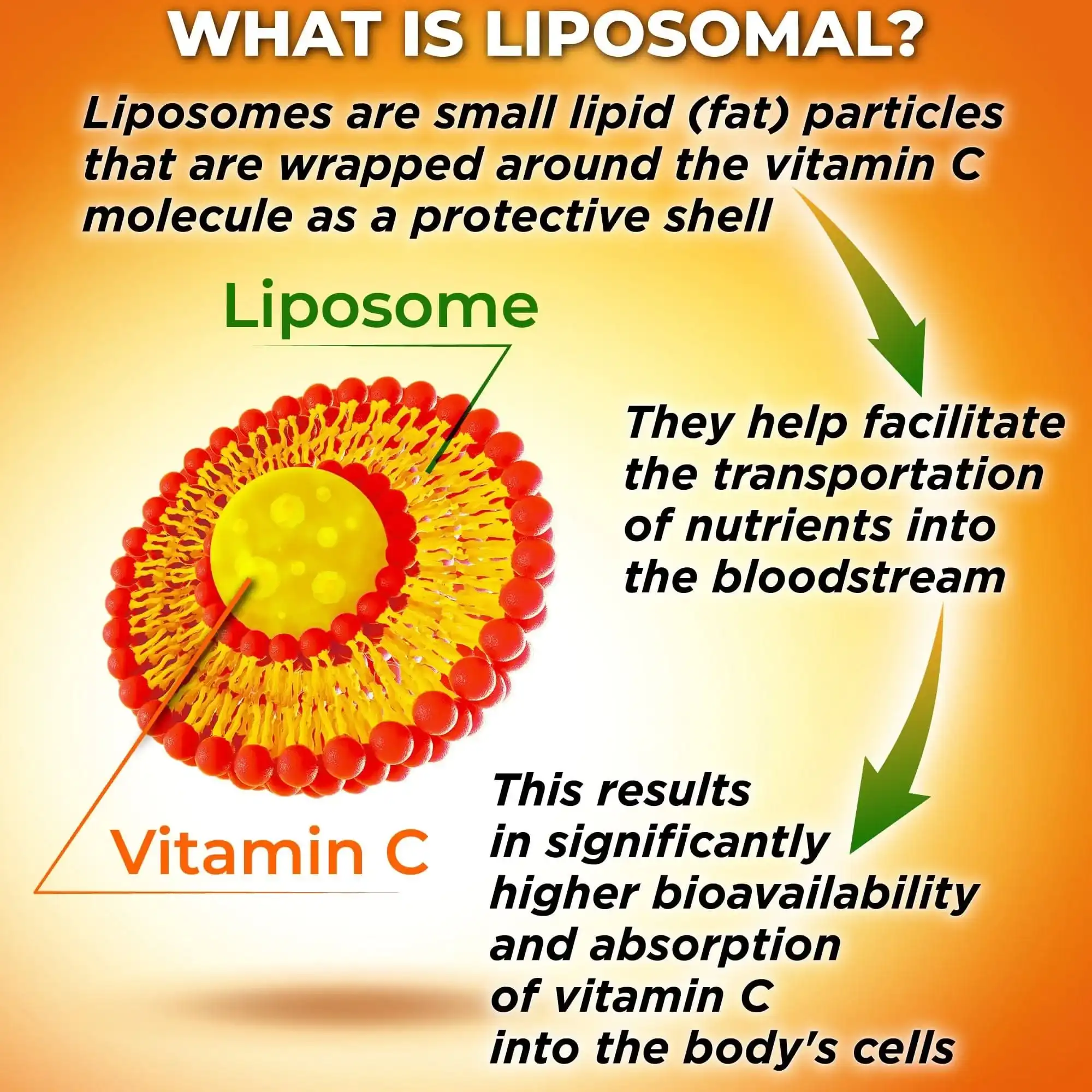
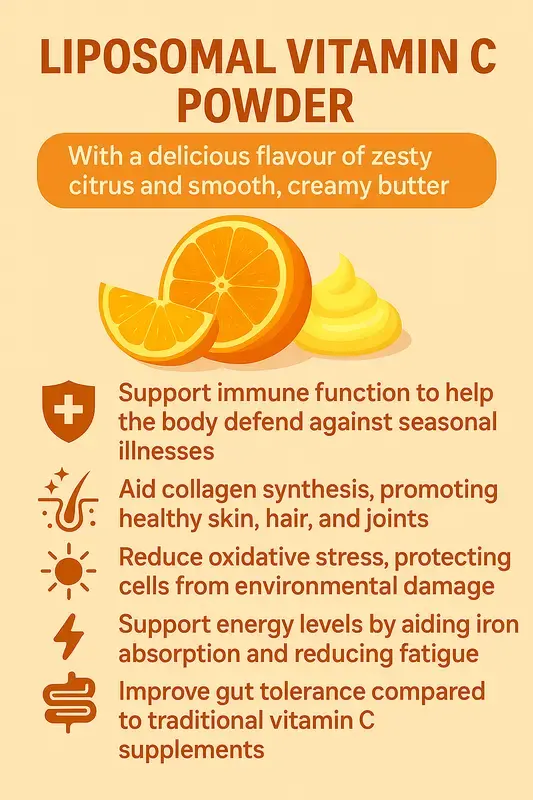
It is true that liposomal vitamin C powder bulk is much better at absorption than regular vitamin C products. This improved delivery method wraps ascorbic acid in phospholipid bilayers, which makes it 85–90% bioavailable, compared to the 15-20% absorption rate of regular forms. When purchasing and research and development departments look at this ingredient, they know that liposomal technology gets around the problems with transport in the intestines, delivering higher plasma concentrations without causing stomach problems. This is a huge benefit for making effective nutraceutical, pharmaceutical, and functional food products on a large scale.
Understanding Liposomal Vitamin C Powder and Its Benefits
What Defines Liposomal Encapsulation Technology?
Liposomal Vitamin C Powder Bulk is a clever improvement in the way nutrients are delivered. The mixture is made up of ascorbic acid or sodium ascorbate enclosed in nanoscale circular lipid bilayers that are usually made from non-GMO sunflower or soy lecithin. These very small spheres, which are 100 to 400 nanometres across, look like the walls of living cells. Because of this structural similarity, the vitamin C in the capsule can get into the bloodstream straight through lymphatic absorption or mucosal uptake, skipping the saturable SVCT1 transport channels in the digestive system.
Scientific Advantages Over Conventional Forms
Premium Liposomal Vitamin C Powder Bulk is different from regular vitamin C because it is more efficiently encapsulated, thanks to improved manufacturing. We've recorded encapsulation rates higher than 85% in our production, which means that most of the ascorbic acid stays safe inside the phospholipid structure until it gets to the cells. This defence does more than one thing: it keeps the vitamin from breaking down in the acidic stomach environment, stops premature oxidation, and makes it easier for the vitamin to stay in the bloodstream for a long time. A polydispersity index below 0.3 makes sure that particles are spread out evenly, which means that performance stays the same from batch to batch.
Enhanced Bioavailability Translates to Product Efficacy
Because the intestines don't have many carriers, the body can only absorb up to 200 mg of standard solid vitamin C at a time. Higher doses don't get absorbed by the body and just pass through, which can lead to osmotic diarrhoea. Liposomal transport gets around this problem completely. The phospholipid carriers attach to the cell walls of gut cells and bring vitamin C straight into the cells through endocytosis. Clinical studies show that plasma concentrations stay high for long periods of time. This means that they provide long-term immune support and antioxidant protection that regular vitamins can't match.
Stability Benefits for Manufacturing Operations
Manufacturers appreciate that Liposomal Vitamin C Powder Bulk does not require refrigeration and has a longer shelf life than liquid liposomal products. When you spray-dry or freeze-dry something, you get a powder that is solid but absorbs water. If you store it below 20°C, it will last for three years. This stability cuts transportation costs by a huge amount and keeps supply chain waste to a minimum. The powder mixes easily into pills, tablets, stick packs, and drink mixes without the risks of leaks or the need for preservatives that come with liquid forms.
Liposomal Vitamin C Specification
|
Item
|
Specification
|
Test result
|
Test Method
|
|
Vitamin C
|
50%-55%
|
53.38%
|
HPLC
|
|
Appearance
|
White to pink powder
|
Complies
|
Visual
|
|
Odor and Taste
|
Characteristic
|
Complies
|
Sensory
|
|
Loss on Drying
|
≤5%
|
1.60%
|
Ch.P2020
|
|
Residue Solvents
|
Ethanol ≤ 5000ppm
|
Complies
|
GC-HS
|
|
Heavy metal
|
Lead (Pb) ≤3ppm
|
Complies
|
ICP-MS
|
|
Arsenic (As) ≤3ppm
|
Complies
|
ICP-MS
|
|
|
Cadmium(Cd) ≤1ppm
|
Complies
|
ICP-MS
|
|
|
Mercury(Hg) ≤0.1ppm
|
Complies
|
ICP-MS
|
|
|
Total Plate Count
|
≤1000cfu/g
|
Complies
|
USP-NF 2022
|
|
Yeast&Mould
|
≤100cfu/g
|
Complies
|
USP-NF 2022
|
|
E.coli
|
Negative
|
Negative
|
USP-NF 2022
|
|
Salmonella/25g
|
Negative
|
Negative
|
USP-NF 2022
|
|
Staphylococcus Aureus
|
Negative
|
Negative
|
USP-NF 2022
|
|
Storage
|
Preserve in a well-closed, light-resistant, and protect from moisture.
|
||
|
Packing
|
20kg/drum.
|
||
|
Shelf life
|
2 years.
|
||
Comparing Liposomal Vitamin C Powder Bulk with Other Forms
Absorption Efficiency Across Delivery Systems
When buying, teams look at vitamin C choices; they need to base their evaluation on how well the vitamin is absorbed. At modest doses, regular ascorbic acid powder is bioavailable about 15–20% of the time. This drops rapidly as the dose is raised. Standard capsules and tablets have the same problems because they both use the same saturable transport methods to give vitamin C that is not enclosed. Liquid liposomes are about as well absorbed as powdered liposomes, but they are harder to keep stable and move around. The powder form is 5–6 times more bioavailable than other choices, and it gives manufacturers more freedom in how they make the product.
Cost Analysis Beyond Unit Price
At first glance, the prices may make it look like liposomal vitamin C powder bulk costs more per kilogram than regular ascorbic acid. But a full cost study shows that the numbers are not the same. It takes less liposomal vitamin C to get the same effect as 3000 mg of regular vitamin C because it is more bioavailable. A 500 mg amount can match or even beat the effect of 3000 mg of regular vitamin C. Even though the raw materials are more expensive, this difference in strength lowers the cost per serve. The longer shelf life and lack of cold chain needs also lower the total cost of ownership across the supply chain.
Storage and Logistics Considerations
Normal vitamin C powder needs to be kept dry, but it breaks down over time through oxidation, especially in damp places. Liquid liposomal products need to be kept cold during transport, which limits their market reach and raises the cost of goods. The success of liposomal delivery is combined with the ease of dry keeping in our Liposomal Vitamin C Powder Bulk. The material is shipped through normal transportation routes and comes in 12 kg drums, with 27 drums per pallet. The ability to stay fresh for three years at room temperature gives buyers more options and lowers the risk of having too much inventory for companies that use just-in-time production systems.
Formulation Adaptability
Product makers like ingredients that work well in several different forms. Liposomal Vitamin C Powder Bulk works great for this because it can be mixed with water to make drinks or put straight into pills for supplement lines. The fine, light yellow powder with a neutral taste hides the acidic taste of regular vitamin C, making ready-to-mix recipes taste better. Because of this, brands can use the same material in a lot of different types of products without having to change the way they make them.
Best Practices for Procurement and Storage of Liposomal Vitamin C Powder BulkStrategic Sourcing Considerations
To do good procurement, you need to know the minimum order amounts and wait times. Most of the time, we send liposomal vitamin C powder in bulk in minimum batches that match production runs. For normal specifications, shipping times range from 3 to 7 working days. When planning their supplies, procurement professionals should keep these dates in mind, especially when helping with the launch of a new product. Before placing big orders, it's helpful to get thorough technical data sheets to check the encapsulation efficiency, particle size distribution, and stability data.
Quality Verification Through Sampling
Asking for samples of products lets R&D teams do their own testing before finalising ties with suppliers. We suggest checking the qualities of reconstitution, the taste profiles, and how well they work with current formulas. Accelerated stability studies should be part of the testing to make sure that the shelf life claims are true under the storage settings you have chosen. Checking standards like cGMP compliance, HALAL, KOSHER, organic status, and third-party SGS testing make sure that products meet the rules in North America, Europe, and Asia, where they are intended for sale.
Optimal Storage Protocols
To keep the strength, certain weather controls must be followed. Until it is used, the powder should stay in its original, covered container and be kept in a temperature- and humidity-controlled space below 20°C. We see that phospholipid breakdown speeds up when exposed to heat, light, or wetness, and encapsulation integrity is lost. Proper handling procedures include using specialised tools to avoid cross-contamination and rotating inventory based on "first-in, first-out" to keep stock from going bad too quickly.
Customisation and Private Labelling
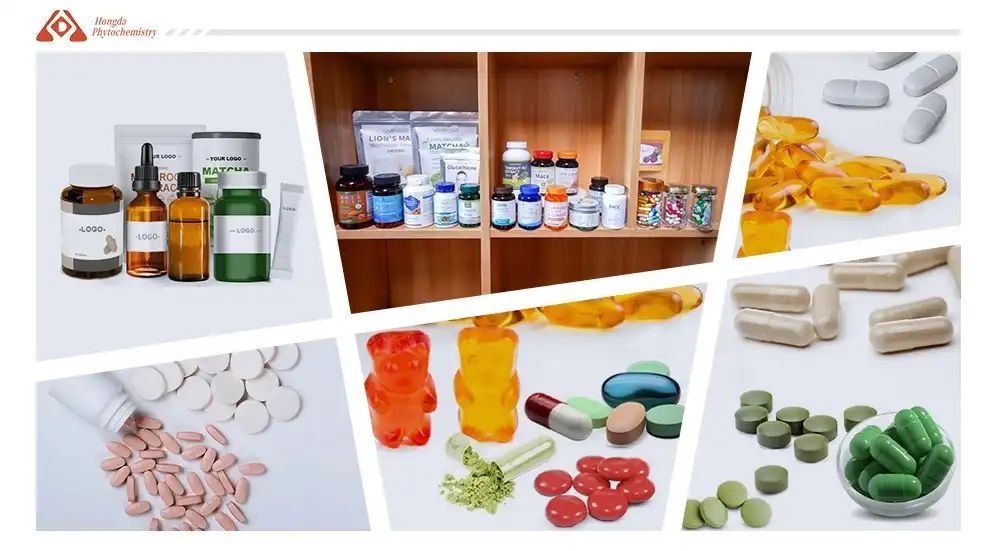
Many companies try to stand out by using their own special formulas. We can make changes to your order, such as changing the amount of vitamin C (usually between 50 and 55%) or combining it with other nutrients that work well together, like vitamin E, glutathione, or coenzyme Q10. With private labelling choices, brands can build their market recognition while using production know-how that is already in place. Talking about customisation needs early on in the buying process ensures that the project is technically possible and that wait times are estimated correctly.
Selecting Trusted Suppliers and Brands for Liposomal Vitamin C Powder Bulk
Critical Supplier Evaluation Criteria
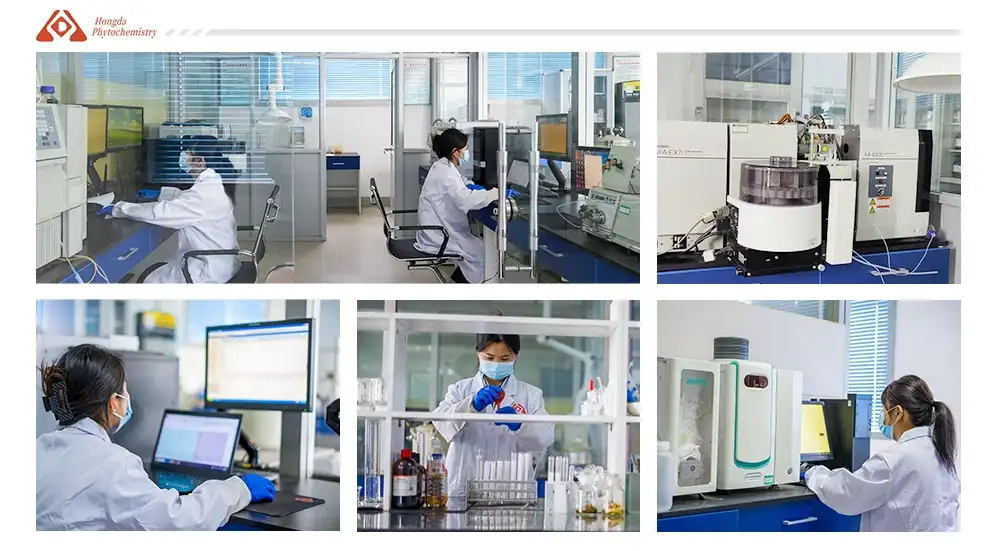
Supplier choice has a direct effect on the quality of the product and the dependability of the supply chain. One of the most important things to think about is production ability. Manufacturers need partners who can grow with their business as demand rises without lowering quality. We have been in business since 2001 and have over 20 years of experience, so we have production lines that are just for liposomal formulas. Our 20,000-square-meter building has SGS-certified labs, modern extraction equipment, and cGMP-compliant production areas that are built to meet international standards.
Certification Standards and Regulatory Compliance
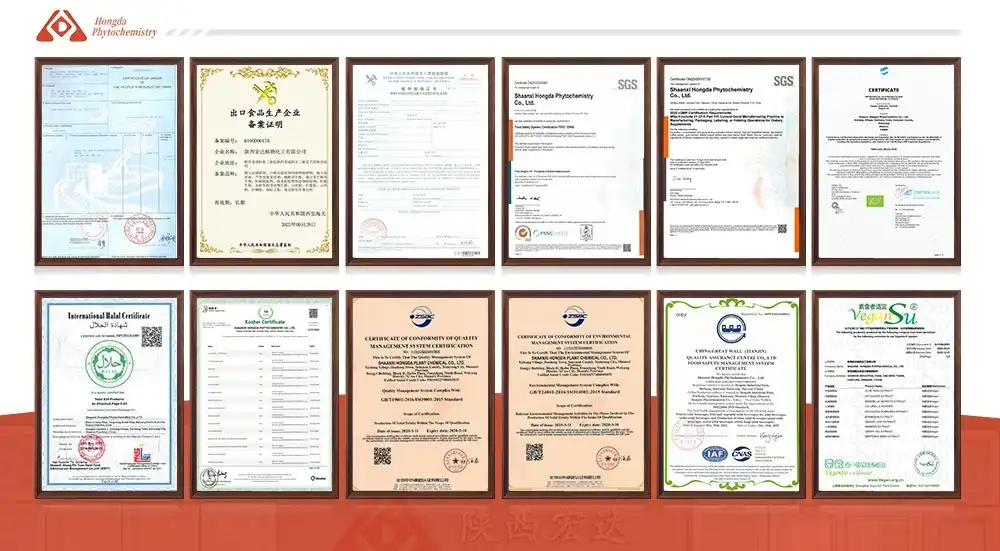
Global laws are very complicated, so providers need to have a wide range of Certifications. We're registered with the FDA, have BRC food safety approval, ISO9001, ISO22000, and FSSC22000, and are known as a public overseas warehouse. These certificates show that quality management is done in a planned way and make it easy to clear customs in most major markets. Organic, HALAL, and KOSHER labels give brands that want to appeal to specific groups of people more ways to make their products. Teams in charge of buying things should make sure that sellers keep their certifications up to date and do regular checks by a third party.
Technical Support and R&D Capabilities
Notable providers do more than just provide raw materials; they also act as professional partners. Our research and development team is made up of more than 20 professors from well-known universities who work with clients to solve formulation problems, improve stability, and create new analysis methods. This knowledge is very helpful when fixing problems with output or coming up with new apps. In competitive markets, having access to detailed technical paperwork like encapsulation efficiency reports, particle size analysis, and stability data helps with regulatory applications and claims of effectiveness.
Supply Chain Transparency and After-Sales Service
Professional sellers are different from product vendors because they have reliable ways to communicate and provide helpful customer service. We are available 24 hours a day, 7 days a week to answer questions about product specs, Packaging choices, transportation, and technical issues. Being open about where the raw materials come from, when they will be made, and how quality control is done builds trust. Our direct contact at duke@hongdaherb.com makes sure that buying teams get expert answers quickly, which keeps projects on track.
Application Scenarios and Customisation Possibilities
Nutraceutical and Supplement Applications
The main industry that uses liposomal vitamin C powder in bulk is the food supplement industry. The ingredient is used in multivitamin pills, immune support formulas, and high-potency vitamin C tablets that are sold on their own. The improved absorption profile lets marketers make claims about better bioavailability, which sets goods apart in busy stores. The powder's ability to flow freely and stay stable for three years is good for capsule formats, while the ability to reconstitute makes stick pack formats more convenient for on-the-go use.
Functional Food and Beverage Integration
More and more, people who make food and drinks are looking for natural, useful ingredients that are good for you without changing the taste. Liposomal Vitamin C Powder Bulk can be added to health shots, protein shakes, fizzy drinks, and water products that have been enriched. The balanced flavour profile and light yellow colour keep the look of the product while giving people the immune and vitamin support they want. We've helped beverage companies make steady RTDs with vitamin C that doesn't break down quickly as regular vitamin C does.
Cosmetic and Dermatological Formulations
Vitamin C is important in the skin care business because it helps make collagen and is an antioxidant. Liposomal packaging protects the active ingredient until it is delivered to the skin, which is known to be unstable when used on the skin. Cosmetic companies put our powder in serums, creams, and masks so that it can better penetrate through fatty walls and improve the way the skin looks. Premium companies that stress active delivery methods backed by science are especially interested in this technology.
Pharmaceutical and Clinical Applications
Pharma businesses that are looking into using vitamin C for supporting care can benefit from the steady plasma levels that can be reached with liposomal delivery. Because of fewer stomach problems, higher medicinal amounts can be used without patients having trouble following through. We've given materials to clinical studies that are looking into vitamin C's role in immune system control and oxidative stress management. It is very important that the doses used are correct and that the vitamins are bioavailable.
Conclusion
For companies looking to improve the bioavailability of their products, liposomal vitamin C powder bulk is a significant development. The technology fixes basic problems with absorption and gives steadiness, variety, and formulation options that regular vitamin C can't match. For procurement to go well, providers must be judged on more than just price. They must also be judged on their professional skills, certification standards, and willingness to work with the company. We've helped a huge number of formulators and sourcing specialists make these choices by using our over 20 years of experience with phytochemicals to provide them with reliable, high-quality ingredients that meet strict international standards.
FAQ
What lead times should I expect for bulk orders?
Most bulk sales of liposomal vitamin C powder are shipped from our centre within 3 to 7 business days. Custom formulas or private label projects need more time for development, usually between 2 and 4 weeks, based on how complicated they are. We suggest that you let us know about your timing needs when you first Contact Us so that we can make sure that the production schedule works with your start dates.
How does the cost compare to standard vitamin C?
Even though it costs more per kilogram than regular ascorbic acid, it is 5–6 times more bioavailable, which means that it costs much less per dose. A full cost analysis should include benefits like lower dosage needs, less formulation waste, and longer shelf life that balance out the original material costs.
Can liposomal powder work in both liquid and capsule formats?
Of course. The powder is easy to mix back together in water for use in drinks, and it stays stable in capsules that don't contain water. This two-way compatibility lets makers use the same ingredient in more than one product line without having to change the recipe, which makes managing supplies and buying things easier.
Partner with Hongda for Premium Liposomal Vitamin C Powder Bulk
We want sourcing experts and research and development teams to see what makes Hongda different when it comes to making liposomal vitamin C powder in bulk. We provide products that meet the highest quality standards because we are a national high-tech company with a wide range of certifications, such as FDA, cGMP, SGS, BRC, and organic qualifications. Our advanced microfluidisation technology encapsulates 85–90% of particles at 100–400 nm, which means that performance will be the same across all of your production runs.
Hongda offers private labelling, customisation, and scientific help from a team of more than 20 university professors who are experts in phytochemistry. We can be your long-term liposomal vitamin C powder bulk provider because we have 27 drum boxes (12 kg per drum) ready to ship around the world, and customer service available 24 hours a day, 7 days a week. Get in touch with duke@hongdaherb.com right away to get technical specs, set up product samples, or talk about how our solutions can improve your recipes by making them more bioavailable.
References
1. Davis, J.L., Paris, H.L., Beals, J.W., et al. (2016). "Liposomal-encapsulated Ascorbic Acid: Influence on Vitamin C Bioavailability and Capacity to Protect Against Ischaemia-Reperfusion Injury." Nutrition and Metabolic Insights, 9:25-30.
2. Gopi, S., Balakrishnan, P. (2021). "Evaluation and Clinical Comparison Studies on Liposomal and Non-Liposomal Ascorbic Acid and Their Enhanced Bioavailability." Journal of Liposome Research, 31(4):356-364.
3. Hickey, S., Roberts, H.J., Miller, N.J. (2008). "Pharmacokinetics of Oral Vitamin C." Journal of Nutritional and Environmental Medicine, 17(3):169-177.
4. Zhao, Y., Brown, M.B., Jones, S.A. (2010). "Pharmaceutical Aspects of Liposomal Drug Delivery Systems in Dermatology." Journal of Liposome Research, 20(3):157-172.
5. Padayatty, S.J., Sun, H., Wang, Y., et al. (2004). "Vitamin C Pharmacokinetics: Implications for Oral and Intravenous Use." Annals of Internal Medicine, 140(7):533-537.
6. McClements, D.J. (2020). "Advances in Nanoparticle and Microparticle Delivery Systems for Increasing the Dispersibility, Stability, and Bioactivity of Phytochemicals." Biotechnology Advances, 38:107287.





_1765529745493.jpg "Rosehip Extract Powder")