Liposomal Iron Powder vs Traditional Iron: What’s the Difference?
2026-04-30 16:00:04
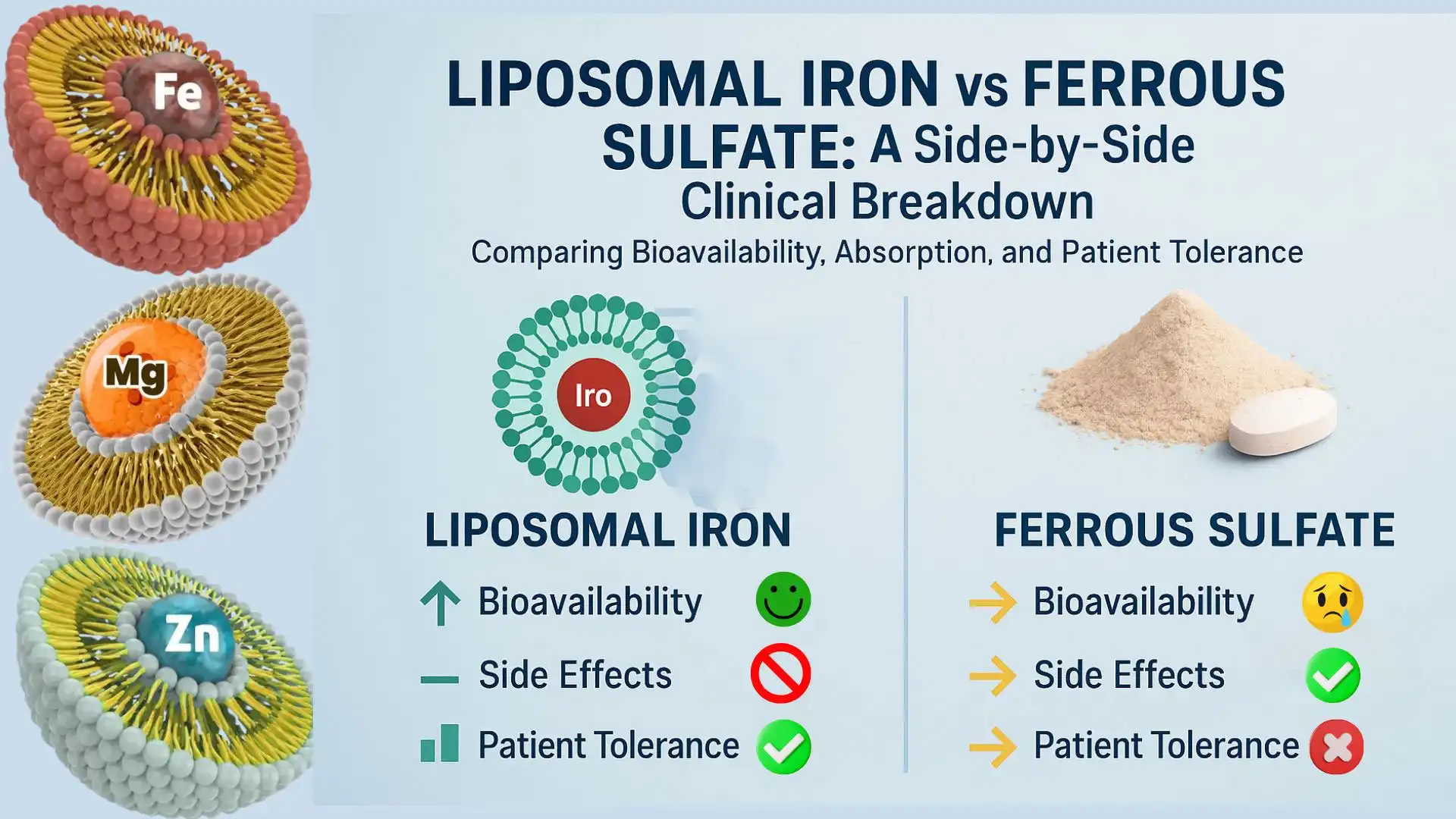
The main difference is in how the drugs are delivered and how well they are absorbed. Liposomal Iron Powder uses phospholipid encapsulation to protect iron molecules by covering them with a lipid bilayer that looks like a cell membrane. When compared to regular iron salts like ferrous sulfate or ferrous gluconate, this new version is 3.5 to 5 times more bioavailable. Ions are released straight into the stomach by traditional iron pills. This puts oxidative stress on the gastric mucosa and causes common side effects like sickness and constipation. The liposomal delivery method gets around these problems by keeping the iron safe during transport and making it easier for M-cells to take it up in gut tissue. This makes it perfect for sensitive groups of people and high-quality nutraceutical formulations.
Understanding Liposomal Iron Powder and Traditional Iron Supplements
Chemical Composition and Structure
In traditional iron supplements, ferrous sulfate, ferrous fumarate, ferrous gluconate, and ferric pyrophosphate are some of the solid salts or chelated forms that are used. When these chemicals break down in stomach acid, they release free iron ions that interact directly with transporters and membranes in the intestines. Even though they are cheap and easy to find, their chemical instability makes it hard for the body to absorb them and for products to stay stable. The way that Liposomal Iron Powder technology works is very different. The iron core, which is usually ferric pyrophosphate for stability, is surrounded by phospholipid particles made from soy or sunflower lecithin. This makes tiny circles about 5 to 10 micrometers across where the phospholipid membrane keeps iron from coming into direct touch with digestive enzymes, other nutrients, and mucosal tissues. The shape is like organic membranes, Liposomal Iron Powder, which makes it easy to connect with routes for cell absorption.
Absorption Mechanisms and Delivery Pathways
Divalent metal transporter 1 (DMT1) in duodenum enterocytes is very important for normal iron uptake. Hepcidin is a hormone that controls this process by stopping the body from taking in iron when it already has enough. In normal physiological conditions, absorption rates for traditional forms rarely go above 10-15%. However, these rates can vary a lot from person to person depending on their iron state, inflammation, and food factors. The liposomal structure uses different ways to take in things. The phospholipid layer lets the whole vesicle be taken in by endocytosis and M-cell transcytosis in Peyer's patches. This route partly skips over hepcidin control, so absorption stays the same even in people with inflammatory conditions or enough iron stores. Clinical data show that absorption efficiency is 350–50% better than with ferrous sulfate. This means that less medication is needed and the therapy works better.
Manufacturing and Quality Considerations
Chemical synthesis or ore extraction, followed by purification and uniformity, are the main steps used to make traditional iron salts. The low market prices for pharmaceutical-grade material, which usually range from $5 to $15 per kilogram, are due in part to the fact that these methods are well-established, scalable, and cost-effective. To make Liposomal Iron Powder, you need to use complex supramolecular chemistry methods. To get an encapsulation rate of more than 85%, the process needs to carefully control the phospholipid ratios, mixing parameters, and drying conditions. As part of the quality standards, the particle sizes are spread out, and the zeta potential is measured. The encapsulation rate is checked, and the stability is tested over a range of pH levels and temperature changes. Because of these technical requirements, the product needs specific tools and knowledge, which results in higher prices but better performance.
Key Differences Between Liposomal Iron Powder and Traditional Iron Supplements
Bioavailability and Absorption Efficiency
Bioavailability measures that have been proven to work in clinical studies are the most important way to tell them apart. Traditional iron pills have absorption rates that range from 5 to 20 percent, based on the formulation, the person's iron status, and other drugs they are taken with. Phytates, tannins, calcium, and some medications make uptake even worse, so bigger amounts are needed to get the therapeutic benefit. Liposomal Iron Powder Packaging technology shows absorption rates between 25 and 70 percent in a wide range of groups. Dietary inhibitors can't get through the protective phospholipid layer, which also makes straight cellular uptake easier. Researchers who compared Liposomal Iron Powder to ferrous sulfate found that the amount of hemoglobin increased by the same amount at a third to a fifth of the pure iron dose. This higher level of efficiency lowers the total iron load, which lowers oxidative stress and long-term buildup issues and makes it easier for patients to take their pills because they weigh less.
Gastrointestinal Tolerance and Safety Profile
One big problem with traditional iron treatment is that it can have bad effects. GI side effects have been reported in 37% to 75% of cases, based on the dose and formulation. People often complain about a metallic taste, feeling sick, pain in the upper abdomen, bloating, and heavy stools. Free iron ions damage the lining of the stomach and intestines by oxidative stress, which leads to inflammatory responses and changes in the gut flora. The liposomal delivery method makes tolerance a lot better. The phospholipid layer keeps the iron from coming into direct contact with the mucosa. This stops the oxidative stress that causes most side effects. Adverse event rates in clinical studies are less than 5%, which is about the same as with a control. The neutral taste profile, which doesn't have any harsh notes, makes it possible to add iron to tasty products like drinks, chewables, and direct-to-mouth stick packs—formulas that weren't good for iron intake before because they didn't taste good.
Product Stability and Formulation Versatility
Using traditional iron salts makes it hard to make new products. Their ability to catalyze lipid peroxidation makes products with fats or oils go bad, which is especially bad for baby feeds and functional foods because it leads to rancidity and off-flavors. Ascorbic acid and other sensitive nutrients are broken down by interactions between iron and vitamins. Shelf life and use options are limited by color changes, precipitation, and loss of organoleptic quality. Liposomal Iron Powder is very stable across a wide range of preparation materials. The coating keeps reactive iron away from oxidizable parts, which keeps the stability of the product in complicated systems like omega-3-fortified products, probiotic mixtures, and multivitamin formulations. Temperature stability testing shows that the drug's effectiveness was not affected by multiple freeze-thaw cycles or keeping at high temperatures. This adaptability makes it possible to use it in more high-end areas, such as liquid RTD supplements, fortified dairy products, and mixed nutraceuticals that need ingredients to work well together.
Cost Analysis and Procurement Considerations
Traditional iron products cost between $8 and $25 per kilogram at Liposomal Iron Powder wholesale prices, based on the type and quality grade. Price stability and bulk availability are helped by a mature supply chain, multiple sourcing choices, and simple production. But problems with formulation, dosage standards, and consumer behavior may cancel out the lower starting costs. At the moment, Liposomal Iron Powder costs a lot—about $180 to $350 per kilogram, depending on the specifications and order number. The higher price is due to more advanced production technology, more specialized raw materials, and better performance. A procurement analysis should look at the total cost of ownership, which includes lower dosage needs (60–80% less elemental iron), easier formulation (fewer excipients needed to hide the taste), premium pricing supported by a unique market position, and higher consumer compliance leading to higher repurchase rates. When the product is used on quality-conscious customers who are willing to pay more for better effectiveness and comfort, the value offer becomes stronger.
Evaluating Liposomal Iron Powder for B2B Procurement
Supplier Qualification and Certification Standards
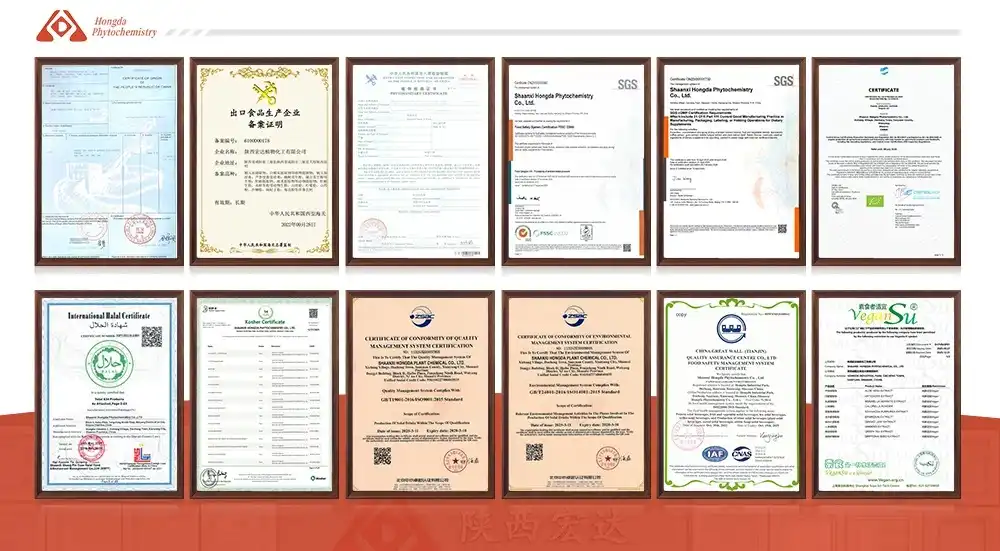
To choose the right bulk suppliers of liposomal iron products providers, you need to carefully look at their technical skills and quality control methods. cGMP compliance confirmed by third-party audits, ISO 9001 for quality management systems, and ISO 22000 or FSSC 22000 for food safety management are all important Certifications. Products aimed at certain markets need extra certificates like HALAL, KOSHER, and ORGANIC approval, based on what the customers want and how the products are sold. A review of a manufacturing plant should make sure that it has specialized tools like high-pressure homogenizers, spray drying or fluid bed systems, and the ability to package in a controlled atmosphere. The lab needs to have the right equipment to do all kinds of tests, like finding out how well the particles are encapsulated, checking the iron level, looking at the phospholipid makeup, testing for microbes, and checking for heavy metals. When a supplier offers SGS-certified laboratory testing, you can be even more sure that the analysis is accurate and unbiased.
Technical Support and Customization Capabilities
Because Liposomal Iron Powder formulation technology is so complicated, it needs manufacturers with strong R&D resources and application knowledge. Preferred partners need to have expert teams that can help with formulation, stable testing, and custom development. This is especially helpful when adding Liposomal Iron Powder to new delivery systems or mixing goods that need to be tested for compatibility. Customization choices should include the ability to change the iron content (usually between 15 and 50 percent by weight), the particle size for different uses, organic approval if needed, and the ability to make products under your own brand name. Small-batch custom production from suppliers lets you make your products stand out while keeping the minimum order numbers low enough for specialty brands and test market launches. Samples and detailed paperwork are easy to get, which speeds up the process of developing new products and getting ready for regulatory submissions.
Supply Chain Reliability and Logistics
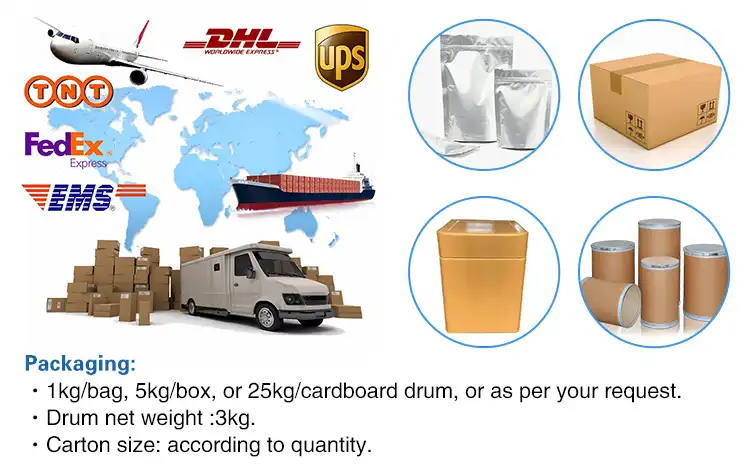
Consistent supply is a very important factor in B2B buying choices. Check the supplier's ability to make things, how they handle inventory, and where they get key raw materials in case of an emergency. Manufacturers that have been around for a while usually keep inventory buffers of 30 to 90 days and show steady shipping performance measures. Lead times are affected by geography. For example, buyers in North America and Europe often prefer sellers with regional warehouses or foreign delivery hubs to cut down on transit time and make the import process easier. Specifications for packaging affect how stable a product is and how easy it is to handle. Standard designs include 12 kg drums with metal linings that keep out oxygen and moisture. Standard palletization (usually 27 drums per pallet) makes it easier to load containers and store them in warehouses. Delivery times of 3–7 working days for stock items and 3–4 weeks for special orders should work with stocking strategies and production planning needs.
Liposomal Iron Powder vs Traditional Iron: Strategic Procurement Decision-Making
Application-Specific Suitability Analysis
Product group needs have a big impact on choosing the best iron style. Taking Liposomal Iron Powder during pregnancy and during menstruation can help women's health vitamins work better. This is because it is gentle and lowers the risk of constipation, which is especially important during pregnancy when digestion can be hard. The better absorption helps restore hemoglobin quickly with smaller doses, which addresses safety worries about getting too much iron during pregnancy. Liposomal Iron Powder technology is strongly preferred in pediatric formulas such as baby cereals, toddler nutritional powders, and children's vitamins. By getting rid of the metallic taste, items can taste better, which encourages regular use, and the safety profile is good for digestive systems that are still growing. Vegan and vegetarian product lines use the higher bioavailability to make up for the lower intake of non-heme iron, making plant-based options that work for iron-deficient people. Liposomal Iron Powder is being used more and more in sports nutrition products for endurance athletes and exercise fans. The fast intake helps move oxygen around the body, which is important for performance, while keeping GI issues to a minimum during training and competition. Sports nutrition is ready to pay more for products that have been shown to work and give them a competitive edge.
Total Cost of Ownership and ROI Modeling
Included in a thorough procurement analysis are factors like formulation effectiveness, market positioning, and customer retention, in addition to the unit cost of the ingredients. An example of an economic analysis is a comparison between a traditional iron product that needs 65 mg of basic iron per serving and costs $0.12 per serving for its ingredients, and a Liposomal Iron Powder version that works just as well but costs $0.28 per serving for its ingredients. Even though the price per serving goes up by $0.16, the premium placement allows for 25–40% higher selling prices, which leads to a better contribution to the profit. Higher customer happiness leads to 15–30% higher repurchase rates than standard options, which greatly increases the total value of the customer. Considerations for manufacturing efficiency include a lower need for taste-masking excipients, easier coating requirements, and a wider range of recipe consistency that lowers the need for reformulation. These things can make up 10–20% of the difference in the cost of raw materials while speeding up the time it takes to get new goods to market.
Risk Mitigation and Supplier Partnership Development
For a supply chain to be resilient, suppliers must be carefully evaluated based on their financial security, output redundancy, and the variety of places they can get raw materials. Preferred providers have been in business for a number of years, have links with various phospholipid sources, and have backup manufacturing capabilities. Checking the quality of multiple production lots with a certificate of analysis shows that the process is well controlled and that the specifications are followed. Long-term supply deals with volume-based price benefits, specialized production runs for big accounts, and joint support for new product development (NPD) should be looked into as part of partnership development. Technical service agreements that help with formulation, stable testing, Liposomal Iron Powder, and regulation paperwork support are very useful in addition to ties for supplying basic ingredients.
Practical Guide: How to Procure and Use Liposomal Iron Powder EffectivelySourcing Channels and Procurement Strategy
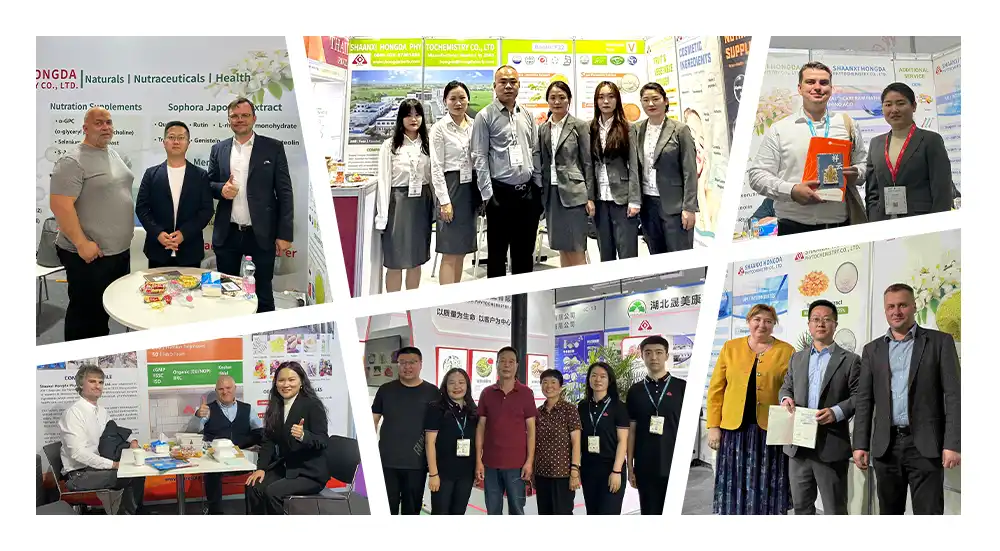
When buying more than 500 kg of goods a year, B2B buyers should put direct ties with manufacturers ahead of networks of distributors. Direct interaction lets you talk about customization, better price, and easier access to technical help. When checking out a manufacturer, you should try to do site audits, check references with current customers, and look at samples from different production lots to make sure they are all the same. Requests for quotations (RFQs) should include specific technical details, such as the amount of elemental iron, the minimum level of packaging efficiency, the particle size parameters, and any certificates that are needed. Volume commitment ranges and delivery dates make price structures clear and make it possible to compare providers accurately. The discussion of payment terms should find a balance between lowering costs through early payment savings and managing risk through staged payments linked to quality checks. Participating in trade shows like SupplySide West, Vitafoods Europe, and regional nutraceutical fairs is a great way to find new suppliers and have face-to-face expert conversations. Industry networking and tips from other professionals can help you find dependable sellers who focus on customer service and have the right technical skills for your needs.
Storage, Handling, and Quality Preservation
Liposomal Iron Powder stays good for a long time if it is stored correctly. Temperatures between 15°C and 25°C and humidity levels below 60% are ideal. Keeping them in their original, sealed cases in dry, well-ventilated places keeps them from absorbing water, which could damage the structure of the packaging. To stay in line with the specifications, packages should be resealed right away after being opened and used within 90 days. Handling methods should create as little dust as possible by transferring powder gently and using the right area exhaust air where needed. Traditional types of iron are more reactive than Liposomal Iron Powder, but normal safety gear like gloves and dust masks should still be worn when handling large amounts of iron. To keep facilities that process more than one ingredient from getting cross-contaminated, equipment that is used for mixing and packaging should be kept separate or cleaned well between runs. As part of the inbound screening process, quality control measures should be put in place. These should include checking the color uniformity visually, testing the moisture content, and keeping representative samples that can be tracked. Third-party study of encapsulation effectiveness and elemental iron level on a regular basis adds to the quality guarantee, especially when working with new providers.
Integration into Finished Formulations
Several technical factors help the development of formulations that contain Liposomal Iron Powder. The powder mixes easily in cold water, so it can be added directly to liquids with only a little stirring. In emulsion systems, the best integration happens during the watery phase assembly, before oil-soluble parts are added. The pH stability range of 4 to 8 is normal, which means that most beverage and supplement recipes don't need any extra buffering. Depending on the goal, iron content, and product shape, the recommended amounts range from 0.5 to 2.0% of the total formula weight. Vitamin C, B-complex vitamins, and folate work better together to improve metabolic utilization, and the phospholipid component may help the body absorb nutrients. Stability testing over the intended shelf life in both sped-up and real-time settings confirms that the mixture worked and helps figure out the expiration date. Powder is great for making tablets and capsules because it flows easily and can be compressed. Formulations for direct compression usually only need a few extra ingredients besides the usual flow agents and lubrication. The substance stays steady at normal processing temperatures found in production, and the encapsulation stays intact during granulation, mixing, and compression.
Conclusion
Traditional iron pills and Liposomal Iron Powder are different in more ways than just how they are made. Bioavailability, tolerability, and application flexibility are some of the most important differences. Better absorption means fewer doses, no more stomach problems, which makes people more likely to follow through, and better formulation stability that opens up more product options are all appealing value propositions in the nutraceutical, pharmaceutical, and functional food sectors. Premium pricing needs a careful look at the total cost, but for quality-focused brands, the combination of better effectiveness, higher customer happiness, and a unique place in the market often makes the investment worth it. As consumers become more knowledgeable about supplement quality and iron shortage remains a global health issue, Liposomal Iron Powder technology is the next version of iron supplements that will meet changing market needs and government requirements.
FAQ1. What makes liposomal iron absorption superior to traditional forms?
Liposomal Iron Powder is encapsulated in phospholipids, which allows it to be absorbed through M-cell endocytosis and transcytosis routes in intestinal tissue. This method gets around some of the DMT1 transporters and hepcidin control that stop normal iron uptake. There is clinical proof that ferrous sulfate is 3.5–5 times less bioavailable than elemental iron. This means that the same therapeutic benefits can be achieved with much smaller doses of elemental iron.
2. Is long-term liposomal iron supplementation safe?
The safety profiles for Liposomal Iron Powder show that it is well tolerated, with adverse event rates in clinical studies being less than 5%. The lower basic iron needs lower the body's overall iron load, which lowers the risks of oxidative stress that comes with taking high-dose supplements regularly. Products should not go over certain upper intake limits and should only be made by approved providers who follow strict quality standards, such as tests for heavy metals and microbiological control.
3. How should B2B buyers verify liposomal iron quality?
To check the quality, you need to look at the certificate of analysis and make sure that the basic iron content, particle size distribution, encapsulation efficiency (more than 85%), and bacterial compliance are all correct. Strong quality systems are shown by supplier approvals like cGMP, ISO standards, and third-party test accreditation. Sample testing across different production lots checks for stability, and customer references show that the product works well in similar situations.
Why Hongda's Liposomal Iron Powder Stands Out for B2B Partners
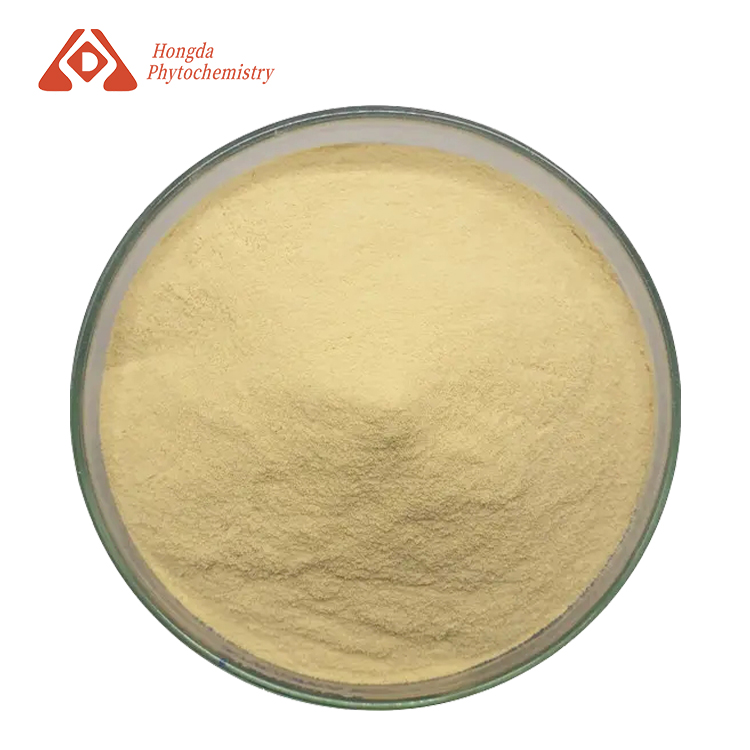
Shaanxi Hongda Phytochemistry has been working with natural extracts for more than 20 years and has a lot of experience with improved nutrient delivery methods. Our Liposomal Iron Powder has 50% elemental iron and is a free-flowing off-white to light yellow powder that is made to pharmaceutical-grade standards in a cGMP-certified plant. The product keeps more than 85% of its packaging efficiency and has 3.5–5 times better absorption than regular iron salts, thanks to its unique phospholipid bilayer technology.
Our wide range of certifications, such as FDA registration, ISO 9001, ISO 22000, FSSC, SGS laboratory certification, HALAL, KOSHER, BRC, and ORGANIC qualifications, helps our customers reach markets around the world and makes the approval process easier for regulators. The 20,000-square-meter production center has cutting-edge extraction tools and Liposomal Iron Powder processing lines. It also has an R&D team of more than 20 professors from top universities. Standard packing in 12 kg drums with 27 drums per pallet makes transportation easier, and shipping in 3–7 working days makes sure there is a steady supply. As a well-known national high-tech company and public foreign warehouse, Hongda provides help for stability studies, formula customization, and technical documents. Whether you're a nutrition business looking to make your high-end products stand out or a pharmaceutical company needing iron supplementation ingredients that have been tested and proven to work, our team can help. Email duke@hongdaherb.com to talk about your unique needs and get free samples of our Liposomal Iron Powder to see how well it works in your recipes.
References
1. Piskin E, Cianciosi D, Gulec S, Tomas M, Capanoglu E. Iron Absorption: Factors, Limitations, and Improvement Methods. ACS Omega. 2022;7(24):20441-20456.
2. Hoppe M, Hulthén L, Hallberg L. The Relative Bioavailability in Humans of Elemental Iron Powders for Use in Food Fortification. European Journal of Nutrition. 2006;45(1):37-44.
3. Blanco-Rojo R, Vaquero MP. Iron Bioavailability from Food Fortification to Precision Nutrition: A Review. Innovative Food Science and Emerging Technologies. 2019;51:126-138.
4. Gulec S, Anderson GJ, Collins JF. Mechanistic and Regulatory Aspects of Intestinal Iron Absorption. American Journal of Physiology-Gastrointestinal and Liver Physiology. 2014;307(4):G397-G409.
5. Santiago P. Ferrous versus Ferric Oral Iron Formulations: A Systematic Review. Scientific Reports. 2012;2:23-41.
6. Ems T, St Lucia K, Huecker MR. Biochemistry, Iron Absorption. StatPearls Publishing. 2023.





YOU MAY LIKE