



L-Glutathione Powder vs Capsules: Which Fits OEM Needs?
2026-11-03 16:26:13
Glutathione has become one of the most talked-about antioxidant ingredients in beauty-from-within, immune, and healthy-aging products, and OEM brands now face a practical question: build around L-Glutathione Powder or buy finished capsules? The right answer shapes your margins, your launch speed, and how many product formats you can eventually offer. Each route has real strengths, and the smartest brands choose based on their stage, their equipment, and their plans for growth. This guide compares the two options side by side, explains what to know about the ingredient itself, and shows how to turn a good sourcing decision into a product customers reorder.

The Fast Answer: Powder or Capsules for Your OEM Line?
A Side-by-Side View
Before diving into details, it helps to see the trade-offs in one place. Most OEM buyers weigh flexibility, cost, speed, and control, and the two formats score differently on each.
|
Factor
|
L-Glutathione Powder
|
Finished Capsules
|
|---|---|---|
|
Format range
|
Capsules, tablets, sachets, sticks, drink mixes
|
Capsule only
|
|
Dose control
|
Set your own mg per serving
|
Fixed by supplier
|
|
Cost per serving
|
Usually lower at volume
|
Usually higher
|
|
Time to market
|
Needs formulation and filling
|
Fastest
|
|
Branding freedom
|
Full control of excipients
|
Limited
|
Use the table as a starting point, then test the assumptions against your production reality.
Powder: Control, Cost, and Range
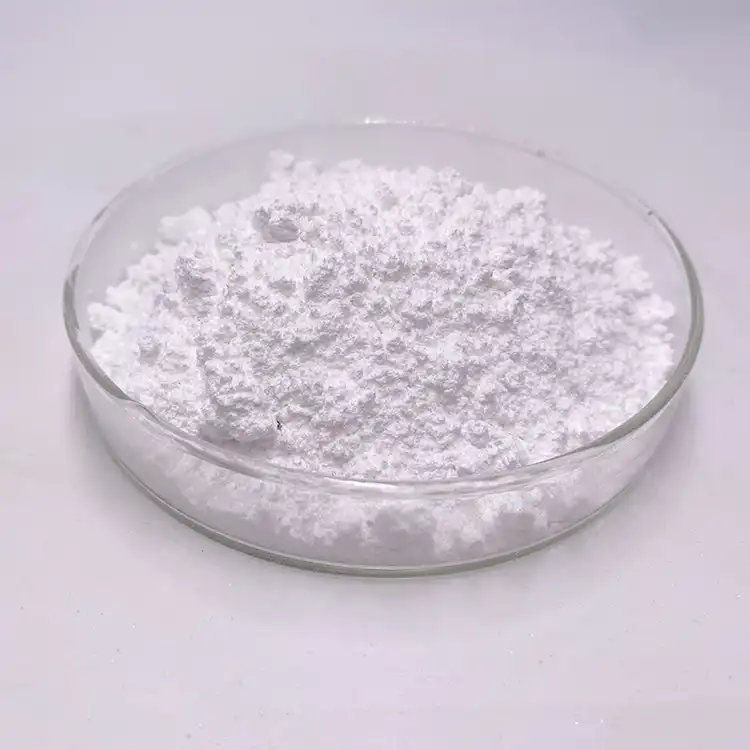
Because a single source of raw materials may support multiple products, firms that plan to grow often choose L-glutathione powder. All of the products that come from the same ingredient link could be introduced at different times; for example, a 250 mg pill could be introduced first, followed by a stick pack for travelers, and finally a drink mix. When you buy powder, you can see exactly what's in each serving, which is great for when salespeople ask about allergens, excipients, or where the product came from. Your formulators can instantly make changes to fill weights, flow agents, and companion ingredients without waiting for a third party to rewrite the recipe. Companies have more leeway to offer competitive pricing or market their products when the volume increases because the cost per serving usually drops. Businesses who handle their own production in-house or use a dependable contract filler often find this independence to be significant.
Capsules: Speed, Simplicity, and Shelf-Ready Convenience
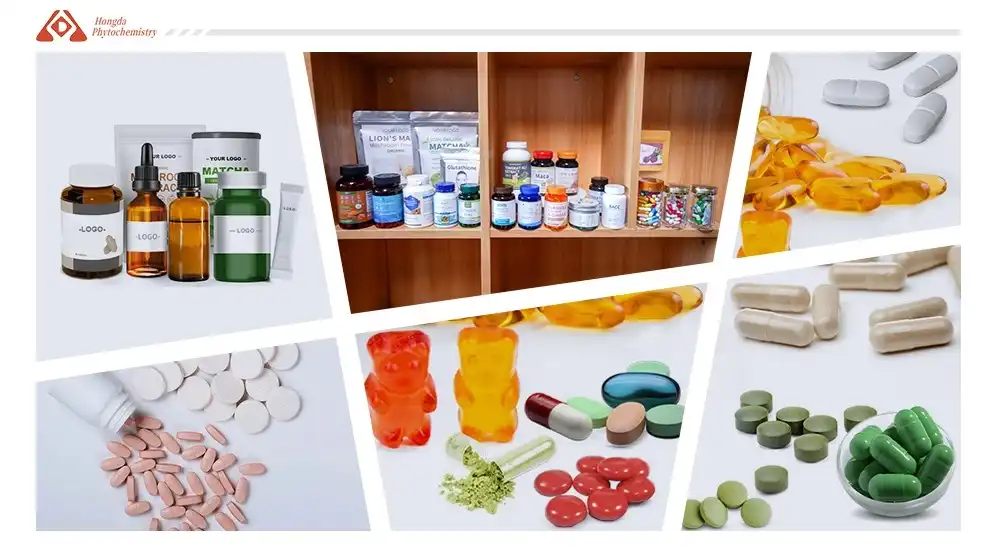
Finished capsules are the way to go when minimalism in size and weight is paramount. A startup doing first-product testing, a distributor expanding into a new area, or a retailer in need of a private-label item quickly could save time and money by opting for pre-made capsules instead of formulating and filling their own. Labeling, Packaging, and sales are your responsibilities, while the supplier takes on the risk of production. Also, the cost per dish goes up because there isn't much room for personalization. Several brands use capsules to gauge demand quickly, and then switch to l-glutathione powder when sales volume requires stricter control over forms and margins. Looking at it this way, the two options aren't rivals but rather steps in the same product lifecycle; whether one is best for your business depends on where it is right now.

Know Your Ingredient Before You Commit
Identity and Reference Data
There are two forms of glutathione: the reduced form, known as GSH, and the oxidized form, known as GSSG. Glutathione is a tripeptide that is composed of glutamic acid, cysteine, and glycine. Powdered l-glutathione sold in commercial settings typically refers to the reduced form, which is the type that the majority of people think of when they think of antioxidant support. Due to the fact that its identification is fully established, it is simple to confirm.
|
Property
|
Typical Reference Value
|
|---|---|
|
Chemical name
|
L-Glutathione (reduced, GSH)
|
|
CAS number
|
70-18-8
|
|
Molecular formula
|
C10H17N3O6S
|
|
Molecular weight
|
307.32 g/mol
|
|
Appearance
|
White crystalline powder
|
|
Solubility
|
Soluble in water
|
Compare these values with every certificate you receive.
Stability and Storage Shape Your Format Choice
Because glutathione contains a sulfur-containing amino acid, it is susceptible to degradation from oxygen, heat, and moisture. This is why it's critical to store l-glutathione powder in a sealed container in a cool, dry place; once opened, reseal the container as soon as possible. To ensure that the product has a long shelf life, you should plan how you will control the relative humidity in the space and how you will fill it yourself. When finished capsules are used, some of the responsibility falls to the supplier, but proper storage remains important in the future. Determine how long it is advisable to store it under the specified conditions, and obtain stability data for the format you've chosen. Good storage procedures not only keep the powder flowing smoothly, but they also ensure that the quality you paid for is maintained between batches.
The Absorption Conversation, Told Honestly
Many consumers are puzzled by the sophisticated science of how oral glutathione is absorbed. Previous research predicted a limited systemic availability of glutathione. Nonetheless, controlled investigations have shown that continuous glutathione administration can raise blood and tissue glutathione levels. A six-month randomized experiment and several shorter studies have looked into different doses and forms, including liposomal formulations. The conclusion for OEM brands is to speak clearly and let quality do the selling. Make sure the l-glutathione powder you buy has a reliable assay, write down the exact amount in each serving, and avoid keywords that don't support the claims. Honest communication helps to win over retailers and consumers while also protecting your firm from the ever-changing rules enforced by other countries.
Building Products Around L-Glutathione Powder
Capsules and Tablets
Traditional l-glutathione powder packaging, such as capsules or tablets, is intended to ensure a consistent flow of powder. Regular capsules without excessive fillers often have serving sizes ranging from 250 mg to 500 mg, which is more than adequate. Test the tablets in small quantities to assess how they look, how well they dissolve, and how hard they are. Keep an eye on relative humidity levels as you progress through the manufacturing and warehousing processes. Some formulators prefer to use coated tablets or capsules to hide the sulfury flavor of glutathione, which is plainly perceptible on the human tongue. Take samples to establish stability, document any weight variation that occurs throughout each run, and compare the results lot by lot. In addition to preparing you for future audits, this will protect your initial commercial launch. Both of these goals can be accomplished with a modest investment in pilot testing.
Sachets, Sticks, and Drink Mixes
It is not possible for capsules to open doors that powder-based formats can. L-glutathione powder is easily dissolved in water, and sachets and sticks are convenient options for clients who are looking for a regimen that is both quick and portable. However, fruit, citrus, and herbal flavor systems typically do a good job of masking the sulfur character, and sweeteners help smooth out the profile. The most significant problem is the taste, because the sulfur character may be detected. It is important to conduct dissolving tests in cold water, ensure that the mixture does not clump together in the container, and make use of packaging that has a robust moisture barrier. Send an email to duke@hongdaherb.com with your format and target market, and the Hongda team will provide you with suggestions for suitable solutions. If you would like a sample or a second opinion on a draft formula, please send it to them. When your formula is ready for full production, a meticulous pilot prevents weeks of rework from being implemented.
Pairing with Complementary Ingredients
In contemporary formulations, glutathione is seldom utilized alone. Vitamin C, alpha-lipoic acid, quercetin, green tea extract, and other antioxidants are commonly included in brand-name goods designed to promote healthy aging, skin wellbeing, and immunological function. Because Hongda manufactures several of these components, including quercetin, alpha-lipoic acid powder, and green tea extract, a single technical team can help with specification and documentation synchronization throughout the formulation process. Consolidating suppliers improves quality management from lot to lot, reduces paperwork, and lowers freight costs. Before deciding on a combination, consider compatibility, total daily consumption, and the claims you wish to make in each market. The l-glutathione powder will serve as the glue that keeps your product together, while a well-crafted stack will give it a distinct personality.
Quality, Dosing, and Supplier Selection
Dose Planning from Published Research
Sensible dosing begins with the published studies. Researchers have tested oral glutathione at several levels, and the table below highlights examples that formulators often cite.
| Study Focus | Daily Amount Used | Duration |
|---|---|---|
| Body stores of glutathione (Richie et al., 2015) | 250 mg or 1,000 mg | 6 months |
| Oxidative stress markers (Allen and Bradley, 2011) | 500 mg twice daily | 4 weeks |
| Skin characteristics (Weschawalit et al., 2017) | 500 mg | 4 weeks |
Source: Peer-reviewed human studies; verify details against the original publications before using them in marketing, and note that commercial dosing varies by market and regulation.
Use these figures to guide serving sizes, not to dictate them, and ask a regulatory adviser to review each claim for every country you plan to sell in.
Documentation and Certifications
Paperwork can be important for a successful launch. Obtain a l-glutathione powder certificate of analysis that is particular to your batch. It should include microbiology, heavy metals, appearance, loss on drying, and assay. Also, request a specification paper, as well as any information about allergens or provenance that you may require for labeling. Check that the results originated from a reputable lab, and compare multiple lots to ensure that they are consistent. Hongda's qualifications cover most retailer and distributor surveys. These Certifications include cGMP, SGS, ISO 9001, ISO 22000, BRC, FSSC, FDA, HALAL, and KOSHER. When considered as a whole, these credentials resolve the majority of the concerns. Keep all documentation grouped by lot number to ensure a timely response if a customer or regulator requests traceability. Getting the file in order now will spare you from having to rush about when a significant client needs documentation at the end of the quarter.

Why Hongda Fits Growing OEM Programs?
Shaanxi Hongda Phytochemistry has been producing plant extracts and nutritional ingredients since 2001. A 20,000-square-meter facility, ten natural-extract production lines, an SGS-certified laboratory, and a research staff of over twenty professors all contribute to the company's success. Buyers of l-glutathione powder benefit most from its high level of reactivity. We welcome individual requests for specifications, shipment sizes, and project-specific paperwork since we believe in customisation. In addition, our sales and customer service representatives are available around the clock to answer any questions you may have about our items, their packaging, or the logistics involved in their delivery. With over 400 goods available, it's simple to bundle similar materials into a single shipment, begin with samples, and expand as your business expands.
Conclusion
Consider your present situation and long-term objectives when deciding between l-glutathione powder and capsules. Capsules are quick and easy to use, but powder has more options, better unit economics, and the ability to create new formats with just one ingredient. Additionally, powder makes it possible to introduce new formats. Be sure to thoroughly review the stability, absorption, honesty of the message, dosage, documentation, and test samples before committing. With cGMP production, SGS-grade testing, and customizable solutions, Shaanxi Hongda has been serving global brands since 2001. First, you need to identify your target product. Then, compare the actual landed costs. Lastly, start a conversation. These steps will help you turn your idea into a trustworthy antioxidant line that is ready to sell.
FAQIs l-glutathione powder cheaper than capsules?
At moderate to high volumes, usually yes, since you avoid finished-goods margins.
Which form of glutathione is used in supplements?
The most common form of glutathione used in supplements is reduced glutathione (GSH), CAS 70-18-8.
How should the powder be stored?
Sealed, in a cool, dry place away from heat, light, and moisture.
Can it go into sachets and drink mixes?
Yes, with flavor masking and moisture-barrier packaging.
Does Hongda accept custom requests?
Yes. Specifications and packaging can be discussed for your project.
Build Your Antioxidant Line with Hongda: Request a Sample Today
Ready to launch or expand a glutathione product? Shaanxi Hongda is here to help. Our cGMP factory, SGS-certified laboratory, and professor-led R&D team stand behind every shipment of l-glutathione powder, and our service team answers questions around the clock. Tell us your target format, specification, order volume, and destination, and we will share documentation, recommend suitable options, and arrange samples. Customization is welcome, and if the ingredient you need is not listed on our website, we can still help, because our portfolio extends beyond 400 products. Contact Us today at duke@hongdaherb.com and take the first step toward a dependable supply.
References
1. Wu, G., Fang, Y. Z., Yang, S., Lupton, J. R., and Turner, N. D. “Glutathione Metabolism and Its Implications for Health.” Journal of Nutrition, 2004.
2. Richie, J. P., Nichenametla, S., Neidig, W., et al. “Randomized Controlled Trial of Oral Glutathione Supplementation on Body Stores of Glutathione.” European Journal of Nutrition, 2015.
3. Allen, J., and Bradley, R. D. “Effects of Oral Glutathione Supplementation on Systemic Oxidative Stress Biomarkers in Human Volunteers.” Journal of Alternative and Complementary Medicine, 2011.
4. Sinha, R., Sinha, I., Calcagnotto, A., et al. “Oral Supplementation with Liposomal Glutathione Elevates Body Stores of Glutathione and Markers of Immune Function.” European Journal of Clinical Nutrition, 2018.
5. Weschawalit, S., Thongthip, S., Phutrakool, P., and Asawanonda, P. “Glutathione and Its Antiaging and Antimelanogenic Effects.” Clinical, Cosmetic and Investigational Dermatology, 2017.
6. Witschi, A., Reddy, S., Stofer, B., and Lauterburg, B. H. “The Systemic Availability of Oral Glutathione.” European Journal of Clinical Pharmacology, 1992.





YOU MAY LIKE
