Is MCT Powder The Same As Coconut Powder?
2025-08-20 18:35:34
Medium-chain triglycerides (MCTs) have become a popular supplement in recent years due to their purported health and performance benefits. MCT oil and MCT powder are common forms of supplements containing MCTs. Meanwhile, coconut powder has also grown in popularity as a high-protein, gluten-free flour alternative. But is MCT powder really the same thing as coconut powder? Here, we'll take a closer look at what these supplements contain and how they differ.
What are MCTs?
MCTs, or medium-chain triglycerides, are a form of saturated fatty acid that has between 6-12 carbon atoms in its fatty acid chains. The most common MCTs are caproic acid (C6), caprylic acid (C8), capric acid (C10), and lauric acid (C12). MCTs are most abundantly found in coconut oil and palm kernel oil.
Compared to longer-chain fatty acids, MCTs have unique properties. They are more rapidly absorbed and metabolized by the body. Specific MCTs like C8 and C10 are particularly ketogenic, meaning they can promote ketone body production and help induce a metabolic state known as ketosis. This makes MCT supplements popular among keto diet followers. However, more research is still needed to fully validate many of the proposed health benefits of MCT supplements.
What is MCT powder?
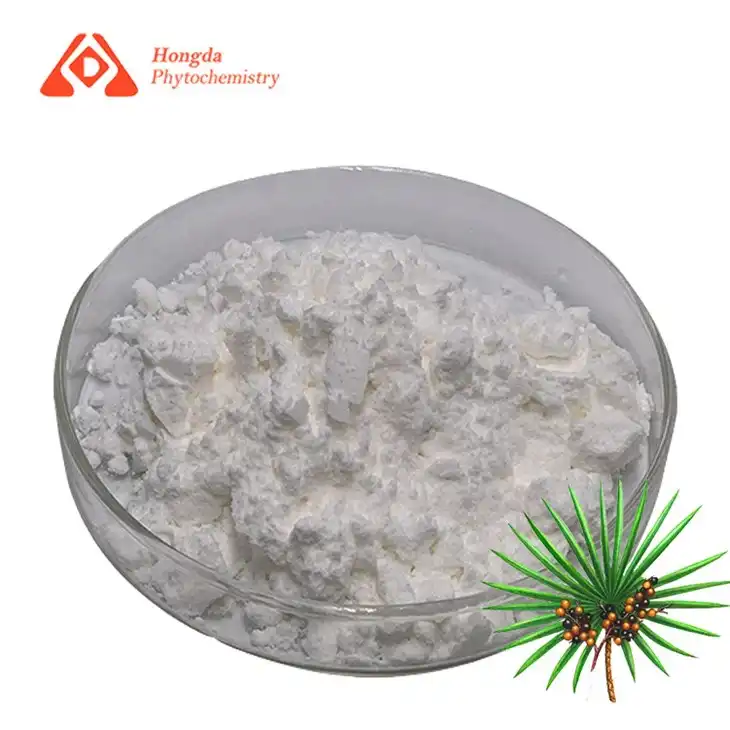
MCT powder is a supplement made by isolating MCTs from coconut or palm kernel oil, then concentrating them into powdered form. MCT powder contains varying concentrations of different MCTs:
• C8 (caprylic acid): 50-80%
• C10 (capric acid): 20-50%
• C12 (lauric acid): 0-10%
The high concentration of these MCTs gives MCT powder unique properties compared to coconut oil. With a higher proportion of C8 and C10 MCTs, MCT Coconut Oil Powder is extremely ketogenic and believed to induce ketosis more rapidly. This can provide an alternative energy source to the brain and body in the absence of adequate glucose.

Additionally, supplementing with MCTs may provide other potential benefits:
Enhanced Weight Management
Some research indicates MCTs supplements can increase feelings of fullness and boost fat burning, possibly aiding weight loss. Replacing other fats with MCTs may promote better body composition over time.
Improved Cognition
The ketones produced from MCTs can cross the blood-brain barrier and supply energy to support brain function. This may improve cognitive performance in those with memory disorders or enhance focus and mental clarity in healthy individuals.
Increased Exercise Performance
MCTs provide rapidly absorbed energy to fuel muscles and organs. Some evidence shows improved endurance, power output, and recovery from intense exercise with MCT oil use.
Stimulated Immunity
MCTs may have antibacterial, antifungal, and antiviral properties to support immune function. Lauric acid is also a precursor to monolaurin, a potent antimicrobial compound.
Reduced Risk Factors for Disease
MCT intake has been associated with improved markers for cardiovascular disease, diabetes risk, liver disease risk, and more. However, more studies confirming these benefits in humans are still required.
What is coconut powder?
Coconut powder starts with fresh coconut meat that is then dried and ground into a fine powder. It may also be referred to as desiccated coconut powder or coconut flour. Unlike MCT powder, coconut powder contains all parts of the coconut, providing:
• Protein – made up of essential amino acids
• Fiber
• Heart-healthy fats, including MCTs
• Various vitamins and minerals like manganese, copper, selenium, phosphorus, potassium, magnesium, iron, and zinc
Coconut powder offers a sweet and nutty flavor. Its high fiber and protein content make it popular as a substitute for regular flour in recipes. It also works as a great dairy-free creamer option. Compared to regular flour, coconut powder is lower in digestible carbs too.

Additionally, coconut powder and its components have shown promising health benefits of their own:
Heart Health
Coconuts contain mostly saturated fats. However, some research indicates coconut oil can help raise good HDL cholesterol and protect LDL from oxidation, supporting heart health.
Blood Sugar Control
Coconut powder is high in fiber and low in carbs, which helps moderate the release of sugars into the bloodstream. This effect on glycemic response may benefit diabetes management.
Increased Satiety
The fiber and fat combo provided in coconut powder promotes feelings of fullness. This can curb overeating and hunger cravings.
Weight Loss
By improving satiety, coconut intake may aid weight loss efforts. The MCTs in coconuts can also simultaneously boost fat burning.
Antimicrobial Effects
Compounds in coconut demonstrate antibacterial, antiviral, antifungal, and antiparasitic properties to fight infections. Lauric acid is especially potent for immune protection.
What's more, coconut powder makes an excellent addition to recipes to provide extra nutrition and health benefits:
• Gluten-free alternative to regular wheat-based flour
• Nutrient-dense source of fiber, healthy fats, protein, vitamins and minerals
• Low glycemic impact and high in satiating fiber and fat
• Provides sweet and nutty flavor to enhance tastes
Key differences between MCT powder and coconut powder
When it comes to comparing Medium Chain Triglyceride Powder and coconut powder, there are some important ways that these two ingredients differ:
Composition
While both contain MCTs, they vary significantly in their complete nutritional makeup. MCT Coconut Oil Powder isolates just MCT fats, removing all other components of the coconut or palm. Coconut powder retains all parts of the coconut, including protein, fiber, vitamins, and minerals.
MCT Content
MCT powder contains a higher concentration of specific MCTs believed to offer the most health benefits – namely C8, C10, and C12. The MCT concentration of coconut powder is more variable and less than refined MCT powders.
Processing
MCT oils require extensive processing with harsh solvents to concentrate MCTs into powdered form. Coconut powder simply uses dehydration techniques to remove moisture, without additives or preservatives.

Taste
MCT powder is flavorless, making it easy to add to foods or beverages without impacting tastes. Coconut powder has a distinct sweet and nutty coconut flavor.
Benefits
Due to the concentrated MCT content, Medium Chain Triglyceride Powder may provide superior benefits related to inducing ketosis, mental clarity, sustained energy, and weight management. Coconut powder offers more nutritional benefits from its complete coconut profile.
Common uses
Medium Chain Triglyceride Powder offers convenience and a neutral taste. It can dissolve easily into liquids like coffee, smoothies, and shakes without altering texture or flavors. It's often used before a workout to promote energy and endurance. Coconut powder is commonly used in baked goods, fat bombs, breakfast cereals, yogurt, oatmeal, and other recipes to provide a healthful boost of plant-based protein, minerals, and fiber.
Considerations
MCT oils can sometimes cause initial digestive distress, so it's best to start slowly with MCT powder. Coconut allergies are also not uncommon. As with any supplement, check with your healthcare provider before adding something new to your diet.
While MCT Coconut Oil Powder and coconut powder share similarities and some crossover benefits, they have marked differences when it comes to their nutritional composition, production method, concentration of MCTs, and overall effects on health. Coconut powder provides a broader spectrum of nutrients, but MCT powder offers more concentrated, isolated MCTs believed to offer unique cognitive and health benefits. The choice comes down to individual needs and preferences. MCT powder works well for boosting ketosis and energy, while coconut powder can enhance recipes with flavor and nutrients.
Hongda Phytochemistry Co., Ltd. stands out as a reputable company in the industry, known for its advanced production capabilities and high-quality products. With six advanced production lines operating simultaneously, we have a remarkable daily output of ten tons and an annual output of several thousand tons. Our commitment to excellence extends to our workforce, which comprises approximately 300 skilled employees across various departments such as production, Packaging, purchasing, storage and transportation, quality inspection, sales, operations, finance, and more.
We take pride in our rigorous quality control measures, ensuring that our products meet strict standards. From raw material selection to production and management, we adhere to ISO and GMP standards. Only after passing thorough inspections do our products earn their place in our storage facilities.
One of our popular offerings is the Medium Chain Triglyceride Powder, which has garnered significant acclaim from customers. To learn more about this product or any other related information, please reach out to duke@hongdaherb.com. We are dedicated to providing exceptional products and services to meet your needs.
References:
1,Clegg, M. E. (2010). Medium-chain triglycerides are advantageous in promoting weight loss although not beneficial to exercise performance. International journal of food sciences and nutrition, 61(7), 653-679.
2,De Souza Rocha, T., & Dos Santos, L. P. (2020). Health Effects of Medium Chain Triglycerides-A Review. Journal of Nutritional health & food engineering, 10(1), 33‒38.
3,Eyres, L., Eyres, M. F., Chisholm, A., & Brown, R. C. (2016). Coconut oil consumption and cardiovascular risk factors in humans–A systematic review. Nutrition reviews, 74(4), 267-280.
4,La Bauve, B. M., Howe, J. C., Choi, J., & Rangan, U. (2020). Medium Chain Triglycerides. StatPearls Publishing LLC.
5,Mumme, K., & Stonehouse, W. (2015). Effects of medium-chain triglycerides on weight loss and body composition: a meta-analysis of randomized controlled trials. Journal of the Academy of Nutrition and Dietetics, 115(2), 249-263.