Is Magnesium Glycinate Powder Better Than Capsules?
2025-08-30 15:54:44
Magnesium glycinate has gained popularity as a highly bioavailable form of magnesium supplementation. As consumers become more health-conscious, they often find themselves weighing the pros and cons of different supplement forms. One common question that arises is whether Magnesium Glycinate Powder is better than capsules. This blog post will explore this topic in depth, examining the benefits, absorption rates, and practical considerations of both powder and capsule forms of magnesium glycinate.
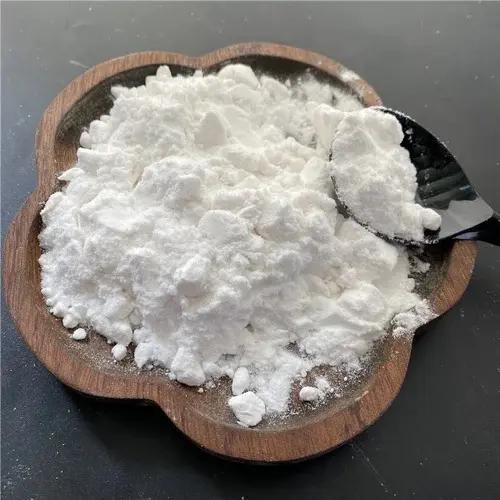
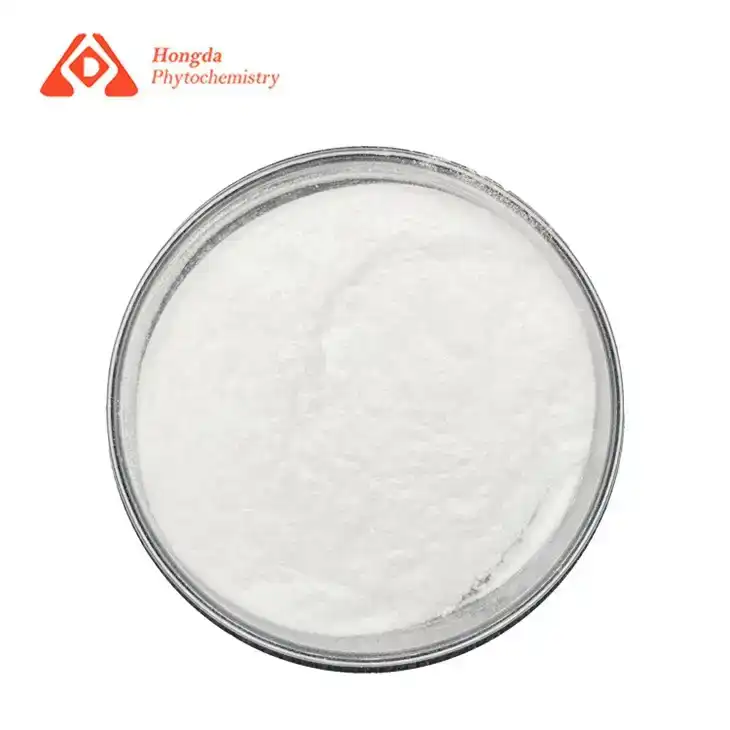
What are the benefits of magnesium glycinate powder over other forms?
Magnesium glycinate powder offers several advantages over other forms of magnesium supplements, including capsules. One of the primary benefits is its high bioavailability. Magnesium glycinate is a chelated form of magnesium, meaning it's bound to the amino acid glycine. This binding process makes it easier for the body to absorb and utilize the magnesium, potentially leading to better overall results.
The powder form of magnesium glycinate also allows for more flexible dosing. Unlike capsules, which come in pre-measured amounts, powder enables users to adjust their dosage more precisely. This can be particularly beneficial for those who need to fine-tune their magnesium intake based on individual needs or as recommended by a healthcare provider.
Another advantage of magnesium glycinate powder is its versatility in consumption. It can be easily mixed into various beverages or foods, making it a convenient option for those who have difficulty swallowing pills or prefer to incorporate their supplements into their daily diet. The powder form can be seamlessly blended into smoothies, yogurt, or even baked goods, providing a hassle-free way to boost magnesium intake.
Moreover, magnesium glycinate powder often comes without additional fillers or binders that are commonly found in capsules. This can be appealing to individuals who are looking for a more "pure" supplement option or those with sensitivities to certain additives. The absence of these extra ingredients may also contribute to better absorption and reduced risk of gastrointestinal discomfort.
For those concerned about environmental impact, powder form may have an edge. It typically requires less Packaging material compared to capsules, potentially reducing waste. Additionally, bulk powder options are often available, which can be more cost-effective for long-term users and further reduce packaging waste.
Lastly, some users report that magnesium glycinate powder has a milder taste compared to other magnesium forms, making it more palatable when mixed with water or other beverages. This can lead to better compliance with supplementation regimens, as people are more likely to consistently take a supplement that they find pleasant to consume.
How does the absorption rate of magnesium glycinate powder compare to capsules?
The absorption rate of magnesium glycinate is a crucial factor in determining its effectiveness as a supplement. When comparing the powder form to capsules, several aspects come into play that can influence how well the body absorbs and utilizes the magnesium.
Magnesium glycinate powder, when dissolved in liquid, begins the absorption process as soon as it comes into contact with the digestive system. This immediate availability can lead to faster absorption rates compared to capsules, which need to dissolve in the stomach before the contents can be released and absorbed. The direct contact of the powder with the digestive tract may allow for a more efficient uptake of magnesium ions.
However, it's important to note that the overall absorption rate is not solely dependent on the form of the supplement. Factors such as individual digestive health, the presence of other nutrients, and the timing of consumption can all play roles in how effectively magnesium is absorbed. Some studies suggest that the bioavailability of magnesium glycinate is high regardless of whether it's consumed as a powder or in capsule form, due to the stability of the magnesium-glycine bond.
The surface area of the supplement also affects absorption. Powder, with its larger surface area when dissolved, may provide more points of contact within the digestive tract for absorption to occur. This increased surface area could potentially lead to higher absorption rates compared to the compressed form found in capsules.
Another consideration is the potential for interaction with stomach acid. Powder forms may be more susceptible to degradation by stomach acid, which could affect absorption rates. Capsules, on the other hand, provide some protection from stomach acid until they dissolve, which may help preserve the integrity of the magnesium glycinate complex.
It's worth mentioning that individual responses to different forms of magnesium glycinate can vary. Some people may find that they absorb and tolerate the powder form better, while others may have better results with capsules. Factors such as personal preference, convenience, and any pre-existing digestive issues can all influence which form works best for an individual.
Ultimately, while there may be slight differences in absorption rates between powder and capsule forms of magnesium glycinate, both are generally considered to be highly bioavailable. The choice between the two often comes down to personal preference and practical considerations rather than significant differences in absorption rates.
How do you properly use magnesium glycinate powder for optimal results?
To achieve optimal results with magnesium glycinate powder, proper usage is key. Understanding how to incorporate this supplement into your daily routine can maximize its benefits and ensure you're getting the most out of your magnesium supplementation.
First and foremost, it's crucial to determine the right dosage. The recommended daily allowance (RDA) for magnesium varies based on age, sex, and other factors. For adult men, it's typically around 400-420 mg per day, while for adult women, it's about 310-320 mg per day. However, these are general guidelines, and individual needs may vary. It's always best to consult with a healthcare provider to determine the appropriate dosage for your specific situation.
When using magnesium glycinate powder, accurate measurement is essential. Most products come with a measuring scoop, but if not, using a precise digital scale can ensure you're getting the correct amount. Start with the recommended dosage on the product label or as advised by your healthcare provider, and adjust as needed based on your body's response and any guidance from your doctor.
Timing of consumption can also play a role in the effectiveness of magnesium glycinate powder. Many people find that taking magnesium in the evening helps promote relaxation and better sleep, as magnesium is known for its calming properties. However, it can be taken at any time of day that works best for your schedule and needs. Consistency is key – try to take your magnesium supplement at the same time each day to maintain steady levels in your body.
Magnesium glycinate powder is versatile in how it can be consumed. It typically dissolves well in water or other liquids, making it easy to incorporate into your daily routine. Here are some popular methods:
1. Mixed with water: Simply stir the powder into a glass of water until dissolved. This is the most straightforward method and allows for quick absorption.
2. Added to smoothies: Blend the powder into your morning smoothie for a nutrient boost. The flavor of magnesium glycinate is usually mild and won't overpower other ingredients.
3. Incorporated into foods: Sprinkle the powder over yogurt, oatmeal, or mix it into applesauce. Be aware that heat can degrade some nutrients, so it's best to add it to foods after cooking.
4. Combined with other supplements: If you take other powdered supplements, you can often mix them together. However, always check for potential interactions and consult with a healthcare provider if you're unsure.
To enhance absorption, consider taking magnesium glycinate powder with a small amount of healthy fat, such as a handful of nuts or seeds. Some studies suggest that fat can help improve the absorption of minerals like magnesium.
It's also important to be aware of factors that can interfere with magnesium absorption. High doses of zinc or calcium supplements taken at the same time as magnesium can compete for absorption. If you're taking these supplements, it's best to space them out by at least two hours.
Staying hydrated is crucial when taking magnesium supplements. Adequate water intake helps your body process and utilize the magnesium more effectively. Aim to drink plenty of water throughout the day, especially when consuming your magnesium glycinate powder.
Lastly, be patient and consistent with your magnesium supplementation. It may take some time to notice the full benefits, as magnesium levels in the body build up over time. Keep track of any changes you notice in your health or well-being, and discuss these with your healthcare provider during check-ups.
By following these guidelines for proper use of magnesium glycinate powder, you can optimize its absorption and potential benefits. Remember that while supplementation can be beneficial, it should be part of a balanced approach to nutrition and overall health. A diet rich in magnesium-containing foods, regular exercise, and good sleep habits all contribute to maintaining healthy magnesium levels and overall well-being.
Hongda Phytochemistry Co., Ltd. boasts an impressive array of Certifications including FSSC, cGMP, BRC, ORGANIC (EU), ORGANIC (NOP), ISO22000, ISO9001, FDA, HALAL, KOSHER, and national certification as a high-tech innovative enterprise. With over 30 years of experience in ingredient manufacturing, Shaanxi Hongda factory is renowned for its expertise. Our facility spans 20,000 square meters and features advanced extraction equipment along with our own SGS Certified laboratory. Specializing as a Magnesium Glycinate Powder Manufacturer, we offer products designed to promote longevity, enhance bodily nourishment, and support skincare. For more details about our offerings, please Contact Us at duke@hongdaherb.com. Hongda Phytochemistry Co., Ltd. is committed to delivering excellence through superior quality and innovation in every aspect of our operations.
References
1. National Institutes of Health. (2021). Magnesium: Fact Sheet for Health Professionals. Office of Dietary Supplements.
2. Schwalfenberg, G. K., & Genuis, S. J. (2017). The Importance of Magnesium in Clinical Healthcare. Scientifica, 2017, 4179326.
3. Gröber, U., Schmidt, J., & Kisters, K. (2015). Magnesium in Prevention and Therapy. Nutrients, 7(9), 8199-8226.
4. Blancquaert, L., Vervaet, C., & Derave, W. (2019). Predicting and Testing Bioavailability of Magnesium Supplements. Nutrients, 11(7), 1663.
5. DiNicolantonio, J. J., O'Keefe, J. H., & Wilson, W. (2018). Subclinical magnesium deficiency: a principal driver of cardiovascular disease and a public health crisis. Open Heart, 5(1), e000668.
6. Jahnen-Dechent, W., & Ketteler, M. (2012). Magnesium basics. Clinical Kidney Journal, 5(Suppl 1), i3-i14.
7. Guerrera, M. P., Volpe, S. L., & Mao, J. J. (2009). Therapeutic uses of magnesium. American Family Physician, 80(2), 157-162.
8. Razzaque, M. S. (2018). Magnesium: Are We Consuming Enough? Nutrients, 10(12), 1863.
9. Boyle, N. B., Lawton, C., & Dye, L. (2017). The Effects of Magnesium Supplementation on Subjective Anxiety and Stress-A Systematic Review. Nutrients, 9(5), 429.
10. Slutsky, I., Abumaria, N., Wu, L. J., Huang, C., Zhang, L., Li, B., Zhao, X., Govindarajan, A., Zhao, M. G., Zhuo, M., Tonegawa, S., & Liu, G. (2010). Enhancement of learning and memory by elevating brain magnesium. Neuron, 65(2), 165-177.