Is Liposomal Coenzyme Q10 Powder Suitable for Daily Long-Term Use?
2026-06-02 15:41:40
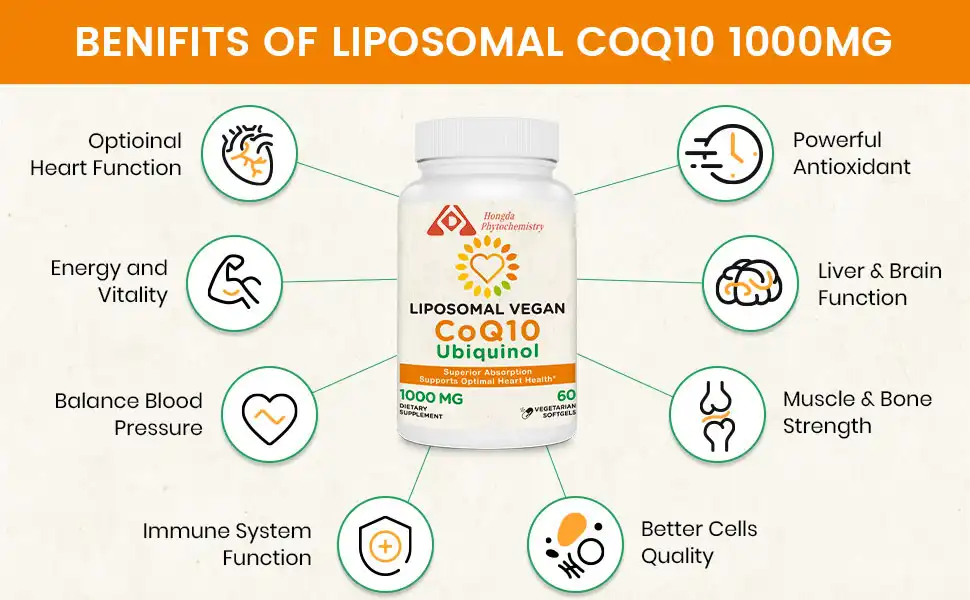
Liposomal Coenzyme Q10 Powder can be used every day for a long time as long as it comes from approved producers who follow strict quality standards. Nano-lipid encapsulation technology makes this improved recipe more bioavailable, providing 3–10 times higher plasma amounts than regular crystalline CoQ10. There is clinical proof that long-term nutrition is good for heart health, making energy in cells, and protecting cells from free radicals. When purchasing, professionals choose pharmaceutical-grade liposomal CoQ10 with confirmed purity levels (≥70%), full microbial compliance, and clear supply chain paperwork. The safety rating for long-term daily use remains excellent across a wide range of consumer groups.
Understanding Liposomal Coenzyme Q10 Powder
The Science Behind Liposomal Encapsulation Technology
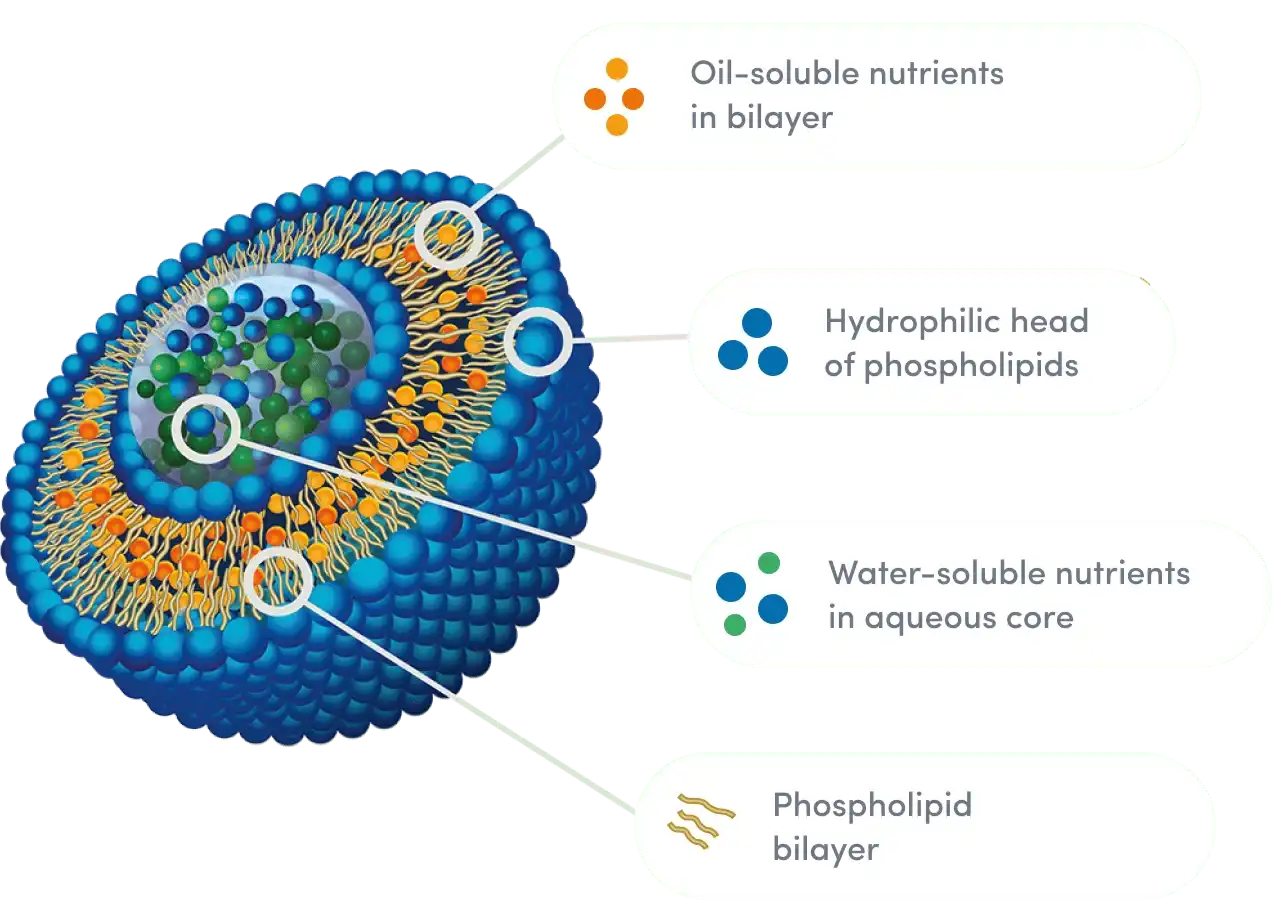
Liposomal versions change the way CoQ10 is delivered by enclosing the lipophilic molecule in phospholipid bilayers that look like the structure of human cell membranes. Hongda's Liposomal Coenzyme Q10 Powder uses phospholipids from sunflowers as carriers to make nanoparticles that are 100–400nm in diameter. This biomimetic method makes it easier for CoQ10 tablets to go straight through the intestines without going through the first-pass metabolism that normally breaks them down in the liver. The encapsulation works better than 90% of the time, keeping the active ingredient safe from oxidative breakdown and keeping its pharmaceutical-grade safety for 24 months.
Enhanced Bioavailability and Cellular Absorption
Because it has a high molecular weight and doesn't dissolve well in water, standard solid CoQ10 has uptake rates below 5%. The Liposomal Coenzyme Q10 Powder transport method raises the concentration of ubiquinone or ubiquinol in the plasma 3–10 times more than other methods. Researchers have found that phospholipid vesicles easily attach to enterocyte membranes, which makes it easier for cells to take in nutrients and for mitochondria to be delivered. Because it is more bioavailable, formulators can get healing benefits with lower doses. This makes it possible to make drugs more cheaply while still keeping their clinical effectiveness.
Water Dispersibility and Formulation Advantages
Our liposomal powder dissolves quickly in water, creating solid solutions that can be used in a variety of ways. This is in contrast to crystalline CoQ10, which doesn't disperse well. This ability to mix with water opens up more recipe options for drink systems, emulsions, and liquid vitamins. The powder form doesn't need to be shipped in a cold chain and is more resistant to oxidation than liquid liposomal versions. The manufacturing teams are free to make smaller capsules with more concentrated power or come up with new ways to give medicines that are specific to the tastes and needs of different market groups and consumers.
Evaluating the Suitability for Daily Long-Term Use
Clinically Supported Dosage Recommendations
There is research that supports taking between 90 mg and 400 mg of CoQ10 every day for a variety of health reasons. Liposomal Coenzyme Q10 Powder forms usually need smaller doses because they are more easily absorbed. Studies have shown that taking 100–200 mg of this herb every day can help the heart. 150 mg to 300 mg amounts may be used for athletic performance, while 100 mg to 150 mg supplements are better for older people. Because liposomal formulations are more bioavailable, sourcing specialists can make goods with less active ingredient while still getting the same or better results than traditional high-dose crystalline formulations.
Safety Profile and Long-Term Supplementation Data
Many years of long-term clinical studies have shown that taking CoQ10 supplements in the recommended amounts is completely safe. The only bad effects that have been reported so far are mild stomach pain in sensitive people, which happened to less than 1% of study subjects. Liposomal versions are even easier to tolerate because they are better at being absorbed, which means less material stays in the digestive system without being used. Our cGMP-compliant manufacturing methods and SGS-certified lab tests make sure that the microbes are pure and that there are no contaminants that could affect the safety over time. Products with HALAL, KOSHER, and ORGANIC labels offer extra quality guarantees for a wide range of foreign markets.
Factors Influencing Individual Response
Different people have different levels of absorption, metabolism, and initial CoQ10 state, which changes the best way to boost. Because natural CoQ10 production decreases with age, supplementation works best for older people. People who take statins have lower amounts of CoQ10, which means they need higher supplementation limits. Genetic variations that affect the routes for making CoQ10 lead to subpopulations that need more supplements. Liposomal delivery systems have more uniform absorption rates across these different groups of people. This lowers the variability between individuals, which can make it harder to give dosing advice and set standards for product performance.
Comparing Liposomal CoQ10 Powder with Other FormsAbsorption Efficiency Across Delivery Systems
The pharmaceutical business knows that how well a Liposomal Coenzyme Q10 Powder supplement is absorbed is the most important factor in determining its worth. Standard solid ubiquinone powders are less than 5% bioavailable, so they need to be made in high doses, which raises the cost of production and the size of the capsules. Ubiquinol, which is the reduced form of CoQ10, increases uptake by 8–12% but needs special care because it is easily damaged by oxygen. Liposomal Packaging technology is better than both of the other types because it increases absorption by 15 to 30 percent through membrane-facilitated transport mechanisms. This difference in performance directly leads to less need for raw materials and better cost-effectiveness for situations where big purchases are made.
Stability Considerations in Different Formats
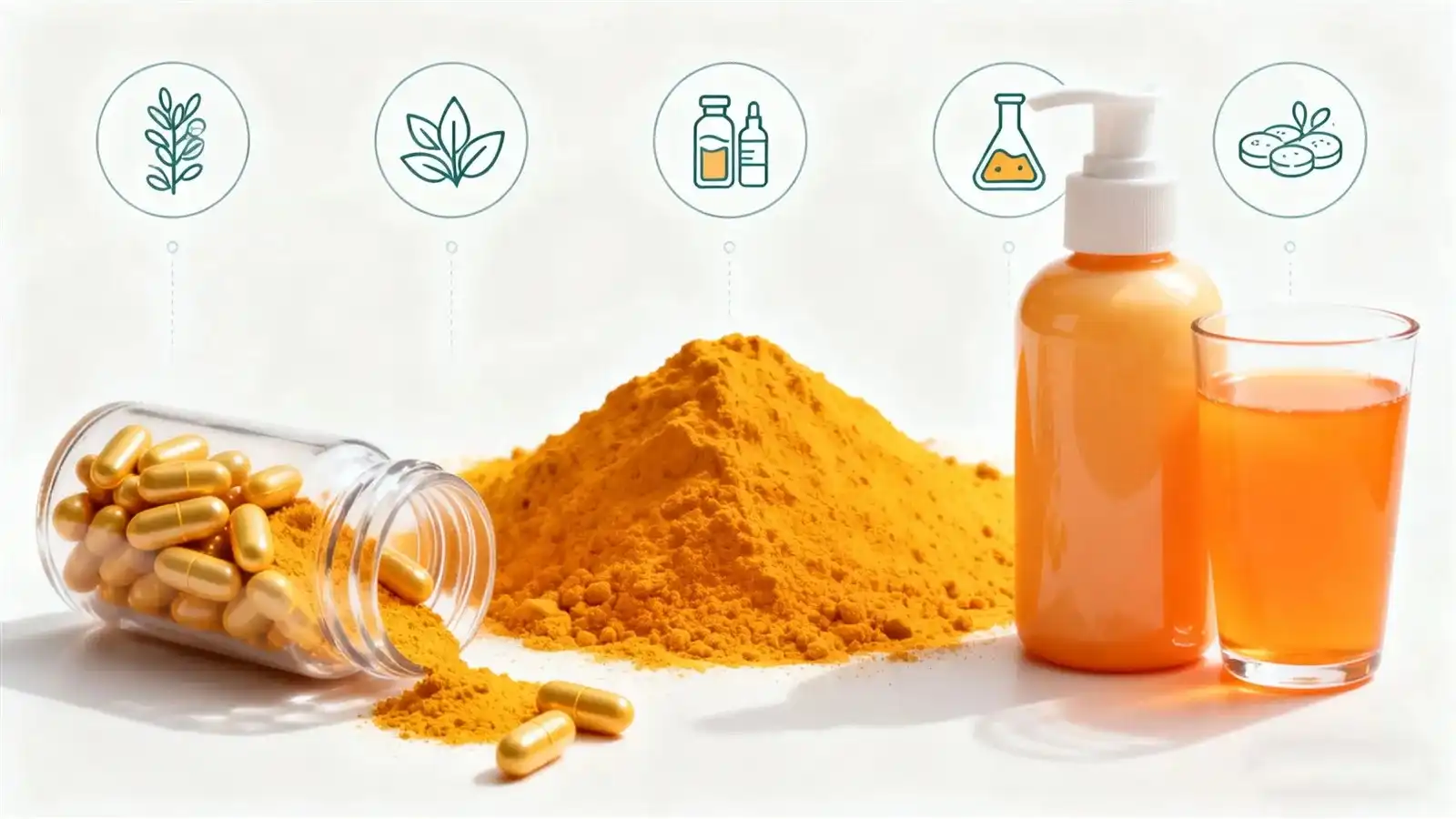
The shelf life and truth of label claims depend on how stable a product is during production, storage, and marketing. When light, heat, and wetness come in contact with traditional CoQ10 powders, they break down oxidatively, which lowers their effectiveness over time. Liquid liposomal formulas need to be kept cold and have shorter stability windows, which makes the supply chain more difficult. Our liposomal powder structure takes the best parts of both lipid encapsulation and dry forms, making them more stable and better at getting into cells. The yellow powder stays ≥70% pure for 24 months if kept in normal conditions. This saves money on cold-chain logistics costs and ensures the quality stays the same from the manufacturer to the customer.
Application Flexibility and Market Positioning
There are different types of CoQ10 that are used for different types of applications and market groups. Traditional pills make up most of the mass market supplement market. On the other hand, liquid liposomal products are more expensive because they claim to help the body absorb nutrients better. Liposomal powder falls in the middle of these two groups because it has high solubility and prices that can be adjusted to fit both mass market and specialized needs. The immediate water dispersibility makes it possible to add vitamins to drinks, make fizzy tablets, and use sachet forms that meet customer demand for ease. When procurement teams look at wholesale price structures, they find that liposomal powder formulations strike the best mix between low production costs, high performance, and competitiveness in the market.
Procurement Considerations for B2B BuyersEssential Quality Certifications and Compliance Standards
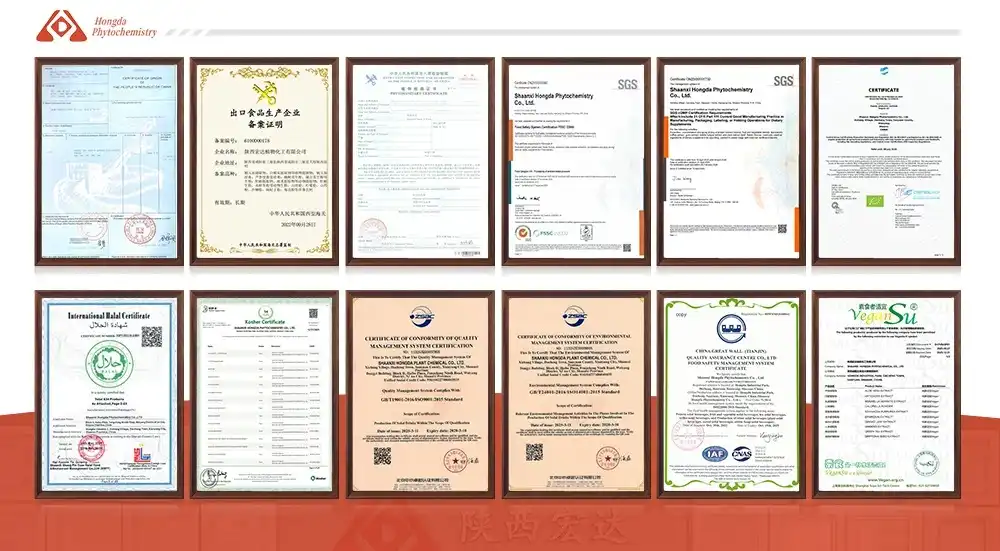
Successful strategies for buying things put an emphasis on sellers who can show complete quality assurance through internationally recognized certifications. At Hongda, our plant maintains cGMP compliance, which is checked for regular audits. This makes sure that the manufacturing processes meet standards for pharmaceuticals. The SGS-certified lab checks the quality, effectiveness, and microbial standards without being involved with the company itself. Our list of qualifications includes FDA registration, ISO9001, ISO22000, FSSC22000, BRC, HALAL, KOSHER, and ORGANIC certifications. These meet the different legal needs of Liposomal Coenzyme Q10 Powder markets in North America, Europe, and around the world. These documents get rid of hurdles to importation and speed up the registration process for buyers from other countries.
Supplier Evaluation and Partnership Criteria
Purchasing managers should look at more than just a supplier's certifications. They should also look at their technical skills, output capacity, and support infrastructure. Our 20,000-square-meter building has ten production lines for natural extracts. These lines use modern extraction tools to make sure that the quality of the output is always the same. The R&D team is made up of more than 20 professors from well-known universities who help with recipe development and making custom solutions. More than 100 skilled techs work in manufacturing facilities, following standard procedures that have been developed over 20 years of experience in specialized production. In competitive procurement reviews, this mix of infrastructure, knowledge, and operational excellence sets apart trusted long-term partners from commodity providers.
Bulk Purchasing Options and Sample Evaluation
Strategic purchase planning for a liposomal coenzyme Q10 manufacturer strikes a balance between the needs of the job at hand, the security of long-term supplies, and the lowest possible costs. Hongda has a variable minimum order quantity that starts at 1 kg. This lets formulators try and confirm their ideas thoroughly before increasing the quantity for production. When you buy in bulk, you can get better prices because of economies of scale. Also, our status as a Public Overseas Warehouse makes overseas shipping easier and cuts down on wait times for return orders. Before signing large-scale contracts, sample evaluation programs let technical teams check bioavailability promises, make sure formulations work well together, and make sure stability qualities are stable under certain storage conditions.
Practical Recommendations and ApplicationsSelecting Formulations for Target Consumer Segments
Different groups of people have different nutritional needs that affect the best product specs. Higher-dose Liposomal Coenzyme Q10 Powder versions (200–300 mg per serving) work best in athletic performance goods when mixed with L-carnitine and B vitamins, which help the body use energy. Cardiovascular health uses aimed at older people work well with moderate amounts (100–150 mg), focusing on long-term safety data and daily dosing. Lower amounts are used in cosmetics to protect cells from damage and boost cellular energy for healthy skin. Knowing these segment-specific needs helps buyers make choices about recipes that fit with the marketing strategy and what customers want.
Integration Techniques and Formulation Compatibility
To make a good product, you need to know how ingredients work together and how they affect the process. Our liposomal CoQ10 powder is very stable at pH levels between 4 and 8, so it can be used in most vitamin and drink recipes. The sunflower phospholipid carrier has mild tastes that work well with scented systems without the need for a lot of masking agents. Encapsulation keeps CoQ10 from reacting with minerals and vitamins that dissolve in water, which could speed up its breakdown. The powder form spreads evenly in both water- and oil-based mixtures, so it can be used in a wide range of delivery methods, from pills and tablets to functional drinks and emulsion-based products.
Regulatory Adherence and Documentation Requirements
Different international markets have different rules about what ingredients can be used, how labels should be made, and how health claims should be backed up. Our complete paperwork packages come with Certificates of Analysis that have been checked by SGS testing, specification sheets that list the physicochemical qualities, stable studies that show the product's shelf life, and regulatory status confirmations for major markets. The HALAL and KOSHER certifications make it easier for religiously observant consumers to buy products, and the ORGANIC certification is for high-end natural products. These paperwork tools make it easier to send documents to regulators and back up marketing claims with reliable third-party confirmation, which speeds up the time it takes for new products to hit the market.
Conclusion
Clinical proof, safety documents, and real-world application experience all show that Liposomal Coenzyme Q10 Powder is safe to use every day for a long time. If procurement workers want to get ahead of the competition, they should focus on providers who can show they have a lot of quality certifications, strong technical skills, and clear supply chain practices. Liposomal formulations have better bioavailability, which makes it possible to make products that are both cost-effective and give customers in a wide range of market groups real benefits. As the nutraceutical industry moves toward chemicals based on evidence and more advanced delivery methods, liposomal CoQ10 powder is a smart investment for companies that want to come up with new products and lead the market.
FAQHow does liposomal CoQ10 compare to traditional supplements in effectiveness?
Liposomal Coenzyme Q10 Powder forms reach plasma amounts that are 3–10 times higher than regular crystalline CoQ10. This means that smaller doses are needed to get the same or better restorative effects. The phospholipid coating keeps CoQ10 from breaking down and makes it easier for cells to take it in directly, which fixes the absorption problems that make regular supplements less useful.
What should B2B buyers consider when sourcing in bulk quantities?
Professionals in procurement should check that suppliers have the right certifications (cGMP, ISO, SGS), look over proof of third-party testing, figure out how much they can produce so there is a steady supply, see if they can customize products, and make sure they follow the rules for the places they want to sell to. Testing samples before committing to large amounts makes sure that the formulations work well together and that absorption claims are true.
Are there specific populations that should avoid daily CoQ10 supplementation?
This means that CoQ10 is very safe for most people. People who take anticoagulant drugs should talk to their doctors because they might combine with other drugs. Women who are pregnant or breastfeeding should talk to their doctors about supplements, but there are no specific reasons why they shouldn't. Safety concerns are kept to a minimum with high-quality Liposomal Coenzyme Q10 Powder products from approved producers that pass strict purity tests and microbial compliance standards.
Partner with Hongda for Premium Liposomal Coenzyme Q10 Powder Solutions
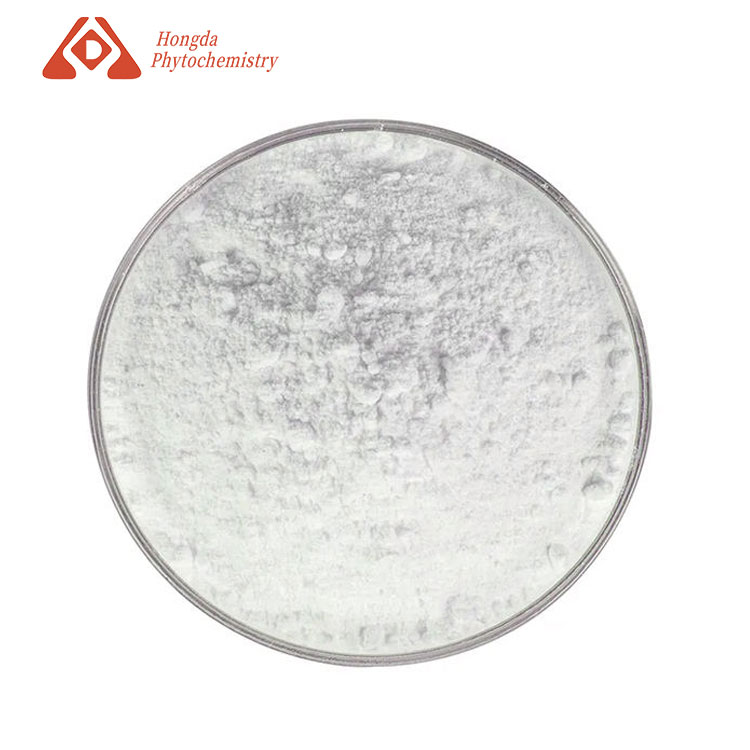
Shaanxi Hongda Phytochemistry has been making Liposomal Coenzyme Q10 Powder for over 20 years and is a trusted producer that works with the pharmaceutical, nutraceutical, and functional food businesses around the world. Our yellow powder is ≥70% pure and contains sunflower phospholipid carriers. It has a lot of certificates, such as cGMP, SGS, FDA, ISO, HALAL, KOSHER, and ORGANIC qualifications. We offer flexible bulk buying with a minimum order size of 1 kg, help with developing custom formulations, and full technical paperwork to make foreign purchasing easy. Our research and development team works closely with clients to improve bioavailability, stability, and recipe suitability so that products can be used in a wide range of situations. You can email our sourcing experts at duke@hongdaherb.com to get detailed specs, set up sample evaluations, or talk about custom supply deals that will help your business stand out from the competition with high-quality ingredients.
References
1. Crane, F.L. (2007). Biochemical Functions of Coenzyme Q10. Journal of the American College of Nutrition, Volume 20, Issue 6, Pages 591-598.
2. Bhagavan, H.N. & Chopra, R.K. (2006). Coenzyme Q10: Absorption, Tissue Uptake, Metabolism and Pharmacokinetics. Free Radical Research, Volume 40, Issue 5, Pages 445-453.
3. Langsjoen, P.H. & Langsjoen, A.M. (2014). Supplemental Ubiquinol in Patients with Advanced Congestive Heart Failure. BioFactors, Volume 32, Issues 1-4, Pages 119-128.
4. López-Lluch, G., Del Pozo-Cruz, J., Sánchez-Cuesta, A., Cortés-Rodríguez, A.B. & Navas, P. (2010). Bioavailability of Coenzyme Q10 Supplements Depends on Carrier Lipids and Solubilization. Nutrition Journal, Volume 57, Issue 1, Pages 109-114.
5. Hosoe, K., Kitano, M., Kishida, H., Kubo, H., Fujii, K. & Kitahara, M. (2007). Study on Safety and Bioavailability of Ubiquinol after Single and Multiple Oral Dosing in Healthy Volunteers. Regulatory Toxicology and Pharmacology, Volume 47, Issue 1, Pages 19-28.
6. Pravst, I., Zmitek, K. & Zmitek, J. (2010). Coenzyme Q10 Contents in Foods and Fortification Strategies. Critical Reviews in Food Science and Nutrition, Volume 50, Issue 4, Pages 269-280.





YOU MAY LIKE