Is It Good To Take L-Carnitine Everyday?
2025-08-30 13:58:45
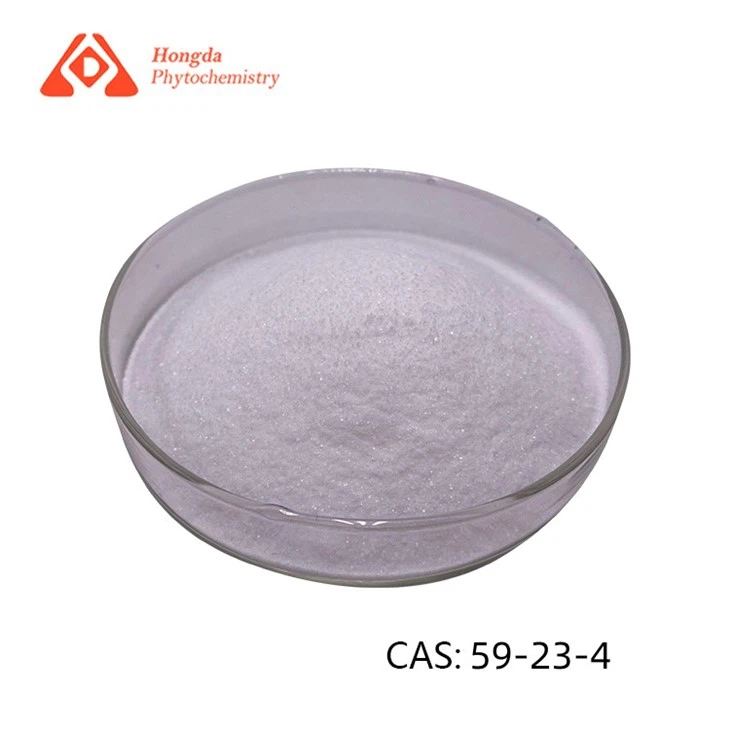
L-carnitine is a natural substance found in the body that plays a crucial role in energy production. It is made from two amino acids, lysine and methionine, and is primarily produced in the liver and kidneys. L-carnitine has gained popularity as a dietary supplement due to its potential health benefits, including improved athletic performance, weight management, and heart health. In this blog post, we will explore the potential benefits of taking L-carnitine powder on a daily basis, as well as the appropriate dosage and safety considerations.

What Are the Benefits of Taking Bulk L-Carnitine Powder?
L-carnitine is known to have several potential health benefits, making it a popular supplement among health-conscious individuals. One of the primary benefits of L-carnitine is its role in energy production. L-carnitine is responsible for transporting fatty acids into the mitochondria, the powerhouses of our cells, where they can be converted into energy in the form of ATP. This can be particularly beneficial for individuals who engage in regular physical activity, as it may help to improve athletic performance and endurance.
Additionally, L-carnitine has been studied for its potential role in weight management. Some research suggests that L-carnitine may help to increase fat burning and reduce body weight, especially when combined with a balanced diet and exercise regimen. This is because L-carnitine can enhance the body's ability to use fat as a fuel source, rather than relying solely on carbohydrates.
Another potential benefit of L-carnitine is its impact on heart health. Some studies have shown that L-carnitine may help to improve cardiovascular function by reducing the risk of heart disease, lowering blood pressure, and improving cholesterol levels. This is believed to be due to L-carnitine's ability to support the health of the endothelial cells, which line the inner walls of blood vessels.
Furthermore, L-carnitine has been studied for its potential neuroprotective effects. Some research suggests that L-carnitine may help to support brain health and cognitive function, particularly in older adults or individuals with certain neurological conditions.
It's important to note that while these potential benefits of L-carnitine have been studied, the research is still ongoing, and the extent of the benefits may vary from individual to individual. It's always best to consult with a healthcare professional before starting any new supplement regimen.

How Much L-Carnitine Powder Should I Take Daily?
The recommended daily dosage of L-carnitine powder can vary depending on the individual's age, health status, and the specific condition or goal being addressed. Generally, the recommended dosage range for adults is between 500 to 2,000 milligrams per day, divided into two to three doses.
For individuals who are looking to improve athletic performance or support weight management, a higher dose of L-carnitine (1,000 to 2,000 milligrams per day) may be more beneficial. However, it's important to start with a lower dose and gradually increase it over time to assess your individual tolerance and response.
It's worth noting that the optimal dosage of L-carnitine may also depend on the specific form of the supplement. For example, studies have shown that acetyl-L-carnitine, a form of L-carnitine that can cross the blood-brain barrier, may be more effective for cognitive and neurological benefits at a lower dosage (500 to 1,000 milligrams per day) compared to other forms of L-carnitine.
When taking L-carnitine powder, it's important to follow the manufacturer's instructions and consult with a healthcare professional, especially if you have any underlying health conditions or are taking other medications. Excessive intake of L-carnitine can lead to side effects, such as gastrointestinal discomfort, nausea, and diarrhea.
It's also worth noting that the quality and purity of L-carnitine supplements can vary, so it's important to choose a reputable brand and follow the recommended dosage guidelines. Additionally, it's always a good idea to start with a smaller dose and gradually increase it over time to assess your individual response.
Is L-Carnitine Powder Safe for Long-Term Use?
Overall, L-carnitine is generally considered safe for long-term use when taken at the recommended dosages. However, as with any supplement, there are some potential side effects and safety considerations to be aware of.
One potential concern with long-term L-carnitine supplementation is the risk of elevated levels of trimethylamine N-oxide (TMAO), a compound produced by the gut microbiome when L-carnitine is metabolized. High levels of TMAO have been associated with an increased risk of cardiovascular disease. However, the research on this topic is still ongoing, and the long-term effects of L-carnitine supplementation on TMAO levels are not yet fully understood.
Another potential side effect of long-term L-carnitine use is gastrointestinal discomfort, such as nausea, vomiting, abdominal pain, and diarrhea. These side effects are more common at higher doses and may be mitigated by starting with a lower dose and gradually increasing it over time.
It's also important to note that L-carnitine may interact with certain medications, such as blood thinners, thyroid medications, and diabetes medications. Individuals with underlying health conditions, such as kidney or liver disease, should consult with a healthcare professional before starting L-carnitine supplementation.
Despite these potential concerns, many studies have shown that L-carnitine is generally well-tolerated and safe for long-term use when taken at the recommended dosages. However, it's always important to monitor your individual response and consult with a healthcare professional, especially if you have any underlying health conditions or are taking other medications.
Conclusion
In conclusion, L-carnitine is a natural supplement that has gained popularity due to its potential health benefits, including improved energy production, weight management, and cardiovascular health. While the research on the long-term safety and efficacy of L-carnitine is still ongoing, many studies have shown that it is generally well-tolerated and safe when taken at the recommended dosages.
When considering L-carnitine supplementation, it's important to choose a reputable brand, follow the manufacturer's instructions, and consult with a healthcare professional, especially if you have any underlying health conditions or are taking other medications. Additionally, it's always a good idea to start with a lower dose and gradually increase it over time to assess your individual response.
Hongda Phytochemical Co., Ltd. stands out in the competitive landscape due to several distinctive advantages. We have established a strong presence on the global stage through our long-term participation in prominent Exhibitions such as CPHI in Europe, Vitafoods International, FIE (Food Ingredients Europe), FFFI (Functional Food and Health Food Expo), and SSE in America. These platforms enable us to showcase our extensive range of products, including sports supplements where we maintain a significant price advantage.
Our commitment to quality is unwavering. All our products undergo rigorous screening from raw materials and are manufactured and managed in strict accordance with ISO and GMP standards. Only after passing meticulous inspection do our products qualify for storage and distribution. This adherence to quality assurance ensures that every product leaving our facility meets the highest industry standards.
Furthermore, Hongda Phytochemical Co., Ltd. offers comprehensive OEM/ODM processing capabilities, allowing us to tailor products to meet specific client requirements. Whether it's Bulk L-Carnitine Powder or other nutritional supplements, our manufacturing prowess and commitment to excellence make us a trusted partner in the industry.
Prospective partners are encouraged to Contact Us at duke@hongdaherb.com to explore how we can collaborate for mutual success. We look forward to forging productive partnerships and delivering exceptional products that exceed expectations.
References:
1. Fielding, R., Riede, L., Lugo, J. P., & Bellamine, A. (2018). l-Carnitine Supplementation in Recovery after Exercise. Nutrients, 10(3), 349.
2. Huertas, J. R., Casuso, R. A., Hernández-Cascales, J., & Aragón-Vela, J. (2019). L-Carnitine and exercise: An update. International Journal of Molecular Sciences, 20(4), 904.
3. Ringseis, R., Keller, J., & Eder, K. (2012). Role of carnitine in the regulation of glucose homeostasis and insulin sensitivity: evidence from in vivo and in vitro studies with carnitine supplementation and carnitine deficiency. European Journal of Nutrition, 51(1), 1-18.
4. Samimi, M., Jamilian, M., Asemi, Z., & Esmaillzadeh, A. (2016). Effects of L-carnitine supplementation on serum reproductive hormones and body composition in women with polycystic ovarian syndrome: a randomized, double-blind, placebo-controlled trial. Hormone and Metabolic Research, 48(02), 87-92.
5. Sönmez, A. S., Öztürk, Z. A., Erdoğan, E., & Kuyumcu, M. E. (2016). Carnitine and its derivatives' effects on cognitive functions in older adults with mild cognitive impairment: A systematic review. Psychogeriatrics, 16(6), 407-415.
6. Tamamogullari, N., Silig, Y., Içağasioğlu, S., & Atalay, A. (1999). Carnitine and horseshoe kidney. Pediatric Nephrology, 13(1), 17-19.
7. Wall, B. T., Stephens, F. B., Constantin-Teodosiu, D., Marimuthu, K., Macdonald, I. A., & Greenhaff, P. L. (2011). Chronic oral ingestion of L-carnitine and carbohydrate increases muscle carnitine content and alters muscle fuel metabolism during exercise in humans. The Journal of Physiology, 589(4), 963-973.
8. Wang, Z., Klipfell, E., Bennett, B. J., Koeth, R., Levison, B. S., Dugar, B., Feldstein, A. E., Britt, E. B., Fu, X., Chung, Y. M., Wu, Y., Schauer, P., Smith, J. D., Allayee, H., Tang, W. H., DiDonato, J. A., Lusis, A. J., & Hazen, S. L. (2011). Gut flora metabolism of phosphatidylcholine promotes cardiovascular disease. Nature, 472(7341), 57-63.
9. Xu, Y. J., Arneja, A. S., Tappia, P. S., & Dhalla, N. S. (2008). The potential health benefits of taurine in cardiovascular disease. Experimental & Clinical Cardiology, 13(2), 57-65. PMID: 19343117
10. Zorba, E., Ziyagil, M. A., Uzuner, K., Genç, A., Kaplan, T., & Cooper, C. B. (2018). The Effects of 8-Week L-Carnitine Supplementation on Body Weight, Body Mass Index, and Aerobic Capacity of University Students. Bioenergetics, 7(1), 144.