Is It Better To Take Turmeric Powder Or Curcumin Powder?
2025-08-15 14:43:10
When it comes to natural supplements, turmeric and curcumin have gained significant popularity in recent years due to their potential health benefits. Both are derived from the same plant, but they have some distinct differences that may influence which one you choose to incorporate into your wellness routine. In this blog post, we'll explore the key differences between turmeric powder and curcumin powder, helping you make an informed decision about which might be better suited for your needs.
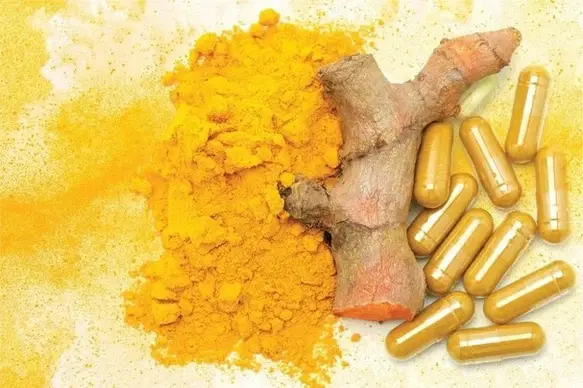
What is the difference between turmeric and curcumin powder?
Turmeric and curcumin are often mentioned interchangeably, but they are not exactly the same thing. Understanding the difference between these two powders is crucial in determining which one might be more beneficial for your specific health goals.
Turmeric powder is derived from the root of the Curcuma longa plant, which belongs to the ginger family. It has been used for thousands of years in traditional medicine and as a culinary spice, particularly in Indian and Southeast Asian cuisines. The powder is made by boiling, drying, and grinding the root of the turmeric plant. It has a distinctive yellow-orange color and a warm, slightly bitter taste.
Turmeric powder contains a variety of compounds, including essential oils, proteins, resins, and most importantly, a group of polyphenols called curcuminoids. The most well-known and studied of these curcuminoids is curcumin, which is responsible for many of turmeric's potential health benefits.
On the other hand, curcumin powder is a concentrated extract of the most active compound found in turmeric. It's essentially a purified form of the curcuminoids present in whole turmeric. Curcumin is known for its potent anti-inflammatory and antioxidant properties, which have been the subject of numerous scientific studies.
The main difference lies in their composition and concentration. Turmeric powder contains only about 2-5% curcumin by weight, along with other beneficial compounds. Curcumin powder, however, is a much more concentrated source of this active ingredient, often containing 95% or more curcuminoids.
When it comes to potential health benefits, both turmeric and curcumin powder have shown promising results in various studies. Turmeric powder, with its full spectrum of compounds, may offer a more holistic approach to health. The synergistic effect of all the components in turmeric could potentially provide benefits beyond what curcumin alone can offer.
Curcumin powder, being more concentrated, may be more potent in targeting specific health concerns, particularly those related to inflammation. Its higher bioavailability when combined with certain substances (like black pepper extract) means that it might be more readily absorbed by the body.
The choice between turmeric and curcumin powder often comes down to personal preference and specific health goals. If you're looking for a natural way to add flavor to your food while potentially gaining some health benefits, turmeric powder might be the better choice. It's versatile in cooking and can be easily incorporated into various dishes.
However, if you're seeking a more targeted approach to address specific health concerns, particularly those related to inflammation, curcumin powder might be more suitable. It's important to note that curcumin supplements often come with added ingredients to enhance absorption, as curcumin on its own is not easily absorbed by the body.
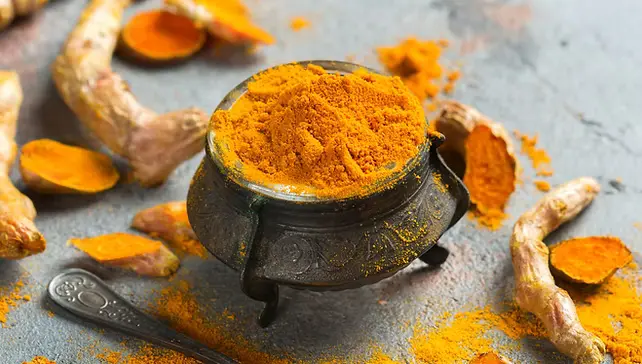
How much curcumin is in turmeric powder?
Understanding the curcumin content in turmeric powder is crucial for those who want to harness the potential health benefits of this compound. As mentioned earlier, turmeric powder typically contains only a small percentage of curcumin, but the exact amount can vary depending on several factors.
On average, turmeric powder contains about 2-5% curcumin by weight. This means that for every 100 grams of turmeric powder, you're getting approximately 2 to 5 grams of curcumin. However, it's important to note that this percentage can fluctuate based on various factors such as the quality of the turmeric, the part of the plant used, growing conditions, and processing methods.
The curcumin content in turmeric can also vary depending on the geographical origin of the plant. For instance, some studies have found that turmeric grown in certain regions of India may have a higher curcumin content compared to turmeric grown in other parts of the world.
While the relatively low percentage of curcumin in turmeric powder might seem disappointing at first glance, it's important to consider the potential benefits of the other compounds present in whole turmeric. These include other curcuminoids, essential oils, and various phytonutrients that may work synergistically with curcumin to provide health benefits.
Moreover, traditional uses of turmeric often involve combining it with other ingredients that can enhance its bioavailability. For example, in many Indian curry recipes, turmeric is used alongside black pepper. Piperine, a compound found in black pepper, has been shown to significantly increase the absorption of curcumin in the body.
If you're using turmeric powder primarily for its curcumin content, you might need to consume quite a bit to reach the doses used in some clinical studies. Many of these studies use curcumin doses ranging from 500 to 2,000 mg per day, which would require consuming 10 to 40 grams of turmeric powder daily - an amount that might be impractical for most people to incorporate into their diet.
This is where curcumin supplements can be advantageous. They provide a more concentrated dose of curcumin, often combined with ingredients that enhance absorption. However, it's crucial to remember that while these supplements can provide higher doses of curcumin, they lack the full spectrum of compounds found in whole turmeric powder.
For those who prefer to stick with turmeric powder, there are still ways to potentially increase your curcumin intake. As mentioned earlier, combining turmeric with black pepper can enhance curcumin absorption. Additionally, consuming turmeric with healthy fats can also improve absorption, as curcumin is fat-soluble. This is why traditional golden milk recipes often include coconut oil or other healthy fats.
It's also worth noting that the curcumin content isn't the only measure of turmeric's potential benefits. The whole turmeric root contains a complex array of compounds that may have health-promoting effects beyond what curcumin alone can offer. Some researchers suggest that the natural matrix of compounds in whole turmeric may be more beneficial than isolated curcumin for certain health outcomes.
Can you take turmeric and curcumin powder together?
The question of whether you can take turmeric and curcumin powder together is a common one, especially for those looking to maximize the potential health benefits of these supplements. The short answer is yes, you can take turmeric and curcumin powder together, and in some cases, this combination might even be beneficial.
Taking turmeric and curcumin powder together essentially means you're getting the best of both worlds. You're benefiting from the full spectrum of compounds found in whole turmeric, along with an extra boost of its most studied and potentially beneficial component, curcumin.
Turmeric powder, as we've discussed, contains a variety of beneficial compounds beyond just curcumin. These include other curcuminoids, essential oils, proteins, and dietary fiber. Each of these components may contribute to turmeric's overall health benefits in ways that are still being studied and understood. By including whole turmeric powder in your regimen, you're ensuring that you're not missing out on any of these potentially beneficial compounds.
Curcumin powder, on the other hand, provides a concentrated dose of the most well-studied component of turmeric. This can be particularly useful if you're looking to address specific health concerns that have been linked to curcumin in research studies, such as inflammation or oxidative stress.
When you combine the two, you're potentially getting a synergistic effect. The other compounds in turmeric may enhance the absorption and effectiveness of curcumin. For instance, the natural oils found in turmeric can help with the absorption of curcumin, which is otherwise poorly absorbed on its own.
Moreover, many high-quality curcumin supplements already include a small amount of whole turmeric powder for this very reason. The idea is to mimic the natural composition of the turmeric root as closely as possible while still providing a therapeutic dose of curcumin.
If you decide to take both turmeric and curcumin powder, there are a few things to keep in mind:
1. Dosage: Be mindful of your total intake. While both turmeric and curcumin are generally considered safe, it's possible to overdo it. Always follow the recommended dosages on the products you're using, and consider consulting with a healthcare professional to determine the right amount for your individual needs.
2. Timing: You can take turmeric and curcumin powder at the same time or at different times of the day. Some people prefer to spread out their intake throughout the day to maintain a more constant level in their system.
3. Absorption: Both turmeric and curcumin are better absorbed when taken with a meal that contains some fat. You might also consider adding black pepper to your turmeric powder or choosing a curcumin supplement that includes piperine (the active compound in black pepper) to enhance absorption.
4. Quality: Ensure you're using high-quality products from reputable sources. For turmeric powder, look for organic options when possible. For curcumin supplements, choose products that specify their curcumin content and include ingredients to enhance bioavailability.
5. Consistency: As with many natural supplements, the benefits of turmeric and curcumin are often seen with regular, long-term use. Be patient and consistent with your intake.
6. Individual response: Everyone's body is different, and what works well for one person might not work the same for another. Pay attention to how your body responds and adjust as necessary.
It's also worth noting that while taking turmeric and curcumin powder together can be beneficial, it's not necessarily required. Some people may find that they prefer one over the other, or that they get sufficient benefits from just one of these supplements.
In conclusion, the choice between turmeric powder, curcumin powder, or a combination of both depends on your individual health goals, preferences, and how your body responds. Whether you're sprinkling turmeric on your food, taking a curcumin supplement, or doing both, you're taking a step towards potentially improving your health with these time-honored natural compounds. As always, it's advisable to consult with a healthcare professional before starting any new supplement regimen, especially if you have existing health conditions or are taking medications.
Hongda Phytochemical Co., Ltd. excels in the industry with an impressive array of Certifications including FSSC, cGMP, BRC, ORGANIC (EU), ORGANIC (NOP), ISO22000, ISO9001, FDA, HALAL, KOSHER, and national certification of high-tech innovative enterprises. Specializing in Water Soluble Curcumin Powder Bulk production, we offer extensive capabilities in OEM/ODM processing, ensuring flexibility in meeting diverse client needs. Our state-of-the-art facilities enable factory direct production with the option for customized manufacturing and Packaging solutions. Committed to quality assurance, we provide free samples to prospective partners, showcasing our dedication to excellence from production to delivery. For inquiries and collaboration opportunities, please reach out to us at duke@hongdaherb.com. Hongda Phytochemical Co., Ltd. looks forward to building mutually beneficial partnerships in delivering premium Curcumin Powder products worldwide.
References
1. Prasad S, Aggarwal BB. Turmeric, the Golden Spice: From Traditional Medicine to Modern Medicine. In: Benzie IFF, Wachtel-Galor S, editors. Herbal Medicine: Biomolecular and Clinical Aspects. 2nd edition. Boca Raton (FL): CRC Press/Taylor & Francis; 2011. Chapter 13.
2. Hewlings SJ, Kalman DS. Curcumin: A Review of Its Effects on Human Health. Foods. 2017;6(10):92.
3. Gupta SC, Patchva S, Aggarwal BB. Therapeutic Roles of Curcumin: Lessons Learned from Clinical Trials. AAPS J. 2013;15(1):195-218.
4. Shehzad A, Rehman G, Lee YS. Curcumin in inflammatory diseases. Biofactors. 2013;39(1):69-77.
5. Anand P, Kunnumakkara AB, Newman RA, Aggarwal BB. Bioavailability of curcumin: problems and promises. Mol Pharm. 2007;4(6):807-818.
6. Kunnumakkara AB, Bordoloi D, Padmavathi G, et al. Curcumin, the golden nutraceutical: multitargeting for multiple chronic diseases. Br J Pharmacol. 2017;174(11):1325-1348.
7. Sharma RA, Gescher AJ, Steward WP. Curcumin: the story so far. Eur J Cancer. 2005;41(13):1955-1968.
8. Aggarwal BB, Harikumar KB. Potential therapeutic effects of curcumin, the anti-inflammatory agent, against neurodegenerative, cardiovascular, pulmonary, metabolic, autoimmune and neoplastic diseases. Int J Biochem Cell Biol. 2009;41(1):40-59.
9. Maheshwari RK, Singh AK, Gaddipati J, Srimal RC. Multiple biological activities of curcumin: a short review. Life Sci. 2006;78(18):2081-2087.
10. Prasad S, Tyagi AK, Aggarwal BB. Recent developments in delivery, bioavailability, absorption and metabolism of curcumin: the golden pigment from golden spice. Cancer Res Treat. 2014;46(1):2-18.