Is B12 Cyanocobalamin Good Or Bad For You?
2025-08-30 14:43:32
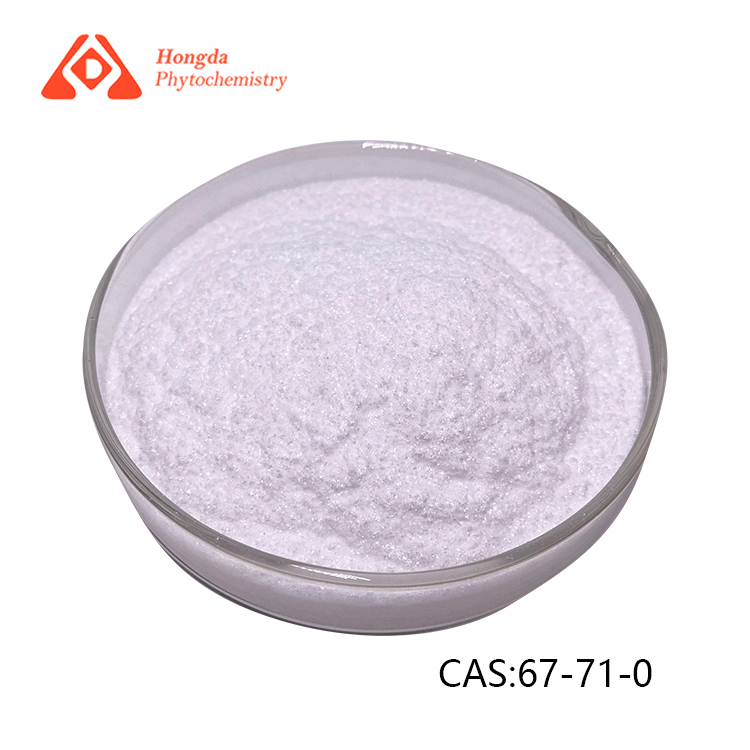
Vitamin B12, also known as cobalamin, is an essential nutrient that plays a crucial role in various bodily functions. Among its different forms, cyanocobalamin is one of the most common and widely used in supplements and fortified foods. But is B12 cyanocobalamin good or bad for you? This comprehensive blog post will explore the benefits, uses, and considerations of Cyanocobalamin Vitamin B12 Powder, addressing some of the most frequently asked questions about this important nutrient.
Hongda Phytochemistry Co., Ltd. is distinguished by a comprehensive array of Certifications including FSSC, cGMP, BRC, ORGANIC (EU), ORGANIC (NOP), ISO22000, ISO9001, FDA, HALAL, KOSHER, and national recognition as a high-tech innovative enterprise. With over 30 years of experience in ingredient manufacturing, Shaanxi Hongda factory exemplifies professionalism and expertise. Operating 8 advanced production lines, we achieve a daily output of 10 tons and an annual capacity of 8000 metric tons. Our products are supported by comprehensive testing reports and certifications. For further inquiries or interest in our offerings, please Contact Us at duke@hongdaherb.com. Hongda Phytochemistry Co., Ltd. stands ready to serve as your trusted Cyanocobalamin Vitamin B12 Powder Manufacturer.

What are the benefits of cyanocobalamin Vitamin B12 powder?
Cyanocobalamin Vitamin B12 powder offers numerous health benefits that make it an essential component of a balanced diet. This synthetic form of vitamin B12 is widely used in supplements and fortified foods due to its stability and cost-effectiveness. Here are some of the key benefits of cyanocobalamin Vitamin B12 powder:
1. Red Blood Cell Formation: One of the primary functions of vitamin B12 is its role in the production of red blood cells. Cyanocobalamin helps prevent megaloblastic anemia, a condition characterized by the formation of large, immature red blood cells that cannot function properly. By supporting healthy red blood cell formation, B12 ensures that your body's tissues receive adequate oxygen and nutrients.
2. Neurological Health: Vitamin B12 is crucial for maintaining the health of your nervous system. It plays a vital role in the formation and maintenance of myelin, the protective coating around nerve fibers that facilitates proper nerve signal transmission. Adequate B12 levels can help prevent neurological symptoms such as numbness, tingling, and balance problems.
3. Cognitive Function: Research suggests that maintaining optimal vitamin B12 levels may support cognitive function, particularly in older adults. Some studies have found associations between low B12 levels and an increased risk of cognitive decline and dementia. While more research is needed, ensuring adequate B12 intake through cyanocobalamin supplements may contribute to maintaining brain health.
4. Energy Production: Vitamin B12 is involved in the metabolism of fatty acids and amino acids, which are essential for energy production in cells. Many people report feeling more energetic and less fatigued after starting B12 supplementation, especially if they were previously deficient.
5. Homocysteine Regulation: Cyanocobalamin helps regulate levels of homocysteine, an amino acid that, when elevated, is associated with an increased risk of cardiovascular disease. By helping to keep homocysteine levels in check, B12 may contribute to heart health.
It's important to note that while cyanocobalamin Vitamin B12 powder offers these potential benefits, individual results may vary. Factors such as age, overall health, dietary habits, and the presence of certain medical conditions can influence how effectively your body utilizes B12. Additionally, it's always recommended to consult with a healthcare professional before starting any new supplement regimen, especially if you have underlying health conditions or are taking medications.

How much cyanocobalamin Vitamin B12 powder should I take daily?
Determining the appropriate daily dosage of cyanocobalamin Vitamin B12 powder is crucial for reaping its benefits while avoiding potential overconsumption. The recommended daily intake can vary based on several factors, including age, health status, and specific dietary needs. Here's a comprehensive guide to help you understand how much cyanocobalamin Vitamin B12 powder you should consider taking daily:
1. Recommended Dietary Allowances (RDAs):
The RDAs for vitamin B12, as established by the National Institutes of Health (NIH), provide a general guideline for daily intake:
- Adults and teenagers (14 years and older): 2.4 micrograms (mcg) per day
- Pregnant women: 2.6 mcg per day
- Breastfeeding women: 2.8 mcg per day
- Children (9-13 years): 1.8 mcg per day
- Children (4-8 years): 1.2 mcg per day
- Children (1-3 years): 0.9 mcg per day
These recommendations are based on the average needs of healthy individuals and are typically met through a balanced diet that includes B12-rich foods or fortified products.
2. Supplemental Dosages:
When it comes to cyanocobalamin Vitamin B12 powder supplements, the dosages can be significantly higher than the RDAs. This is because the body's ability to absorb B12 from supplements is lower than from food sources. Common supplemental dosages range from 100 to 2000 mcg per day, depending on the individual's needs and the reason for supplementation.
3. Factors Affecting Dosage:
Several factors can influence the appropriate dosage of cyanocobalamin Vitamin B12 powder:
- Age: Older adults may require higher doses due to decreased absorption capacity.
- Dietary Restrictions: Vegetarians and vegans often need B12 supplements to meet their requirements.
- Medical Conditions: Certain conditions like pernicious anemia or gastrointestinal disorders may necessitate higher doses.
- Medications: Some medications can interfere with B12 absorption, potentially increasing the need for supplementation.
4. Addressing Deficiency:
In cases of diagnosed vitamin B12 deficiency, healthcare providers may recommend much higher doses, often administered via intramuscular injections or high-dose oral supplements. These therapeutic doses can range from 1000 to 2000 mcg per day or more, under medical supervision.
5. Maintenance Dosing:
For individuals without a deficiency who are looking to maintain optimal B12 levels, a daily dose of 100-500 mcg is often sufficient. This range accounts for the variable absorption rates and provides a buffer to ensure adequate intake.
In conclusion, while the RDAs provide a baseline for vitamin B12 intake, the optimal dosage of cyanocobalamin Vitamin B12 powder can vary significantly between individuals. For most healthy adults, a daily supplement containing 100-500 mcg is often sufficient to maintain adequate levels.
However, those with specific health concerns or dietary restrictions may require higher doses. Always prioritize a balanced diet rich in B12 sources, and use supplements as a complementary approach under the guidance of a healthcare professional. Remember, the goal is to achieve and maintain optimal B12 levels for your overall health and well-being, not to consume excessive amounts unnecessarily.
Is cyanocobalamin Vitamin B12 powder better than other forms of B12?
When it comes to vitamin B12 supplementation, cyanocobalamin is one of several available forms, each with its own characteristics. The question of whether cyanocobalamin Vitamin B12 powder is better than other forms of B12 is a topic of ongoing debate in the scientific and nutritional communities. To provide a comprehensive answer, let's explore the various aspects of cyanocobalamin and compare it to other common forms of vitamin B12:
1. Stability and Shelf Life:
Cyanocobalamin is known for its exceptional stability, which is one of its primary advantages. This form of B12 can withstand various environmental factors such as light, heat, and humidity better than other forms. This stability translates to a longer shelf life, making cyanocobalamin an excellent choice for supplements and fortified foods. The powder form, in particular, maintains its potency for extended periods when stored properly.
2. Cost-Effectiveness:
Another significant advantage of cyanocobalamin is its cost-effectiveness. Due to its stability and ease of production, cyanocobalamin is generally less expensive to manufacture than other forms of B12. This makes it a more accessible option for consumers and allows for wider fortification of foods, contributing to public health initiatives aimed at preventing B12 deficiency.
3. Absorption and Bioavailability:
While cyanocobalamin is effectively absorbed by the body, some studies suggest that other forms of B12, such as methylcobalamin and hydroxocobalamin, may have slightly higher bioavailability. However, the differences in absorption rates are generally not significant enough to outweigh the benefits of cyanocobalamin's stability and cost-effectiveness for most people.
4. Conversion in the Body:
Cyanocobalamin needs to be converted to the active forms of B12 (methylcobalamin and adenosylcobalamin) in the body before it can be utilized. While this conversion process is efficient in most people, some argue that using pre-converted forms like methylcobalamin might be beneficial for individuals with certain genetic variations or health conditions that affect B12 metabolism.
5. Safety Profile:
Cyanocobalamin has an excellent safety profile and has been used extensively in clinical practice and supplementation for decades. The small amount of cyanide in cyanocobalamin is not a health concern for most people, as it's far below toxic levels and is readily excreted by the body.
While cyanocobalamin Vitamin B12 powder offers numerous advantages, it's important to note that the "best" form of B12 can vary depending on individual needs and circumstances. For most people, cyanocobalamin is an excellent choice due to its stability, cost-effectiveness, and proven efficacy. However, some individuals may benefit from other forms of B12 based on their specific health conditions, genetic factors, or healthcare provider recommendations.
In conclusion, cyanocobalamin Vitamin B12 powder stands out for its stability, cost-effectiveness, and extensive research backing. These qualities make it a reliable and accessible option for addressing B12 needs in the general population. However, the choice between different forms of B12 should be made in consultation with a healthcare provider, taking into account individual health status, dietary needs, and any specific conditions that might influence B12 metabolism. Ultimately, the most important factor is ensuring adequate B12 intake, regardless of the specific form, to support overall health and prevent deficiency-related complications.
In summary, B12 cyanocobalamin is generally considered good for you, offering numerous health benefits with minimal risk of adverse effects when taken as recommended. Its stability, cost-effectiveness, and well-established safety profile make it a popular choice for supplementation and food fortification. However, as with any supplement, it's essential to consult with a healthcare professional to determine the right dosage and form of B12 for your individual needs.
For further inquiries or interest in our offerings, please contact us at duke@hongdaherb.com.
References:
1. National Institutes of Health. (2021). Vitamin B12 Fact Sheet for Health Professionals. Office of Dietary Supplements.
2. Green, R., Allen, L. H., Bjørke-Monsen, A. L., et al. (2017). Vitamin B12 deficiency. Nature Reviews Disease Primers, 3, 17040.
3. Andrès, E., Loukili, N. H., Noel, E., et al. (2004). Vitamin B12 (cobalamin) deficiency in elderly patients. CMAJ, 171(3), 251-259.
4. Obeid, R., Fedosov, S. N., & Nexo, E. (2015). Cobalamin coenzyme forms are not likely to be superior to cyano- and hydroxyl-cobalamin in prevention or treatment of cobalamin deficiency. Molecular Nutrition & Food Research, 59(7), 1364-1372.
5. Carmel, R. (2008). How I treat cobalamin (vitamin B12) deficiency. Blood, 112(6), 2214-2221.
6. Allen, L. H. (2009). How common is vitamin B-12 deficiency? The American Journal of Clinical Nutrition, 89(2), 693S-696S.
7. Gherasim, C., Lofgren, M., & Banerjee, R. (2013). Navigating the B12 road: assimilation, delivery, and disorders of cobalamin. Journal of Biological Chemistry, 288(19), 13186-13193.
8. O'Leary, F., & Samman, S. (2010). Vitamin B12 in health and disease. Nutrients, 2(3), 299-316.
9. Stabler, S. P. (2013). Clinical practice. Vitamin B12 deficiency. New England Journal of Medicine, 368(2), 149-160.
10. Watanabe, F. (2007). Vitamin B12 sources and bioavailability. Experimental Biology and Medicine, 232(10), 1266-1274.