Is Alpha Lipoic Acid Safe During Pregnancy?
2025-08-30 15:25:34
Alpha lipoic acid (ALA) has grown in popularity in recent years as a versatile antioxidant with wide-ranging health benefits. However, as an over-the-counter supplement, very little conclusive research exists regarding its safety during pregnancy. This raises important questions for expectant mothers considering ALA supplementation for its touted effects like supporting healthy glucose metabolism and protecting against free radicals. Assessing the potential risks is vital for maternal and fetal health.
What is Alpha Lipoic Acid?
ALA is a naturally-occurring compound produced in small amounts by the body and obtained through food sources like spinach, broccoli, yams, potatoes and tomatoes. Known as a “universal antioxidant,” ALA neutralizes free radicals, recycles other antioxidants like vitamins C and E, and helps regenerate glutathione levels (1).
Through these mechanisms, research shows ALA can reduce inflammation, lower blood sugar levels, enhance neuroprotection, decrease risk of cardiovascular disease and improve skin aging when taken as an oral supplement (2). However, very little evidence exists demonstrating these effects or safety specifically during pregnancy.
Is Alpha-Lipoic Acid Good for Fertility?
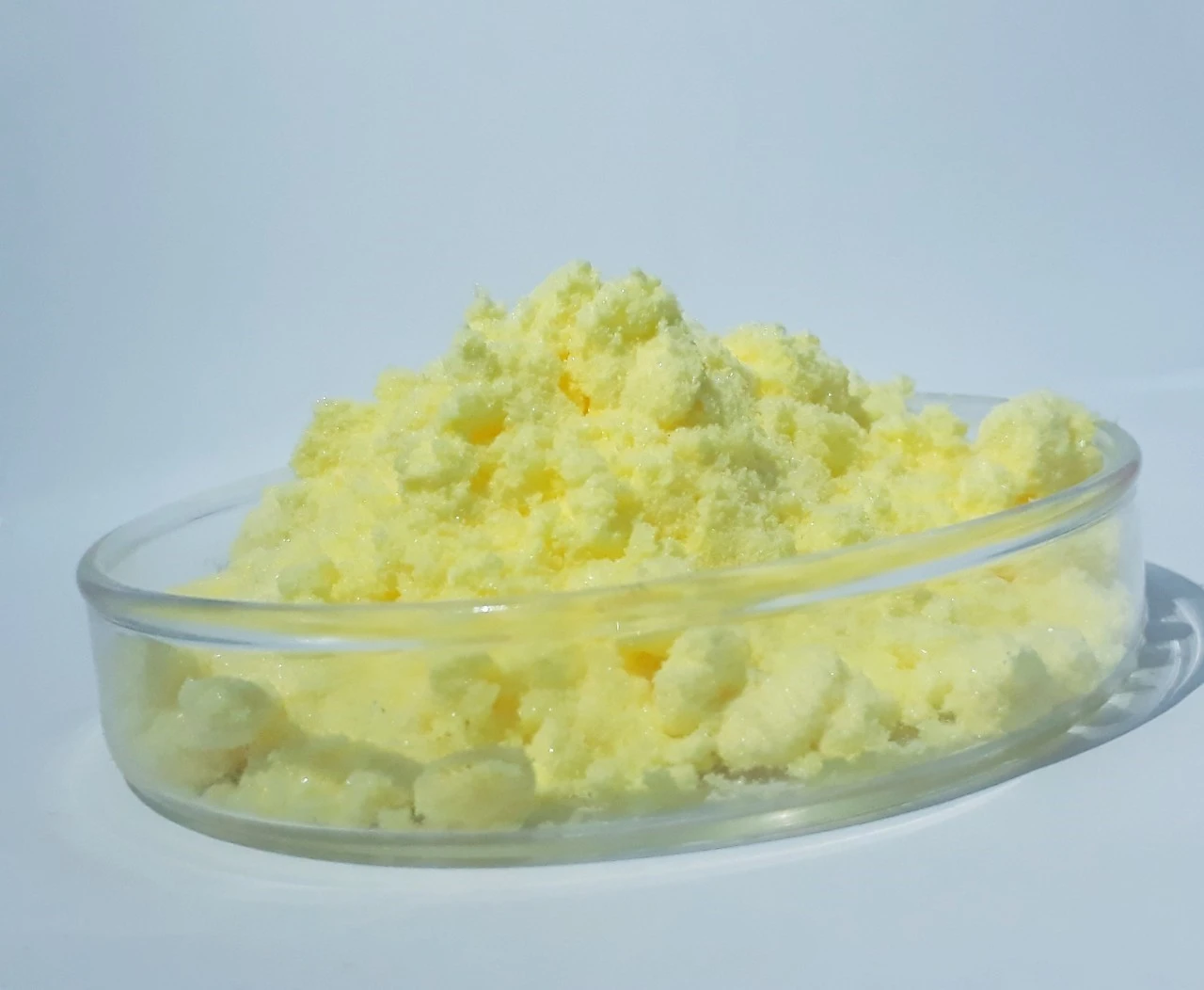
In non-pregnant women, early research indicates ALA supplementation may support reproductive health and fertility. In one study, taking alpha lipoic acid bulk powder (600 mg/day) for 5 weeks improved hormonal balance and ovary function by nearly 38% in women with polycystic ovarian syndrome (PCOS) compared to placebo (3).
By enhancing insulin sensitivity, ALA theoretically may aid conditions like PCOS to improve fertility. However, no studies confirm safety or benefits once pregnant. In fact, radical hormonal changes during gestation may alter how ALA is utilized in the body, necessitating a cautious approach.
Does Alpha-Lipoic Acid Affect Hormones?
Lab and animal studies reveal ALA accumulates rapidly in placental tissue after oral dosing and transfers extensively to the fetus by week 20 of gestation. As a powerful antioxidant, excessively high intakes could plausibly disrupt vital free radical signaling activity essential for development (3).
However, research also shows oxidative stress heightens during pregnancy. At sufficient doses, some experts hypothesize ALA’s antioxidant properties may help overcome this while providing added nutritional support for expecting mothers (4). Nonetheless, interactions with the radical hormonal and physiological changes during pregnancy cannot be predicted confidently without direct clinical testing.
Research and Expert Opinions
Very few scientific studies explore ALA supplementation explicitly during pregnancy. One clinical trial found taking high-dose ALA (800 mg/day) from weeks 16-28 until delivery helped reduce risk of premature birth, low birth weight and respiratory distress syndrome versus placebo (4). However, small sample sizes limit applying these findings universally.
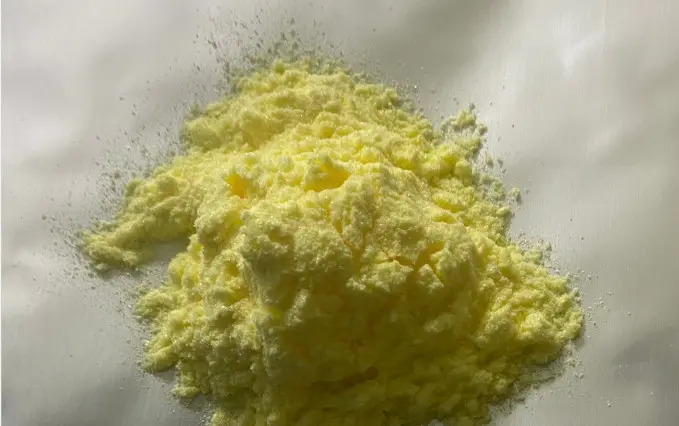
Most experts urge cautious use of Alpha Lipoic Acid Powder without medical supervision during pregnancy until more conclusive human data is gathered. Some sources suggest temporarily discontinuing use upon becoming pregnant until safety can be better ascertained (5). Monitoring for side effects with smaller antioxidant doses under obstetric guidance may be appropriate.
Potential Risks and Considerations
The lack of large controlled studies on ALA and pregnancy raises uncertainty around its safety for mothers and developing babies. As a powerful antioxidant, ALA concentrates within placenta tissue and the fetus’ circulation (6). While defending against oxidative damage, excessively high doses could hypothetically have pro-oxidant effects and interfere with normal free radical signaling processes vital for growth.
Dosage amounts, timing of ingestion, and combining alpha lipoic acid powders with standard prenatal vitamins may also impact safety considerations. Until research better establishes guidance, pregnant women are urged to avoid unsupervised ALA supplementation and high doses. If taken under medical direction, frequent monitoring is necessary.
Lack of Conclusive Evidence
While some experts hypothesize ALA’s antioxidant properties could promote maternal wellness and fetal development when used appropriately, research has yet to support or refute these notions. No human studies sufficiently demonstrate ALA’s efficacy, safety, interaction effects or ideal dosing within pregnancy. Reputable associations like the NIH advise expectant and breastfeeding mothers to avoid ALA supplementation due to the complete lack of reliable data (7).
What is the Best Fertility Supplement to Get Pregnant?
For women aiming to become pregnant, evidence better supports supplements like folic acid, iron, vitamin D, omega-3s and various prenatal vitamin compounds for improving fertility and supporting a healthy pregnancy. Consulting your obstetrician ensures methodical evaluation of your unique health status for determining which supplements may or may not benefit prior and throughout conception.
The Bottom Line
In summary, to date there remains insufficient and inadequate scientific research upon which to judge the safety or efficacy of taking alpha-lipoic acid powders during pregnancy. While ALA does possess promising antioxidant qualities that could theoretically promote maternal and fetal wellness, unknown interaction effects and dosing concerns cloud its appropriate usage throughout gestation.
Until substantial clinical trials establish guidance on incorporating ALA safely, pregnant mothers are urged to exercise extreme caution with supplements without medical oversight. Always prioritize the well-being of mother and child by consulting your healthcare providers first regarding any supplement use during pregnancy. They can best assess alternatives tailored to your individual health profile and needs. Avoid unnecessarily risky supplements without a full benefit-risk analysis.
Hongda Phytochemistry Co., Ltd. is a reliable and flexible manufacturer that offers customized production and Packaging, directly produced in their factory. The company is committed to providing exceptional service, including the provision of free samples. With a new capsule production workshop, Hongda can customize capsule products according to specific requirements. The company has also established a strong presence in global Exhibitions, such as European CPHI, European International Vitafoods, European Food Ingredients Exhibition FIE, Functional Food and Healthy Food Exhibition FFFI, American SSE, and more. Hongda's dedication to quality is evident in its range of products, including the high-quality α-Lipoic Acid Powder, which is sure to impress customers. For further information, please contact duke@hongdaherb.com.
References:
1. Biewenga GP et al. The pharmacology of the antioxidant lipoic acid. Gen Pharmacol. 1997
2. Shay KP et al. Alpha-lipoic acid as a dietary supplement: Molecular mechanisms and therapeutic potential. Biochim Biophys Acta. 2009
3. Omidi A et al. The effects of alpha lipoic acid supplementation on glucose control and insulin sensitivity in women with polycystic ovary syndrome: a pilot study. JAMMR. 2017
4. Kong D et al. Clinical observation on alpha-lipoic acid relieving reproductive and respiratory distress syndromes in pregnant women with premature rupture of membranes. Asian Pac J Trop Med. 2014
5. Richards JB et al. Effects on pregnancy and lactation of antidiabetic agents. J Clin Endocrinol Metab. 1956
6. Prussick R et al. Prenatal supplementation with melatonin protects against maternal nutrient restriction-induced alterations in α-lipoic acid content and markers of oxidative damage in the ovine fetal heart. Nutrients. 2019
7. National Institutes of Health – Office of Dietary Supplements. Alpha Lipoic Acid Fact Sheet. 2022